
🥔 SIDE
Gogonele Murate (Romanian Pickled Green Tomatoes)
Small green tomatoes packed in jars with garlic, horseradish, dill stalks, celery leaves, carrot and chilli, covered with salt brine and left to ferment, the winter murături for every Romanian table.
Romanian · easy · serves 12
prep 40 min · cook 10 min · plus 3 weeks hands-off time
~42 cal · 2g protein · 9g carbs · 0g fat · 3g fiber · 5g sugars · 0g sat fat (estimated, per serving)
↓ Jump to Recipe

AI-generated illustration
Gogonele murate are one of the essential murături, the pickles every Romanian household puts up in autumn to see it through the winter. Gogonele are small green tomatoes, the unripe fruit gathered from the vines at the end of the season, and instead of going to waste they are packed into jars with garlic, strips of horseradish, dried dill stalks, celery leaves, carrot and hot pepper, then covered with salt brine.
The pickling is a natural lactic fermentation, with no vinegar needed. The jars are left open for a day or two, then sealed and kept somewhere cool and dark, and after a few weeks the tomatoes are sour, crunchy and fragrant with dill and horseradish. The brine is made with coarse, non-iodised salt, about 20 grams to every litre of water.
All winter they come to the table as a side with meat dishes, stews such as tocăniță, sarmale and grilled food, and they are part of the spread at Christmas, New Year and Easter. In summer, the last jars go with a cold beer.
Saved recipes and passport stamps are kept on this device. Sign in to keep them across your devices and leave reviews.
Make it yours
✓ Naturally vegetarian, vegan and gluten-, dairy-, egg-, nut- and pork-free. No swaps needed.
Toggle a diet and the ingredients rewrite themselves with regional substitutes.
🥕 Vegetarian
🌱 Vegan
🌾 Gluten-Free
🥛 Dairy-Free
🥜 Nut-Free
🥚 Egg-Free
🐖 Pork-Free
Dietary labels are a cooking guide, not allergen-safety advice. We track dairy, egg, gluten, tree nuts and peanuts (we count coconut as a tree nut, following FDA labeling), fish, and shellfish; we do not screen for sesame, soy, mustard, celery, or sulphites. If you have a food allergy, read the label on every product you use, and note that a kitchen can cross-contaminate in ways a recipe cannot control.
Ingredients
US
Metric
Serves 12
- 2 kg small green tomatoes, firm and unblemished, larger ones halved
- 8 garlic cloves, peeled
- 1 piece (about 8 cm) fresh horseradish root, peeled and cut into strips
- 1 bunch dried dill stalks with seed headsHard to find? 1 bunch fresh dill plus 1 tsp dill seed - fresher and greener in flavour, without the woody depth of dried dill stalks
- 1 handful celery leaves
- 1 carrot, sliced into rounds
- 2 hot peppers, halved
- 1 tsp black peppercorns
- 2 bay leaves
- 2 litres water
- 40 g coarse non-iodised salt, 20 g per litre of water
Instructions
- 1Wash the tomatoes, carrot and celery leaves. Put a few celery leaves, some dill and a strip or two of horseradish in the bottom of one large or two smaller clean jars.
- 2Pack the tomatoes in tightly, tucking the garlic, carrot, hot pepper, peppercorns, bay and remaining horseradish in the gaps. Finish with dill stalks and celery leaves on top.
- 3Bring the water and salt to the boil and simmer for 2 to 3 minutes, until the salt has dissolved. Stand the jars on a folded cloth or a metal spoon and pour in the hot brine until the tomatoes are completely covered.✎ Chef’s noteUse non-iodised salt; iodised salt can stop the fermentation and darken the pickles.
- 4Cover the jars loosely with a plate or cloth and leave at room temperature for 2 days, skimming off any foam.
- 5Seal the jars and store somewhere cool and dark. The tomatoes are ready in 3 to 4 weeks and keep through the winter.
- 6Serve halved or whole as a side with meat dishes, stews, sarmale or grilled food.
Romanian household preserving tradition.
Ratings & reviews
Cooked it? Rate this dish:
No account needed. Sign in to leave a full review with a comment.
Cooked it?
Kept on this device, no account needed. Sign in to leave a review and keep your passport across your devices.
No reviews yet, be the first to cook it.
🌏 While it simmers, know your destination
📍
Transylvania. The larder is built by season rather than by shopping. The pig is killed around Christmas and worked through in one go into sausages, smoked fat and jellied cuts, while sheep on the summer pastures give a curd that is salted and packed into fir bark as branza de burduf, taking a resinous edge from the wood.
🗺️
Romania. Romanian food is rustic and soulful, mămăligă (polenta), sarmale cabbage rolls, and pork in many forms, brightened by sour soups (ciorbă). Balkan, Ottoman, and Hungarian influences meet over the home hearth.
🌍
Europe. Europe has written a great deal of its food into law. A regulation of 1992 created the protected designation of origin and the protected geographical indication, tying a name to a place and a method, and an EU evaluation published in 2021 counted more than three thousand registered names across those schemes, from cheeses and hams down to particular shapes of bread.
The story behind this dish is up top, worth a read while the pot works.
More from Romania

Mămăligă cu Brânză și SmântânăGolden polenta layered with salty sheep’s cheese and cool sour cream, Carpathian shepherd food, unchanged for centuries.

Omletă ȚărăneascăA rustic Romanian peasant omelette with tomato, pepper, onion, and salty telemea cheese.
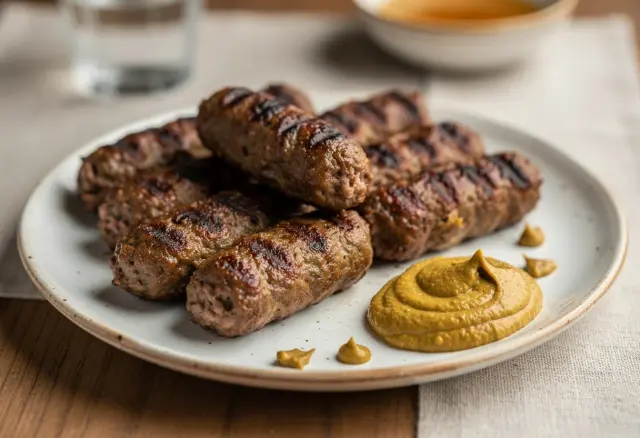
MiciSkinless grilled minced-meat rolls seasoned with garlic and spice, Romania's smoky, garlicky barbecue staple.
Browse all Romania recipes →
Good to know
Storing it: Keeps 2 to 3 days refrigerated. Resteam or warm through gently to serve.
Make it a Romania meal
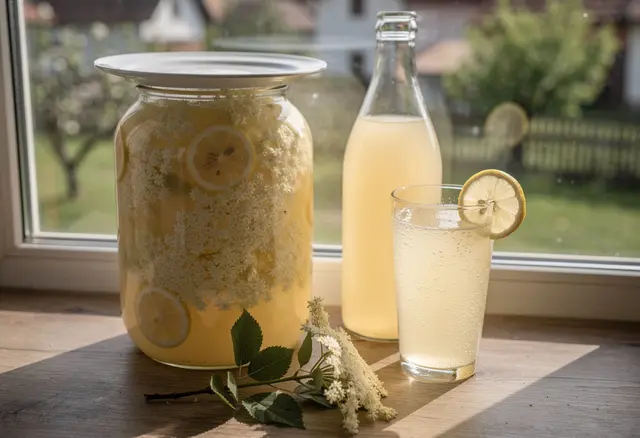
Socată (Romanian Fermented Elderflower Drink)Drink

PapanașiDessert
Similar dishes from around the world

Kvashanaja Kapusta (Belarusian Sauerkraut with Carrot)Belarus
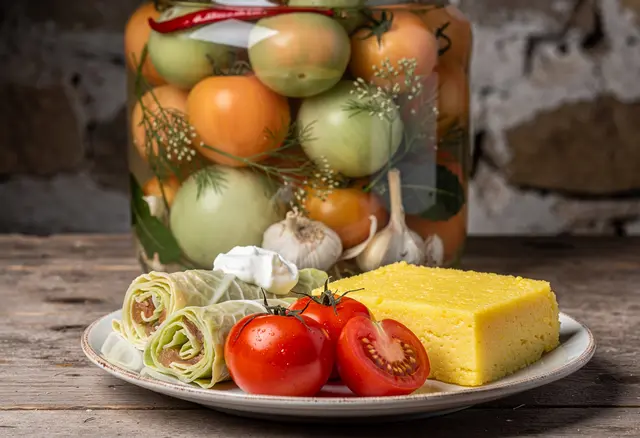
Roșii Murate (Moldovan Fermented Pickled Tomatoes)Moldova
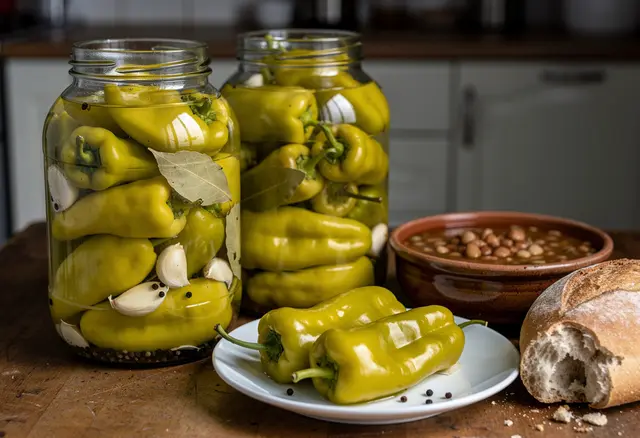
Speca Turshi (Kosovar Pickled Peppers)Kosovo
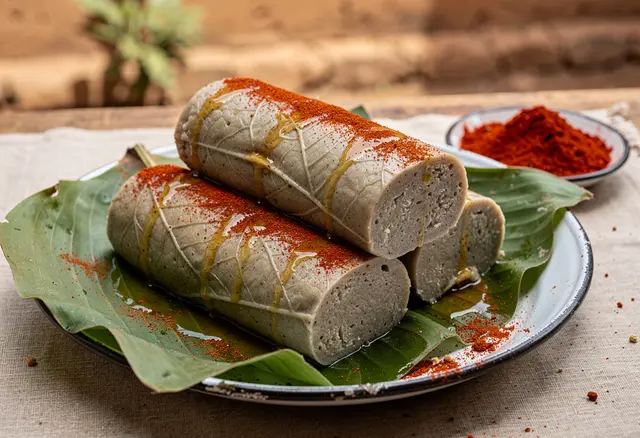
Gonré (Burkinabè Steamed Bean Cakes)Burkina Faso
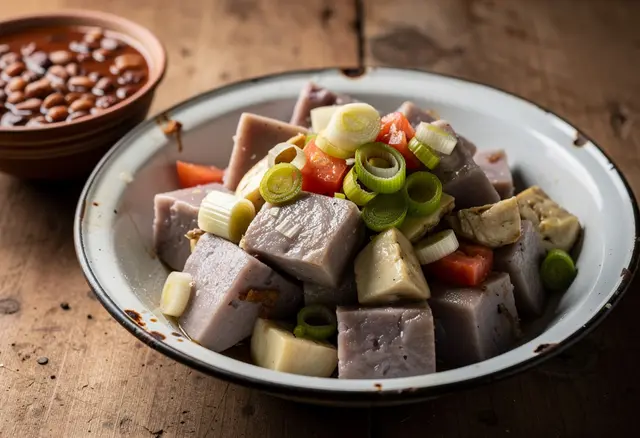
Amateke (Burundian Taro with Eggplant and Leeks)Burundi

Achards de Légumes (Comorian Pickled Vegetables)Comoros
Cuisine
Diet
Frequently asked questions
What is Gogonele Murate (Romanian Pickled Green Tomatoes)?
Small green tomatoes packed in jars with garlic, horseradish, dill stalks, celery leaves, carrot and chilli, covered with salt brine and left to ferment, the winter murături for every Romanian table.
Where does Gogonele Murate (Romanian Pickled Green Tomatoes) come from?
Gogonele Murate (Romanian Pickled Green Tomatoes) is a Romanian dish from Transylvania, Romania.
Can Gogonele Murate (Romanian Pickled Green Tomatoes) be made vegan, gluten-free, or dairy-free?
This Gogonele Murate (Romanian Pickled Green Tomatoes) recipe includes substitution suggestions for vegetarian, vegan, gluten-free, dairy-free, nut-free, egg-free, and pork-free versions. Treat the substitutions as a starting guide rather than a guarantee, and see the allergen note below.
Is Gogonele Murate (Romanian Pickled Green Tomatoes) safe for people with food allergies?
Our dietary labels and substitutions are a cooking guide, not medical or allergen-safety advice. We track dairy, egg, gluten, tree nuts and peanuts (we still count coconut as a tree nut to be cautious, although the FDA stopped listing it as one in 2025), fish, and shellfish, but we do not screen for sesame, soy, mustard, celery, or sulphites. If you have a food allergy, always read the label on every product you use, and remember a home or commercial kitchen can cross-contaminate ingredients in ways a recipe cannot control.
How long does Gogonele Murate (Romanian Pickled Green Tomatoes) take to make?
About 3 weeks in all: 40 minutes prep and 10 minutes cooking, plus 3 weeks of hands-off waiting the method needs, serving 12.
Get the Sunday Spin
One dish from somewhere in the world, in your inbox every Sunday. No spam, just dinner inspiration you can cook that day.