
🥔 SIDE
Kvashanaja Kapusta (Belarusian Sauerkraut with Carrot)
Finely shredded white cabbage and carrot rubbed with salt and left to ferment in their own juice for a few days, then served cold with sunflower oil and onion beside potatoes, draniki and meat.
Belarusian · easy · serves 10
prep 30 min · cook 0 min · plus 3 days hands-off time
~113 cal · 2g protein · 15g carbs · 6g fat · 6g fiber · 8g sugars · 1g sat fat (estimated, per serving)
↓ Jump to Recipe
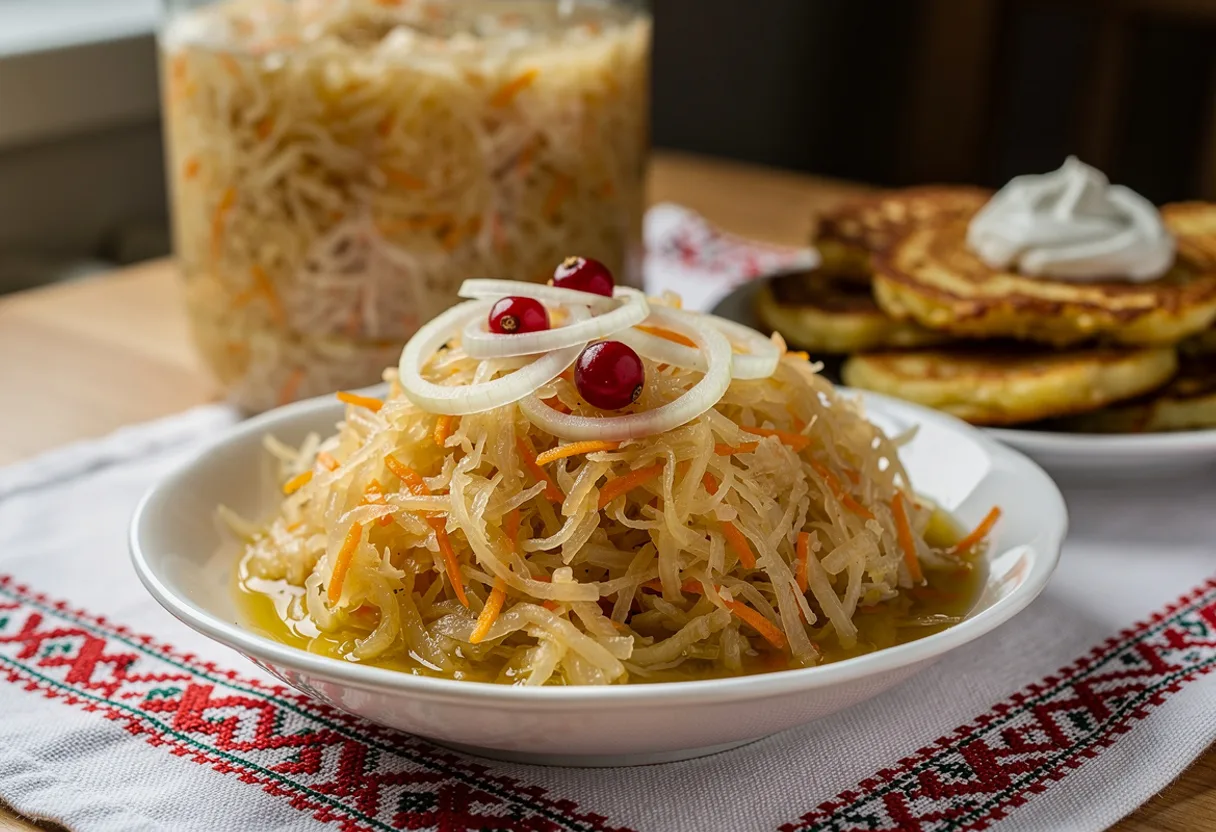
AI-generated illustration
Sour cabbage is one of the pillars of the Belarusian table. In autumn, when the heads of white cabbage come in, households shred them finely, often with carrot, rub them with salt and pack them into barrels, crocks and jars, where the cabbage in its own juice and keeps through the winter. It goes into soups and into stews with mushrooms and pork, and above all it is served cold as a side dish.
Nothing but salt is needed. Rubbed and pressed, the cabbage gives up enough juice to cover itself, and natural lactic fermentation turns it pleasantly sour in a few days at room temperature. The cabbage is pierced every day with a wooden stick to let the gas escape. Some families add cranberries, caraway or dill seed, bay and peppercorns.
At the table it is dressed at the last minute with fragrant unrefined sunflower oil and chopped onion, and set beside boiled or fried potatoes, draniki, sausages or roast pork.
Saved recipes and passport stamps are kept on this device. Sign in to keep them across your devices and leave reviews.
Make it yours
✓ Naturally vegetarian, vegan and gluten-, dairy-, nut-, egg- and pork-free. No swaps needed.
Toggle a diet and the ingredients rewrite themselves with regional substitutes.
🥕 Vegetarian
🌱 Vegan
🌾 Gluten-Free
🥛 Dairy-Free
🥜 Nut-Free
🥚 Egg-Free
🐖 Pork-Free
Dietary labels are a cooking guide, not allergen-safety advice. We track dairy, egg, gluten, tree nuts and peanuts (we count coconut as a tree nut, following FDA labeling), fish, and shellfish; we do not screen for sesame, soy, mustard, celery, or sulphites. If you have a food allergy, read the label on every product you use, and note that a kitchen can cross-contaminate in ways a recipe cannot control.
Ingredients
US
Metric
Serves 10
- 2 kg white cabbage
- 200 g carrots, peeled and coarsely grated
- 40 g coarse salt, non-iodised, about 2 level tbsp; iodised salt can slow fermentation
- 50 g cranberries, fresh or frozen, optional
- 1 tsp caraway or dill seed, optional
- 4 tbsp unrefined sunflower oil, to serve
- 1 small onion, finely sliced, to serve
Instructions
- 1Pull off one or two clean outer cabbage leaves and keep them. Quarter the cabbage, cut out the core and shred it very finely, 2 to 3 mm wide.
- 2Put the cabbage and carrot in a large bowl, sprinkle with the salt and rub and squeeze them with your hands for 5 to 10 minutes, until the cabbage softens and releases plenty of juice. Mix in the cranberries and seeds if using.
- 3Pack the cabbage into a large jar or crock a handful at a time, pressing each layer down hard with your fist or a wooden spoon until the juice rises above it. Lay the reserved leaves on top and weigh them down with a small water-filled jar or a plate and a weight. Leave some space at the top, as the juice rises as it ferments.✎ Chef’s noteEverything must stay under the brine. If there is not enough juice after a few hours, top it up with a little water mixed with salt, 1 tsp to 200 ml.
- 4Cover loosely with a cloth and leave at cool room temperature, about 18 to 22C, for 3 days. Every day, push a clean wooden stick or skewer down to the bottom in several places to let the gas out, and skim off any foam.
- 5Taste after 3 days. When it is pleasantly sour, close the jar and move it to the fridge or a cold cellar, where it keeps for several weeks and goes on slowly souring.
- 6To serve, lift out as much as you need, squeeze it lightly, and dress it with sunflower oil and sliced onion. Serve cold with potatoes, draniki or meat.
Belarusian and East Slavic home tradition.
Ratings & reviews
Cooked it? Rate this dish:
No account needed. Sign in to leave a full review with a comment.
Cooked it?
Kept on this device, no account needed. Sign in to leave a review and keep your passport across your devices.
No reviews yet, be the first to cook it.
🌏 While it simmers, know your destination
📍
Minsk. Belarus is regularly ranked first in the world for potato consumption per head, at around 160 kilos a year, and more than three hundred potato dishes have been recorded. Past the potato it is rye bread, gathered mushrooms, salo, salted pork fat, and pots baked slowly in the oven.
🗺️
Belarus. Draniki simply means shredded, and the country puts more potato per head into its cooking than almost anywhere, on the order of a hundred and sixty kilos a year, with several hundred potato dishes recorded. The pancakes are fried until lacy at the edges and eaten with soured cream, and often with pork crackling.
🌍
Europe. Europe has written a great deal of its food into law. A regulation of 1992 created the protected designation of origin and the protected geographical indication, tying a name to a place and a method, and an EU evaluation published in 2021 counted more than three thousand registered names across those schemes, from cheeses and hams down to particular shapes of bread.
The story behind this dish is up top, worth a read while the pot works.
More from Belarus

DranikiCrisp-edged potato pancakes fried golden and served with a generous spoon of sour cream.
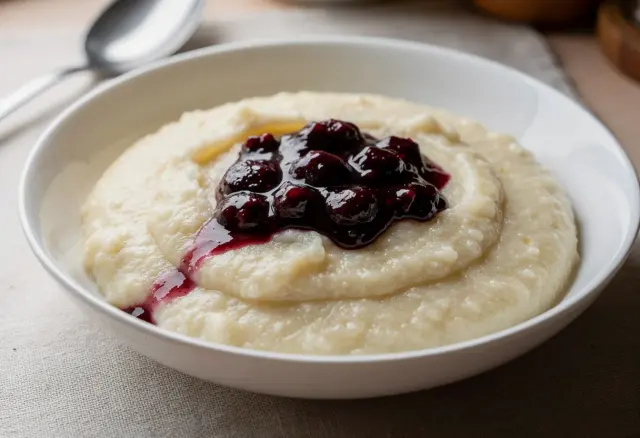
Manna KashaSmooth semolina milk porridge, lump-free and lightly sweet, topped with jam or butter.
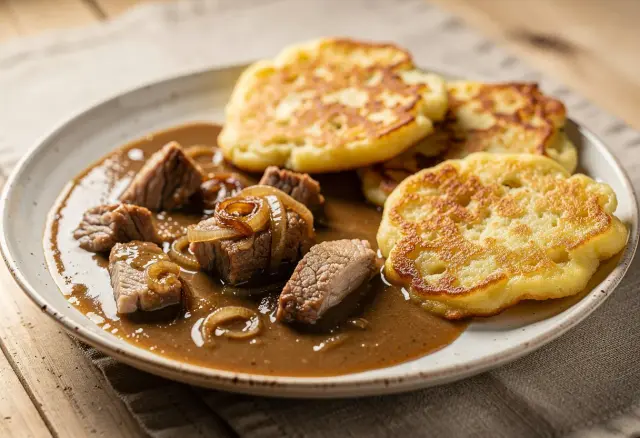
MachankaA rich pork and sour-cream gravy for dunking soft potato pancakes, a filling Belarusian country dish.
Browse all Belarus recipes →
Good to know
Storing it: Keeps 2 to 3 days refrigerated. Resteam or warm through gently to serve.
Make it a Belarus meal
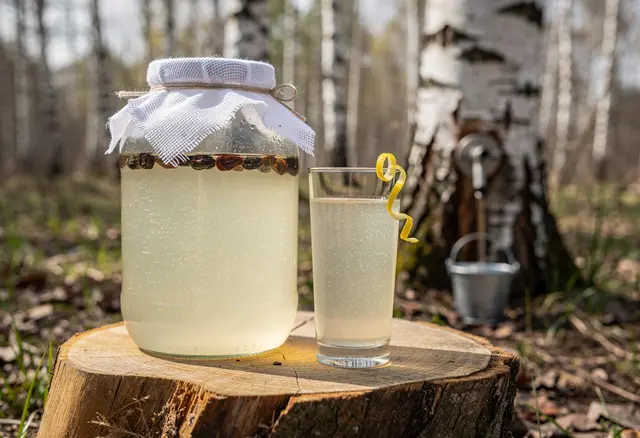
Biarozavik (Belarusian Fermented Birch Sap)Drink
KulagaDessert
Similar dishes from around the world
Speca Turshi (Kosovar Pickled Peppers)Kosovo
Roșii Murate (Moldovan Fermented Pickled Tomatoes)Moldova

Achards de Légumes (Comorian Pickled Vegetables)Comoros
Surkål (Norwegian Sweet and Sour Cabbage)Norway
Gogonele Murate (Romanian Pickled Green Tomatoes)Romania
Malosolnye Ogurtsy (Russian Lightly Salted Dill Cucumbers)Russia
Cuisine
Diet
Vegetarian Recipes from Around the World
Vegan Recipes from Around the World
Gluten-Free Recipes from Around the World
Dairy-Free Recipes from Around the World
Nut-Free Recipes from Around the World
Egg-Free Recipes from Around the World
Pork-Free Recipes from Around the World
Vegetarian Belarusian Recipes
Frequently asked questions
What is Kvashanaja Kapusta (Belarusian Sauerkraut with Carrot)?
Finely shredded white cabbage and carrot rubbed with salt and left to ferment in their own juice for a few days, then served cold with sunflower oil and onion beside potatoes, draniki and meat.
Where does Kvashanaja Kapusta (Belarusian Sauerkraut with Carrot) come from?
Kvashanaja Kapusta (Belarusian Sauerkraut with Carrot) is a Belarusian dish from Minsk, Belarus.
Can Kvashanaja Kapusta (Belarusian Sauerkraut with Carrot) be made vegan, gluten-free, or dairy-free?
This Kvashanaja Kapusta (Belarusian Sauerkraut with Carrot) recipe includes substitution suggestions for vegetarian, vegan, gluten-free, dairy-free, nut-free, egg-free, and pork-free versions. Treat the substitutions as a starting guide rather than a guarantee, and see the allergen note below.
Is Kvashanaja Kapusta (Belarusian Sauerkraut with Carrot) safe for people with food allergies?
Our dietary labels and substitutions are a cooking guide, not medical or allergen-safety advice. We track dairy, egg, gluten, tree nuts and peanuts (we still count coconut as a tree nut to be cautious, although the FDA stopped listing it as one in 2025), fish, and shellfish, but we do not screen for sesame, soy, mustard, celery, or sulphites. If you have a food allergy, always read the label on every product you use, and remember a home or commercial kitchen can cross-contaminate ingredients in ways a recipe cannot control.
How long does Kvashanaja Kapusta (Belarusian Sauerkraut with Carrot) take to make?
About 3 days in all: 30 minutes prep and 0 minutes cooking, plus 3 days of hands-off waiting the method needs, serving 10.
Get the Sunday Spin
One dish from somewhere in the world, in your inbox every Sunday. No spam, just dinner inspiration you can cook that day.