
🥔 SIDE
Roșii Murate (Moldovan Fermented Pickled Tomatoes)
Firm, half-green tomatoes layered in a jar with dill, garlic, horseradish and cherry leaves and left to ferment in salted, lightly sweetened brine until tangy and fizzy, the winter pickle beside Moldovan sarmale, meat and mămăligă.
Moldovan · easy · serves 12
prep 30 min · cook 0 min · plus 2 weeks hands-off time
~95 cal · 4g protein · 22g carbs · 0g fat · 3g fiber · 8g sugars · 0g sat fat (estimated, per serving)
↓ Jump to Recipe

AI-generated illustration
Every autumn Moldovan families put up pickles, murături, for the winter, when fresh vegetables were once impossible to find. Tomatoes are among the most loved: firm ones, often still pale green or just turning, packed into barrels or big glass jars with a thick layer of leaves and herbs and covered with brine.
The greens are what give them their flavour: horseradish leaves or root, cherry, grape or blackcurrant leaves, dill, celery leaves, garlic, bay and peppercorns, sometimes a hot pepper or a sweet pepper tucked among the tomatoes. The brine is cold water with salt and a little sugar, and the tomatoes rather than sitting in vinegar, first for a few days somewhere warm and then for weeks somewhere cool, until they are tangy, slightly fizzy and soft inside. The cloudy brine is so good that it is often drunk first.
Pickles come to the table all winter beside sarmale with sour cream, grilled meat, stews and mămăligă.
Saved recipes and passport stamps are kept on this device. Sign in to keep them across your devices and leave reviews.
Make it yours
✓ Naturally vegetarian, vegan and gluten-, dairy-, nut-, egg- and pork-free. No swaps needed.
Toggle a diet and the ingredients rewrite themselves with regional substitutes.
🥕 Vegetarian
🌱 Vegan
🌾 Gluten-Free
🥛 Dairy-Free
🥜 Nut-Free
🥚 Egg-Free
🐖 Pork-Free
Dietary labels are a cooking guide, not allergen-safety advice. We track dairy, egg, gluten, tree nuts and peanuts (we count coconut as a tree nut, following FDA labeling), fish, and shellfish; we do not screen for sesame, soy, mustard, celery, or sulphites. If you have a food allergy, read the label on every product you use, and note that a kitchen can cross-contaminate in ways a recipe cannot control.
Ingredients
US
Metric
Serves 12
- 2 kg firm tomatoes, green or just turning, small to medium, unblemished
- 2 horseradish leaves, or a 5 cm piece of horseradish root, sliced
- a handful cherry, grape or blackcurrant leaves
- 1 large bunch dill, with seed heads
- a handful celery leaves
- 1 head garlic, cloves peeled
- 2 bay leaves
- 1 tsp black peppercorns
- 1 hot red chilli, optional
- 1 sweet bell pepper, halved and seeded
- 2 litres cold water
- 120 g coarse non-iodised salt
- 40 g sugar
Instructions
- 1Wash the tomatoes and sort out any that are soft or damaged. Wash the leaves and herbs.
- 2Put a layer of leaves, dill, celery leaves, garlic and spices in the bottom of a clean 4 to 5 litre jar or crock, then a layer of tomatoes. Repeat until the jar is full, tucking the bell pepper and chilli among the tomatoes, and finish with horseradish and grape leaves on top to keep the tomatoes under the brine.
- 3Dissolve the salt and sugar in the cold water and pour it over the tomatoes until they are completely covered. Weigh them down with a small plate if they float.
- 4Cover loosely and leave at warm room temperature for 3 days, until the brine turns cloudy and starts to bubble.✎ Chef’s noteSkim off any white film that forms on the surface. It is harmless yeast, but it spoils the flavour if left.
- 5Close the jar and move it to a cold cellar or the fridge for at least 2 weeks before eating. Serve with sarmale, meat and mămăligă.
Moldovan autumn preserving tradition.
Ratings & reviews
Cooked it? Rate this dish:
No account needed. Sign in to leave a full review with a comment.
Cooked it?
Kept on this device, no account needed. Sign in to leave a review and keep your passport across your devices.
No reviews yet, be the first to cook it.
🌏 While it simmers, know your destination
📍
Chișinău. Mamaliga stands in for bread and is cooked stiff enough to slice, traditionally with a thread rather than a knife. Branza is an umbrella word rather than one cheese, covering cow, sheep and goat alike, and the sheep version is simply the one most often reached for around here.
🗺️
Moldova. Wine is not a sideline here but a documented one. The cellars at Milestii Mici, tunnels cut into limestone, hold what is recorded as the largest wine collection in the world, and household winemaking remains ordinary rather than remarkable. Placinta, the coiled or folded pastry filled with cheese, cabbage, potato or apple, is what gets eaten alongside.
🌍
Europe. A surprising amount of European cooking is under five hundred years old. Tomatoes, potatoes, peppers, maize, beans and chocolate all crossed from the Americas after 1492, and none of them was trusted quickly: the potato took most of the eighteenth century to be accepted as food rather than animal fodder across much of the north.
The story behind this dish is up top, worth a read while the pot works.
More from Moldova
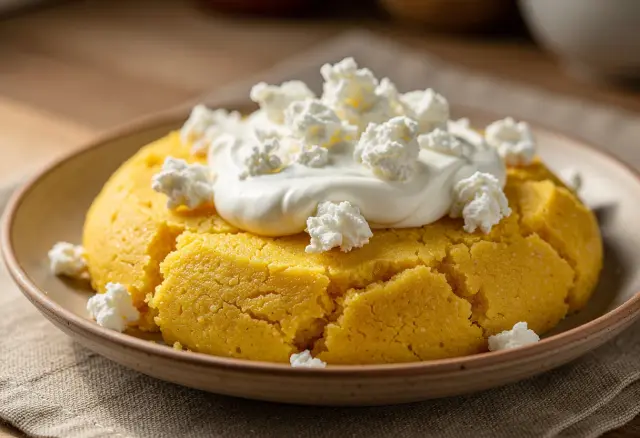
Mămăligă cu BrânzăThick cornmeal polenta layered with salty sheep's cheese and sour cream, the soul of Moldovan tables.
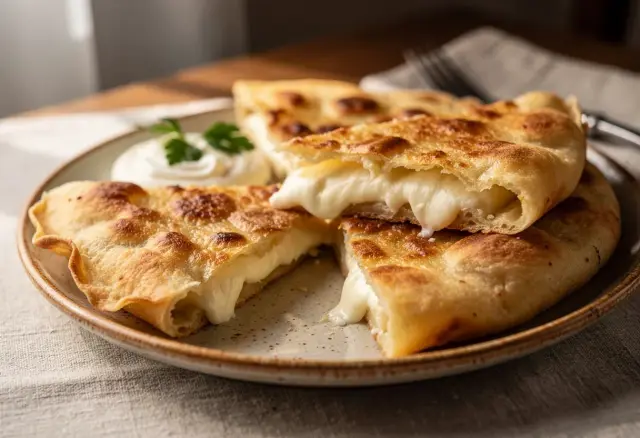
Plăcintă cu BrânzăPan-fried or baked flatbread pockets stuffed with salty cheese, a Moldovan morning favorite.
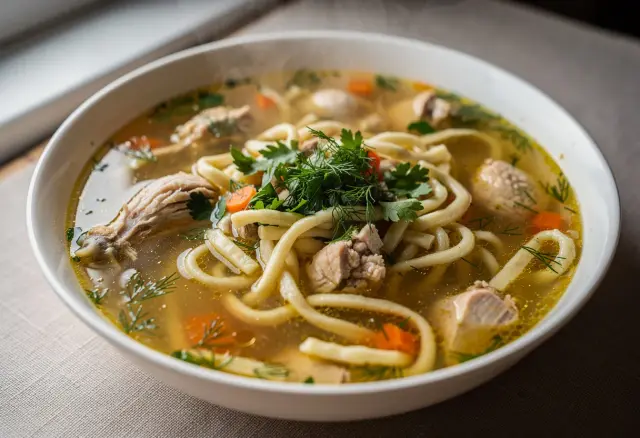
ZeamăA tangy chicken noodle soup soured with fermented bran brine and fragrant with lovage, Moldova's restorative bowl.
Browse all Moldova recipes →
Good to know
Storing it: Keeps 2 to 3 days refrigerated. Resteam or warm through gently to serve.
Make it a Moldova meal
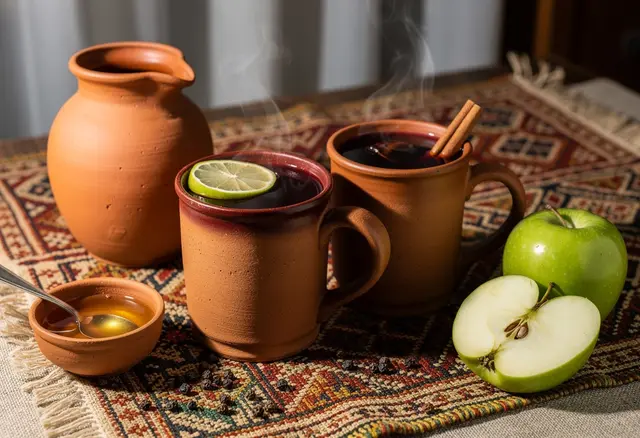
Izvar (Moldovan Hot Wine with Honey and Black Pepper)Drink

CornulețeDessert
Similar dishes from around the world

Kvashanaja Kapusta (Belarusian Sauerkraut with Carrot)Belarus
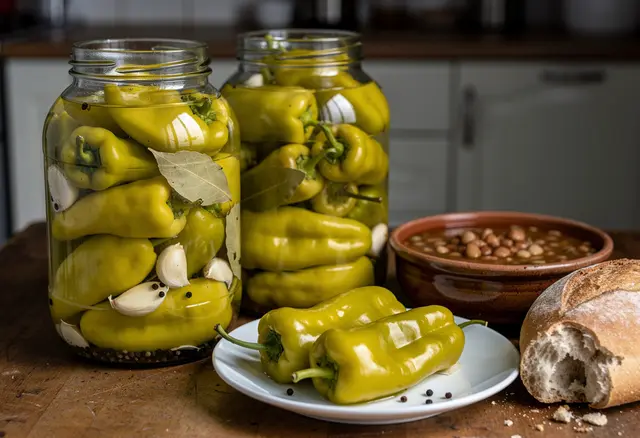
Speca Turshi (Kosovar Pickled Peppers)Kosovo

Achards de Légumes (Comorian Pickled Vegetables)Comoros
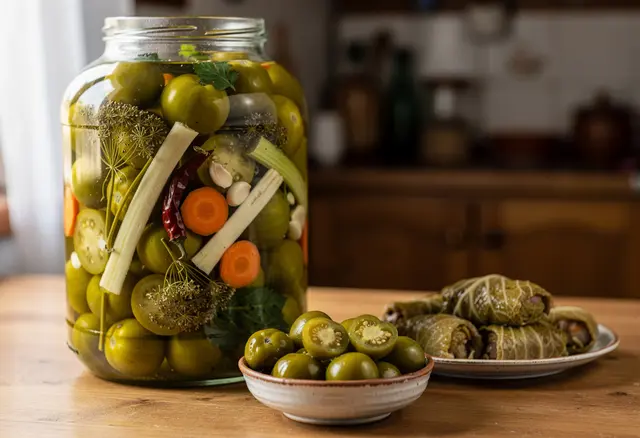
Gogonele Murate (Romanian Pickled Green Tomatoes)Romania
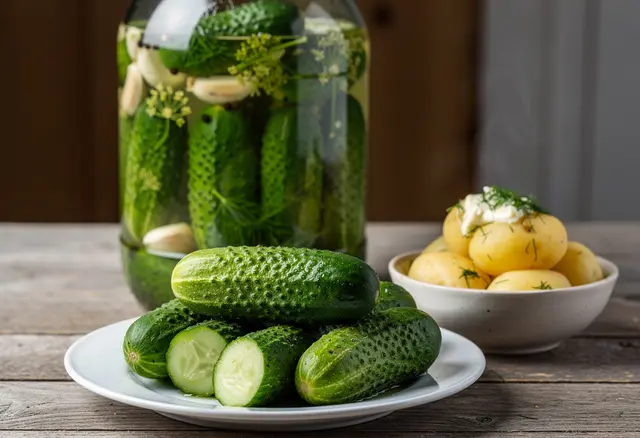
Malosolnye Ogurtsy (Russian Lightly Salted Dill Cucumbers)Russia
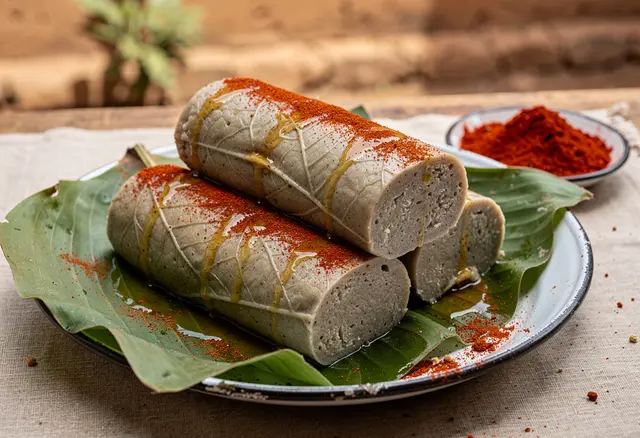
Gonré (Burkinabè Steamed Bean Cakes)Burkina Faso
Cuisine
Diet
Frequently asked questions
What is Roșii Murate (Moldovan Fermented Pickled Tomatoes)?
Firm, half-green tomatoes layered in a jar with dill, garlic, horseradish and cherry leaves and left to ferment in salted, lightly sweetened brine until tangy and fizzy, the winter pickle beside Moldovan sarmale, meat and mămăligă.
Where does Roșii Murate (Moldovan Fermented Pickled Tomatoes) come from?
Roșii Murate (Moldovan Fermented Pickled Tomatoes) is a Moldovan dish from Chișinău, Moldova.
Can Roșii Murate (Moldovan Fermented Pickled Tomatoes) be made vegan, gluten-free, or dairy-free?
This Roșii Murate (Moldovan Fermented Pickled Tomatoes) recipe includes substitution suggestions for vegetarian, vegan, gluten-free, dairy-free, nut-free, egg-free, and pork-free versions. Treat the substitutions as a starting guide rather than a guarantee, and see the allergen note below.
Is Roșii Murate (Moldovan Fermented Pickled Tomatoes) safe for people with food allergies?
Our dietary labels and substitutions are a cooking guide, not medical or allergen-safety advice. We track dairy, egg, gluten, tree nuts and peanuts (we still count coconut as a tree nut to be cautious, although the FDA stopped listing it as one in 2025), fish, and shellfish, but we do not screen for sesame, soy, mustard, celery, or sulphites. If you have a food allergy, always read the label on every product you use, and remember a home or commercial kitchen can cross-contaminate ingredients in ways a recipe cannot control.
How long does Roșii Murate (Moldovan Fermented Pickled Tomatoes) take to make?
About 2 weeks in all: 30 minutes prep and 0 minutes cooking, plus 2 weeks of hands-off waiting the method needs, serving 12.
Get the Sunday Spin
One dish from somewhere in the world, in your inbox every Sunday. No spam, just dinner inspiration you can cook that day.