
🥔 SIDE
Achards de Légumes (Comorian Pickled Vegetables)
Carrot, cabbage, green beans and peppers blanched crisp, then tossed in hot oil with garlic, ginger, turmeric, mustard seed and chili, sharpened with vinegar and left to steep.
Comorian · easy · serves 10
prep 30 min · cook 15 min · plus 12 h hands-off time
~156 cal · 2g protein · 13g carbs · 11g fat · 4g fiber · 6g sugars · 1g sat fat (estimated, per serving)
↓ Jump to Recipe
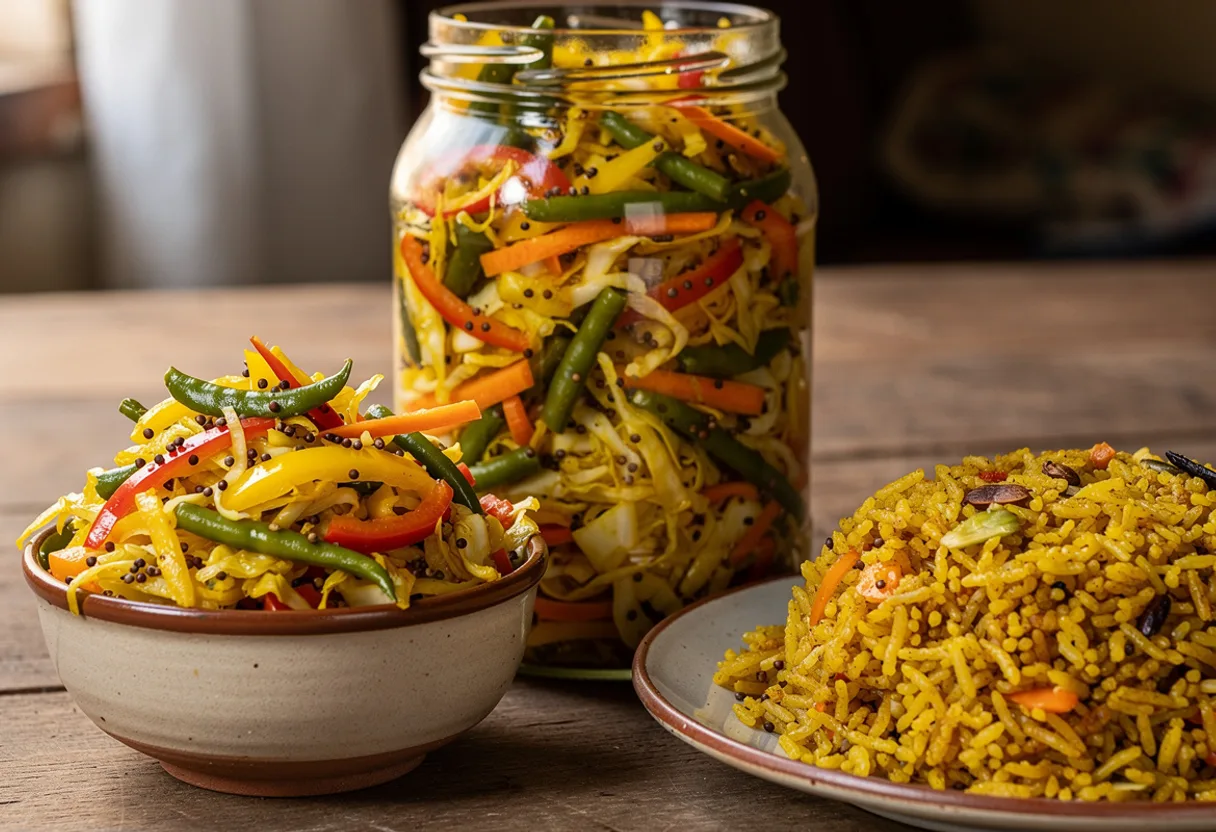
AI-generated illustration
Achards are the tangy pickles of the western Indian Ocean, and in the Comoros they are one of the standard accompaniments set beside pilaou, grilled meat and fish. Comorian cooks make them from sour lemons, green mango or, as here, a mix of crisp vegetables stained yellow with turmeric.
The same pickle is made in Mauritius, Réunion and Madagascar, and its relatives in India and Pakistan. The vegetables are cut fine and cooked only briefly so they stay crunchy, then turned through hot oil with crushed garlic, ginger, mustard seed, turmeric and chili and dressed with vinegar.
Cooks make a big batch before a family meal and let it at least overnight. A Comorian cook in Marseille who makes achards with her pilaou cools each vegetable before mixing, because warm vegetables in vinegar and turn sour. Kept cold in a jar, achards last for weeks.
Saved recipes and passport stamps are kept on this device. Sign in to keep them across your devices and leave reviews.
Make it yours
✓ Naturally vegetarian, vegan and gluten-, dairy-, nut-, egg- and pork-free. No swaps needed.
Toggle a diet and the ingredients rewrite themselves with regional substitutes.
🥕 Vegetarian
🌱 Vegan
🌾 Gluten-Free
🥛 Dairy-Free
🥜 Nut-Free
🥚 Egg-Free
🐖 Pork-Free
Dietary labels are a cooking guide, not allergen-safety advice. We track dairy, egg, gluten, tree nuts and peanuts (we count coconut as a tree nut, following FDA labeling), fish, and shellfish; we do not screen for sesame, soy, mustard, celery, or sulphites. If you have a food allergy, read the label on every product you use, and note that a kitchen can cross-contaminate in ways a recipe cannot control.
Ingredients
US
Metric
Serves 10
- 400 g carrots, cut into thin matchsticks
- 500 g white cabbage, finely shredded
- 300 g green beans, trimmed and halved
- 2 bell peppers (mixed colours), cut into strips
- 1 large onion, thinly sliced
- 6 cloves garlic
- 5 cm piece fresh ginger
- 2 tsp salt, plus more for the blanching water
- 1/2 cup vegetable oil
- 2 tbsp brown mustard seeds, lightly crushed
- 1 tbsp ground turmeric
- 4 green or red chilies, split
- 1/2 cup white vinegar
- 2 tbsp lime juice
Instructions
- 1Bring a large pot of salted water to a boil. Blanch the green beans for 2 minutes, then the carrots and cabbage together for 1 minute. Plunge them into cold water, drain and spread them on a clean cloth to dry completely.✎ Chef’s noteThe vegetables must stay crunchy and dry. Wet vegetables dilute the vinegar and spoil faster.
- 2Pound the garlic and ginger with the 2 tsp salt to a rough paste.
- 3Heat the oil in a wide pan or wok over medium heat. Fry the onion for 1 minute, then add the garlic and ginger paste and the mustard seeds and stir for 1 minute until fragrant. Stir in the turmeric and chilies.
- 4Add the drained vegetables and the peppers and toss for 3 to 4 minutes until every piece is coated and yellow but still crisp. Take the pan off the heat and stir in the vinegar and lime juice. Taste for salt.
- 5Let the achards cool completely, pack into clean jars and refrigerate for at least 12 hours before serving. Serve cold beside pilaou, rice or grilled fish. They keep in the fridge for several weeks.
Comorian home tradition, shared across the western Indian Ocean.
Ratings & reviews
Cooked it? Rate this dish:
No account needed. Sign in to leave a full review with a comment.
Cooked it?
Kept on this device, no account needed. Sign in to leave a review and keep your passport across your devices.
No reviews yet, be the first to cook it.
🌏 While it simmers, know your destination
📍
Moroni. Cooks disagree about the method: some simmer the lobster in the sauce, others split it, work the seeds in and roast it. What is not argued over is the rest of the table, coconut rice, cassava, breadfruit and reef fish over charcoal, with cloves and ylang-ylang growing on the same volcanic slopes.
🗺️
Comoros. The Comoros, the 'perfume islands,' cook with the vanilla, clove, and ylang-ylang they're famous for, grilled fish, coconut rice, and Swahili-spiced stews. French, Arab, and African roots define the archipelago's plate.
🌍
Africa. The structure repeats across most of the continent: one starch and one sauce. A grain or root is cooked stiff, torn or rolled by hand, and used to carry a stew of leaves, groundnut, okra or fish, usually from a shared bowl and with the right hand. UNESCO listings have followed that logic, inscribing couscous in 2020 as a shared Maghreb tradition and Ivorian attieke in 2024.
The story behind this dish is up top, worth a read while the pot works.
More from Comoros
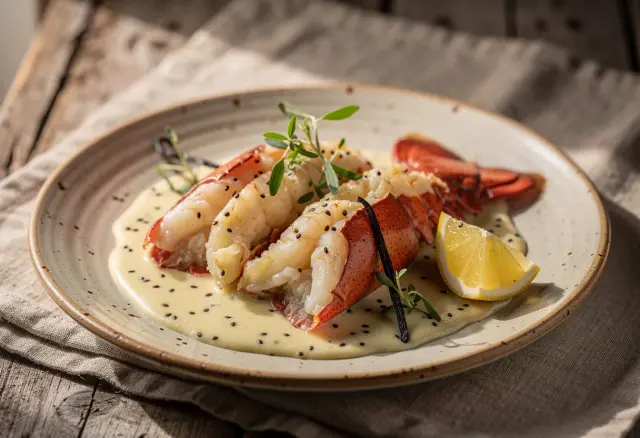
Langouste à la VanilleSpiny lobster gently cooked in a fragrant sauce of vanilla, cream, and lime, the Comoros on a plate.

Mkatra FoutraSoft coconut-scented griddle breads from the Comoros, torn and eaten with tea or curry.
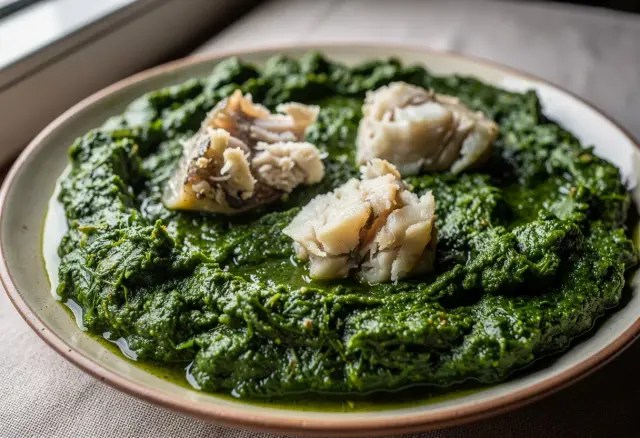
MatabaPounded cassava leaves slow-cooked in coconut milk with fish, a fragrant green stew that is Comoros' national dish.
Browse all Comoros recipes →
Good to know
You’ll need: Wok, Pot or saucepan.
Storing it: Keeps 2 to 3 days refrigerated. Resteam or warm through gently to serve.
Make it a Comoros meal
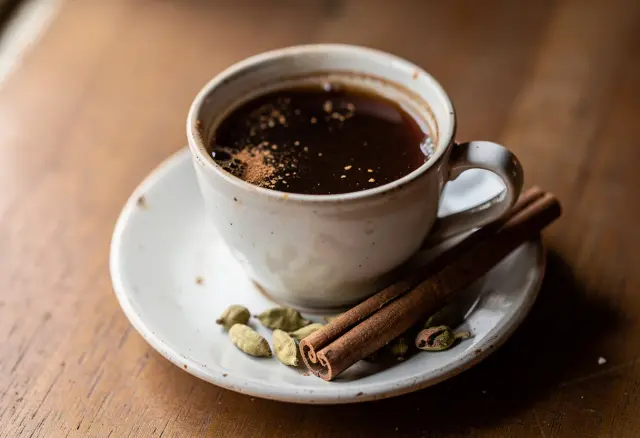
Café Épicé (Comorian Spiced Coffee)Drink
LaduDessert
Similar dishes from around the world

Kvashanaja Kapusta (Belarusian Sauerkraut with Carrot)Belarus
Amateke (Burundian Taro with Eggplant and Leeks)Burundi
Speca Turshi (Kosovar Pickled Peppers)Kosovo
Roșii Murate (Moldovan Fermented Pickled Tomatoes)Moldova
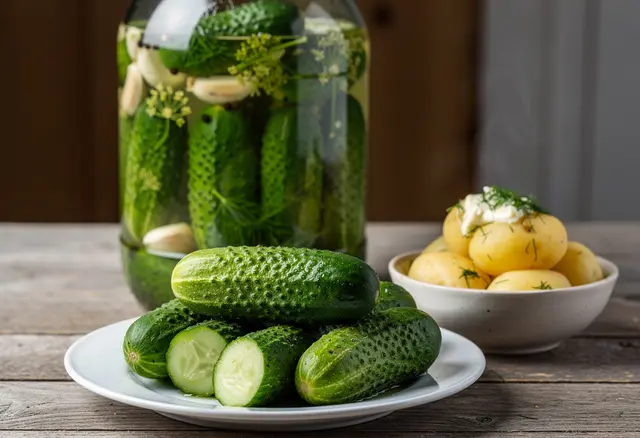
Malosolnye Ogurtsy (Russian Lightly Salted Dill Cucumbers)Russia
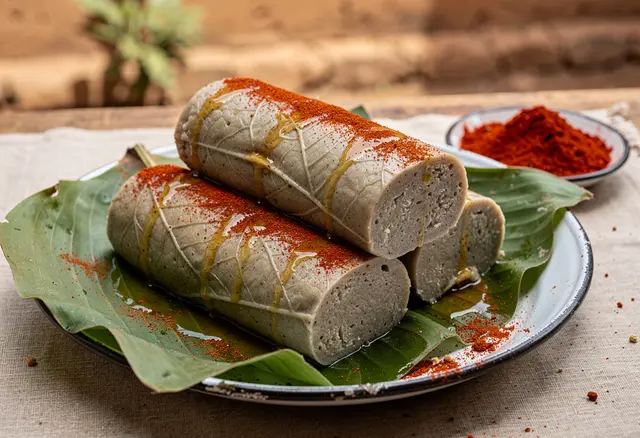
Gonré (Burkinabè Steamed Bean Cakes)Burkina Faso
Cuisine
Diet
Frequently asked questions
What is Achards de Légumes (Comorian Pickled Vegetables)?
Carrot, cabbage, green beans and peppers blanched crisp, then tossed in hot oil with garlic, ginger, turmeric, mustard seed and chili, sharpened with vinegar and left to steep.
Where does Achards de Légumes (Comorian Pickled Vegetables) come from?
Achards de Légumes (Comorian Pickled Vegetables) is a Comorian dish from Moroni, Comoros.
Can Achards de Légumes (Comorian Pickled Vegetables) be made vegan, gluten-free, or dairy-free?
This Achards de Légumes (Comorian Pickled Vegetables) recipe includes substitution suggestions for vegetarian, vegan, gluten-free, dairy-free, nut-free, egg-free, and pork-free versions. Treat the substitutions as a starting guide rather than a guarantee, and see the allergen note below.
Is Achards de Légumes (Comorian Pickled Vegetables) safe for people with food allergies?
Our dietary labels and substitutions are a cooking guide, not medical or allergen-safety advice. We track dairy, egg, gluten, tree nuts and peanuts (we still count coconut as a tree nut to be cautious, although the FDA stopped listing it as one in 2025), fish, and shellfish, but we do not screen for sesame, soy, mustard, celery, or sulphites. If you have a food allergy, always read the label on every product you use, and remember a home or commercial kitchen can cross-contaminate ingredients in ways a recipe cannot control.
How long does Achards de Légumes (Comorian Pickled Vegetables) take to make?
About 12 h 45 min in all: 30 minutes prep and 15 minutes cooking, plus 12 h of hands-off waiting the method needs, serving 10.
Get the Sunday Spin
One dish from somewhere in the world, in your inbox every Sunday. No spam, just dinner inspiration you can cook that day.