Africa → Burkina Faso → Ouagadougou

🥔 SIDE
Gonré (Burkinabè Steamed Bean Cakes)
Skinned black-eyed peas ground to a paste with potash, salt, oil and dried chili, beaten light, wrapped in leaves and steamed into soft cakes eaten with a pour of groundnut oil and chili.
Burkinabè · medium · serves 6
prep 40 min · cook 60 min · plus 30 min hands-off time
~413 cal · 20g protein · 50g carbs · 17g fat · 9g fiber · 6g sugars · 5g sat fat (estimated, per serving)
↓ Jump to Recipe
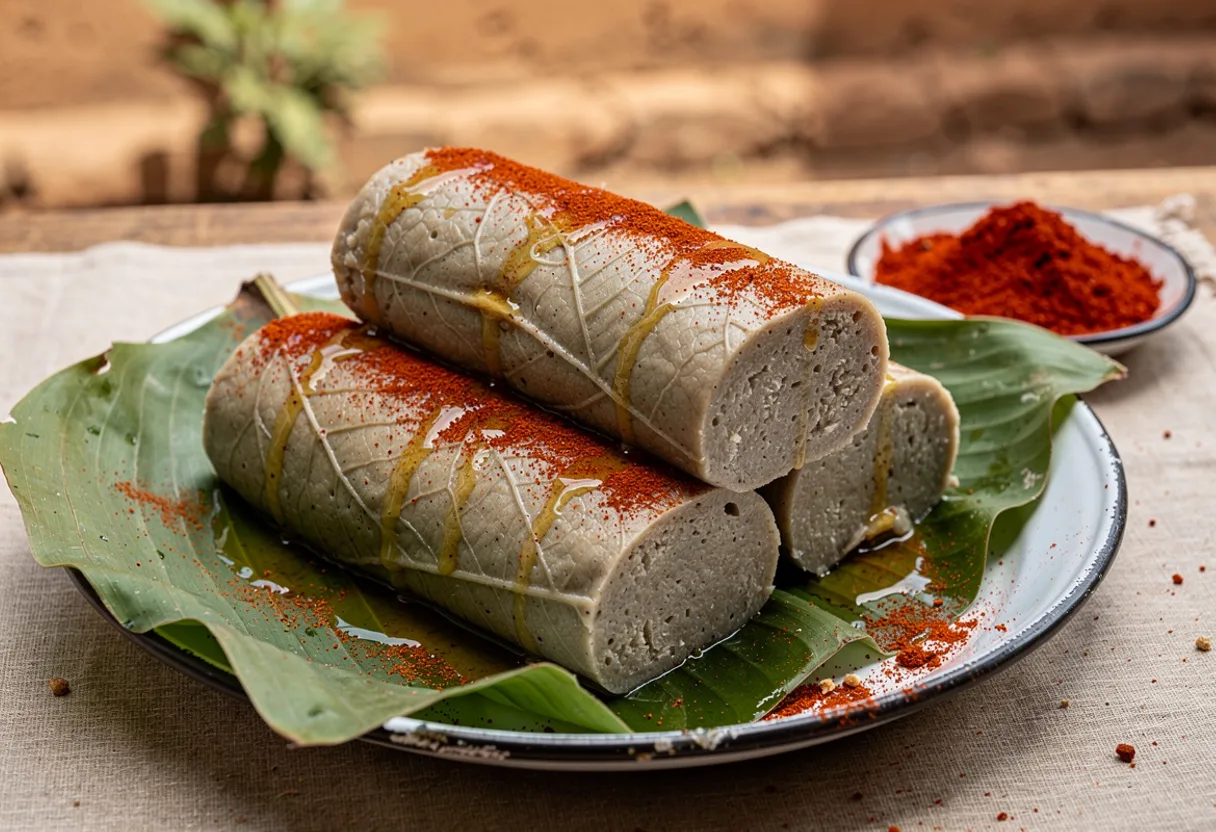
AI-generated illustration
Gonré is a Mooré word, and the dish belongs above all to the Mossi and Bissa peoples of Burkina Faso: a steamed cake of black-eyed pea paste that appears at family meals and ceremonies and is sold on urban streets, where it gives many women vendors their living. The recipe is passed from mother to daughter.
The beans are soaked and skinned, ground at the mill and mixed with oil or shea butter, salt, dried chili and a pinch of potash. The potash, a natural alkaline salt known as kanwa in Hausa, lightens the paste and makes the beans easier to digest. The paste is beaten hard by hand to get air into it, then shaped and wrapped in leaves and steamed in a couscoussier until firm.
In the rainy season cooks mix fresh bean or sorrel leaves into the paste, which gives it a rougher, greener texture. Gonré is eaten hot or warm, unwrapped and drizzled with groundnut oil and chili, or with onions fried in oil.
Saved recipes and passport stamps are kept on this device. Sign in to keep them across your devices and leave reviews.
Make it yours
✓ Naturally vegetarian, vegan and gluten-, dairy-, egg- and pork-free. No swaps needed.
Toggle a diet and the ingredients rewrite themselves with regional substitutes.
🥕 Vegetarian
🌱 Vegan
🌾 Gluten-Free
🥛 Dairy-Free
🥜 Nut-Free
🥚 Egg-Free
🐖 Pork-Free
Dietary labels are a cooking guide, not allergen-safety advice. We track dairy, egg, gluten, tree nuts and peanuts (we count coconut as a tree nut, following FDA labeling), fish, and shellfish; we do not screen for sesame, soy, mustard, celery, or sulphites. If you have a food allergy, read the label on every product you use, and note that a kitchen can cross-contaminate in ways a recipe cannot control.
Ingredients
US
Metric
Serves 6
- 500 g dried black-eyed peas
- a pinch potash (kanwa), dissolved in 1 tbsp waterHard to find? baking soda - Used by some cooks in its place; it lightens the paste in the same way, without the faint mineral taste of potash.
- 1 1/2 tsp salt
- 3 tbsp vegetable oil or melted shea butter
- 1 tsp dried chili powder, plus more to serve
- about 1/2 cup water, for grinding
- 6 pieces banana leaves or foil, for wrapping
- 4 tbsp groundnut (peanut) oil, to serve
Instructions
- 1Soak the black-eyed peas in plenty of water for at least 30 minutes, until the skins loosen. Rub them hard between your hands under the water, skim off the skins as they float up and drain the white beans. Repeat until nearly all the skins are gone.✎ Chef’s noteCrack the dry beans briefly in a blender first and the skins come off much faster.
- 2Grind the skinned beans to a very smooth, thick paste in a blender or food processor, adding only as much water as the machine needs.
- 3Stir in the dissolved potash, the salt, the oil and the chili powder, then beat the paste hard with a wooden spoon or your hand for about 5 minutes until it is lighter and slightly fluffy.
- 4Soften the banana leaves over a flame or in hot water. Spoon a portion of paste onto each, fold into a firm parcel and tie or tuck the ends under.
- 5Steam the parcels in a couscoussier or on a rack over boiling water, covered, for 45 to 60 minutes, topping up the water as needed, until the cakes are firm and a knife comes out clean.
- 6Unwrap and serve hot or warm, drizzled with groundnut oil and sprinkled with chili powder.
Mossi and Bissa home tradition, Burkina Faso.
Ratings & reviews
Cooked it? Rate this dish:
No account needed. Sign in to leave a full review with a comment.
Cooked it?
Kept on this device, no account needed. Sign in to leave a review and keep your passport across your devices.
No reviews yet, be the first to cook it.
🌏 While it simmers, know your destination
📍
Ouagadougou. Riz gras belongs to the same family as jollof and Senegalese ceebu jen, and Benin, Ivory Coast, Togo and Guinea all make their own, so it is not Burkinabe alone. In the city it is celebration food, cooked in a wide pot for a crowd rather than for a single household.
🗺️
Burkina Faso. Riz gras is not Burkina Faso's alone. It sits in the same family as jollof and Senegalese ceebu jen and is eaten across Benin, Ivory Coast, Togo and Guinea, rice cooked in a tomato and oil base until it takes the colour. What is distinctly Burkinabe is zoom koom, the millet-flour welcome drink with ginger and tamarind, offered to a visitor before anything else.
🌍
Africa. The structure repeats across most of the continent: one starch and one sauce. A grain or root is cooked stiff, torn or rolled by hand, and used to carry a stew of leaves, groundnut, okra or fish, usually from a shared bowl and with the right hand. UNESCO listings have followed that logic, inscribing couscous in 2020 as a shared Maghreb tradition and Ivorian attieke in 2024.
The story behind this dish is up top, worth a read while the pot works.
More from Burkina Faso

Riz GrasBurkina Faso's "fat rice": rice simmered in a rich tomato-and-meat broth until every grain is stained red.

MassaLittle fermented millet fritters, crisp and tangy, sold hot with a spicy or sweet topping in Burkina Faso.
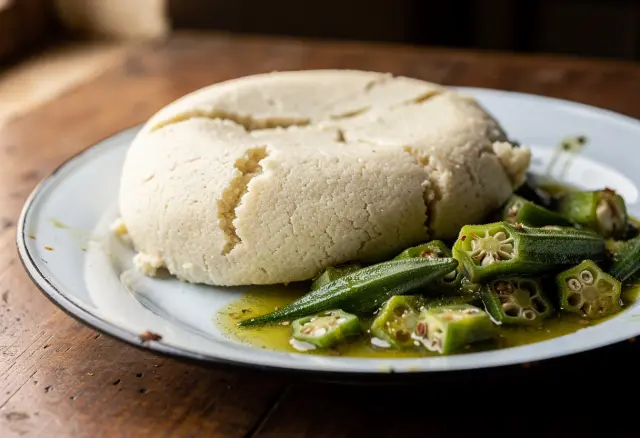
Tô with Okra SauceA smooth, firm millet paste eaten with a slippery okra and tomato sauce, the daily staple lunch of Burkina Faso.
Browse all Burkina Faso recipes →
Good to know
You’ll need: Steamer, Blender, Food processor.
Storing it: Keeps 2 to 3 days refrigerated. Resteam or warm through gently to serve.
Make it a Burkina Faso meal

Zoom KoomDrink
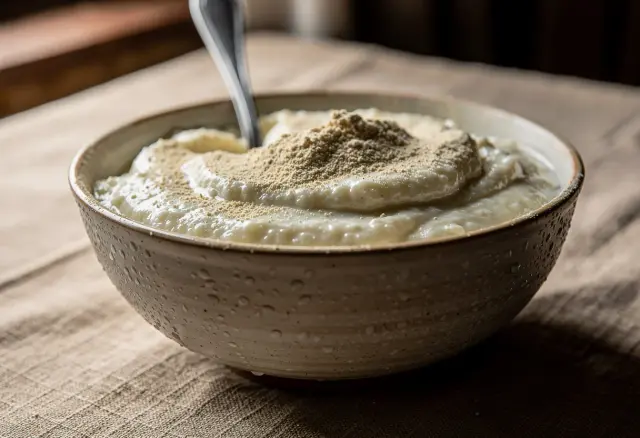
Gapal (Millet and Milk Dessert)Dessert
Similar dishes from around the world
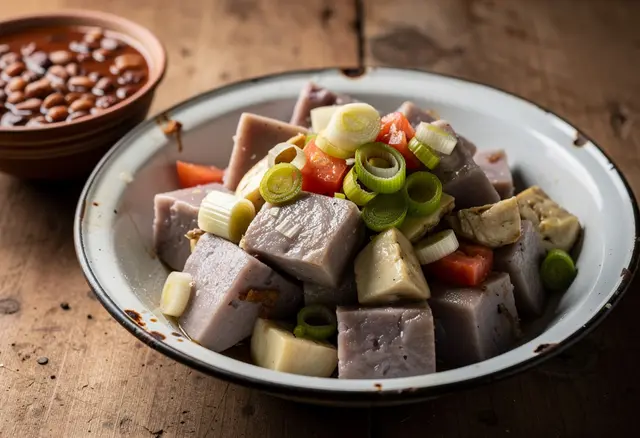
Amateke (Burundian Taro with Eggplant and Leeks)Burundi

Fonio Vapeur (Guinean Steamed Fonio)Guinea

Kvashanaja Kapusta (Belarusian Sauerkraut with Carrot)Belarus

Achards de Légumes (Comorian Pickled Vegetables)Comoros
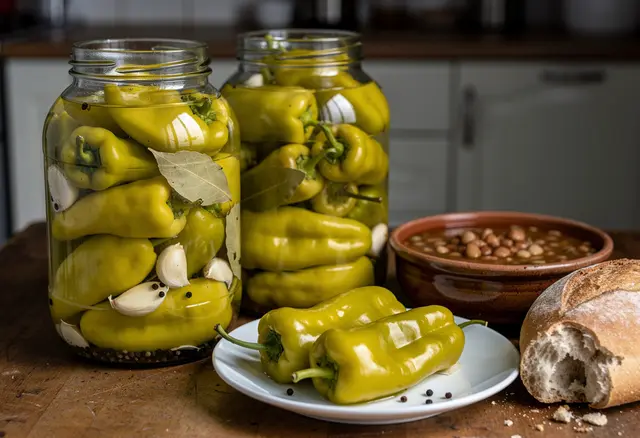
Speca Turshi (Kosovar Pickled Peppers)Kosovo
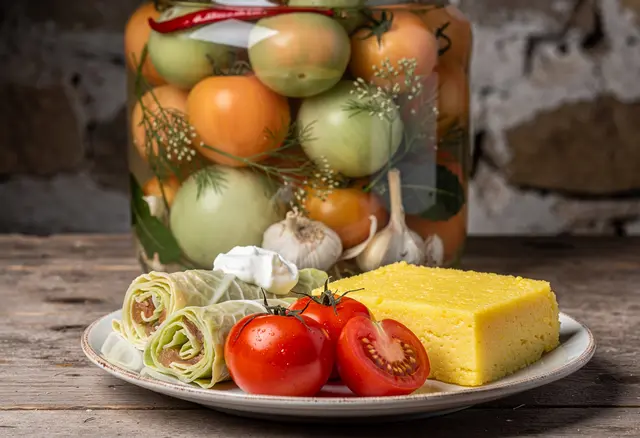
Roșii Murate (Moldovan Fermented Pickled Tomatoes)Moldova
Cuisine
Diet
Frequently asked questions
What is Gonré (Burkinabè Steamed Bean Cakes)?
Skinned black-eyed peas ground to a paste with potash, salt, oil and dried chili, beaten light, wrapped in leaves and steamed into soft cakes eaten with a pour of groundnut oil and chili.
Where does Gonré (Burkinabè Steamed Bean Cakes) come from?
Gonré (Burkinabè Steamed Bean Cakes) is a Burkinabè dish from Ouagadougou, Burkina Faso.
Can Gonré (Burkinabè Steamed Bean Cakes) be made vegan, gluten-free, or dairy-free?
This Gonré (Burkinabè Steamed Bean Cakes) recipe includes substitution suggestions for vegetarian, vegan, gluten-free, dairy-free, nut-free, egg-free, and pork-free versions. Treat the substitutions as a starting guide rather than a guarantee, and see the allergen note below.
Is Gonré (Burkinabè Steamed Bean Cakes) safe for people with food allergies?
Our dietary labels and substitutions are a cooking guide, not medical or allergen-safety advice. We track dairy, egg, gluten, tree nuts and peanuts (we still count coconut as a tree nut to be cautious, although the FDA stopped listing it as one in 2025), fish, and shellfish, but we do not screen for sesame, soy, mustard, celery, or sulphites. If you have a food allergy, always read the label on every product you use, and remember a home or commercial kitchen can cross-contaminate ingredients in ways a recipe cannot control.
How long does Gonré (Burkinabè Steamed Bean Cakes) take to make?
About 2 h 10 min in all: 40 minutes prep and 60 minutes cooking, plus 30 min of hands-off waiting the method needs, serving 6.
Get the Sunday Spin
One dish from somewhere in the world, in your inbox every Sunday. No spam, just dinner inspiration you can cook that day.