
🥤 DRINK
Socată (Romanian Fermented Elderflower Drink)
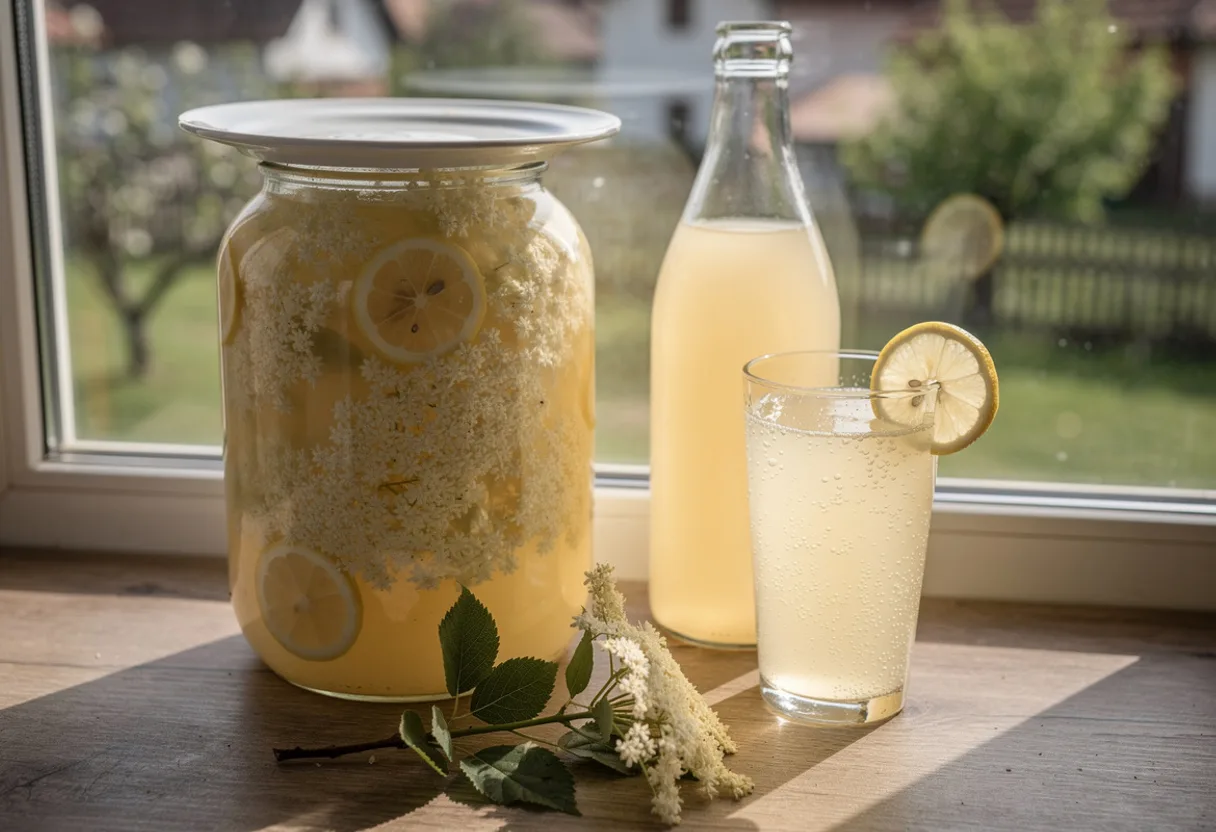
Elderflowers, lemon and sugar left in a jar in the sun for a few days to ferment into a lightly sparkling, floral summer drink.
Romanian · easy · serves 12
prep 20 min · cook 0 min · plus 2 days hands-off time
~104 cal · 0g protein · 27g carbs · 0g fat · 1g fiber · 26g sugars · 0g sat fat (estimated, per serving)
↓ Jump to Recipe
AI-generated illustration
Socată is the traditional Romanian summer drink made from the flowers of the elder, Sambucus nigra, called soc in Romanian. When the bushes bloom in late spring, the flat creamy flower heads are picked and set to in a big glass jar with water, sugar or honey and lemon, and a few days later the family has a pale, fragrant drink with a natural sparkle.
Unlike a steeped elderflower cordial, socată is a living . No yeast is added: the wild yeasts on the flowers do the work, helped in some houses by a few raisins, while the jar sits in the sun for two to four days. Drunk young it is sweet and only very slightly alcoholic; left longer in the bottle it keeps fermenting, growing fizzier and stronger.
Elderflowers also had a place in Romanian folk medicine, taken for colds and to cleanse the body. The drink is loved across southeastern Europe under different names, and it was popular enough that a commercial elderflower soda based on it went on sale in Romania and far beyond.
Saved recipes and passport stamps are kept on this device. Sign in to keep them across your devices and leave reviews.
Make it yours
✓ Naturally vegetarian, vegan and gluten-, dairy-, egg-, nut- and pork-free. No swaps needed.
Toggle a diet and the ingredients rewrite themselves with regional substitutes.
🥕 Vegetarian
🌱 Vegan
🌾 Gluten-Free
🥛 Dairy-Free
🥜 Nut-Free
🥚 Egg-Free
🐖 Pork-Free
Dietary labels are a cooking guide, not allergen-safety advice. We track dairy, egg, gluten, tree nuts and peanuts (we count coconut as a tree nut, following FDA labeling), fish, and shellfish; we do not screen for sesame, soy, mustard, celery, or sulphites. If you have a food allergy, read the label on every product you use, and note that a kitchen can cross-contaminate in ways a recipe cannot control.
Ingredients
US
Metric
Serves 12
- 10 large elderflower heads, freshly picked
- 300 g sugar
- 4 lemons
- 3 l water
- 1 tsp raisins (optional), help the fermentation start
Instructions
- 1Shake the elderflowers well to dislodge any insects and snip off the thick green stalks. Do not wash them, or you rinse away the wild yeasts and the scent.✎ Chef’s notePick fully open heads on a dry day, away from roads. Use only creamy white elder (Sambucus nigra); other white umbrella-shaped flowers can be poisonous.
- 2In a large glass jar of about 4 litres, stir the sugar with the juice of 2 lemons and 1 litre of the water until the sugar dissolves.
- 3Slice the other 2 lemons and add them with the flowers and the raisins, if using, then top up with the rest of the water, leaving some room at the top.
- 4Rest a plate loosely on the jar, never an airtight lid, and leave it in a sunny spot for 2 to 4 days, stirring once a day with a wooden spoon, until the drink is lightly sour and full of fine bubbles.✎ Chef’s noteIn warm weather it can be ready in two days; in cool weather it takes longer. The flowers sinking is a good sign it is ready.
- 5Strain through a cloth into clean bottles, seal and refrigerate. Drink cold within 3 or 4 days.✎ Chef’s noteThe socată keeps fermenting in the bottle and builds pressure, so open the bottles carefully and do not keep it much longer.
Romanian summer home tradition.
Ratings & reviews
Cooked it? Rate this dish:
No account needed. Sign in to leave a full review with a comment.
Cooked it?
Kept on this device, no account needed. Sign in to leave a review and keep your passport across your devices.
No reviews yet, be the first to cook it.
🌏 While it simmers, know your destination
📍
Transylvania. Mamaliga is younger than it feels. Maize only reached these mountains after the Atlantic crossings, and the porridge that replaced an older millet mush became so ordinary that it still stands in for bread, cut with a thread rather than a knife and eaten with sour cream and salty telemea.
🗺️
Romania. The sourness in a ciorba comes from bors, wheat bran left to ferment into a sharp liquid that is stirred in at the end, and it is what separates a ciorba from an ordinary soup. Mititei, skinless grilled meat rolls squeezed from a nozzle and eaten with mustard, are the distinctively Romanian item on any grill.
🌍
Europe. Europe has written a great deal of its food into law. A regulation of 1992 created the protected designation of origin and the protected geographical indication, tying a name to a place and a method, and an EU evaluation published in 2021 counted more than three thousand registered names across those schemes, from cheeses and hams down to particular shapes of bread.
The story behind this dish is up top, worth a read while the pot works.
More from Romania

Mămăligă cu Brânză și SmântânăGolden polenta layered with salty sheep’s cheese and cool sour cream, Carpathian shepherd food, unchanged for centuries.
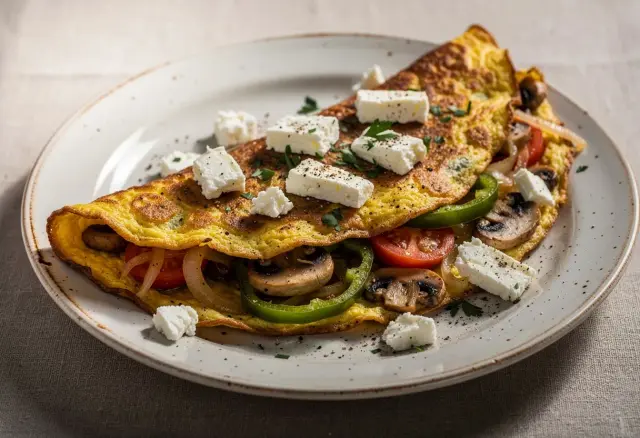
Omletă ȚărăneascăA rustic Romanian peasant omelette with tomato, pepper, onion, and salty telemea cheese.
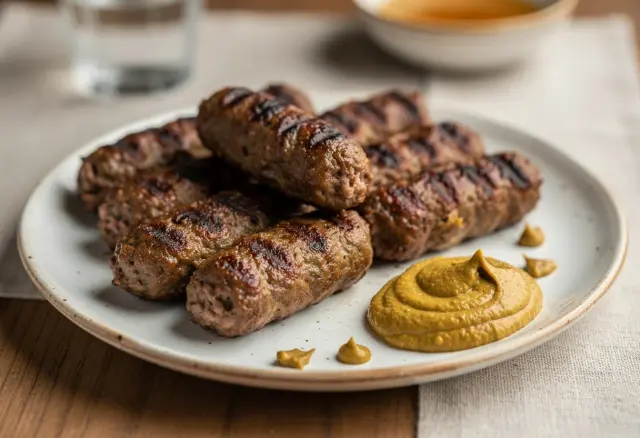
MiciSkinless grilled minced-meat rolls seasoned with garlic and spice, Romania's smoky, garlicky barbecue staple.
Browse all Romania recipes →
Good to know
Storing it: Keep chilled and covered, and enjoy within 2 to 3 days.
Make it a Romania meal
Mămăligă cu Brânză și SmântânăDinner
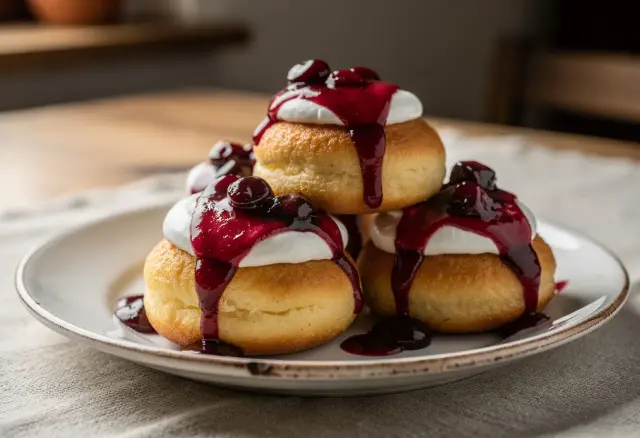
PapanașiDessert
Similar dishes from around the world
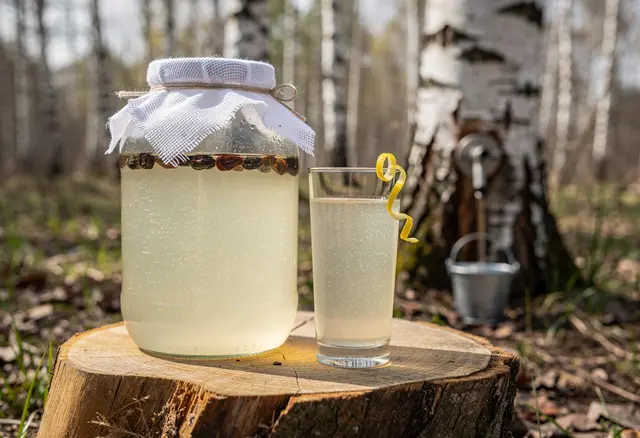
Biarozavik (Belarusian Fermented Birch Sap)Belarus
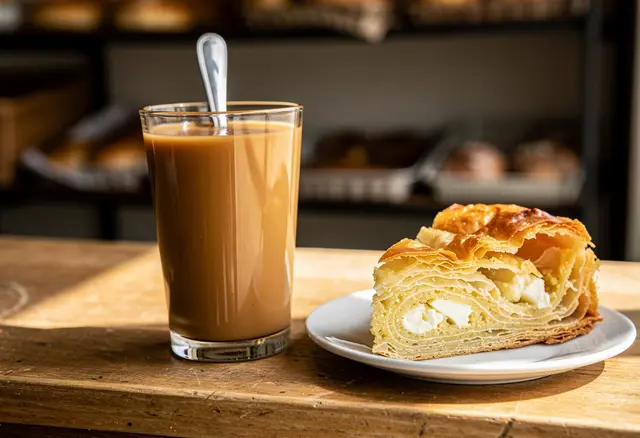
Boza (Bulgarian Millet Boza)Bulgaria
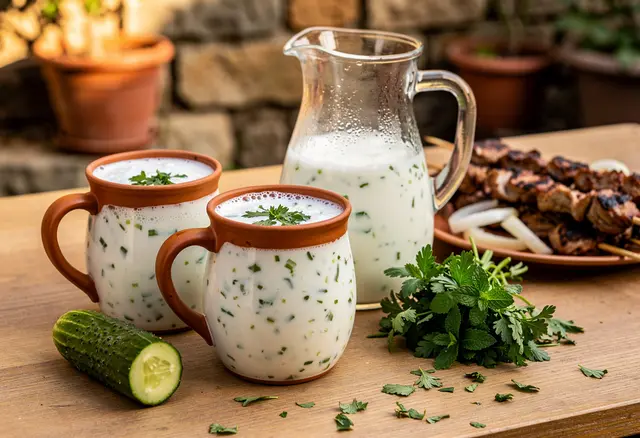
Tan (Armenian Herbed Yogurt Drink)Armenia
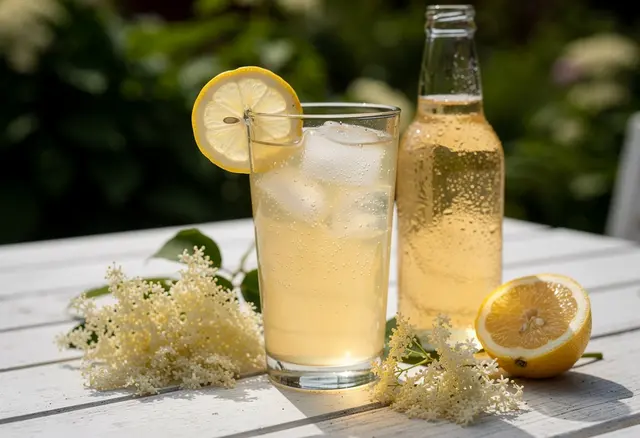
Hyldeblomstsaft (Danish Elderflower Cordial)Denmark
Sima (Finnish May Day Lemon Mead)Finland
Fröccs (Hungarian Wine Spritzer)Hungary
Drinks
Frequently asked questions
What is Socată (Romanian Fermented Elderflower Drink)?
Elderflowers, lemon and sugar left in a jar in the sun for a few days to ferment into a lightly sparkling, floral summer drink.
Where does Socată (Romanian Fermented Elderflower Drink) come from?
Socată (Romanian Fermented Elderflower Drink) is a Romanian dish from Transylvania, Romania.
Can Socată (Romanian Fermented Elderflower Drink) be made vegan, gluten-free, or dairy-free?
This Socată (Romanian Fermented Elderflower Drink) recipe includes substitution suggestions for vegetarian, vegan, gluten-free, dairy-free, nut-free, egg-free, and pork-free versions. Treat the substitutions as a starting guide rather than a guarantee, and see the allergen note below.
Is Socată (Romanian Fermented Elderflower Drink) safe for people with food allergies?
Our dietary labels and substitutions are a cooking guide, not medical or allergen-safety advice. We track dairy, egg, gluten, tree nuts and peanuts (we still count coconut as a tree nut to be cautious, although the FDA stopped listing it as one in 2025), fish, and shellfish, but we do not screen for sesame, soy, mustard, celery, or sulphites. If you have a food allergy, always read the label on every product you use, and remember a home or commercial kitchen can cross-contaminate ingredients in ways a recipe cannot control.
How long does Socată (Romanian Fermented Elderflower Drink) take to make?
About 2 days in all: 20 minutes prep and 0 minutes cooking, plus 2 days of hands-off waiting the method needs, serving 12.
Get the Sunday Spin
One dish from somewhere in the world, in your inbox every Sunday. No spam, just dinner inspiration you can cook that day.