Europe → United Kingdom → Scotland (Moray Coast)

🍢 SNACK
Scottish Shortbread (Petticoat Tails)
Pale, crumbly shortbread of one part sugar, two parts butter and three parts flour, pressed into a round, cut into petticoat-tail wedges and baked slowly, for tea and Hogmanay.
Scottish · easy · serves 8
prep 15 min · cook 45 min · plus 30 min hands-off time
~364 cal · 4g protein · 41g carbs · 21g fat · 1g fiber · 13g sugars · 13g sat fat (estimated, per serving)
↓ Jump to Recipe
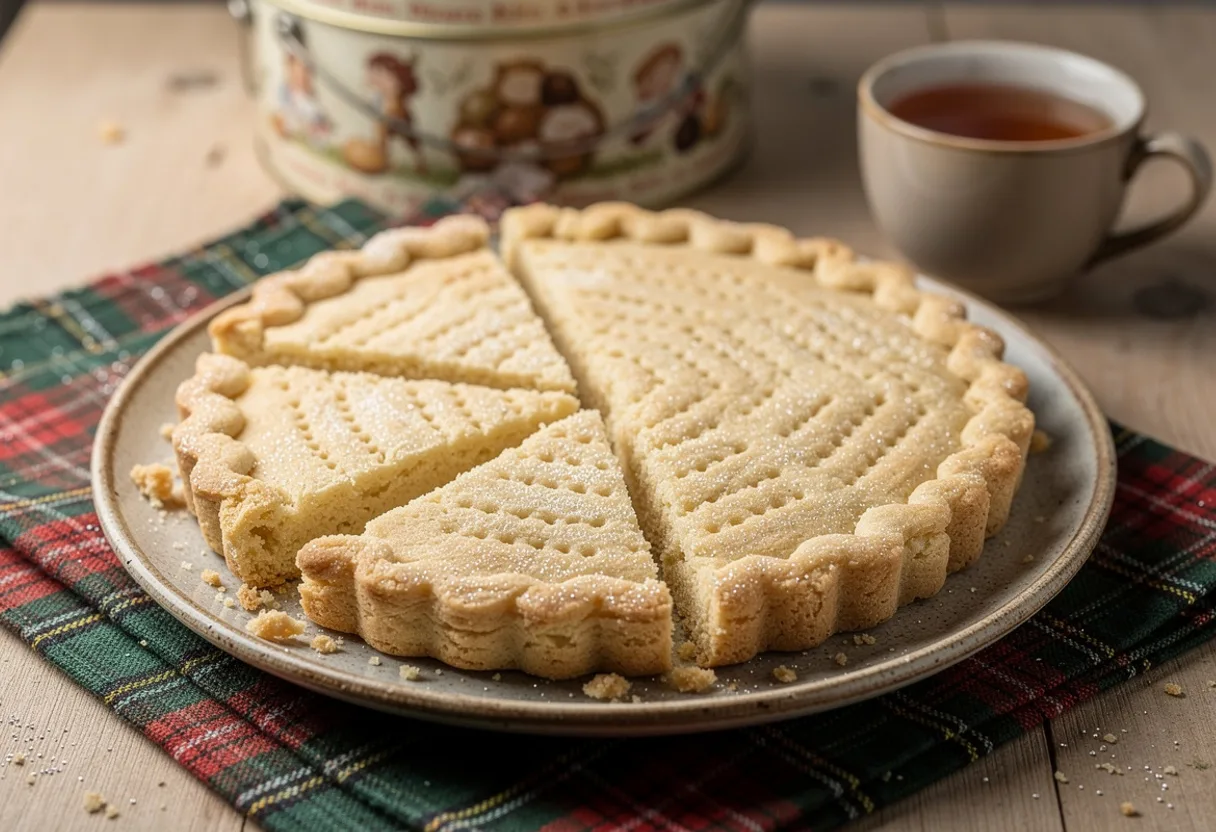
AI-generated illustration
Shortbread is Scotland's famous biscuit, made from only three ingredients in a proportion every Scottish baker knows by heart: one part sugar, two parts butter and three parts flour, with no eggs and no raising agent. Many recipes swap a little of the flour for rice flour or , which gives the characteristic sandy crunch. It is baked slowly so it stays pale and tender, and dusted with sugar while warm.
It comes in three classic shapes: fingers, individual rounds, and petticoat tails, a large round cut into wedges whose scalloped edge is said to resemble the hem of a petticoat. That shape is traditionally linked to Mary, Queen of Scots, though historians say the evidence for her connection is thin.
Butter was once a luxury, so shortbread was kept for special occasions: Christmas, weddings and Hogmanay, the Scottish New Year; a piece was even broken over a bride's head as she entered her new home. Today it is served with a cup of tea all year round and keeps for weeks in a tin.
Saved recipes and passport stamps are kept on this device. Sign in to keep them across your devices and leave reviews.
Make it yours
✓ Naturally vegetarian and egg-, nut- and pork-free. No swaps needed.
Toggle a diet and the ingredients rewrite themselves with regional substitutes.
🥕 Vegetarian
🌱 Vegan
🌾 Gluten-Free
🥛 Dairy-Free
🥜 Nut-Free
🥚 Egg-Free
🐖 Pork-Free
Dietary labels are a cooking guide, not allergen-safety advice. We track dairy, egg, gluten, tree nuts and peanuts (we count coconut as a tree nut, following FDA labeling), fish, and shellfish; we do not screen for sesame, soy, mustard, celery, or sulphites. If you have a food allergy, read the label on every product you use, and note that a kitchen can cross-contaminate in ways a recipe cannot control.
Ingredients
US
Metric
Serves 8
- 200 g butter, soft, good salted or unsalted butter; it is most of the flavour
- 100 g caster sugar, plus extra for dusting
- 250 g plain flour
- 50 g rice flour, or fine semolina, or more plain flour
- a pinch salt, if the butter is unsalted
Instructions
- 1Beat the butter and sugar together with a wooden spoon until just combined. Do not cream them until fluffy.
- 2Sift in the flour, rice flour and salt and work it in with the spoon, then your hands, until it just comes together into a dough.✎ Chef’s noteHandle it as little as possible and keep it cool; overworking makes shortbread tough instead of short.
- 3Press the dough evenly into a 20 cm round tin lined with baking paper, or shape a round on a lined tray. Crimp the edge with your thumb and forefinger, mark it into 8 wedges with a knife and prick all over with a fork. Chill for 30 minutes.
- 4Heat the oven to 160°C. Bake for 40 to 45 minutes, until firm and a very pale gold. It should not brown.
- 5Dust with caster sugar straight away, cut through the marked wedges while warm and leave to cool completely in the tin. Keeps for weeks in an airtight tin.
Scottish tradition.
Ratings & reviews
Cooked it? Rate this dish:
No account needed. Sign in to leave a full review with a comment.
Cooked it?
Kept on this device, no account needed. Sign in to leave a review and keep your passport across your devices.
No reviews yet, be the first to cook it.
🌏 While it simmers, know your destination
📍
Scotland (Moray Coast). Two Moray dishes are named after villages. Finnan haddie is cold-smoked haddock named for Findon along the coast, and cullen skink, the thick soup of smoked haddock, potato and onion, takes its name from the town of Cullen, skink being an old Scots word for a shin and for the soup made from one.
🗺️
United Kingdom. Fish and chips is a Victorian industrial invention rather than an old one. Battered fried fish came with Sephardic Jews expelled from Iberia, chips arrived separately, and who first sold them together is disputed between Joseph Malin in east London around 1860 and John Lees at Mossley market in Lancashire around 1863. Steam trawlers, ice and railways made it cheap enough to feed mill towns.
🌍
Europe. European cooking is built on the land and the seasons, wheat, butter, and cured pork in the north; olive oil, tomatoes, and seafood around the Mediterranean; preserved vegetables and hearty stews through long winters. Centuries of peasant tradition, guild craft, and royal courts refined techniques from French mother sauces to Italian fresh pasta and Central European baking. Regional identity runs remarkably deep, with a single dish often changing from one valley to the next.
The story behind this dish is up top, worth a read while the pot works.
More from United Kingdom
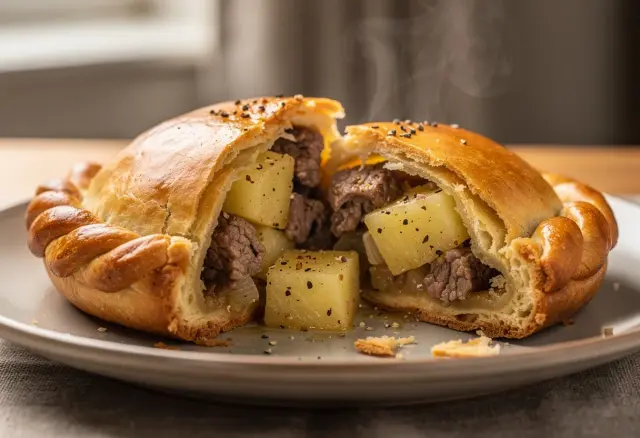
Cornish PastyA crimped shortcrust parcel of beef, potato, swede, and onion, built to survive a miner’s pocket.
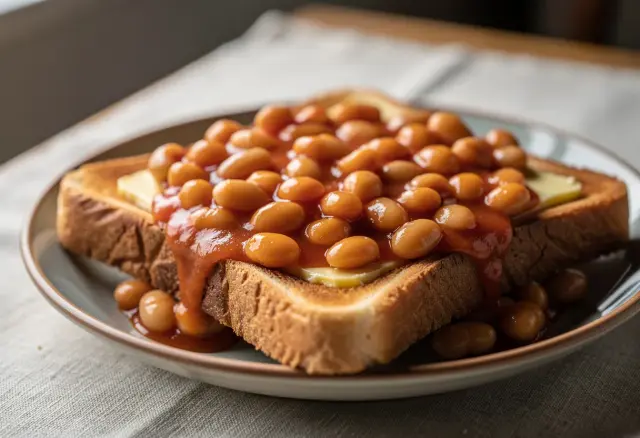
Beans on ToastSaucy baked beans piled onto hot buttered toast, the humble British comfort breakfast.
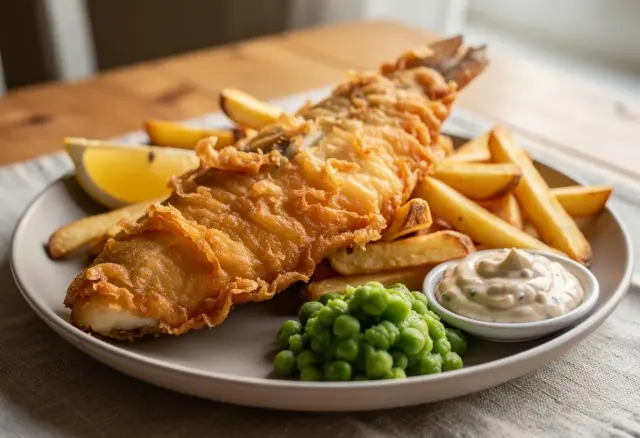
Fish and ChipsCrisp beer-battered white fish with thick-cut chips, salt, and vinegar, Britain's definitive seaside meal.
Browse all United Kingdom recipes →
Good to know
You’ll need: Oven, Mould or tin.
Storing it: Keeps 3 to 4 days refrigerated and reheats covered in the oven. Most bakes can be assembled a day ahead and baked when needed.
Make it a United Kingdom meal
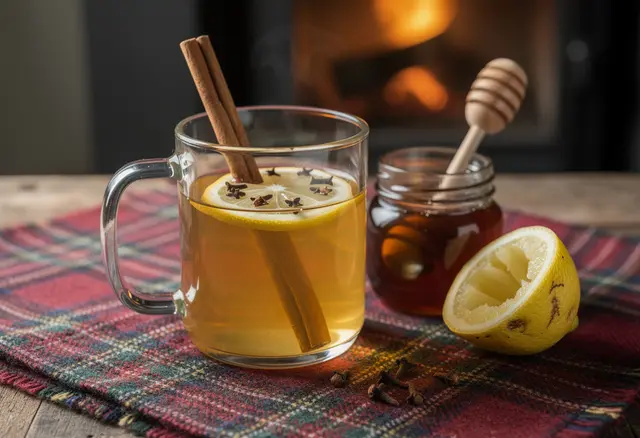
Hot ToddyDrink
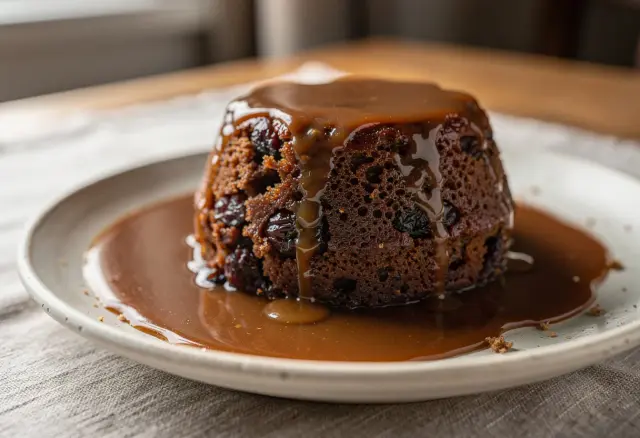
Sticky Toffee PuddingDessert
Similar dishes from around the world
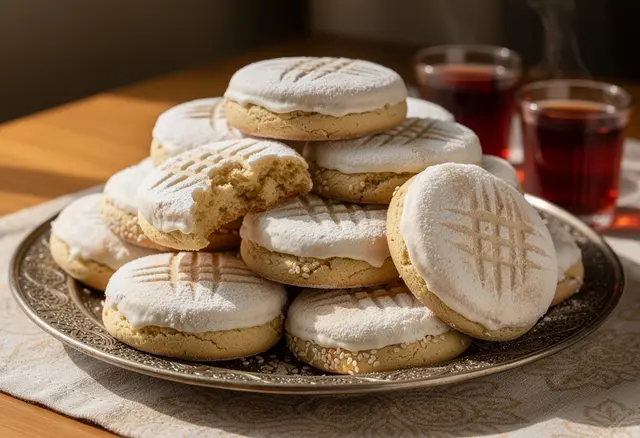
Ka'ak (Sudanese Eid Butter Biscuits)Sudan
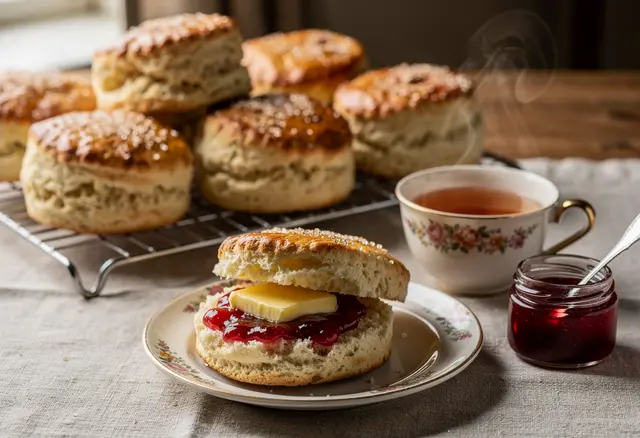
Irish SconesIreland
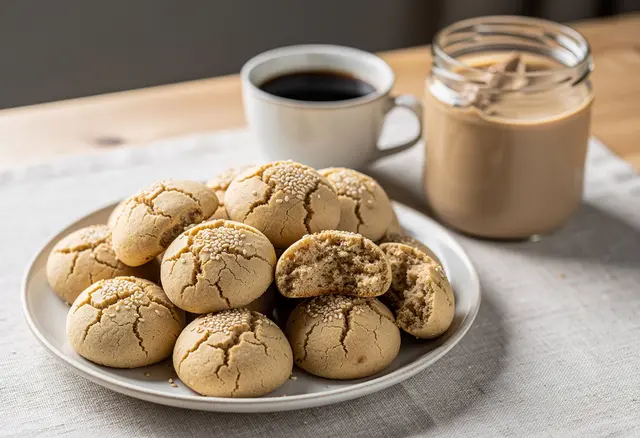
Ugiyot Tahini (Israeli Tahini Cookies)Israel

Kaak Malih (Libyan Savoury Cookie Rings)Libya
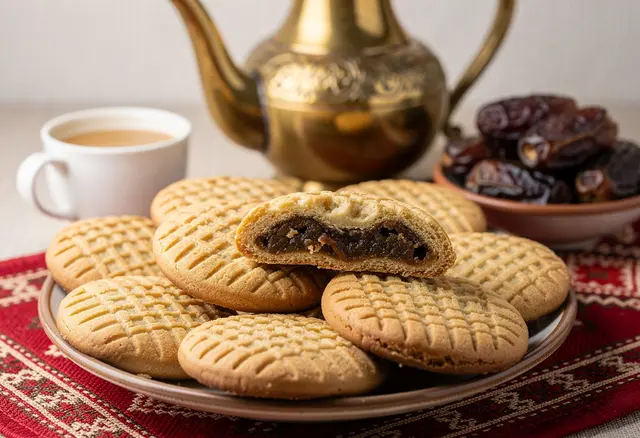
Kleija (Qassim Date-Filled Cookies)Saudi Arabia
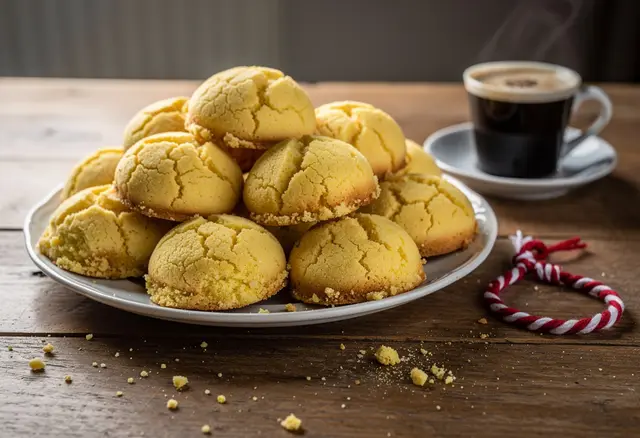
Ballokume (Albanian Cornmeal Cookies from Elbasan)Albania
Cuisine
Diet
Frequently asked questions
What is Scottish Shortbread (Petticoat Tails)?
Pale, crumbly shortbread of one part sugar, two parts butter and three parts flour, pressed into a round, cut into petticoat-tail wedges and baked slowly, for tea and Hogmanay.
Where does Scottish Shortbread (Petticoat Tails) come from?
Scottish Shortbread (Petticoat Tails) is a Scottish dish from Scotland (Moray Coast), United Kingdom.
Can Scottish Shortbread (Petticoat Tails) be made vegan, gluten-free, or dairy-free?
This Scottish Shortbread (Petticoat Tails) recipe includes substitution suggestions for vegetarian, vegan, gluten-free, dairy-free, nut-free, egg-free, and pork-free versions. Treat the substitutions as a starting guide rather than a guarantee, and see the allergen note below.
Is Scottish Shortbread (Petticoat Tails) safe for people with food allergies?
Our dietary labels and substitutions are a cooking guide, not medical or allergen-safety advice. We track dairy, egg, gluten, tree nuts and peanuts (we still count coconut as a tree nut to be cautious, although the FDA stopped listing it as one in 2025), fish, and shellfish, but we do not screen for sesame, soy, mustard, celery, or sulphites. If you have a food allergy, always read the label on every product you use, and remember a home or commercial kitchen can cross-contaminate ingredients in ways a recipe cannot control.
How long does Scottish Shortbread (Petticoat Tails) take to make?
About 1 h 30 min in all: 15 minutes prep and 45 minutes cooking, plus 30 min of hands-off waiting the method needs, serving 8.
Get the Sunday Spin
One dish from somewhere in the world, in your inbox every Sunday. No spam, just dinner inspiration you can cook that day.