
🍢 SNACK
Ugiyot Tahini (Israeli Tahini Cookies)
Crumbly, shortbread-like cookies of butter, sugar, flour and a generous cup of raw tahini, scented with vanilla or cardamom and baked until just golden at the edges.
Israeli · easy · serves 12
prep 15 min · cook 18 min
~418 cal · 6g protein · 41g carbs · 27g fat · 3g fiber · 17g sugars · 11g sat fat (estimated, per serving)
↓ Jump to Recipe
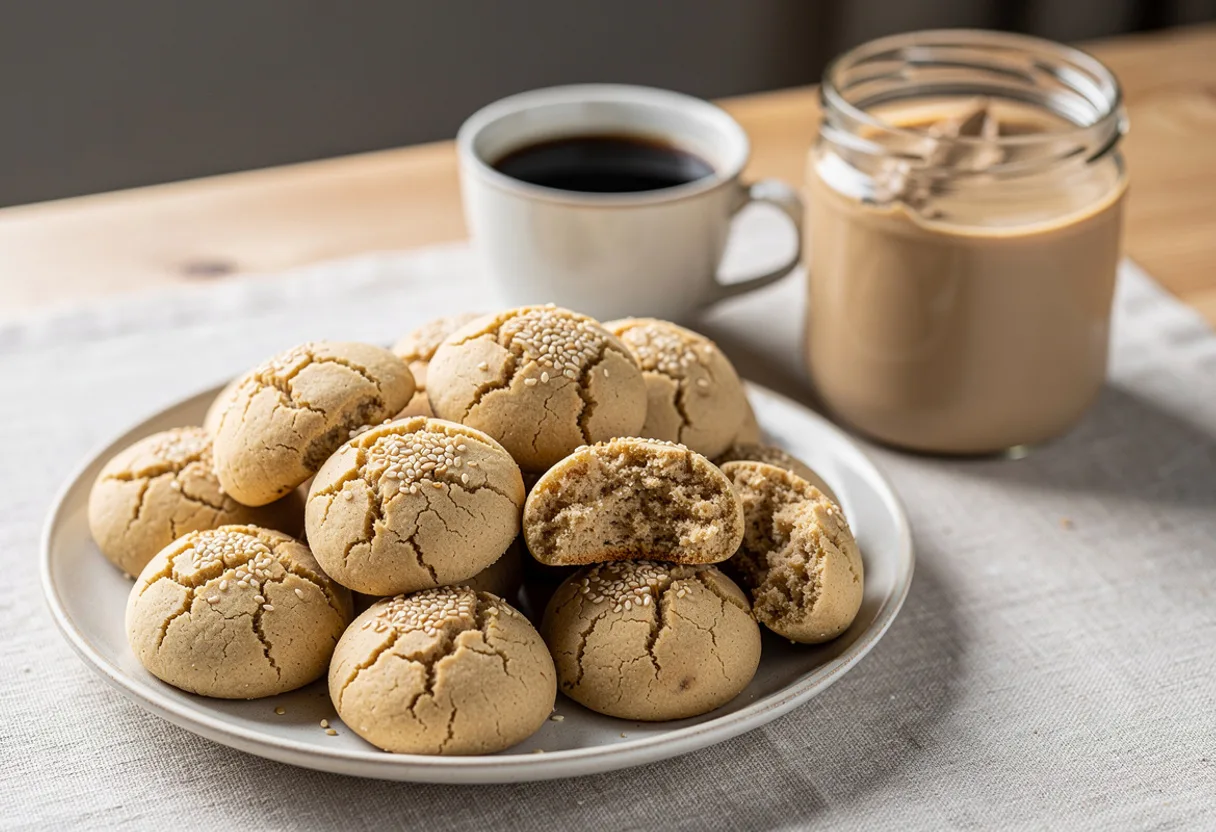
AI-generated illustration
cookies, ugiyot , are one of the simplest and best-loved sweet bites of Israeli home baking, the kind of cookie kept in a tin for whenever someone drops by. They are made from just four staples, flour, sugar, butter and , the sesame paste that Israelis otherwise pour over almost everything savoury.
The result is closer to shortbread than to a chewy cookie: crumbly, buttery and rich with the earthy, slightly bitter taste of sesame. Traditionally the flour, sugar and butter are rubbed together first and then the raw is worked in; many cooks press an almond or a pine nut into the top of each one. , cinnamon, rose or , and date or grape molasses are all common additions.
They appear through the year and at holidays such as Purim and Independence Day. Israeli cooks advise using a good, runny Middle Eastern , since some taste bitter.
Saved recipes and passport stamps are kept on this device. Sign in to keep them across your devices and leave reviews.
Make it yours
✓ Naturally vegetarian and nut-, egg- and pork-free. No swaps needed.
Toggle a diet and the ingredients rewrite themselves with regional substitutes.
🥕 Vegetarian
🌱 Vegan
🌾 Gluten-Free
🥛 Dairy-Free
🥜 Nut-Free
🥚 Egg-Free
🐖 Pork-Free
Dietary labels are a cooking guide, not allergen-safety advice. We track dairy, egg, gluten, tree nuts and peanuts (we count coconut as a tree nut, following FDA labeling), fish, and shellfish; we do not screen for sesame, soy, mustard, celery, or sulphites. If you have a food allergy, read the label on every product you use, and note that a kitchen can cross-contaminate in ways a recipe cannot control.
Ingredients
US
Metric
Serves 12
- 225 g (2 sticks) unsalted butter, softened
- 1 cup (200 g) sugar
- 1 cup (240 g) raw (sesame paste), well stirred
- 2 tsp vanilla extract, or 1 tsp ground cardamom
- 2 1/2 cups (315 g) all-purpose flour
- 2 1/2 tsp baking powder
- 1 tbsp toasted sesame seeds, for the tops, optional
Instructions
- 1Heat the oven to 175 C and line two baking sheets with baking paper.
- 2Beat the butter and sugar together until pale and creamy. Add the tahini and vanilla and mix until fully combined.
- 3Whisk the flour and baking powder together in another bowl, then add them to the tahini mixture and mix just until a soft dough forms.
- 4Roll tablespoons of dough into balls, set them 3 cm apart on the sheets and flatten each one slightly with the back of a spoon or a fork. Sprinkle with sesame seeds if you like.
- 5Bake for 15 to 18 minutes, until the cookies are pale golden and just browning at the edges. Let them firm up on the sheet for 5 minutes, then move them to a rack to cool.✎ Chef’s noteThey are very soft when hot and crisp up as they cool. Kept in a tin they last about a week.
Israeli home and bakery tradition.
Ratings & reviews
Cooked it? Rate this dish:
No account needed. Sign in to leave a full review with a comment.
Cooked it?
Kept on this device, no account needed. Sign in to leave a review and keep your passport across your devices.
No reviews yet, be the first to cook it.
🌏 While it simmers, know your destination
📍
Tel Aviv. Shakshuka is North African, from the Maghreb, and it came to Israel with Libyan and Tunisian Jewish families in the 1950s and 1960s before becoming widely popular only from the 1990s. Hummus and falafel carry the same argument, so what a city can honestly claim is how it eats them, not who first made them.
🗺️
Israel. What is distinctive is the range of kitchens in one small place. Yemenite, Moroccan, Iraqi, Persian, Ethiopian, Polish and Russian cooking arrived within a few decades of each other and are still identifiable, which is why a market stall may sell jachnun, malawach, kubbeh soup and gefilte fish within a few metres. The chopped salad of tomato and cucumber, dressed only with lemon and oil, is the common denominator.
🌍
Asia. Fermentation is the thread that runs the whole way across: soy sauce and miso, Korean doenjang and kimchi, Southeast Asian fish sauces, the soured batter behind an idli. Chilli is the newcomer among them, arriving only after 1500 with Portuguese and Spanish traders, which makes the heat in Sichuan, Thai and Korean cooking far younger than the fermenting underneath it.
The story behind this dish is up top, worth a read while the pot works.
More from Israel
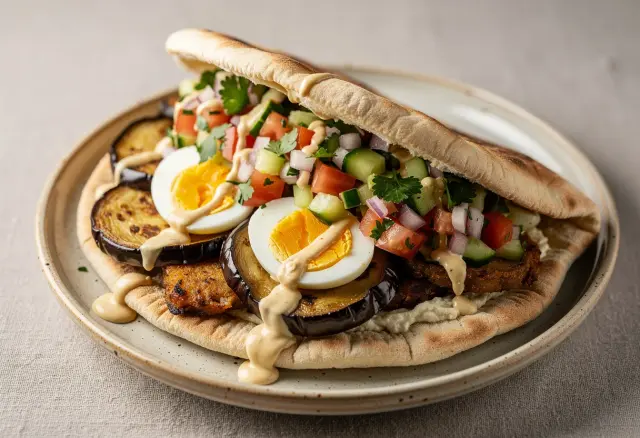
SabichPita stuffed with fried eggplant, hard-boiled egg, hummus, salad, and a drizzle of tangy amba and tahini.
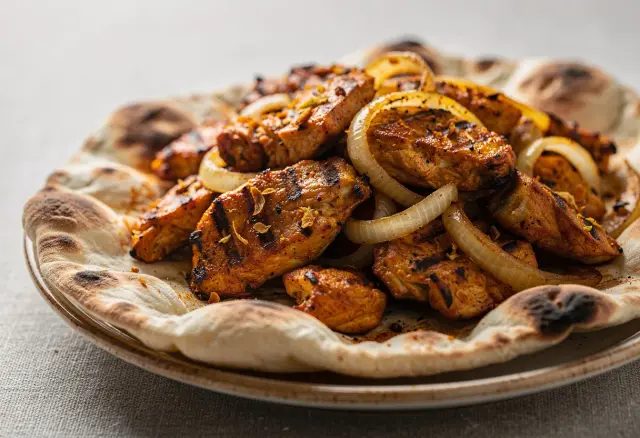
Jerusalem Mixed GrillMeorav Yerushalmi: chicken and offal seared fast with onion, cumin, and turmeric, stuffed into laffa.
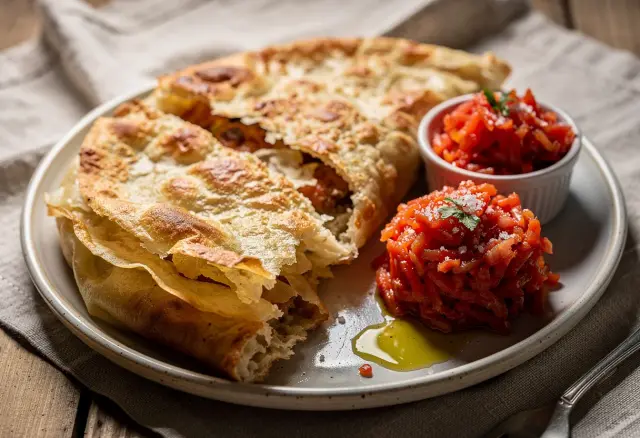
MalawachA flaky, buttery Yemenite-Israeli pan-fried flatbread served with grated tomato and zhug.
Browse all Israel recipes →
Good to know
You’ll need: Oven, Whisk.
Storing it: Keeps 3 to 4 days refrigerated and reheats covered in the oven. Most bakes can be assembled a day ahead and baked when needed.
Make it an Israel meal

LimonanaDrink

RugelachDessert
Similar dishes from around the world
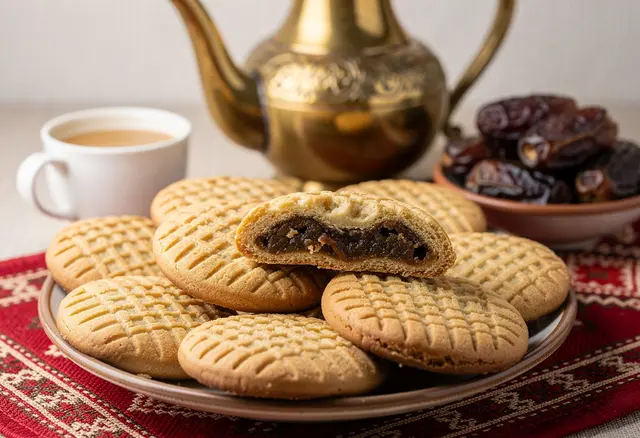
Kleija (Qassim Date-Filled Cookies)Saudi Arabia
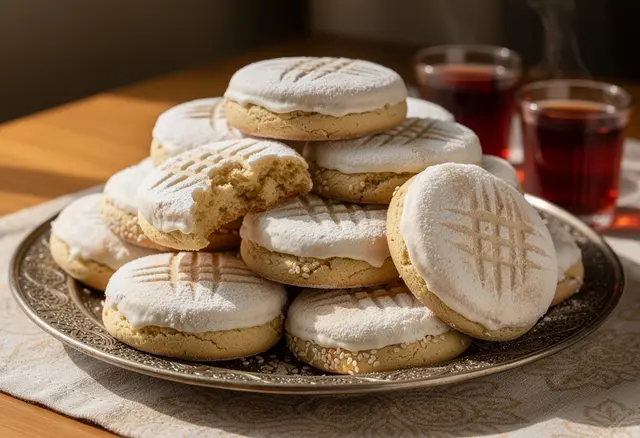
Ka'ak (Sudanese Eid Butter Biscuits)Sudan
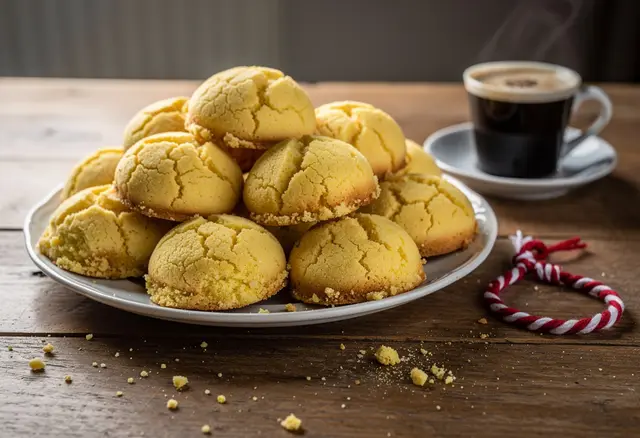
Ballokume (Albanian Cornmeal Cookies from Elbasan)Albania

Irish SconesIreland

Kaak Malih (Libyan Savoury Cookie Rings)Libya
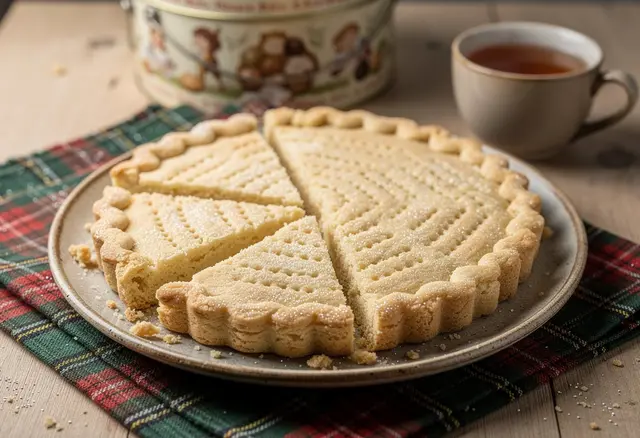
Scottish Shortbread (Petticoat Tails)United Kingdom
Cuisine
Diet
Frequently asked questions
What is Ugiyot Tahini (Israeli Tahini Cookies)?
Crumbly, shortbread-like cookies of butter, sugar, flour and a generous cup of raw tahini, scented with vanilla or cardamom and baked until just golden at the edges.
Where does Ugiyot Tahini (Israeli Tahini Cookies) come from?
Ugiyot Tahini (Israeli Tahini Cookies) is an Israeli dish from Tel Aviv, Israel.
Can Ugiyot Tahini (Israeli Tahini Cookies) be made vegan, gluten-free, or dairy-free?
This Ugiyot Tahini (Israeli Tahini Cookies) recipe includes substitution suggestions for vegetarian, vegan, gluten-free, dairy-free, nut-free, egg-free, and pork-free versions. Treat the substitutions as a starting guide rather than a guarantee, and see the allergen note below.
Is Ugiyot Tahini (Israeli Tahini Cookies) safe for people with food allergies?
Our dietary labels and substitutions are a cooking guide, not medical or allergen-safety advice. We track dairy, egg, gluten, tree nuts and peanuts (we still count coconut as a tree nut to be cautious, although the FDA stopped listing it as one in 2025), fish, and shellfish, but we do not screen for sesame, soy, mustard, celery, or sulphites. If you have a food allergy, always read the label on every product you use, and remember a home or commercial kitchen can cross-contaminate ingredients in ways a recipe cannot control.
How long does Ugiyot Tahini (Israeli Tahini Cookies) take to make?
About 33 minutes total (15 minutes prep, 18 minutes cooking), serving 12.
Get the Sunday Spin
One dish from somewhere in the world, in your inbox every Sunday. No spam, just dinner inspiration you can cook that day.