
🍢 SNACK
Ka'ak (Sudanese Eid Butter Biscuits)
Crumbly, buttery biscuits made with ghee, sesame seeds and cardamom, baked golden and rolled in cardamom-scented icing sugar, the biscuits set out for guests with tea at Eid.
Sudanese · medium · serves 12
prep 25 min · cook 30 min · plus 30 min hands-off time
~213 cal · 2g protein · 29g carbs · 10g fat · 1g fiber · 13g sugars · 6g sat fat (estimated, per serving)
↓ Jump to Recipe
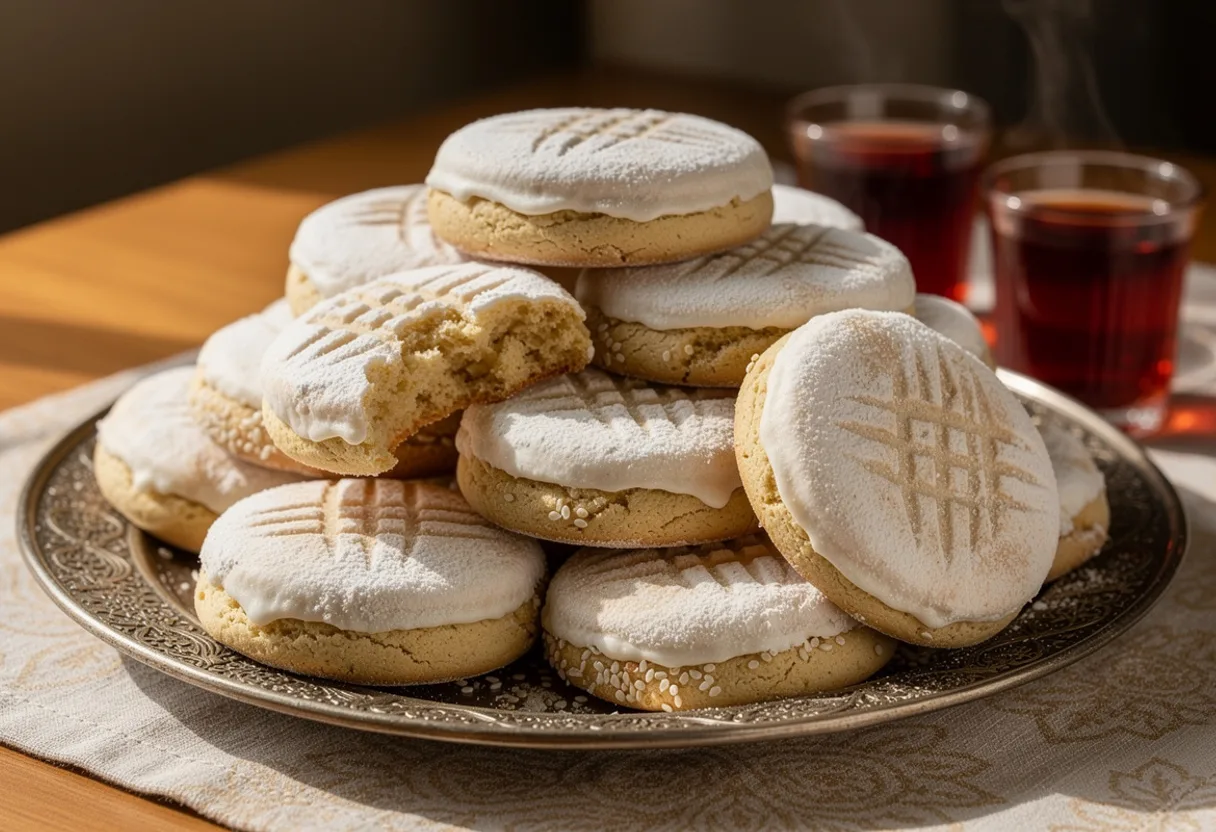
AI-generated illustration
Baking ka'ak is one of the great rituals of the Sudanese year. In the last days of Ramadan, women gather after breaking the fast to make them in quantity, and children carry the trays to the neighbourhood bakery ovens. The biscuits are set out for the stream of visitors at Eid al-Fitr, at Christmas and at weddings, and offered with tea or coffee.
Every family has its own recipe, made with , butter or oil according to taste and means, sometimes shaped in patterned moulds and sometimes filled with or cocoa. This version is the plain, crumbly, buttery kind, with sesame seeds in the dough and in both the dough and the icing sugar that coats them.
The same celebration biscuits are baked in South Sudan, where both Muslims and Christians make them for Eid and Easter.
Saved recipes and passport stamps are kept on this device. Sign in to keep them across your devices and leave reviews.
Make it yours
✓ Naturally vegetarian and nut-, egg- and pork-free. No swaps needed.
Toggle a diet and the ingredients rewrite themselves with regional substitutes.
🥕 Vegetarian
🌱 Vegan
🌾 Gluten-Free
🥛 Dairy-Free
🥜 Nut-Free
🥚 Egg-Free
🐖 Pork-Free
Dietary labels are a cooking guide, not allergen-safety advice. We track dairy, egg, gluten, tree nuts and peanuts (we count coconut as a tree nut, following FDA labeling), fish, and shellfish; we do not screen for sesame, soy, mustard, celery, or sulphites. If you have a food allergy, read the label on every product you use, and note that a kitchen can cross-contaminate in ways a recipe cannot control.
Ingredients
US
Metric
Serves 12
- 250 g (2 cups) plain flour
- 1 tbsp sesame seeds
- 1 tsp baking powder
- 3/4 tsp ground , divided
- 1/2 tsp granulated sugar
- 1/4 tsp salt
- 125 ml (1/2 cup) , warmed until liquid
- 50 ml (3 1/2 tbsp) full-fat milk
- 150 g (1 1/4 cups) icing sugar, for coating
Instructions
- 1Heat the oven to 180C (350F) and line a baking tray with baking paper.
- 2In a bowl, mix the flour, sesame seeds, baking powder, 1/4 tsp of the cardamom, the sugar and the salt.
- 3Pour in the warm ghee and rub it through the flour with your fingertips until every bit is moistened. When it has cooled, add the milk and knead briefly into a firm, smooth dough. Leave it to rest for 2 to 3 minutes.✎ Chef’s noteKnead only until the dough comes together; overworking it makes the biscuits tough instead of crumbly.
- 4Roll or press the dough out to about 2 cm thick and cut rounds with a 5 cm cutter, gathering and re-rolling the scraps. Mark the tops with a fork and set them on the tray.
- 5Bake for about 30 minutes, until golden. Leave them to cool completely on the tray, about 30 minutes, as they are fragile while warm.
- 6Mix the icing sugar with the remaining 1/2 tsp cardamom. Roll each biscuit in it until thickly coated, tap off the excess and stack them on a plate. Serve with tea.
Sudanese festive tradition.
Ratings & reviews
Cooked it? Rate this dish:
No account needed. Sign in to leave a full review with a comment.
Cooked it?
Kept on this device, no account needed. Sign in to leave a review and keep your passport across your devices.
No reviews yet, be the first to cook it.
🌏 While it simmers, know your destination
📍
Khartoum. The general word for these stews is mullah, and the dried okra version is seasoned with ni'aimiya. Sorghum does the other half of the work: fermented and spread thin on a hot plate it becomes kisra, and cooked stiff it becomes asida, a plain pudding that the stew gets poured over.
🗺️
Sudan. Sudanese cooking bridges Arab and African worlds, built on sorghum, ful medames, and stews thickened with peanut or dried okra (weika). Flatbreads like kisra and gurasa scoop up richly spiced sauces.
🌍
Africa. The structure repeats across most of the continent: one starch and one sauce. A grain or root is cooked stiff, torn or rolled by hand, and used to carry a stew of leaves, groundnut, okra or fish, usually from a shared bowl and with the right hand. UNESCO listings have followed that logic, inscribing couscous in 2020 as a shared Maghreb tradition and Ivorian attieke in 2024.
The story behind this dish is up top, worth a read while the pot works.
More from Sudan
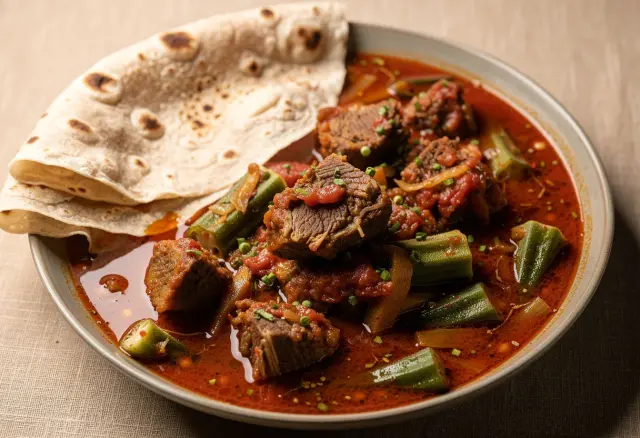
Bamia (Sudanese Okra Stew)Tender lamb and okra simmered in a garlicky tomato broth spiced with black lime, Sudan’s everyday comfort, scooped with kisra.
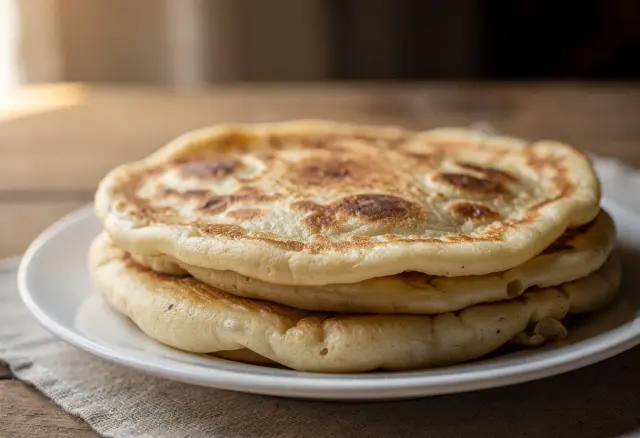
GurasaA thick, soft Sudanese griddle pancake eaten with a stew or with sugar and ghee for breakfast.

ShaiyahStrips of lamb quickly fried with onion, peppers, and spices, a popular Sudanese meat dish for gatherings.
Browse all Sudan recipes →
Good to know
You’ll need: Oven.
Storing it: Keeps 3 to 4 days refrigerated and reheats covered in the oven. Most bakes can be assembled a day ahead and baked when needed.
Make it a Sudan meal

Jabana (Sudanese Spiced Coffee)Drink

Basbousa (Semolina Cake in Syrup)Dessert
Similar dishes from around the world
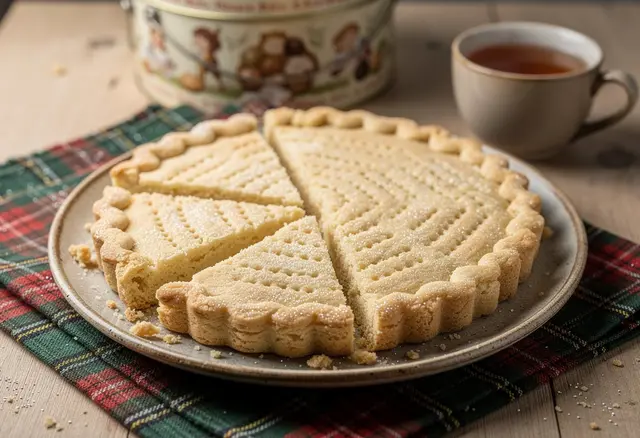
Scottish Shortbread (Petticoat Tails)United Kingdom
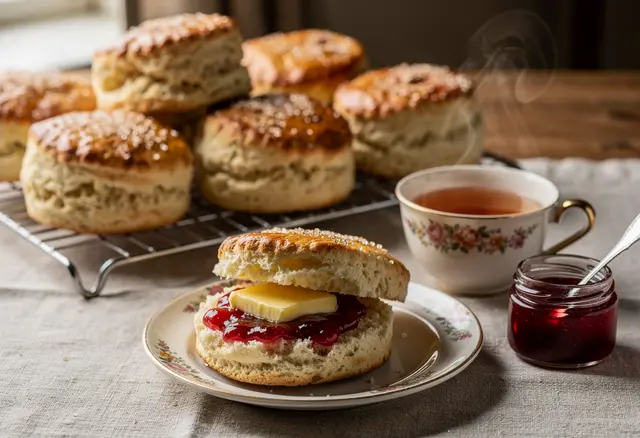
Irish SconesIreland
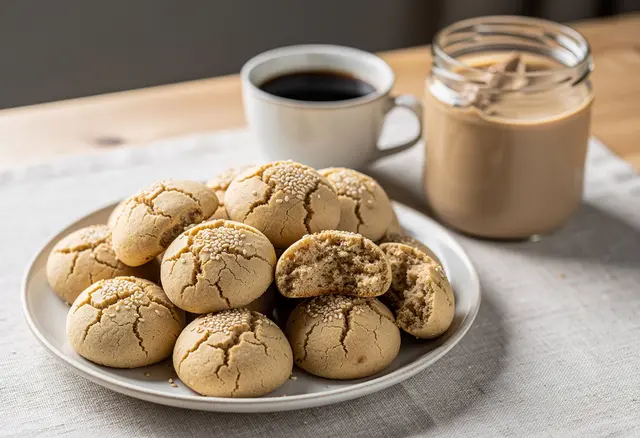
Ugiyot Tahini (Israeli Tahini Cookies)Israel
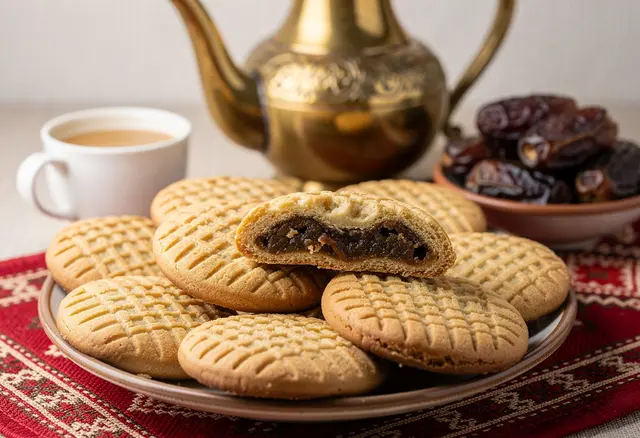
Kleija (Qassim Date-Filled Cookies)Saudi Arabia

Kaak Malih (Libyan Savoury Cookie Rings)Libya
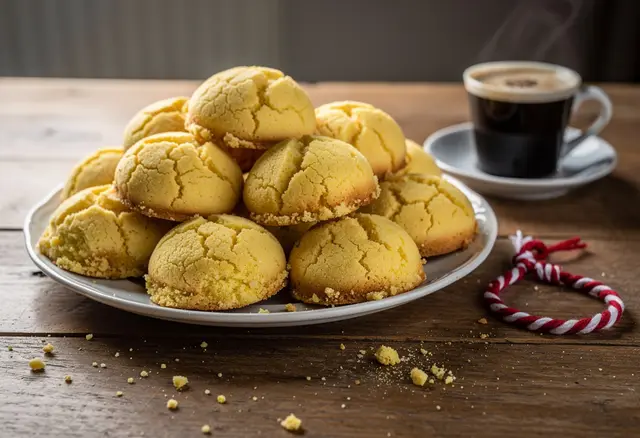
Ballokume (Albanian Cornmeal Cookies from Elbasan)Albania
Cuisine
Diet
Themes
Frequently asked questions
What is Ka'ak (Sudanese Eid Butter Biscuits)?
Crumbly, buttery biscuits made with ghee, sesame seeds and cardamom, baked golden and rolled in cardamom-scented icing sugar, the biscuits set out for guests with tea at Eid.
Where does Ka'ak (Sudanese Eid Butter Biscuits) come from?
Ka'ak (Sudanese Eid Butter Biscuits) is a Sudanese dish from Khartoum, Sudan.
Can Ka'ak (Sudanese Eid Butter Biscuits) be made vegan, gluten-free, or dairy-free?
This Ka'ak (Sudanese Eid Butter Biscuits) recipe includes substitution suggestions for vegetarian, vegan, gluten-free, dairy-free, nut-free, egg-free, and pork-free versions. Treat the substitutions as a starting guide rather than a guarantee, and see the allergen note below.
Is Ka'ak (Sudanese Eid Butter Biscuits) safe for people with food allergies?
Our dietary labels and substitutions are a cooking guide, not medical or allergen-safety advice. We track dairy, egg, gluten, tree nuts and peanuts (we still count coconut as a tree nut to be cautious, although the FDA stopped listing it as one in 2025), fish, and shellfish, but we do not screen for sesame, soy, mustard, celery, or sulphites. If you have a food allergy, always read the label on every product you use, and remember a home or commercial kitchen can cross-contaminate ingredients in ways a recipe cannot control.
How long does Ka'ak (Sudanese Eid Butter Biscuits) take to make?
About 1 h 25 min in all: 25 minutes prep and 30 minutes cooking, plus 30 min of hands-off waiting the method needs, serving 12.
Get the Sunday Spin
One dish from somewhere in the world, in your inbox every Sunday. No spam, just dinner inspiration you can cook that day.