
🥗 STARTER
Sambaza (Rwandan Fried Lake Kivu Fish)
Tiny whole lake sardines dusted in seasoned flour and deep fried until crisp, piled on a plate with lemon wedges, pili-pili and a pot of mayonnaise for the table to share.
Rwandan · easy · serves 4
prep 15 min · cook 15 min
~261 cal · 3g protein · 17g carbs · 21g fat · 2g fiber · 2g sugars · 3g sat fat (estimated, per serving)
↓ Jump to Recipe
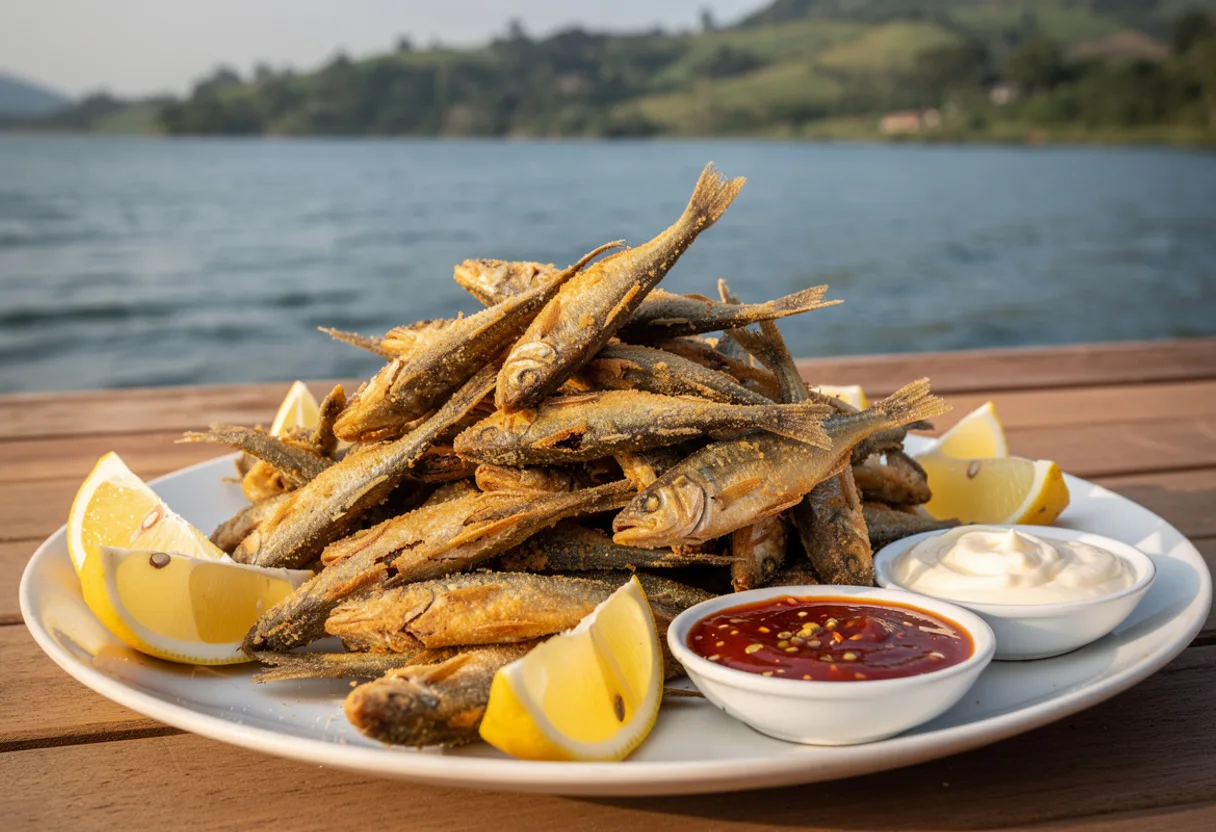
AI-generated illustration
Sambaza is the Rwandan name for the Lake Tanganyika sardine, a small silver fish about the length of a finger that was brought into Lake Kivu in 1959 to start a fishery in its open waters. It took hold, and today it is the main catch of the lake and a living for fishing families on both the Rwandan and Congolese shores.
The fish are a speciality of the lakeside towns of Gisenyi and Kibuye, and they are eaten across the country by everyone, from roadside cafés to Kigali restaurants. Their bones are so fine that they are eaten whole, head and all, without any cleaning.
The favourite way to cook them is the simplest. The fish are dusted in wheat flour, deep fried until crisp and served hot on a big sharing plate with a squeeze of lemon, a dash of fiery pili-pili and a dip, most often mayonnaise. In Rwanda they are a common starter, set in the middle of the table for everyone to pick at.
Saved recipes and passport stamps are kept on this device. Sign in to keep them across your devices and leave reviews.
Make it yours
✓ Naturally dairy-, nut- and pork-free. No swaps needed.
Toggle a diet and the ingredients rewrite themselves with regional substitutes.
🥕 Vegetarian
🌱 Vegan
🌾 Gluten-Free
🥛 Dairy-Free
🥜 Nut-Free
🥚 Egg-Free
🐖 Pork-Free
Dietary labels are a cooking guide, not allergen-safety advice. We track dairy, egg, gluten, tree nuts and peanuts (we count coconut as a tree nut, following FDA labeling), fish, and shellfish; we do not screen for sesame, soy, mustard, celery, or sulphites. If you have a food allergy, read the label on every product you use, and note that a kitchen can cross-contaminate in ways a recipe cannot control.
Ingredients
US
Metric
Serves 4
- 500 g (1 lb) sambaza (Lake Kivu sardines), fresh or thawedHard to find? 500 g (1 lb) whitebait or other very small whole fish, such as sprats or smelts - very close; the smallest fish can be eaten whole like sambaza, larger sprats have firmer bones
- 1/2 cup (65 g) plain wheat flour
- 1 tsp salt
- 1/2 tsp ground black pepper
- 1 pinch cayenne pepper (optional)
- about 1 litre vegetable oil, for deep frying
- 2 lemons, cut into wedges
- a small dish pili-pili or other hot chili sauce, to serve
- 1/2 cup mayonnaise, to serve
Instructions
- 1Rinse the fish in a colander under cold water, then spread them on a clean kitchen towel and pat them thoroughly dry.✎ Chef’s noteSambaza are eaten whole and need no gutting. Dry fish take a thin, even coat of flour and fry crisp instead of steaming.
- 2Mix the flour, salt, black pepper and cayenne in a wide bowl. Toss the fish in it a handful at a time and shake off the excess in a sieve.
- 3Heat the oil in a deep pan to 180C (350F), or until a pinch of flour sizzles at once.
- 4Fry the fish in small batches for 2 to 3 minutes, stirring gently so they do not stick together, until golden and crisp. Lift them out with a slotted spoon onto paper towels.✎ Chef’s noteCrowding the pan cools the oil and makes the fish greasy, so keep each batch small and let the oil come back to heat between batches.
- 5Sprinkle with a little more salt and pile the fish on a large plate. Serve hot with lemon wedges to squeeze over, and the pili-pili and mayonnaise for dipping.
Lake Kivu tradition.
Ratings & reviews
Cooked it? Rate this dish:
No account needed. Sign in to leave a full review with a comment.
Cooked it?
Kept on this device, no account needed. Sign in to leave a review and keep your passport across your devices.
No reviews yet, be the first to cook it.
🌏 While it simmers, know your destination
📍
Kigali. Isombe is not Rwandan in origin. It is the same cassava-leaf dish as Congolese pondu or saka-saka and is eaten in Burundi too, and it is believed to have come from the Congo; the peanut butter stirred through it is standard rather than a local flourish.
🗺️
Rwanda. Isombe is thought to have come from what is now the DR Congo and is eaten in Burundi as well, so it is a regional dish that Rwanda cooks rather than one it invented; the cassava leaves are pounded fine and simmered long with palm oil, aubergine and sometimes dried fish. Ikivuguto, the cultured fermented milk, is the dairy worth naming in a country where cattle carry social weight.
🌍
Africa. The structure repeats across most of the continent: one starch and one sauce. A grain or root is cooked stiff, torn or rolled by hand, and used to carry a stew of leaves, groundnut, okra or fish, usually from a shared bowl and with the right hand. UNESCO listings have followed that logic, inscribing couscous in 2020 as a shared Maghreb tradition and Ivorian attieke in 2024.
The story behind this dish is up top, worth a read while the pot works.
More from Rwanda
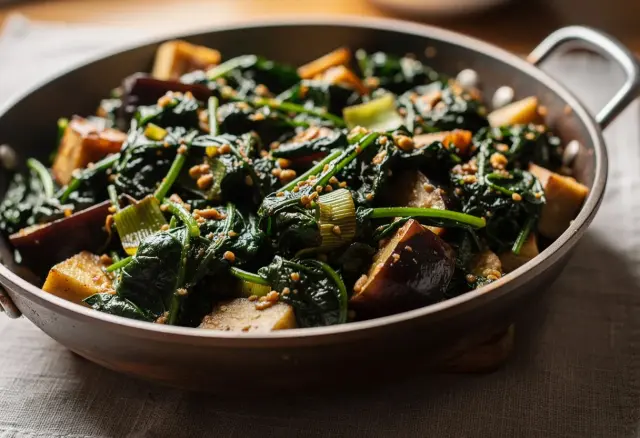
IsombePounded cassava leaves stewed with spinach, eggplant, and peanut into a soft, savory green.

Ibijumba n'IkivugutoThe classic Rwandan breakfast: warm boiled sweet potatoes served with ikivuguto, a tangy cultured fermented milk.
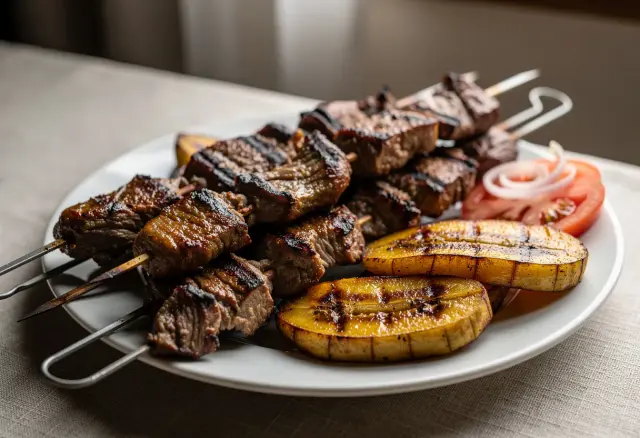
Rwandan BrochettesMarinated goat skewers grilled over charcoal and served with grilled plantain, Rwanda's favorite social food.
Browse all Rwanda recipes →
Good to know
Storing it: Fried food is best eaten fresh while crisp. Re-crisp leftovers in a hot oven or air fryer; the microwave makes them soft.
Make it a Rwanda meal

Icyayi (Rwandan African Tea)Drink

Rwandan MandaziDessert
Similar dishes from around the world
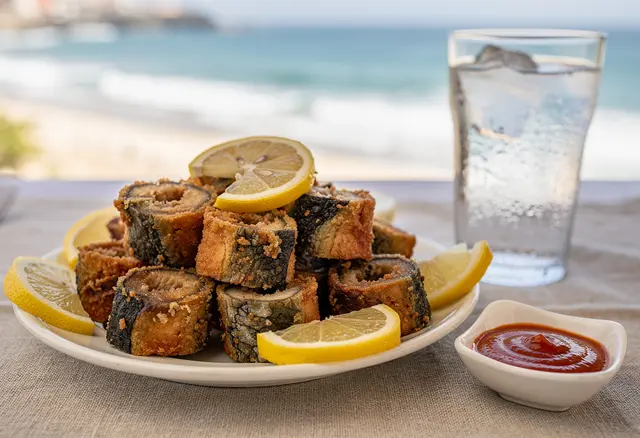
Moreia Frita (Cape Verdean Fried Moray Eel)Cape Verde
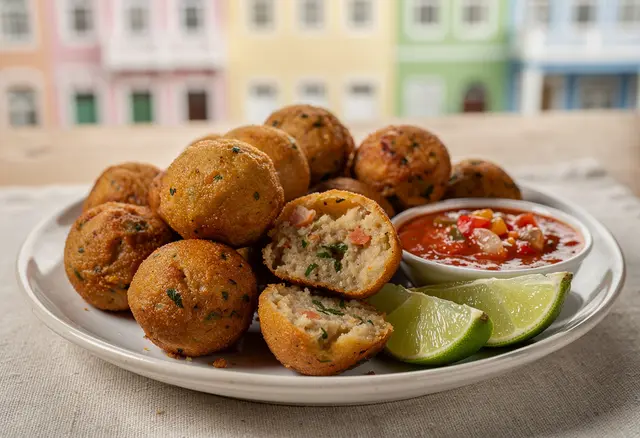
Balchi di Piska (Curaçao Fish Balls)Curaçao
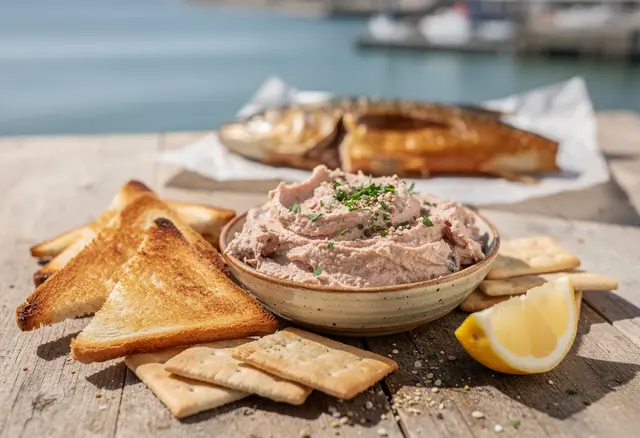
Smoked Snoek PâtéSouth Africa
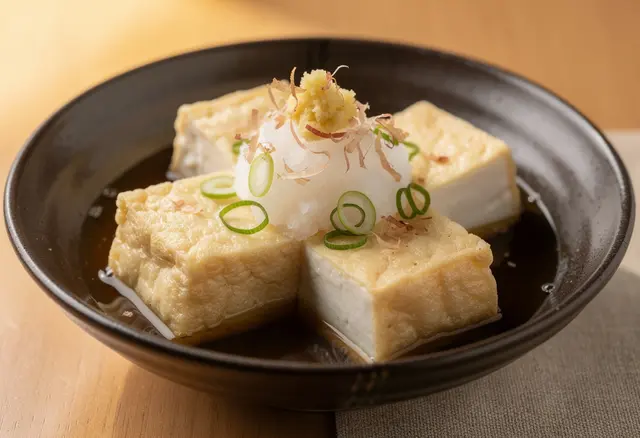
Agedashi Tofu (Fried Tofu in Dashi Broth)Japan
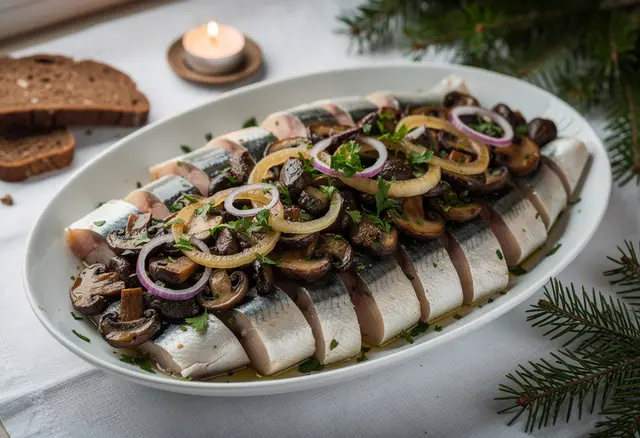
Silkė su Grybais (Lithuanian Herring with Mushrooms)Lithuania
Kueh Pie Tee (Crispy Nyonya Top Hats)Singapore
Cuisine
Diet
Frequently asked questions
What is Sambaza (Rwandan Fried Lake Kivu Fish)?
Tiny whole lake sardines dusted in seasoned flour and deep fried until crisp, piled on a plate with lemon wedges, pili-pili and a pot of mayonnaise for the table to share.
Where does Sambaza (Rwandan Fried Lake Kivu Fish) come from?
Sambaza (Rwandan Fried Lake Kivu Fish) is a Rwandan dish from Kigali, Rwanda.
Can Sambaza (Rwandan Fried Lake Kivu Fish) be made vegan, gluten-free, or dairy-free?
This Sambaza (Rwandan Fried Lake Kivu Fish) recipe includes substitution suggestions for vegetarian, vegan, gluten-free, dairy-free, nut-free, egg-free, and pork-free versions. Treat the substitutions as a starting guide rather than a guarantee, and see the allergen note below.
Is Sambaza (Rwandan Fried Lake Kivu Fish) safe for people with food allergies?
Our dietary labels and substitutions are a cooking guide, not medical or allergen-safety advice. We track dairy, egg, gluten, tree nuts and peanuts (we still count coconut as a tree nut to be cautious, although the FDA stopped listing it as one in 2025), fish, and shellfish, but we do not screen for sesame, soy, mustard, celery, or sulphites. If you have a food allergy, always read the label on every product you use, and remember a home or commercial kitchen can cross-contaminate ingredients in ways a recipe cannot control.
How long does Sambaza (Rwandan Fried Lake Kivu Fish) take to make?
About 30 minutes total (15 minutes prep, 15 minutes cooking), serving 4.
Get the Sunday Spin
One dish from somewhere in the world, in your inbox every Sunday. No spam, just dinner inspiration you can cook that day.