
🥤 DRINK
Icyayi (Rwandan African Tea)
Black tea boiled straight in milk with sugar and crushed fresh ginger, rich, sweet and warming, the "African tea" of Rwandan homes and cafés.
Rwandan · easy · serves 2
prep 5 min · cook 8 min
~162 cal · 6g protein · 22g carbs · 6g fat · 0g fiber · 22g sugars · 4g sat fat (estimated, per serving)
↓ Jump to Recipe
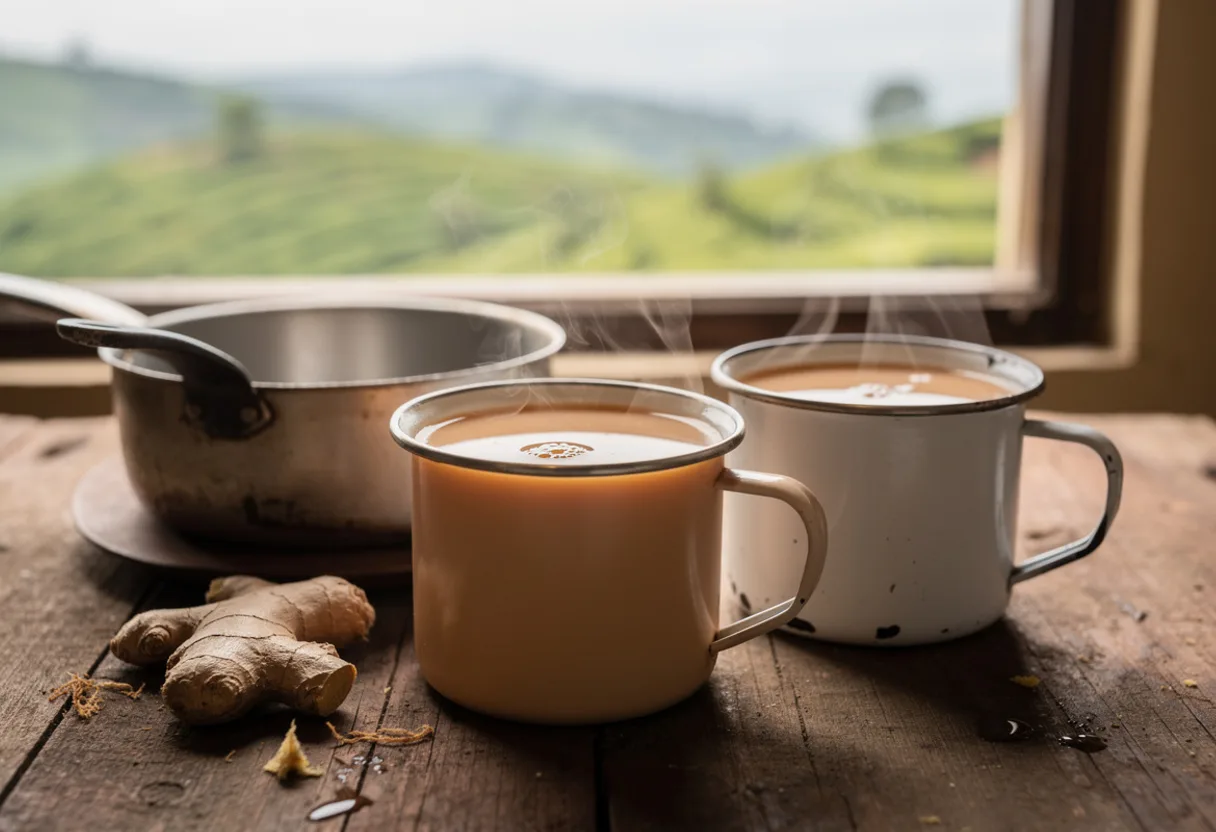
AI-generated illustration
Tea, icyayi in Kinyarwanda, is the hot drink Rwandans drink most, and at home it is usually made the rural way: milk, tea and sugar boiled together in one pot, with a piece of crushed ginger, into a rich, sweet, milky brew that Rwandans call African tea.
The tea is often Rwandan. German missionaries planted the first tea in the early twentieth century, and the high, cool hills of the west, with their volcanic soils, now grow black tea that Rwanda exports around the world.
Some cooks add a pinch of or tea masala, some sweeten with honey, and Kigali's cafés serve African tea alongside their coffee. Made with whole milk, it is rich enough to form a skin as it cools.
Saved recipes and passport stamps are kept on this device. Sign in to keep them across your devices and leave reviews.
Make it yours
✓ Naturally vegetarian and gluten-, nut-, egg- and pork-free. No swaps needed.
Toggle a diet and the ingredients rewrite themselves with regional substitutes.
🥕 Vegetarian
🌱 Vegan
🌾 Gluten-Free
🥛 Dairy-Free
🥜 Nut-Free
🥚 Egg-Free
🐖 Pork-Free
Dietary labels are a cooking guide, not allergen-safety advice. We track dairy, egg, gluten, tree nuts and peanuts (we count coconut as a tree nut, following FDA labeling), fish, and shellfish; we do not screen for sesame, soy, mustard, celery, or sulphites. If you have a food allergy, read the label on every product you use, and note that a kitchen can cross-contaminate in ways a recipe cannot control.
Ingredients
US
Metric
Serves 2
- 1.5 cups whole milk
- 1/2 cup water
- 2 tsp loose black tea, Rwandan if you can find it
- 2 tbsp sugar, or to taste
- 2.5 cm piece fresh ginger
- 2 pods (optional)
Instructions
- 1Put the milk, water, tea and sugar in a small saucepan and bring it slowly to the boil, watching that it does not boil over.
- 2While it heats, wash the ginger and smash it with the flat of a knife or a pestle until the juice starts to run. Crack the cardamom pods, if using.
- 3Add the ginger and cardamom as the tea comes to the boil, then lower the heat and simmer for 2 to 3 minutes.✎ Chef’s noteThe smashed ginger gives up its heat quickly; for a milder tea, lift it out after a minute.
- 4Strain into mugs and serve hot.
Rwandan home tradition.
Ratings & reviews
Cooked it? Rate this dish:
No account needed. Sign in to leave a full review with a comment.
Cooked it?
Kept on this device, no account needed. Sign in to leave a review and keep your passport across your devices.
No reviews yet, be the first to cook it.
🌏 While it simmers, know your destination
📍
Kigali. The hills do the farming. Rwanda is cultivated intensively up steep slopes, so beans, sweet potato, cassava and bananas come off small plots and the everyday plate carries several starches at once. Brochettes over charcoal, usually goat, are the sociable evening exception to an otherwise mild kitchen.
🗺️
Rwanda. Isombe is thought to have come from what is now the DR Congo and is eaten in Burundi as well, so it is a regional dish that Rwanda cooks rather than one it invented; the cassava leaves are pounded fine and simmered long with palm oil, aubergine and sometimes dried fish. Ikivuguto, the cultured fermented milk, is the dairy worth naming in a country where cattle carry social weight.
🌍
Africa. The structure repeats across most of the continent: one starch and one sauce. A grain or root is cooked stiff, torn or rolled by hand, and used to carry a stew of leaves, groundnut, okra or fish, usually from a shared bowl and with the right hand. UNESCO listings have followed that logic, inscribing couscous in 2020 as a shared Maghreb tradition and Ivorian attieke in 2024.
The story behind this dish is up top, worth a read while the pot works.
More from Rwanda
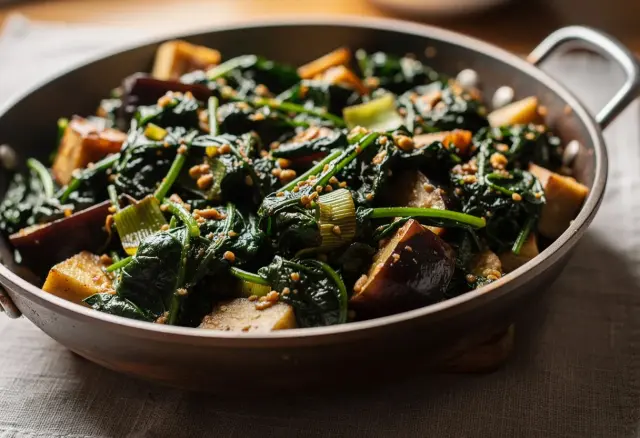
IsombePounded cassava leaves stewed with spinach, eggplant, and peanut into a soft, savory green.

Ibijumba n'IkivugutoThe classic Rwandan breakfast: warm boiled sweet potatoes served with ikivuguto, a tangy cultured fermented milk.
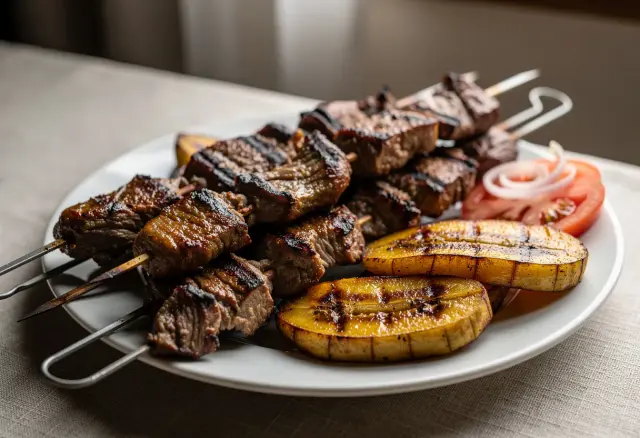
Rwandan BrochettesMarinated goat skewers grilled over charcoal and served with grilled plantain, Rwanda's favorite social food.
Browse all Rwanda recipes →
Good to know
You’ll need: Pot or saucepan, Mortar and pestle.
Storing it: Keeps 2 to 3 days refrigerated. Resteam or warm through gently to serve.
Make it a Rwanda meal
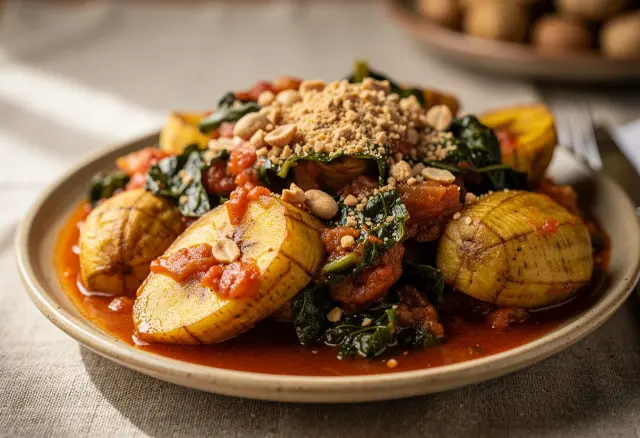
AgatogoDinner

Rwandan MandaziDessert
Similar dishes from around the world

Kiri Te (Sri Lankan Milk Tea)Sri Lanka
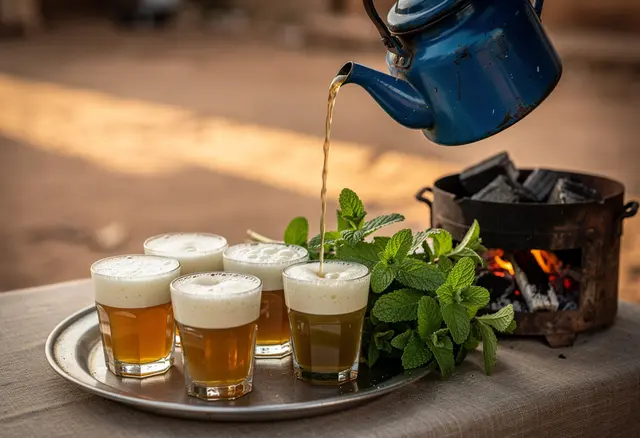
Warga (Bissau-Guinean Sweet Green Tea)Guinea-Bissau

Karak ChaiUnited Arab Emirates
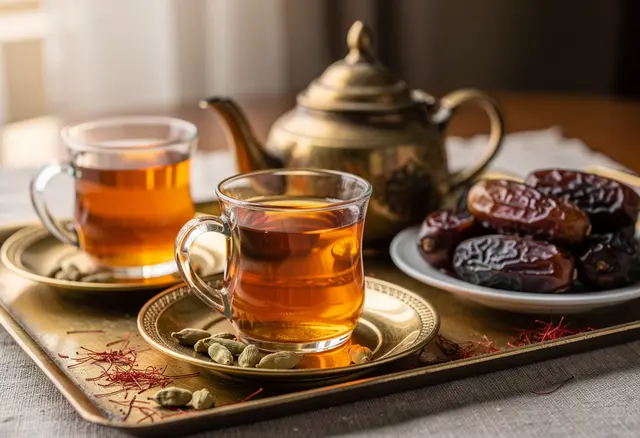
Chai Zafran (Kuwaiti Saffron and Cardamom Tea)Kuwait
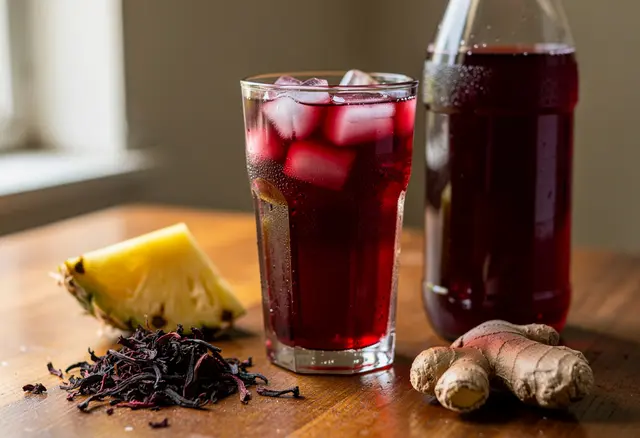
Folere (Cameroonian Hibiscus Drink)Cameroon

Flat WhiteNew Zealand
Drinks
Frequently asked questions
What is Icyayi (Rwandan African Tea)?
Black tea boiled straight in milk with sugar and crushed fresh ginger, rich, sweet and warming, the "African tea" of Rwandan homes and cafés.
Where does Icyayi (Rwandan African Tea) come from?
Icyayi (Rwandan African Tea) is a Rwandan dish from Kigali, Rwanda.
Can Icyayi (Rwandan African Tea) be made vegan, gluten-free, or dairy-free?
This Icyayi (Rwandan African Tea) recipe includes substitution suggestions for vegetarian, vegan, gluten-free, dairy-free, nut-free, egg-free, and pork-free versions. Treat the substitutions as a starting guide rather than a guarantee, and see the allergen note below.
Is Icyayi (Rwandan African Tea) safe for people with food allergies?
Our dietary labels and substitutions are a cooking guide, not medical or allergen-safety advice. We track dairy, egg, gluten, tree nuts and peanuts (we still count coconut as a tree nut to be cautious, although the FDA stopped listing it as one in 2025), fish, and shellfish, but we do not screen for sesame, soy, mustard, celery, or sulphites. If you have a food allergy, always read the label on every product you use, and remember a home or commercial kitchen can cross-contaminate ingredients in ways a recipe cannot control.
How long does Icyayi (Rwandan African Tea) take to make?
About 13 minutes total (5 minutes prep, 8 minutes cooking), serving 2.
Get the Sunday Spin
One dish from somewhere in the world, in your inbox every Sunday. No spam, just dinner inspiration you can cook that day.