North America → Mexico → Puebla

🍢 SNACK
Elote (Mexican Street Corn)
Charred corn on the cob on a stick, spread with mayonnaise, rolled in salty cotija cheese, dusted with chile piquín and finished with a squeeze of lime.
Mexican · easy · serves 4
prep 10 min · cook 15 min
~329 cal · 11g protein · 31g carbs · 20g fat · 4g fiber · 5g sugars · 7g sat fat (estimated, per serving)
↓ Jump to Recipe
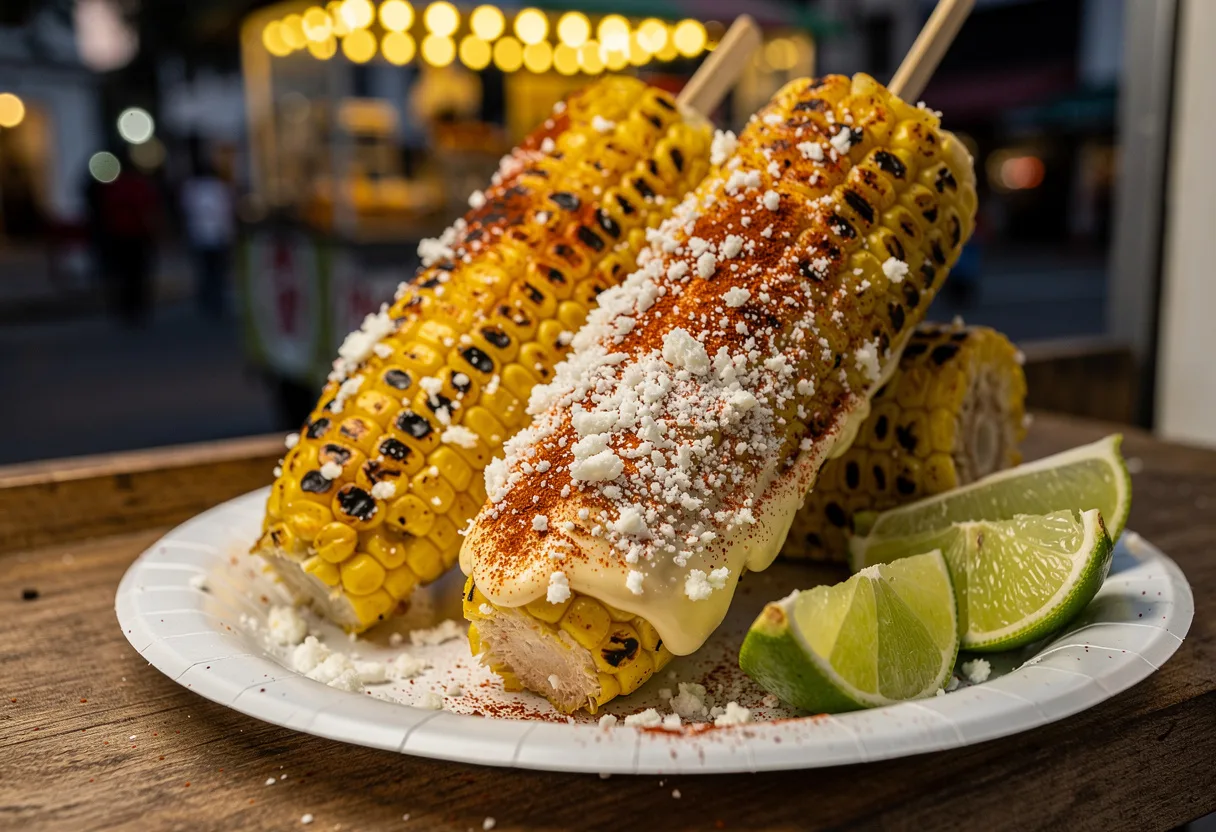
AI-generated illustration
Elote is simply the Mexican word for fresh corn, from the Nahuatl elotl, and it names one of the country's best-loved street snacks. In the evenings, in plazas, outside markets and churches and at every fair, vendors grill or boil whole ears of corn and dress them to order on a stick, from central Mexico and Puebla to the capital and far beyond.
The corn is cooked until tender and charred in spots, then spread with mayonnaise or, in some places, thick crema, and rolled in finely grated cotija, a dry, salty aged cheese that sticks to the coating. Powdered chile, often chile piquín or a chile and lime salt, goes on top, then a squeeze of lime, and for anyone who wants it, a shake of bottled hot sauce.
Its twin is esquites, the same corn cut off the cob and served in a cup with the same toppings. Elote on the stick is the one to eat walking, hot, with lime running down your wrist.
Saved recipes and passport stamps are kept on this device. Sign in to keep them across your devices and leave reviews.
Make it yours
✓ Naturally vegetarian and gluten-, nut- and pork-free. No swaps needed.
Toggle a diet and the ingredients rewrite themselves with regional substitutes.
🥕 Vegetarian
🌱 Vegan
🌾 Gluten-Free
🥛 Dairy-Free
🥜 Nut-Free
🥚 Egg-Free
🐖 Pork-Free
Dietary labels are a cooking guide, not allergen-safety advice. We track dairy, egg, gluten, tree nuts and peanuts (we count coconut as a tree nut, following FDA labeling), fish, and shellfish; we do not screen for sesame, soy, mustard, celery, or sulphites. If you have a food allergy, read the label on every product you use, and note that a kitchen can cross-contaminate in ways a recipe cannot control.
Ingredients
US
Metric
Serves 4
- 4 (about 600 g) ears of fresh corn, husked and silks removed
- 4 tbsp mayonnaise, Mexican crema is also used
- 1 cup (about 100 g) cotija cheese, finely grated
- 1 to 2 tsp chile piquín powder or mild chile powder
- 2 limes, cut into wedges
- a pinch salt
- to taste bottled hot sauce (such as Valentina), optional
- 4 wooden sticks or skewers
Instructions
- 1Grill the corn over hot charcoal, on a gas grill or on a dry comal or griddle over medium-high heat for 10 to 15 minutes, turning often, until tender and charred in spots. Or boil it for 8 to 10 minutes.
- 2Push a stick firmly into the base of each ear so you can hold it, and let it cool for a minute so the coating does not slide off.
- 3Spread each ear all over with a tablespoon of mayonnaise, using a knife or pastry brush.
- 4Tip the grated cotija onto a plate and roll each ear in it, pressing so the cheese sticks all over.✎ Chef’s noteGrate the cotija very finely. Fine crumbs cling to the mayonnaise in an even coat; coarse ones fall off.
- 5Dust with chile powder and a pinch of salt, squeeze over lime, add hot sauce if you like, and eat hot.
Mexican street-cart tradition.
Ratings & reviews
Cooked it? Rate this dish:
No account needed. Sign in to leave a full review with a comment.
Cooked it?
Kept on this device, no account needed. Sign in to leave a review and keep your passport across your devices.
No reviews yet, be the first to cook it.
🌏 While it simmers, know your destination
📍
Puebla. Mole is a family rather than a recipe. The word comes from the Nahuatl molli, meaning sauce, and no mole poblano recipe was written down before the nineteenth century, so what exists is a long accumulation of chillies, seeds, nuts and spices, with chocolate arriving late in the story rather than at its centre.
🗺️
Mexico. Underneath almost everything is nixtamalization: dried maize simmered and steeped in lime water, then hulled and ground. It softens the kernels into a masa that will hold together as a tortilla, adds calcium, and releases the tryptophan the body turns into niacin, which is why maize-eating Mesoamerica escaped the pellagra that later maize cultures suffered.
🌍
North America. North America's table began with Indigenous foodways, the "three sisters" of corn, beans, and squash, plus chiles, tomatoes, and cacao, then layered on colonial, African, and immigrant influences. From Mexico's UNESCO-recognized cuisine to the Cajun and Creole pots of Louisiana and the fiery jerk of the Caribbean, the region turns ancient staples into something new. Barbecue, tacos, gumbo, and mole all carry stories of migration and adaptation.
The story behind this dish is up top, worth a read while the pot works.
More from Mexico
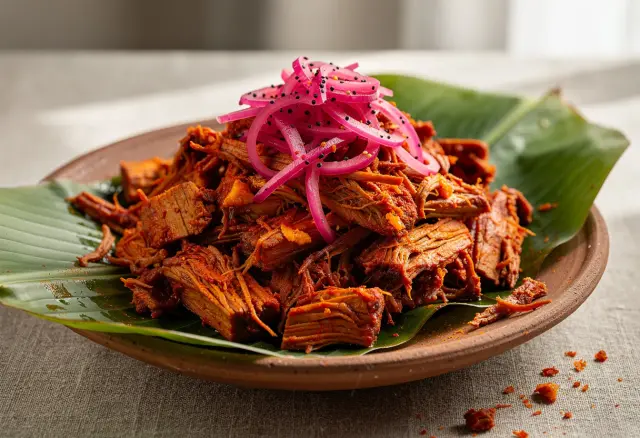
Cochinita PibilPork marinated blaze-orange in achiote and sour orange, wrapped in banana leaves and roasted until it shreds itself.
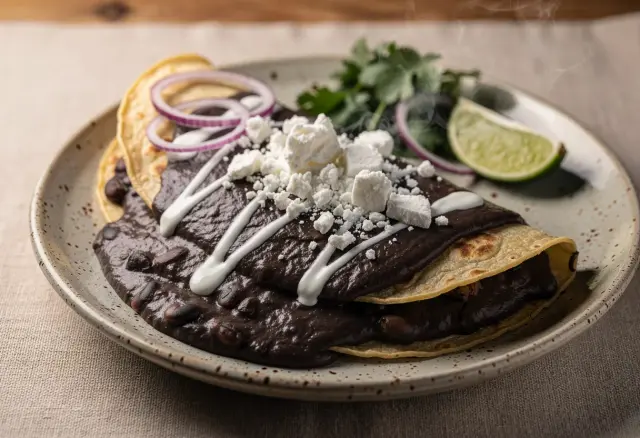
EnfrijoladasCorn tortillas bathed in silky black-bean sauce, folded and finished with cheese, crema, and onion.
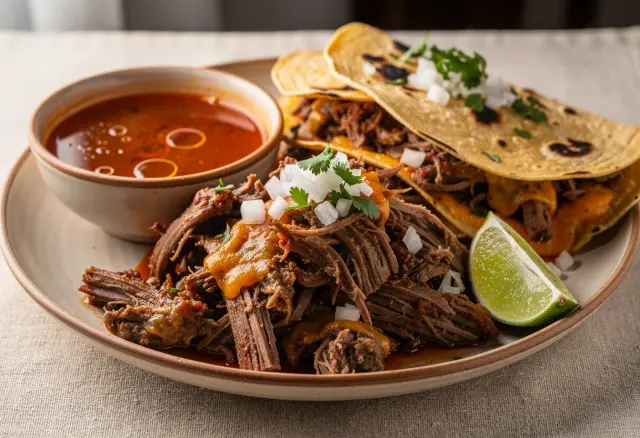
BirriaJalisco’s chile-marinated slow braise, served as a rich consomé with tortillas, or griddled into dripping quesabirria tacos.
Browse all Mexico recipes →
Good to know
You’ll need: Griddle or flat pan, Grill or barbecue.
Storing it: Best straight off the heat. Leftovers keep 2 to 3 days refrigerated and reheat well in a hot oven rather than the microwave.
Make it a Mexico meal
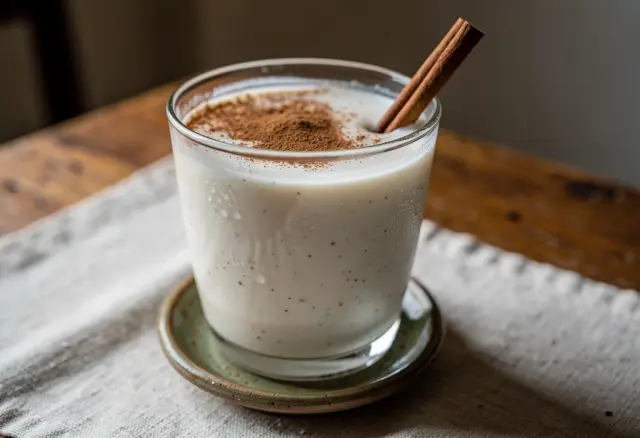
HorchataDrink
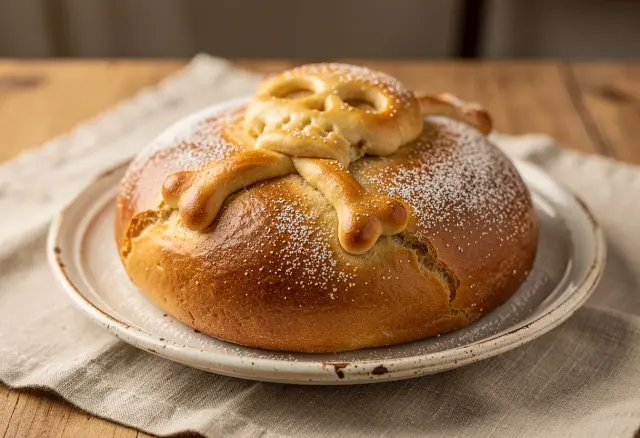
Pan de MuertoDessert
Similar dishes from around the world
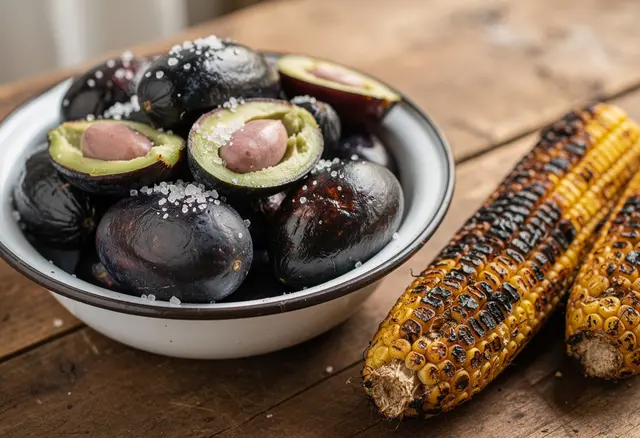
Safou (Congolese Warm Salted African Plums)Republic of the Congo
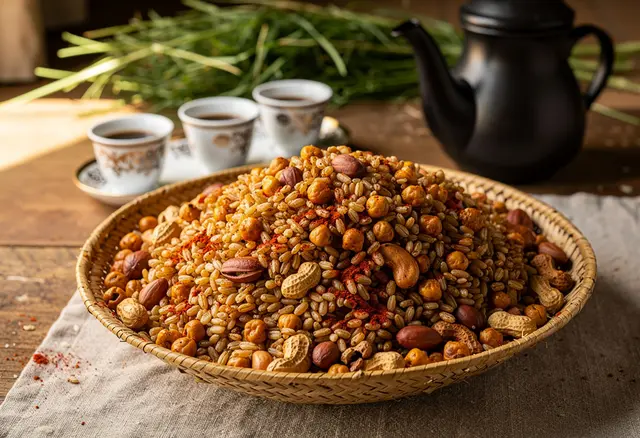
Kolo (Ethiopian Roasted Barley Snack)Ethiopia
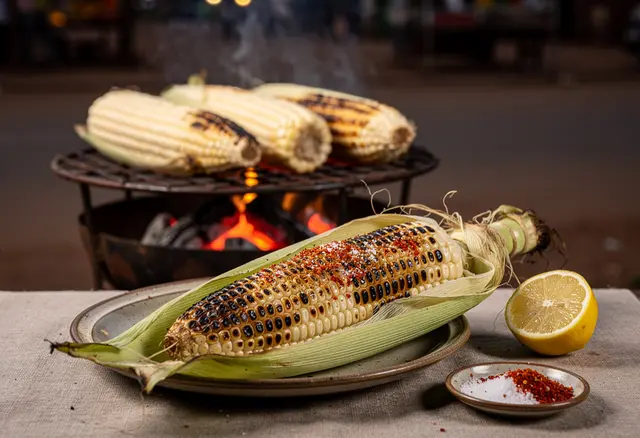
Mahindi Choma (Kenyan Roasted Maize)Kenya
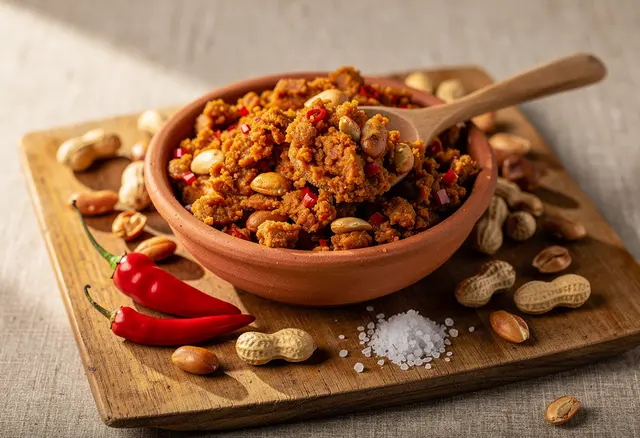
Kitaba (Angolan Spiced Peanut Paste)Angola
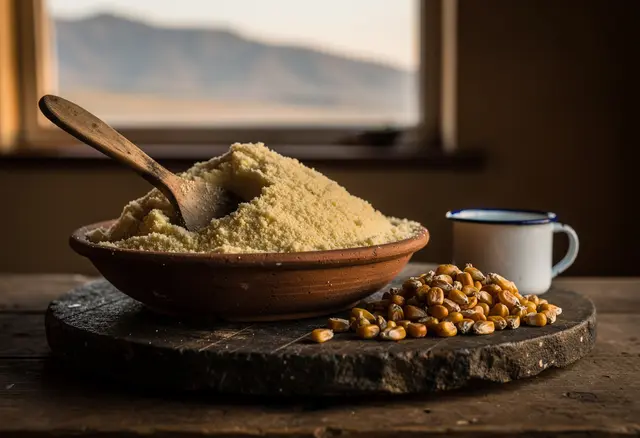
Lipabi (Basotho Roasted Maize Meal)Lesotho
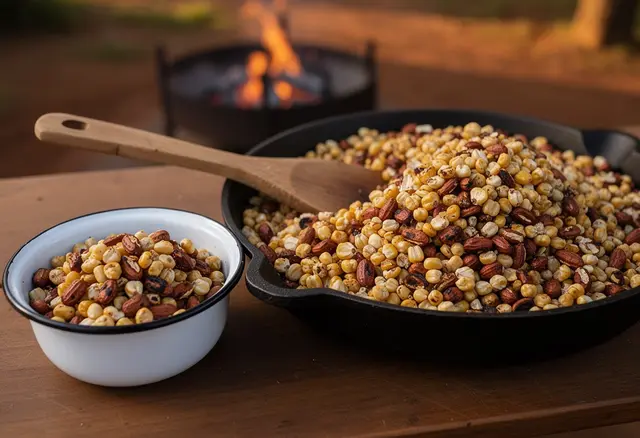
Maputi aneNzungu (Zimbabwean Roasted Maize and Peanuts)Zimbabwe
Cuisine
Diet
Themes
Frequently asked questions
What is Elote (Mexican Street Corn)?
Charred corn on the cob on a stick, spread with mayonnaise, rolled in salty cotija cheese, dusted with chile piquín and finished with a squeeze of lime.
Where does Elote (Mexican Street Corn) come from?
Elote (Mexican Street Corn) is a Mexican dish from Puebla, Mexico.
Can Elote (Mexican Street Corn) be made vegan, gluten-free, or dairy-free?
This Elote (Mexican Street Corn) recipe includes substitution suggestions for vegetarian, vegan, gluten-free, dairy-free, nut-free, egg-free, and pork-free versions. Treat the substitutions as a starting guide rather than a guarantee, and see the allergen note below.
Is Elote (Mexican Street Corn) safe for people with food allergies?
Our dietary labels and substitutions are a cooking guide, not medical or allergen-safety advice. We track dairy, egg, gluten, tree nuts and peanuts (we still count coconut as a tree nut to be cautious, although the FDA stopped listing it as one in 2025), fish, and shellfish, but we do not screen for sesame, soy, mustard, celery, or sulphites. If you have a food allergy, always read the label on every product you use, and remember a home or commercial kitchen can cross-contaminate ingredients in ways a recipe cannot control.
How long does Elote (Mexican Street Corn) take to make?
About 25 minutes total (10 minutes prep, 15 minutes cooking), serving 4.
Get the Sunday Spin
One dish from somewhere in the world, in your inbox every Sunday. No spam, just dinner inspiration you can cook that day.