
🥔 SIDE
Chapati (Kenyan Soft Layered Flatbread)
Soft, flaky wheat flatbreads, oiled, rolled up and coiled before a second rolling so they cook into tender layers on a hot pan, torn to scoop stews and beans.
Kenyan · medium · serves 8
prep 35 min · cook 30 min · plus 40 min hands-off time
~356 cal · 5g protein · 40g carbs · 19g fat · 1g fiber · 2g sugars · 3g sat fat (estimated, per serving)
↓ Jump to Recipe
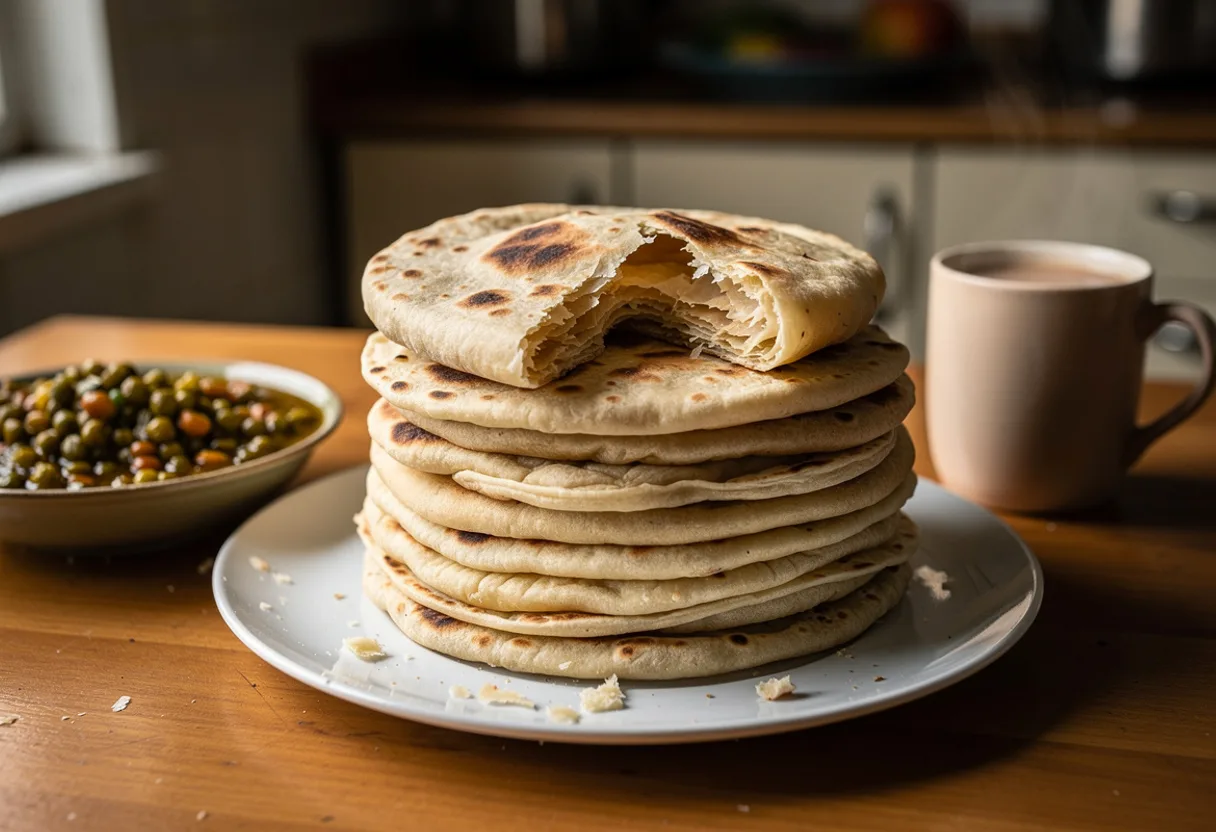
AI-generated illustration
came to East Africa with the Indian workers who built the Kenya-Uganda railway for the British Empire, and it has become one of Kenya's best-loved foods. Kenyans often call it chapo. It was once kept for special occasions, and is still a Christmas favourite, and it is now an everyday bread eaten at breakfast with tea, as a snack, and with stews at lunch and dinner.
The Kenyan version is closer to a paratha than to a thin Indian . It is made with white all-purpose flour, a little salt and sugar, oil and warm water, kneaded soft and rested, then rolled out, brushed with oil, rolled up and coiled like a snail before it is rolled out again. That fold is what gives the finished bread its soft, flaky layers.
The are cooked on a hot, dry pan and brushed with oil as they are turned, until spotted golden brown on both sides. They are served warm with beans, ndengu (green gram stew), sukuma wiki, beef stew or chicken, torn by hand and used to scoop up the food.
Saved recipes and passport stamps are kept on this device. Sign in to keep them across your devices and leave reviews.
Make it yours
✓ Naturally vegetarian, vegan and dairy-, nut-, egg- and pork-free. No swaps needed.
Toggle a diet and the ingredients rewrite themselves with regional substitutes.
🥕 Vegetarian
🌱 Vegan
🌾 Gluten-Free
🥛 Dairy-Free
🥜 Nut-Free
🥚 Egg-Free
🐖 Pork-Free
Dietary labels are a cooking guide, not allergen-safety advice. We track dairy, egg, gluten, tree nuts and peanuts (we count coconut as a tree nut, following FDA labeling), fish, and shellfish; we do not screen for sesame, soy, mustard, celery, or sulphites. If you have a food allergy, read the label on every product you use, and note that a kitchen can cross-contaminate in ways a recipe cannot control.
Ingredients
US
Metric
Serves 8
- 3 cups (400 g) all-purpose flour, plus extra for dusting
- 1 tsp salt
- 1 tbsp sugar
- 3 tbsp vegetable oil, for the dough
- about 1 cup (240 ml) warm water
- about 1/2 cup vegetable oil, for layering and cooking
Instructions
- 1Mix the flour, salt and sugar in a bowl and rub in the 3 tbsp oil. Add the warm water a little at a time, mixing, until you have a soft dough that is not sticky.
- 2Knead for about 8 to 10 minutes until smooth and elastic, then cover and leave to rest for at least 30 minutes.✎ Chef’s noteA longer rest, up to 2 hours, makes the dough softer and easier to roll thin, and softer chapatis.
- 3Divide the dough into 8 balls. Roll one out into a thin circle, brush it with oil and dust lightly with flour, then roll it up tightly like a cigar and coil the rope into a snail, tucking the end underneath. Repeat with the rest, cover and leave for 10 minutes.
- 4Roll each coil out again into a circle about 20 cm (8 inches) across.
- 5Heat a heavy frying pan or flat griddle over medium heat. Lay in a chapati with no oil and cook for about 1 minute until bubbles appear and the underside is spotted. Turn, brush the top with oil, cook for another minute, turn again, oil the second side, and keep turning until both sides are golden brown in spots, 3 to 4 minutes in all.✎ Chef’s noteMedium heat is the secret. A pan that is too hot scorches the outside and leaves the chapati stiff; too cool and it dries out before it browns.
- 6Stack the cooked chapatis under a clean cloth or in a covered dish so they steam and stay soft while you cook the rest. Serve warm.
Kenyan home tradition, from the Indian railway communities of East Africa.
Ratings & reviews
Cooked it? Rate this dish:
No account needed. Sign in to leave a full review with a comment.
Cooked it?
Kept on this device, no account needed. Sign in to leave a review and keep your passport across your devices.
No reviews yet, be the first to cook it.
🌏 While it simmers, know your destination
📍
Nairobi. A century of Indian settlement is baked into the everyday. Chapati is ordinary Kenyan food now, samosas are sold from every kiosk, and the small eating houses called kibanda serve them beside beans and githeri. Sukuma wiki sits underneath all of it, and its name, push the week, is a household budgeting instruction as much as a recipe.
🗺️
Kenya. Kenyan food centers on ugali (maize-meal staple) paired with sukuma wiki greens and nyama choma grilled meat. Swahili-coast dishes bring coconut, spice, and Indian influence to a warm, communal table.
🌍
Africa. Much of what reads as timeless African cooking is younger than the Atlantic crossings. Maize, cassava, groundnut, chilli and tomato all arrived from the Americas after 1500 and pushed older crops aside; millet, sorghum, teff, yam and fonio are the ones that were already here, and the map still shows the join.
The story behind this dish is up top, worth a read while the pot works.
More from Kenya
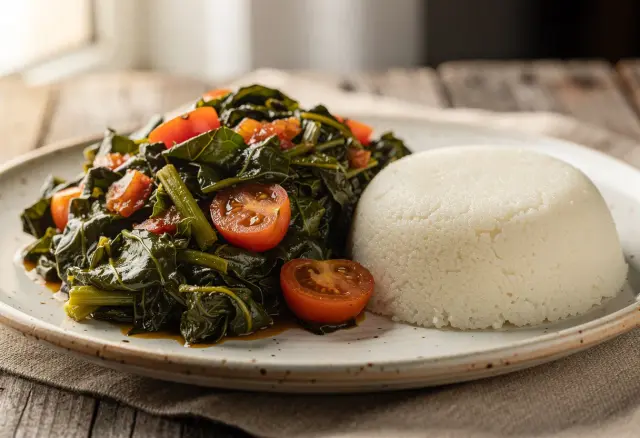
Sukuma Wiki & UgaliCollard greens braised with tomatoes and onion beside firm maize ugali, Kenya’s daily bread and greens.
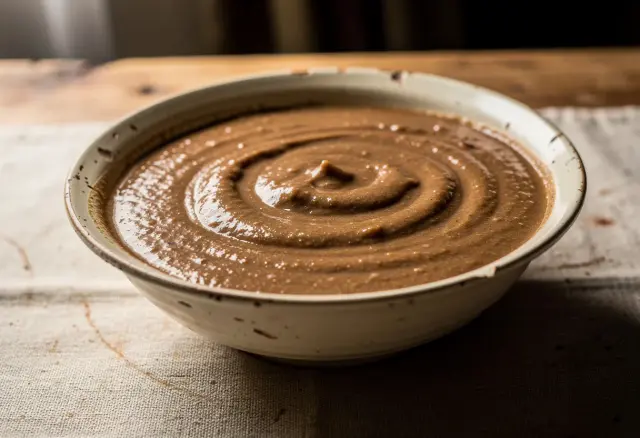
UjiA smooth, slightly sour fermented millet-and-sorghum porridge, sipped warm to start the day.
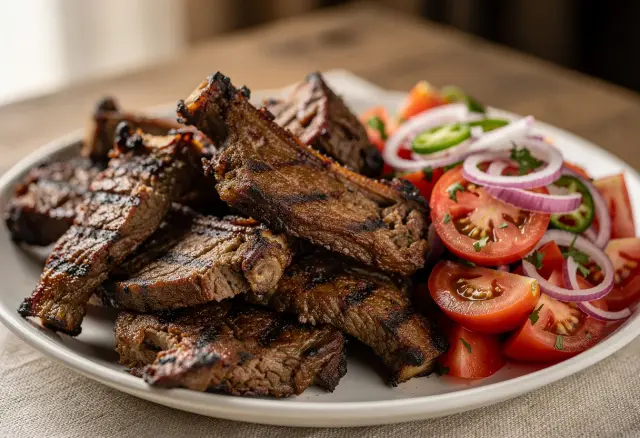
Nyama ChomaSimply salted goat or beef slow-grilled over charcoal and eaten with kachumbari and ugali, Kenya's social feast.
Browse all Kenya recipes →
Good to know
You’ll need: Skillet or frying pan, Griddle or flat pan, Steamer.
Storing it: Best the day it is made. Wrap well and refresh in a warm oven, or freeze and reheat straight from frozen.
Make it a Kenya meal

Kenyan ChaiDrink
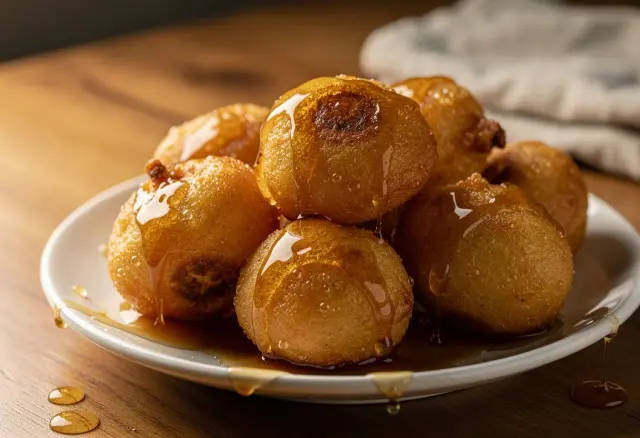
KaimatiDessert
Similar dishes from around the world
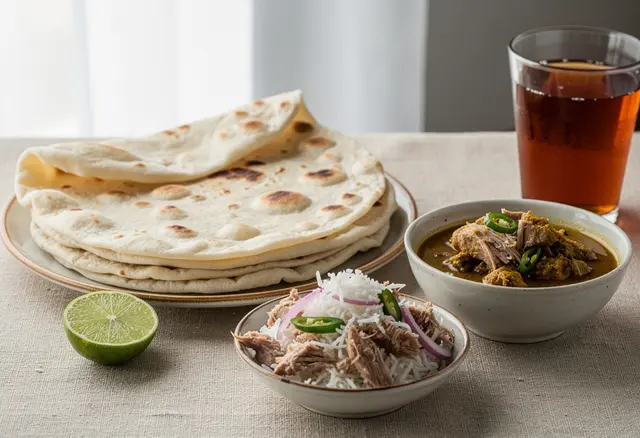
Roshi (Maldivian Flatbread)Maldives
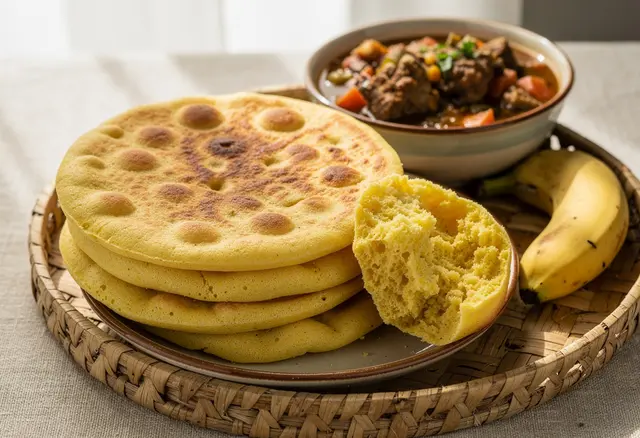
Muufo (Somali Corn Flatbread)Somalia
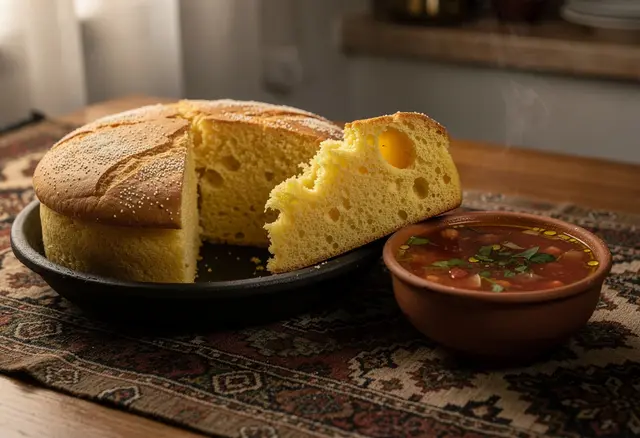
Matlouh (Algerian Semolina Pan Bread)Algeria
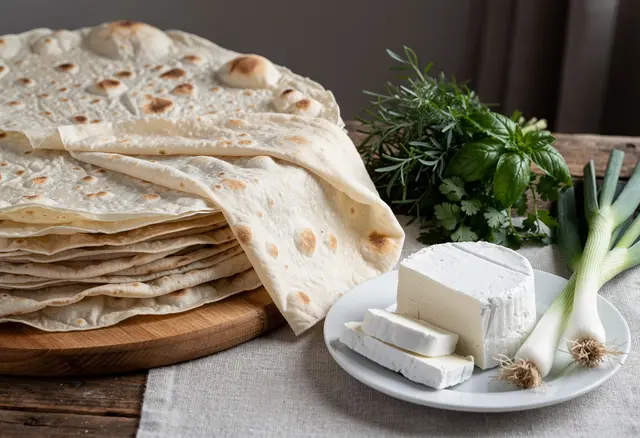
Lavash (Armenian Thin Flatbread)Armenia

Somun (Bosnian Flatbread)Bosnia & Herzegovina
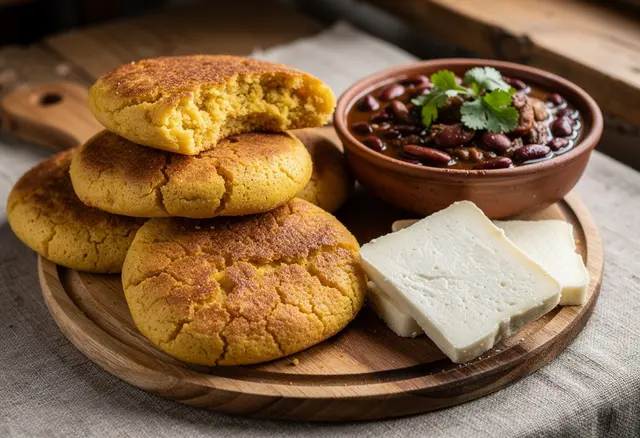
Mchadi (Georgian Cornbread)Georgia
Cuisine
Diet
Vegetarian Recipes from Around the World
Vegan Recipes from Around the World
Dairy-Free Recipes from Around the World
Nut-Free Recipes from Around the World
Egg-Free Recipes from Around the World
Pork-Free Recipes from Around the World
Vegan Kenyan Recipes
Vegetarian Kenyan Recipes
Dairy-Free Kenyan Recipes
Frequently asked questions
What is Chapati (Kenyan Soft Layered Flatbread)?
Soft, flaky wheat flatbreads, oiled, rolled up and coiled before a second rolling so they cook into tender layers on a hot pan, torn to scoop stews and beans.
Where does Chapati (Kenyan Soft Layered Flatbread) come from?
Chapati (Kenyan Soft Layered Flatbread) is a Kenyan dish from Nairobi, Kenya.
Can Chapati (Kenyan Soft Layered Flatbread) be made vegan, gluten-free, or dairy-free?
This Chapati (Kenyan Soft Layered Flatbread) recipe includes substitution suggestions for vegetarian, vegan, gluten-free, dairy-free, nut-free, egg-free, and pork-free versions. Treat the substitutions as a starting guide rather than a guarantee, and see the allergen note below.
Is Chapati (Kenyan Soft Layered Flatbread) safe for people with food allergies?
Our dietary labels and substitutions are a cooking guide, not medical or allergen-safety advice. We track dairy, egg, gluten, tree nuts and peanuts (we still count coconut as a tree nut to be cautious, although the FDA stopped listing it as one in 2025), fish, and shellfish, but we do not screen for sesame, soy, mustard, celery, or sulphites. If you have a food allergy, always read the label on every product you use, and remember a home or commercial kitchen can cross-contaminate ingredients in ways a recipe cannot control.
How long does Chapati (Kenyan Soft Layered Flatbread) take to make?
About 1 h 45 min in all: 35 minutes prep and 30 minutes cooking, plus 40 min of hands-off waiting the method needs, serving 8.
Get the Sunday Spin
One dish from somewhere in the world, in your inbox every Sunday. No spam, just dinner inspiration you can cook that day.