
🥔 SIDE
Lavash (Armenian Thin Flatbread)
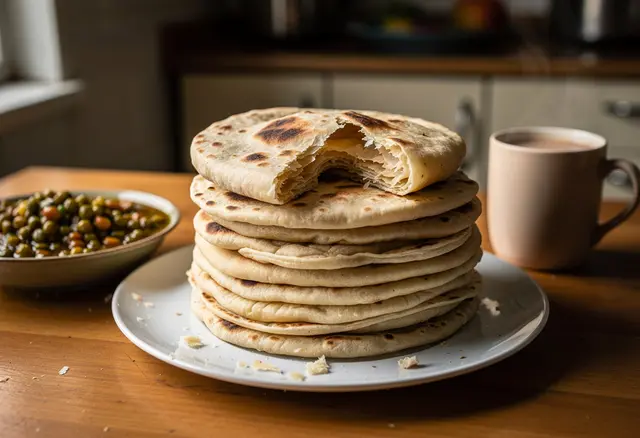
Paper-thin, soft sheets of flour, water and salt, rolled until you can see through them and baked in seconds on a very hot pan, for wrapping cheese, herbs and grilled meat.
Armenian · medium · serves 8
prep 30 min · cook 15 min · plus 45 min hands-off time
~182 cal · 4g protein · 33g carbs · 3g fat · 1g fiber · 0g sugars · 0g sat fat (estimated, per serving)
↓ Jump to Recipe
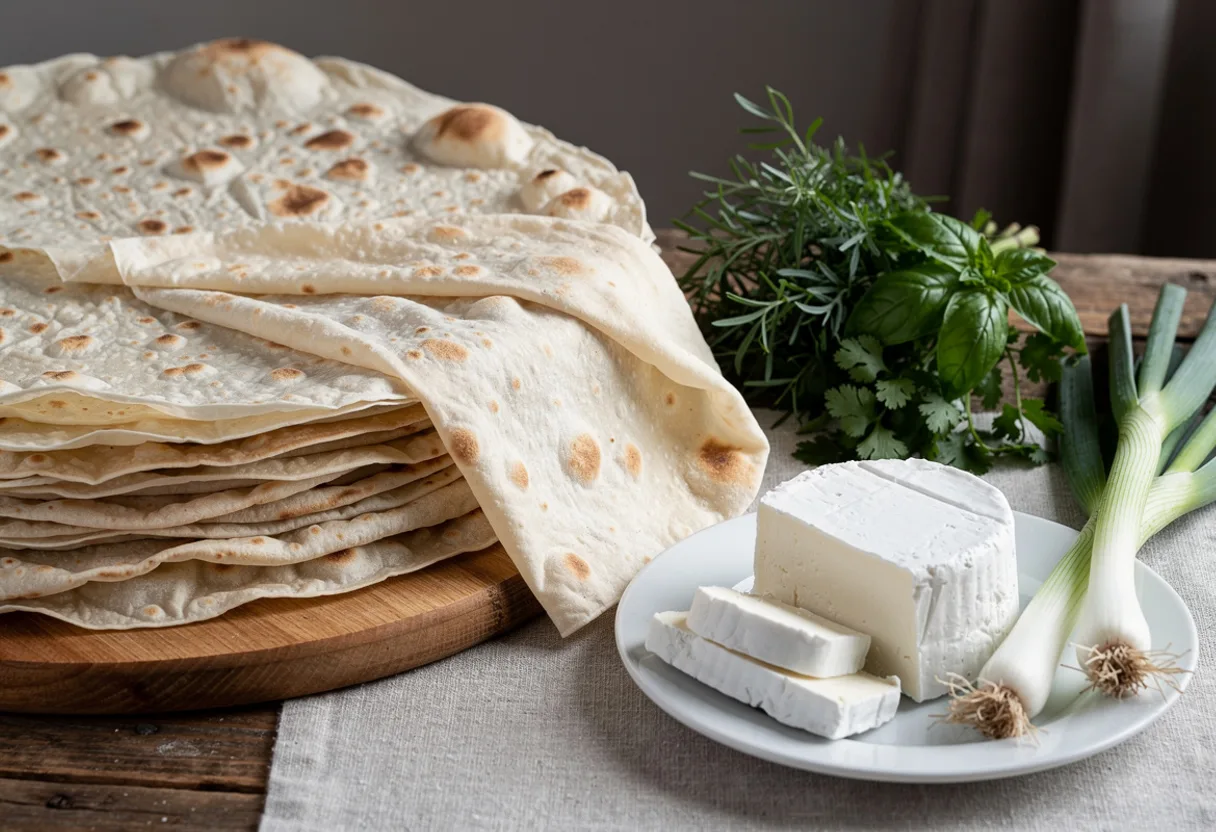
AI-generated illustration
Lavash is the everyday bread of Armenia, and in 2014 its making was inscribed on UNESCO's list of the Intangible Cultural Heritage of Humanity as an expression of Armenian culture. The dough is simple, wheat flour, water and salt, sometimes leavened with a piece of the last batch, and the skill is in rolling and stretching it thin enough to see through.
Traditionally it is a communal job for women: one , another rolls, another stretches the sheet over a padded oval cushion and slaps it onto the inside wall of the tonir, the clay oven sunk into the ground, where it bakes in well under a minute. Batches are dried and stacked, keeping for months, and softened again with a sprinkle of water and a cloth when needed. At weddings a sheet of lavash is laid over the shoulders of the bride and groom for luck and plenty.
It is served at almost every meal, torn and wrapped around cheese, fresh herbs and grilled meat. A very hot, heavy skillet stands in well for the tonir at home.
Saved recipes and passport stamps are kept on this device. Sign in to keep them across your devices and leave reviews.
Make it yours
✓ Naturally vegetarian, vegan and dairy-, nut-, egg- and pork-free. No swaps needed.
Toggle a diet and the ingredients rewrite themselves with regional substitutes.
🥕 Vegetarian
🌱 Vegan
🌾 Gluten-Free
🥛 Dairy-Free
🥜 Nut-Free
🥚 Egg-Free
🐖 Pork-Free
Dietary labels are a cooking guide, not allergen-safety advice. We track dairy, egg, gluten, tree nuts and peanuts (we count coconut as a tree nut, following FDA labeling), fish, and shellfish; we do not screen for sesame, soy, mustard, celery, or sulphites. If you have a food allergy, read the label on every product you use, and note that a kitchen can cross-contaminate in ways a recipe cannot control.
Ingredients
US
Metric
Serves 8
- 350 g (about 2 3/4 cups) bread flour or all-purpose flour, plus extra for rolling
- 1 1/4 tsp (7 g) fine salt
- 225 ml hot water
- 1 1/2 tbsp olive or sunflower oil, optional; makes the dough easier to roll
Instructions
- 1Mix the flour and salt in a bowl, pour in the hot water and oil and stir until there is no dry flour left. Knead briefly into a rough ball, cover and leave for 30 minutes so the flour hydrates and the dough relaxes.
- 2Knead the dough for 2 to 3 minutes until smooth, divide it into 10 pieces of about 60 g, roll each into a ball, cover and rest for 15 minutes.
- 3Heat a large, heavy skillet or griddle over high heat until a drop of water skitters and vanishes at once.
- 4On a well-floured surface, roll one ball out as thin as you possibly can, turning and flouring it often, until you can see your hand through it. Lift it over the backs of your hands to stretch it a little more.✎ Chef’s noteRoll the next sheet while the one before is cooking; it keeps the rhythm going and the pan hot.
- 5Lay the sheet in the dry pan and cook for 30 to 45 seconds, until it bubbles and has light brown spots underneath, then flip and cook for 15 to 30 seconds more. Do not let it crisp.
- 6Stack each lavash on a plate under a clean, slightly damp towel as it comes off the pan, so the stack steams and stays soft and foldable. Serve with cheese, herbs and grilled meat.✎ Chef’s noteLavash that has dried out comes back to life with a light sprinkle of water and 10 minutes wrapped in a towel.
Armenian tradition (UNESCO Intangible Cultural Heritage, 2014).
Ratings & reviews
Cooked it? Rate this dish:
No account needed. Sign in to leave a full review with a comment.
Cooked it?
Kept on this device, no account needed. Sign in to leave a review and keep your passport across your devices.
No reviews yet, be the first to cook it.
🌏 While it simmers, know your destination
📍
Yerevan. Armenian lavash went onto UNESCO's list in 2014, and what was inscribed was the whole practice: dough slapped onto the wall of a clay tonir by groups of women, sheets stacked and dried, then flicked with water to soften before a meal. It works as plate, wrapper and spoon at once.
🗺️
Armenia. The apricot carries Armenia's name in Latin, Prunus armeniaca, but genetic work points to Central Asia rather than Armenia as the centre of origin, and the name reflects the route by which the fruit reached Europe. What is not in doubt is how deep it runs here: it is the national fruit, its colour sits on the flag, and the duduk is carved from apricot wood.
🌍
Asia. Asia is the world's largest and most populous continent, and its food spans the delicate seasonality of Japanese washoku, the chili-fired curries of India and Thailand, and the wheat-and-lamb traditions of Central Asia. Rice, noodles, soy, and fermentation recur across its regions, while ancient spice routes and religious traditions shaped distinct grammars of flavor. Whether from a street-cart wok or a monastery kitchen, eating is deeply communal and ritual-rich.
The story behind this dish is up top, worth a read while the pot works.
More from Armenia
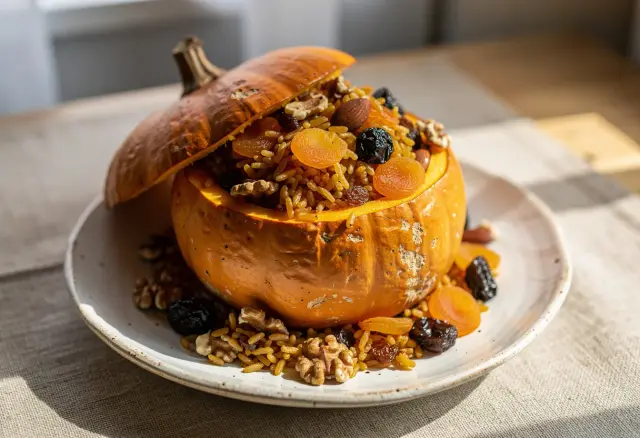
Ghapama (Stuffed Pumpkin)A whole pumpkin packed with rice, dried apricots, walnuts, and honey, baked until the shell is a spoonable bowl.
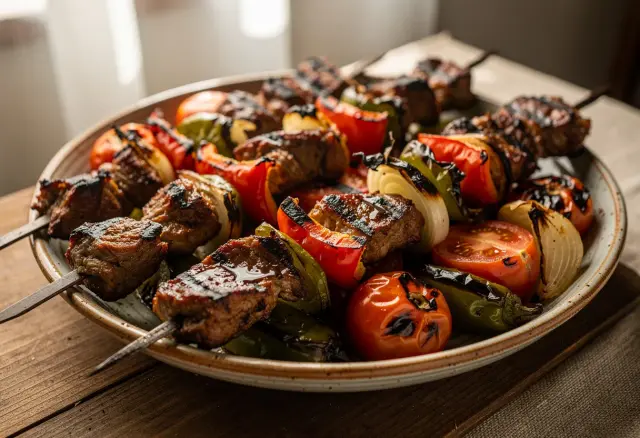
KhorovatsArmenian barbecue: marinated pork or lamb grilled over vine coals with fire-roasted vegetables.
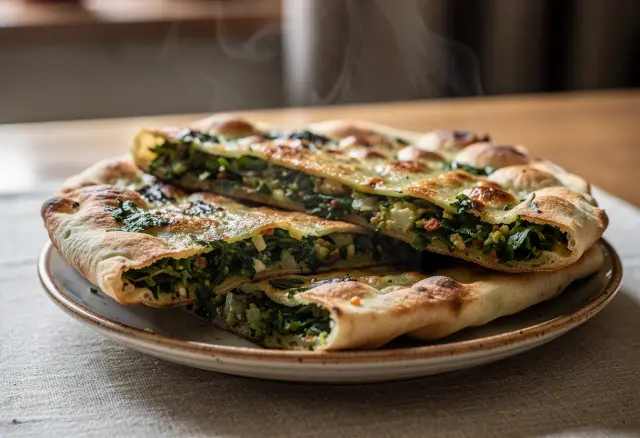
Zhingyalov HatsThin flatbread stuffed with a dozen or more chopped herbs and greens, griddled until blistered.
Browse all Armenia recipes →
Good to know
You’ll need: Skillet or frying pan, Griddle or flat pan.
Storing it: Best the day it is made. Wrap well and refresh in a warm oven, or freeze and reheat straight from frozen.
Make it an Armenia meal
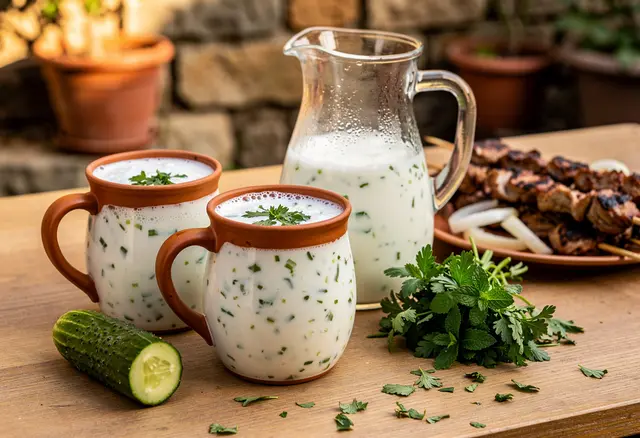
Tan (Armenian Herbed Yogurt Drink)Drink
Ghapama (Stuffed Pumpkin)Dessert
Similar dishes from around the world

Flatkaka (Icelandic Rye Flatbread)Iceland
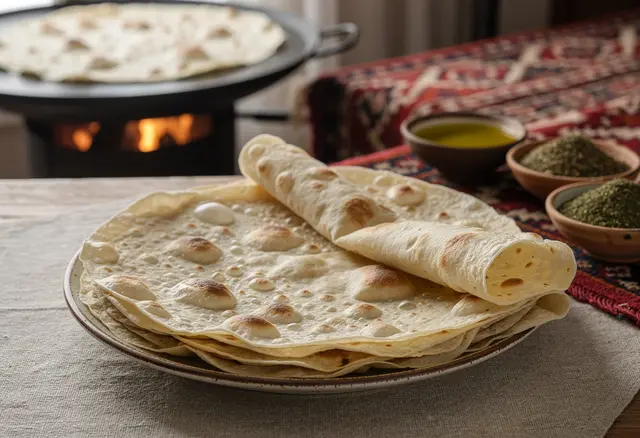
Shrak (Jordanian Bedouin Saj Bread)Jordan
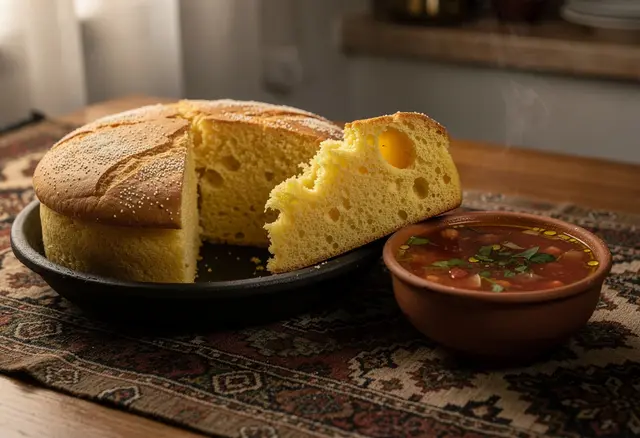
Matlouh (Algerian Semolina Pan Bread)Algeria

Somun (Bosnian Flatbread)Bosnia & Herzegovina
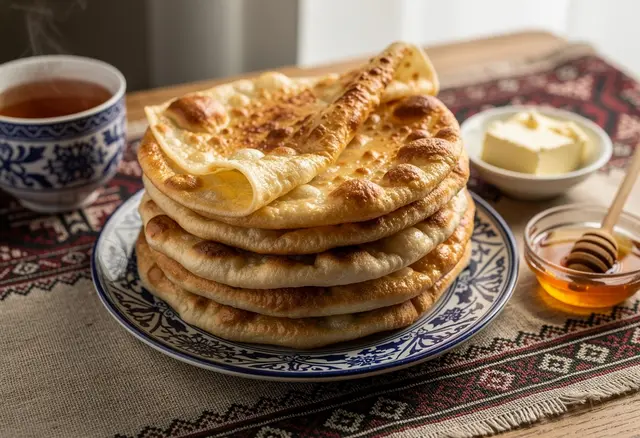
Shelpek (Kazakh Fried Flatbread)Kazakhstan
Chapati (Kenyan Soft Layered Flatbread)Kenya
Cuisine
Diet
Frequently asked questions
What is Lavash (Armenian Thin Flatbread)?
Paper-thin, soft sheets of flour, water and salt, rolled until you can see through them and baked in seconds on a very hot pan, for wrapping cheese, herbs and grilled meat.
Where does Lavash (Armenian Thin Flatbread) come from?
Lavash (Armenian Thin Flatbread) is an Armenian dish from Yerevan, Armenia.
Can Lavash (Armenian Thin Flatbread) be made vegan, gluten-free, or dairy-free?
This Lavash (Armenian Thin Flatbread) recipe includes substitution suggestions for vegetarian, vegan, gluten-free, dairy-free, nut-free, egg-free, and pork-free versions. Treat the substitutions as a starting guide rather than a guarantee, and see the allergen note below.
Is Lavash (Armenian Thin Flatbread) safe for people with food allergies?
Our dietary labels and substitutions are a cooking guide, not medical or allergen-safety advice. We track dairy, egg, gluten, tree nuts and peanuts (we still count coconut as a tree nut to be cautious, although the FDA stopped listing it as one in 2025), fish, and shellfish, but we do not screen for sesame, soy, mustard, celery, or sulphites. If you have a food allergy, always read the label on every product you use, and remember a home or commercial kitchen can cross-contaminate ingredients in ways a recipe cannot control.
How long does Lavash (Armenian Thin Flatbread) take to make?
About 1 h 30 min in all: 30 minutes prep and 15 minutes cooking, plus 45 min of hands-off waiting the method needs, serving 8.
Get the Sunday Spin
One dish from somewhere in the world, in your inbox every Sunday. No spam, just dinner inspiration you can cook that day.