Africa → Republic of the Congo → Brazzaville

🥔 SIDE
Chikwangue (Kwanga, Congolese Fermented Cassava Loaf)
Cassava soaked for days until it ferments, pressed, ground and part-cooked, then kneaded, rolled into batons, wrapped in leaves and boiled into firm, springy, tangy loaves.
Congolese · advanced · serves 8
prep 60 min · cook 70 min · plus 3.5 days hands-off time
~400 cal · 3g protein · 95g carbs · 0g fat · 5g fiber · 4g sugars · 0g sat fat (estimated, per serving)
↓ Jump to Recipe
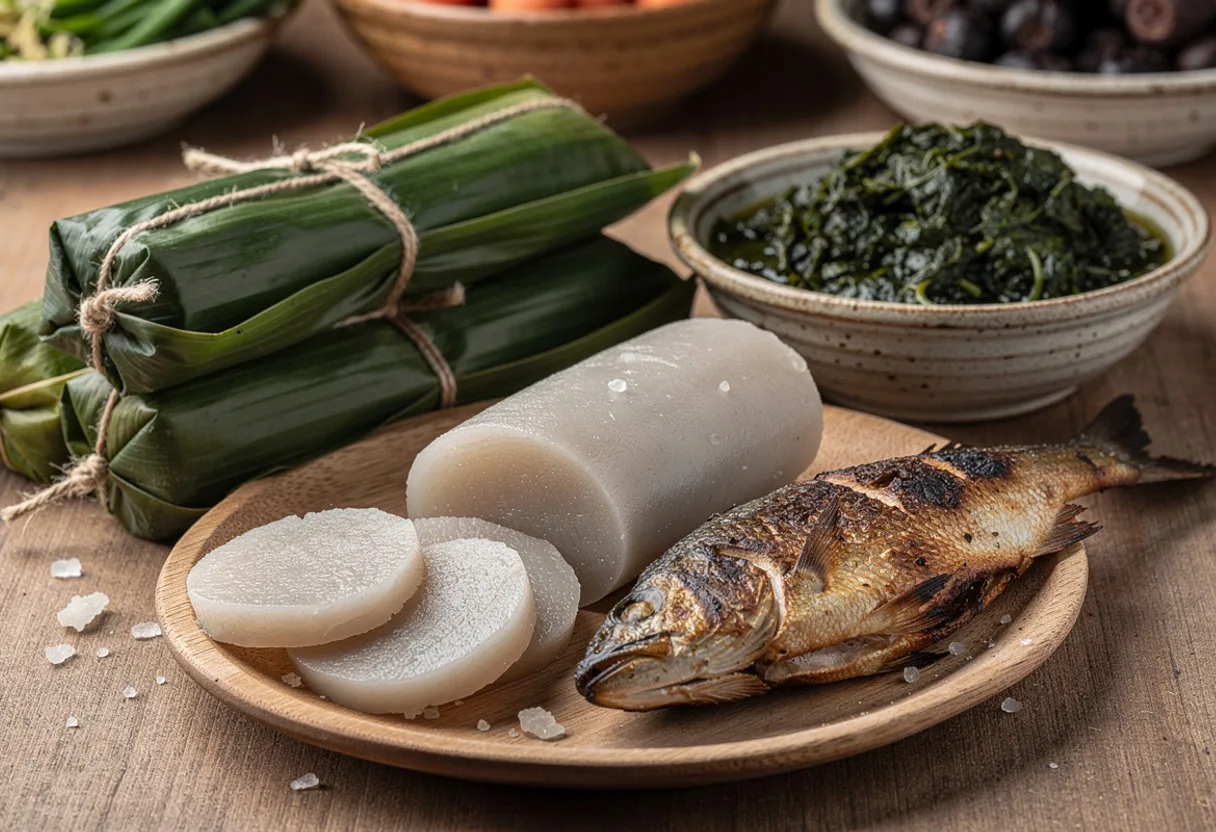
AI-generated illustration
Chikwangue, called kwanga in Lingala and kikwaga in Kikongo, is the staple starch of both banks of the Congo river. It is prized in Brazzaville and Kinshasa alike, and a slice of it goes beside almost any dish with a sauce. The same loaf is made in Cameroon (bobolo and miondo), Gabon and Equatorial Guinea.
It is a slow food. Peeled is left in water for several days until it softens and , which also rids the root of its harmful compounds. The fibres are pulled out, the pulp is pressed dry, ground to a smooth paste and part-cooked, then kneaded with the raw paste, shaped into long batons, wrapped tightly in leaves and cooked again.
The result is dense, elastic and pleasantly sour, and it keeps for days in its leaf wrapping without refrigeration. Outside Central Africa, ready-made kwanga is sold frozen in African grocers, but making it by hand shows why Congolese cooks say it demands patience above all.
Saved recipes and passport stamps are kept on this device. Sign in to keep them across your devices and leave reviews.
Make it yours
✓ Naturally vegetarian, vegan and gluten-, dairy-, nut-, egg- and pork-free. No swaps needed.
Toggle a diet and the ingredients rewrite themselves with regional substitutes.
🥕 Vegetarian
🌱 Vegan
🌾 Gluten-Free
🥛 Dairy-Free
🥜 Nut-Free
🥚 Egg-Free
🐖 Pork-Free
Dietary labels are a cooking guide, not allergen-safety advice. We track dairy, egg, gluten, tree nuts and peanuts (we count coconut as a tree nut, following FDA labeling), fish, and shellfish; we do not screen for sesame, soy, mustard, celery, or sulphites. If you have a food allergy, read the label on every product you use, and note that a kitchen can cross-contaminate in ways a recipe cannot control.
Ingredients
US
Metric
Serves 8
- 2 kg fresh sweet roots, buy sweet (not bitter) cassava
- for soaking and cooking water
- 8 to 10 large banana leaves or marantaceae leaves, for wrappingHard to find? foil - Works for shaping and boiling, but the loaves lose the faint green perfume the leaves give them.
- for tying kitchen string
Instructions
- 1Peel the cassava completely, cut it into large pieces and wash well. Put it in a large bucket or bowl, cover with lukewarm water, cover the container and leave it at warm room temperature for 3 days, until the cassava is soft enough to crumble between your fingers and smells pleasantly sour.✎ Chef’s noteFermenting and then cooking are what make cassava safe to eat, so do not shorten either stage.
- 2Rinse the cassava several times in clean water. Crumble it into a sieve set over a basin and pull out the tough central fibres.
- 3Pack the pulp into a clean cloth bag, tie it closed and press out as much water as you can by hand. Lay it flat with a heavy weight on top and leave it to drain overnight.
- 4Grind or pound the drained pulp into a smooth, soft paste and divide it in half. Cook one half in a pot with a splash of hot water for about 5 minutes, stirring hard, until it turns into a sticky, translucent dough like fufu.
- 5Knead the cooked and raw halves together on a board, working in the raw paste a little at a time, until completely smooth and even. Shape into batons about 25 cm long.
- 6Soften the leaves over a flame or in hot water. Wrap each baton tightly in two layers of leaves and tie with string.
- 7Stand or lay the parcels in a large pot, cover with water and boil for 45 minutes to 1 hour, topping up with water as needed, until the loaves are firm and springy. Serve warm or at room temperature, sliced, beside sauces, greens or grilled fish.
Congolese home tradition, both banks of the Congo river.
Ratings & reviews
Cooked it? Rate this dish:
No account needed. Sign in to leave a full review with a comment.
Cooked it?
Kept on this device, no account needed. Sign in to leave a review and keep your passport across your devices.
No reviews yet, be the first to cook it.
🌏 While it simmers, know your destination
📍
Brazzaville. Brazzaville faces the Congo River and steams fish in leaf parcels as liboke, seasoned with onion, pepper, and oil. Cassava leaves, plantain, and the cassava loaf chikwangue carry the everyday meal alongside groundnut sauces.
🗺️
Republic of the Congo. Congolese cooking centers on cassava and its leaves (saka-saka), grilled fish wrapped in leaves (liboke), and palm-oil stews. Plantain, peanut, and pili pili heat define a Central African river table.
🌍
Africa. Much of what reads as timeless African cooking is younger than the Atlantic crossings. Maize, cassava, groundnut, chilli and tomato all arrived from the Americas after 1500 and pushed older crops aside; millet, sorghum, teff, yam and fonio are the ones that were already here, and the map still shows the join.
The story behind this dish is up top, worth a read while the pot works.
More from Republic of the Congo
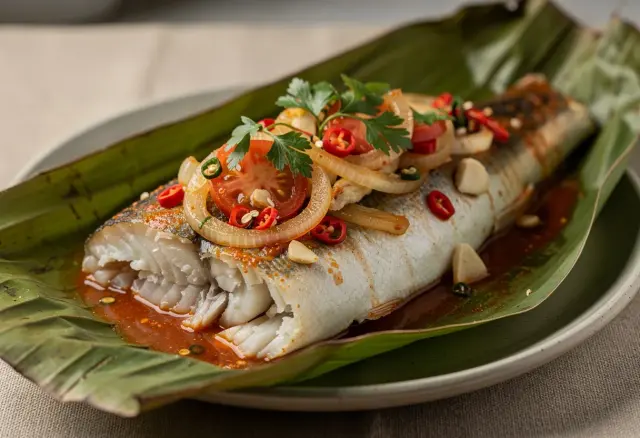
Liboke ya MbisiWhole fish seasoned and steamed in banana or marantacea leaves until fragrant and flaking.
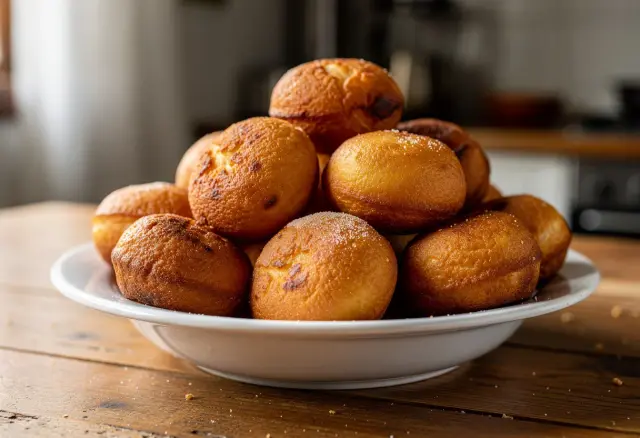
Beignets CongolaisPuffy, faintly sweet fried dough balls sold hot on Brazzaville street corners and eaten with sweet coffee at daybreak.
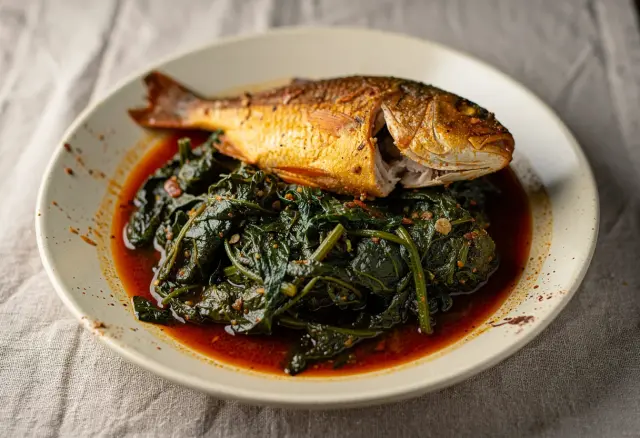
Ngai NgaiA tart roselle-leaf stew (ngai ngai means "sour sour") cooked down with onion, tomato, and red palm oil and served with fried fish and fufu, a Congolese staple.
Browse all Republic of the Congo recipes →
Good to know
You’ll need: Pot or saucepan.
Storing it: Best the day it is made. Wrap well and refresh in a warm oven, or freeze and reheat straight from frozen.
Make it a Republic of the Congo meal
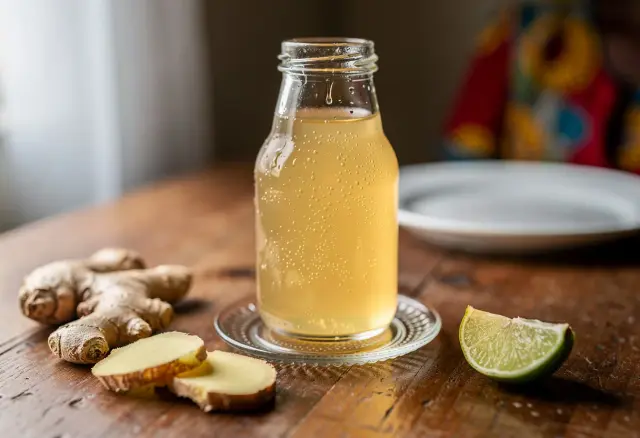
Tangawisi (Congolese Ginger Tonic)Drink
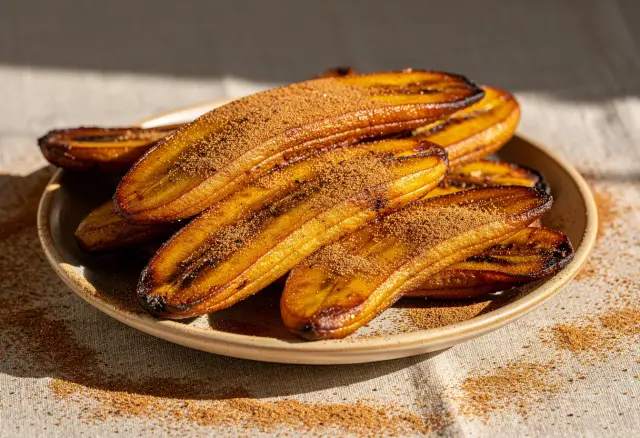
Makemba (Sweet Fried Plantain)Dessert
Similar dishes from around the world
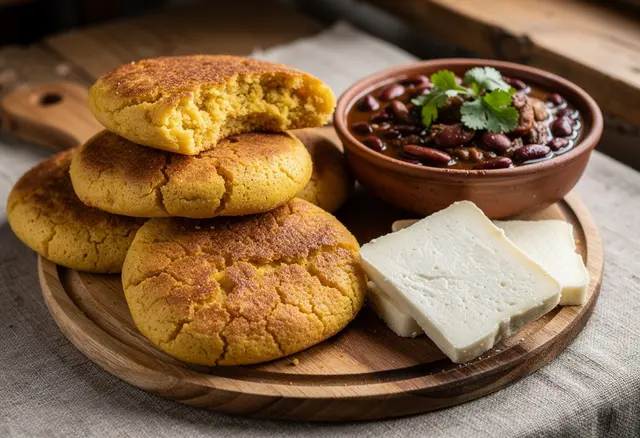
Mchadi (Georgian Cornbread)Georgia
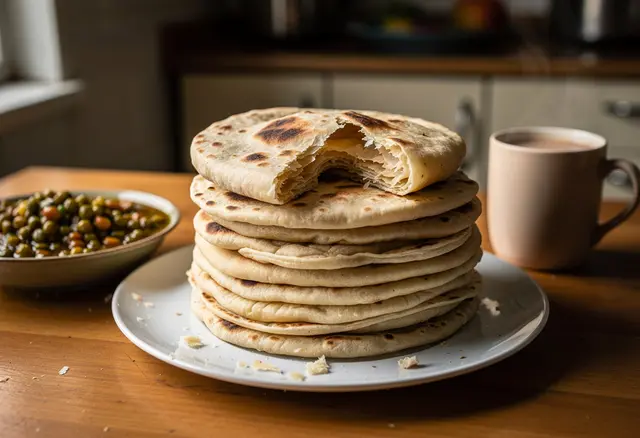
Chapati (Kenyan Soft Layered Flatbread)Kenya
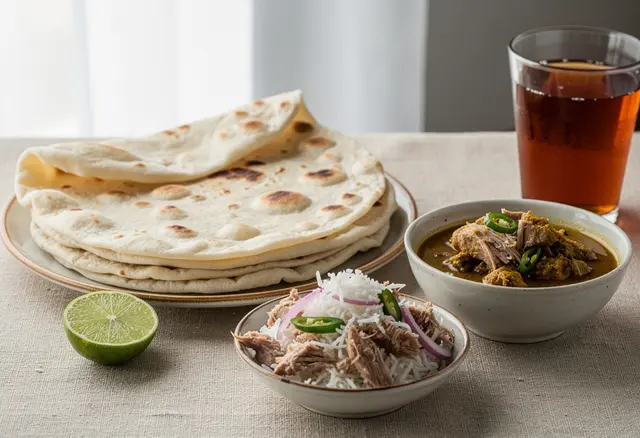
Roshi (Maldivian Flatbread)Maldives
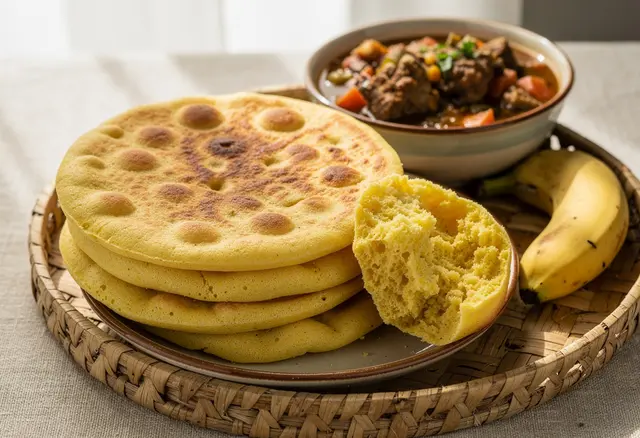
Muufo (Somali Corn Flatbread)Somalia
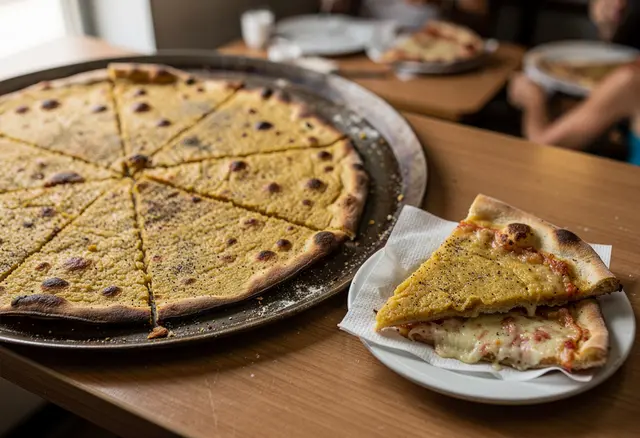
Fainá (Uruguayan Chickpea Flour Flatbread)Uruguay
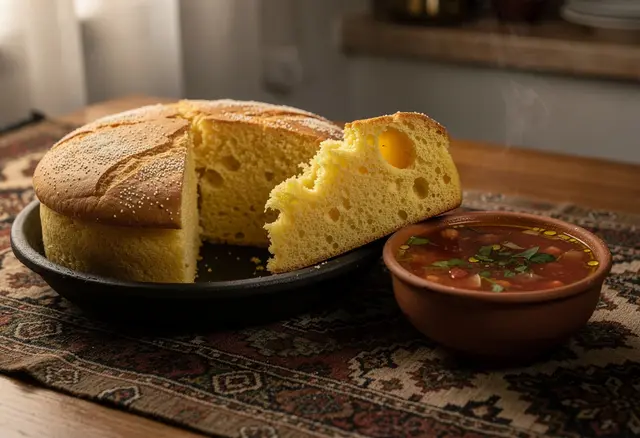
Matlouh (Algerian Semolina Pan Bread)Algeria
Cuisine
Diet
Vegetarian Recipes from Around the World
Vegan Recipes from Around the World
Gluten-Free Recipes from Around the World
Dairy-Free Recipes from Around the World
Nut-Free Recipes from Around the World
Egg-Free Recipes from Around the World
Pork-Free Recipes from Around the World
Vegan Congolese Recipes
Gluten-Free Congolese Recipes
Dairy-Free Congolese Recipes
Frequently asked questions
What is Chikwangue (Kwanga, Congolese Fermented Cassava Loaf)?
Cassava soaked for days until it ferments, pressed, ground and part-cooked, then kneaded, rolled into batons, wrapped in leaves and boiled into firm, springy, tangy loaves.
Where does Chikwangue (Kwanga, Congolese Fermented Cassava Loaf) come from?
Chikwangue (Kwanga, Congolese Fermented Cassava Loaf) is a Congolese dish from Brazzaville, Republic of the Congo.
Can Chikwangue (Kwanga, Congolese Fermented Cassava Loaf) be made vegan, gluten-free, or dairy-free?
This Chikwangue (Kwanga, Congolese Fermented Cassava Loaf) recipe includes substitution suggestions for vegetarian, vegan, gluten-free, dairy-free, nut-free, egg-free, and pork-free versions. Treat the substitutions as a starting guide rather than a guarantee, and see the allergen note below.
Is Chikwangue (Kwanga, Congolese Fermented Cassava Loaf) safe for people with food allergies?
Our dietary labels and substitutions are a cooking guide, not medical or allergen-safety advice. We track dairy, egg, gluten, tree nuts and peanuts (we still count coconut as a tree nut to be cautious, although the FDA stopped listing it as one in 2025), fish, and shellfish, but we do not screen for sesame, soy, mustard, celery, or sulphites. If you have a food allergy, always read the label on every product you use, and remember a home or commercial kitchen can cross-contaminate ingredients in ways a recipe cannot control.
How long does Chikwangue (Kwanga, Congolese Fermented Cassava Loaf) take to make?
About 3.5 days in all: 60 minutes prep and 70 minutes cooking, plus 3.5 days of hands-off waiting the method needs, serving 8.
Get the Sunday Spin
One dish from somewhere in the world, in your inbox every Sunday. No spam, just dinner inspiration you can cook that day.