
🥤 DRINK
Hyldeblomstsaft (Danish Elderflower Cordial)
Fresh elderflower heads steeped for three days in lemon syrup, strained into a fragrant cordial that turns cold water into the taste of a Danish June.
Danish · easy · serves 30
prep 30 min · cook 10 min · plus 3 days hands-off time
~92 cal · 0g protein · 24g carbs · 0g fat · 0g fiber · 23g sugars · 0g sat fat (estimated, per serving)
↓ Jump to Recipe
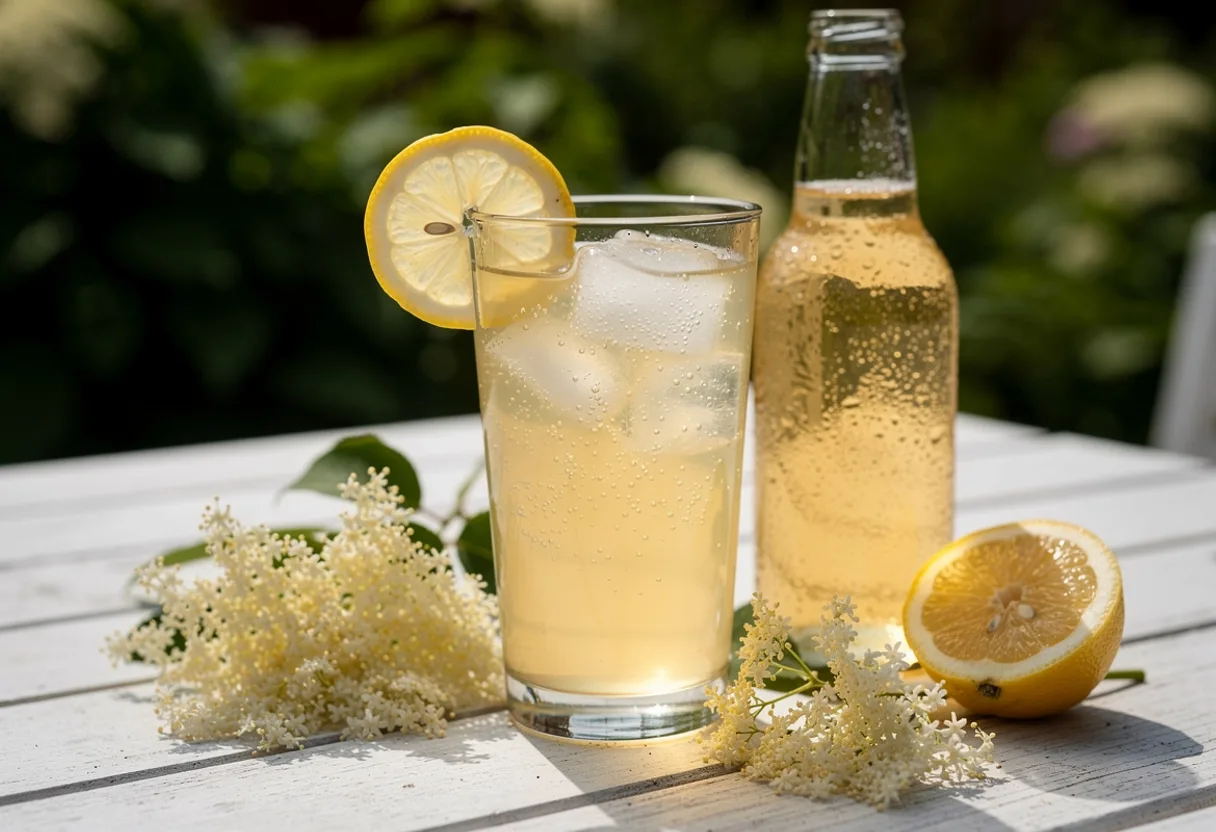
AI-generated illustration
When the elder bushes along Danish hedgerows and roadsides flower in June, families go out to pick the flat, creamy heads and make hyldeblomstsaft. The cordial is a staple of Danish summers, poured for children and grown-ups alike.
The elder has a long place in Danish folklore. The tree was believed to be home to Hyldemor, the Elder Mother, a protective spirit, and people treated it with respect as a guard against evil and misfortune. Both its flowers and berries were used in folk medicine.
The saft itself is simple: the flowers in a syrup of sugar, water, lemon and citric acid in the fridge for three or four days, then the liquid is strained through a cloth. The citric acid sharpens the taste and helps it keep. Diluted with cold still or sparkling water it is the everyday summer drink; it also goes into sparkling wine, over ice cream, or into ice cube trays to last through the year.
Saved recipes and passport stamps are kept on this device. Sign in to keep them across your devices and leave reviews.
Make it yours
✓ Naturally vegetarian, vegan and gluten-, dairy-, egg-, nut- and pork-free. No swaps needed.
Toggle a diet and the ingredients rewrite themselves with regional substitutes.
🥕 Vegetarian
🌱 Vegan
🌾 Gluten-Free
🥛 Dairy-Free
🥜 Nut-Free
🥚 Egg-Free
🐖 Pork-Free
Dietary labels are a cooking guide, not allergen-safety advice. We track dairy, egg, gluten, tree nuts and peanuts (we count coconut as a tree nut, following FDA labeling), fish, and shellfish; we do not screen for sesame, soy, mustard, celery, or sulphites. If you have a food allergy, read the label on every product you use, and note that a kitchen can cross-contaminate in ways a recipe cannot control.
Ingredients
US
Metric
Serves 30
- 30 elderflower heads, freshly picked
- 1.5 l water
- 700 g sugar
- 3 organic lemons
- 3 tsp citric acid
Instructions
- 1Pick the elderflowers on a dry, sunny day, well away from busy roads. Shake each head to dislodge insects and snip off the thick green stalks, keeping only the flowers and the finest stems.✎ Chef’s noteDo not rinse the flowers unless you must: much of the scent sits in the pollen. Use only creamy white elder heads (Sambucus nigra), since other white umbrella-shaped flowers can be poisonous.
- 2Bring the water and sugar to the boil, stirring until the sugar has dissolved, then take the pan off the heat.
- 3Stir in the citric acid, the finely grated zest of the lemons and their juice.✎ Chef’s noteAvoid the white pith, which makes the saft bitter.
- 4Put the flower heads in a large bowl or pot, pour the syrup over and push them under.
- 5Cover and leave in the fridge for 3 to 4 days, stirring once a day.
- 6Strain through a sieve lined with a clean, damp cloth into a bowl, without pressing the flowers, then pour into clean, scalded bottles.✎ Chef’s noteSqueezing the flowers pushes bitterness into the saft. It keeps for about two months in the fridge, and freezes well in ice cube trays.
- 7To serve, mix 1 part cordial with 4 parts cold still or sparkling water, with ice and a slice of lemon.
Danish summer tradition.
Ratings & reviews
Cooked it? Rate this dish:
No account needed. Sign in to leave a full review with a comment.
Cooked it?
Kept on this device, no account needed. Sign in to leave a review and keep your passport across your devices.
No reviews yet, be the first to cook it.
🌏 While it simmers, know your destination
📍
Zealand (Copenhagen). The New Nordic Cuisine Manifesto was written in Copenhagen in November 2004 by a group of Nordic chefs including Claus Meyer and Rene Redzepi, and what it argued for was already sitting in the local larder: seasonality, purity, and the region's own ingredients in place of imported luxury.
🗺️
Denmark. What Danes call wienerbrod, Vienna bread, is what everyone else calls Danish pastry, and the name is the accurate one: the laminated technique arrived with Austrian bakers in the nineteenth century. The other Danish export is dated too. The New Nordic Cuisine Manifesto was written in Copenhagen in November 2004, by named authors, and is a movement rather than a tradition.
🌍
Europe. A surprising amount of European cooking is under five hundred years old. Tomatoes, potatoes, peppers, maize, beans and chocolate all crossed from the Americas after 1492, and none of them was trusted quickly: the potato took most of the eighteenth century to be accepted as food rather than animal fodder across much of the north.
The story behind this dish is up top, worth a read while the pot works.
More from Denmark
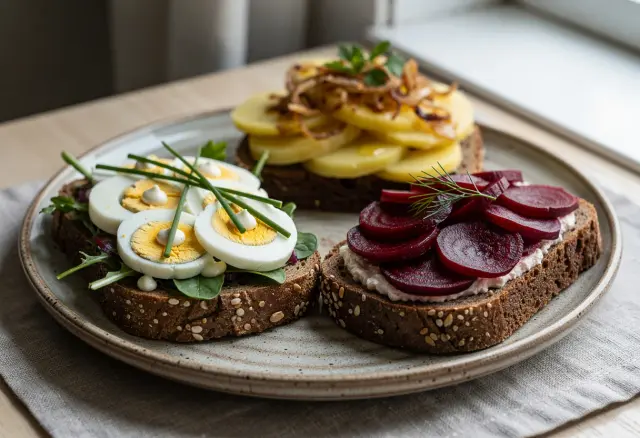
Smørrebrød (Three Classics)Denmark’s open-faced rye sandwiches, built in proper order: egg & tomato, potato & chive, and beet & apple.
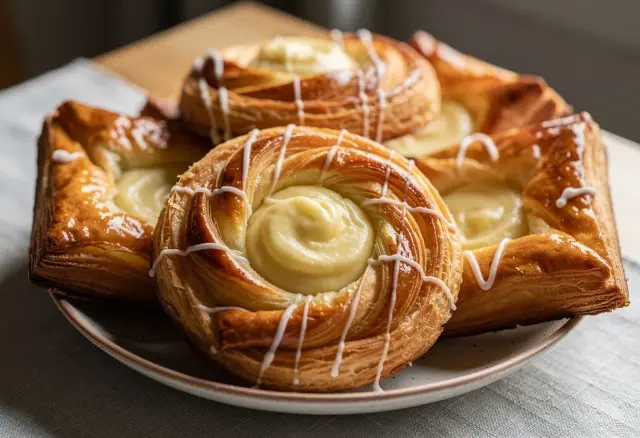
WienerbrødThe original "Danish": flaky laminated pastry with custard or jam, glazed and eaten with coffee.
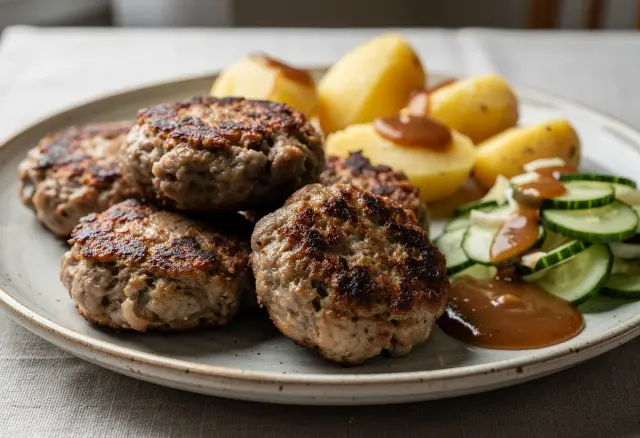
FrikadellerPan-fried pork-and-veal meatballs, flattened and golden, the everyday staple at the heart of Danish home cooking.
Browse all Denmark recipes →
Good to know
You’ll need: Pot or saucepan.
Storing it: Keep chilled and covered, and enjoy within 2 to 3 days.
Make it a Denmark meal
Smørrebrød (Three Classics)Dinner
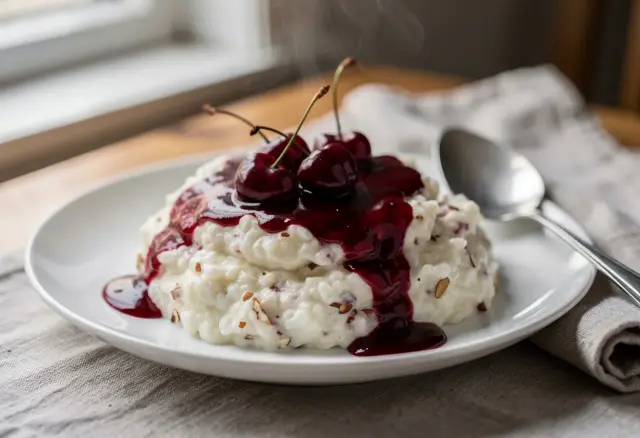
RisalamandeDessert
Similar dishes from around the world
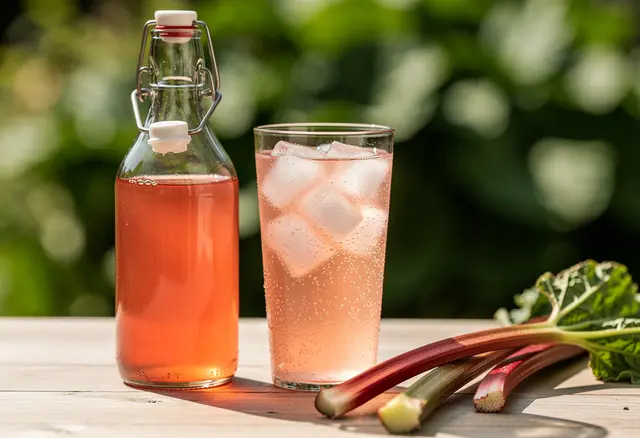
Rabarbrasaft (Norwegian Rhubarb Cordial)Norway
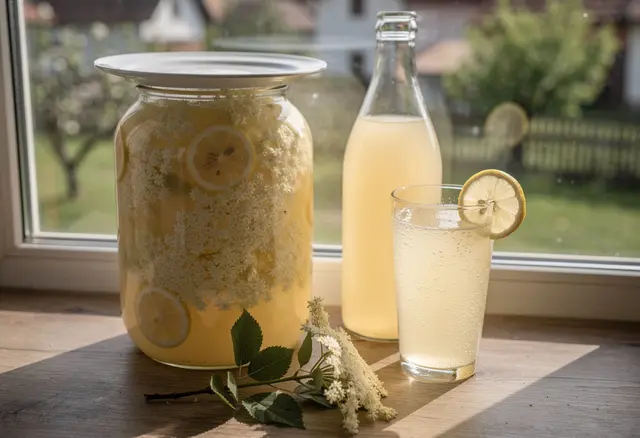
Socată (Romanian Fermented Elderflower Drink)Romania
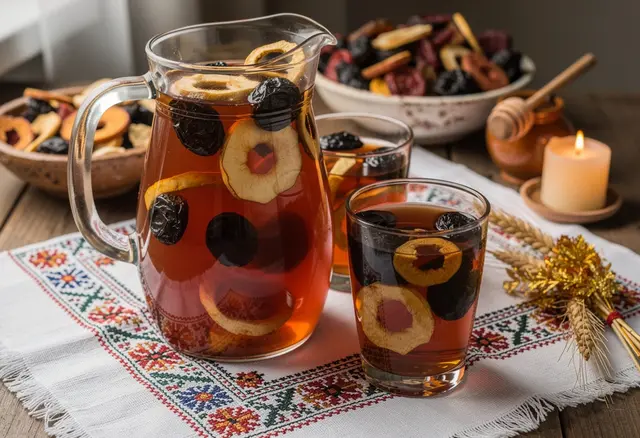
Uzvar (Ukrainian Smoked Dried Fruit Drink)Ukraine
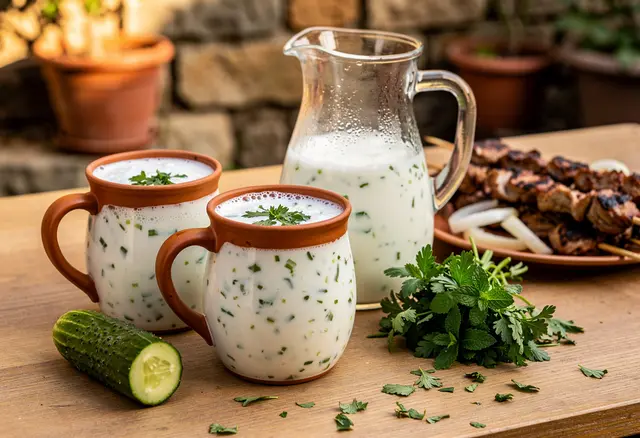
Tan (Armenian Herbed Yogurt Drink)Armenia
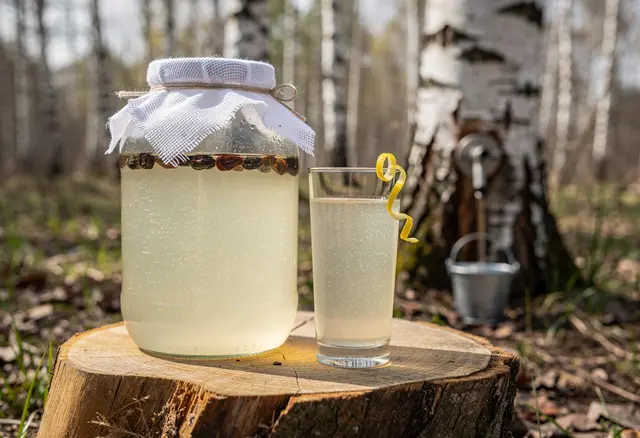
Biarozavik (Belarusian Fermented Birch Sap)Belarus

Cypriot Brandy SourCyprus
Drinks
Frequently asked questions
What is Hyldeblomstsaft (Danish Elderflower Cordial)?
Fresh elderflower heads steeped for three days in lemon syrup, strained into a fragrant cordial that turns cold water into the taste of a Danish June.
Where does Hyldeblomstsaft (Danish Elderflower Cordial) come from?
Hyldeblomstsaft (Danish Elderflower Cordial) is a Danish dish from Zealand (Copenhagen), Denmark.
Can Hyldeblomstsaft (Danish Elderflower Cordial) be made vegan, gluten-free, or dairy-free?
This Hyldeblomstsaft (Danish Elderflower Cordial) recipe includes substitution suggestions for vegetarian, vegan, gluten-free, dairy-free, nut-free, egg-free, and pork-free versions. Treat the substitutions as a starting guide rather than a guarantee, and see the allergen note below.
Is Hyldeblomstsaft (Danish Elderflower Cordial) safe for people with food allergies?
Our dietary labels and substitutions are a cooking guide, not medical or allergen-safety advice. We track dairy, egg, gluten, tree nuts and peanuts (we still count coconut as a tree nut to be cautious, although the FDA stopped listing it as one in 2025), fish, and shellfish, but we do not screen for sesame, soy, mustard, celery, or sulphites. If you have a food allergy, always read the label on every product you use, and remember a home or commercial kitchen can cross-contaminate ingredients in ways a recipe cannot control.
How long does Hyldeblomstsaft (Danish Elderflower Cordial) take to make?
About 3 days in all: 30 minutes prep and 10 minutes cooking, plus 3 days of hands-off waiting the method needs, serving 30.
Get the Sunday Spin
One dish from somewhere in the world, in your inbox every Sunday. No spam, just dinner inspiration you can cook that day.