
🥗 STARTER
Kashk-e Bademjan (Persian Eggplant and Kashk Dip)
Fried eggplant mashed with golden onions, garlic and turmeric, enriched with tangy kashk and walnuts, and finished with fried onion, sizzled dried mint and swirls of kashk.
Iranian · medium · serves 6
prep 20 min · cook 60 min · plus 30 min hands-off time
~228 cal · 4g protein · 17g carbs · 17g fat · 7g fiber · 8g sugars · 2g sat fat (estimated, per serving)
↓ Jump to Recipe
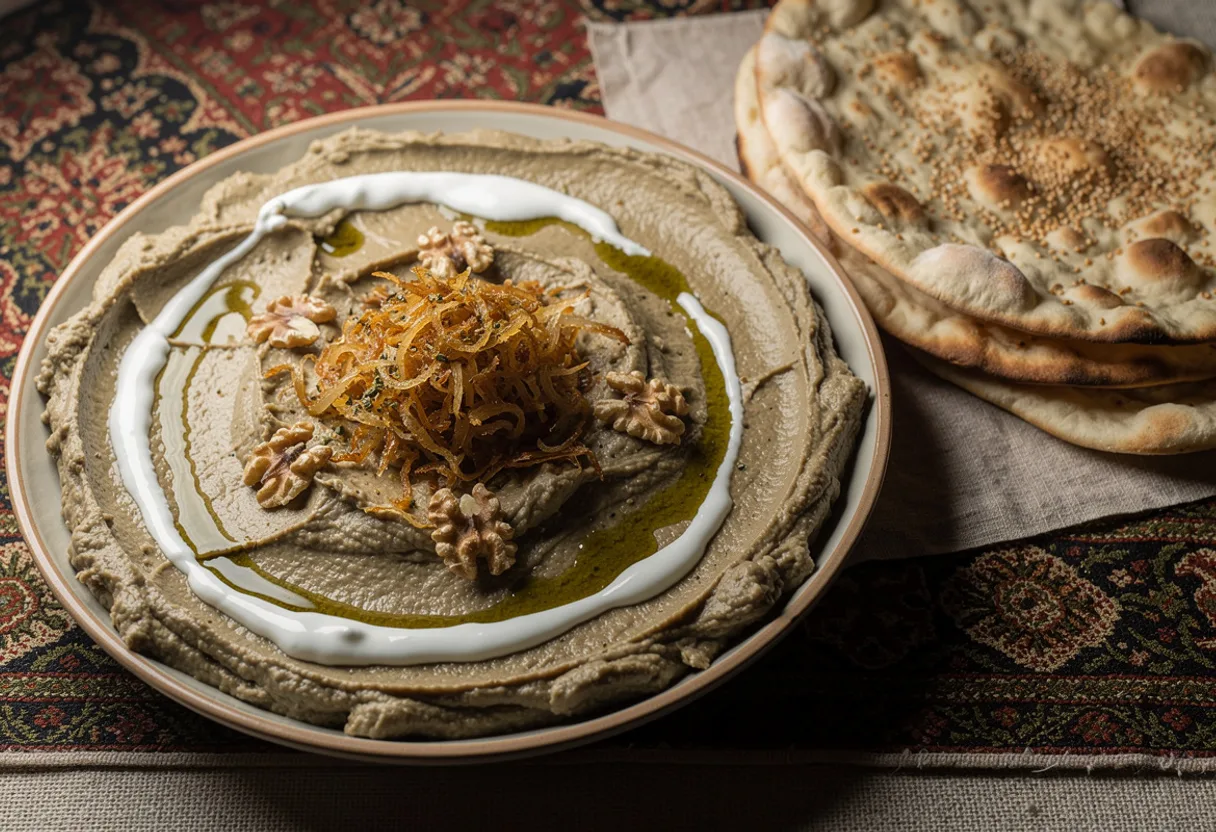
AI-generated illustration
Kashk-e bademjan is one of the most loved Persian appetizers, a warm, rich dip of eggplant and kashk served with flatbread before a meal or as a light meal of its own. Kashk is whey or dried yogurt, sold as a thick liquid in jars, and its salty, sour, deeply savoury taste is what makes the dish.
Traditionally the eggplants are peeled and fried until golden, then simmered with fried onion, garlic and turmeric until soft enough to mash. Kashk and walnuts go in at the end, and the top is decorated with more kashk, crisp fried onion, walnuts and na'na dagh: dried mint crushed and flashed in hot oil so it turns fragrant.
Many cooks now roast the eggplant to use less oil, and some who cannot find kashk use thick yogurt or sour cream, which makes a milder dip. It is eaten warm, scooped up with lavash, sangak or taftoon bread.
Saved recipes and passport stamps are kept on this device. Sign in to keep them across your devices and leave reviews.
Make it yours
✓ Naturally vegetarian and gluten-, egg- and pork-free. No swaps needed.
Toggle a diet and the ingredients rewrite themselves with regional substitutes.
🥕 Vegetarian
🌱 Vegan
🌾 Gluten-Free
🥛 Dairy-Free
🥜 Nut-Free
🥚 Egg-Free
🐖 Pork-Free
Dietary labels are a cooking guide, not allergen-safety advice. We track dairy, egg, gluten, tree nuts and peanuts (we count coconut as a tree nut, following FDA labeling), fish, and shellfish; we do not screen for sesame, soy, mustard, celery, or sulphites. If you have a food allergy, read the label on every product you use, and note that a kitchen can cross-contaminate in ways a recipe cannot control.
Ingredients
US
Metric
Serves 6
- 1 kg (about 4 medium) eggplants (Italian or Chinese)
- 1 tbsp salt (for the eggplant)
- 1/2 cup , for frying
- 2 large onions, thinly sliced
- 4 garlic cloves, chopped
- 1/2 tsp ground turmeric
- 1/2 cup water
- 10 tbsp liquid kashk ( whey), about 8 tbsp for the dip and 2 tbsp to garnishHard to find? 10 tbsp thick strained yogurt or sour cream with a pinch of salt - the usual stand-in abroad; creamier and far less tangy and savoury
- 50 g walnuts, chopped
- 2 tbsp dried mint
- 1/2 tsp black pepper
- to taste salt (to season)
Instructions
- 1Peel the eggplants and cut them lengthwise into thick slices. Salt them and leave for 30 minutes, then rinse and pat completely dry.
- 2Heat 3 tbsp of the oil in a large pan and fry the onions over medium heat, stirring, for 15 to 20 minutes until deep golden and crisp. Lift out about a third and set aside for the garnish.
- 3In a second pan, fry the eggplant slices in batches in the remaining oil, keeping back 2 tbsp for the mint, for 4 to 5 minutes per side until golden brown and soft. Drain on paper towels.
- 4Add the garlic and turmeric to the onions left in the first pan and fry for 1 minute. Add the eggplant and water, cover and simmer gently for 15 minutes, until the eggplant is very soft, then mash it roughly.
- 5Stir in about 8 tbsp of the kashk, most of the walnuts and the pepper and cook for 5 minutes more. Taste before adding salt; kashk is salty.✎ Chef’s noteThick jarred kashk can be loosened with a spoonful of warm water so it swirls smoothly.
- 6For the na'na dagh, heat the reserved 2 tbsp oil until hot, take it off the heat and stir in the crushed dried mint for a few seconds only, until fragrant.✎ Chef’s noteDried mint burns in seconds and turns bitter. Pull the pan off the heat before the mint goes in.
- 7Spread the dip on a plate and finish with swirls of the remaining kashk, the reserved fried onions, the rest of the walnuts and the mint oil. Serve warm with flatbread.
Persian home and restaurant tradition.
Ratings & reviews
Cooked it? Rate this dish:
No account needed. Sign in to leave a full review with a comment.
Cooked it?
Kept on this device, no account needed. Sign in to leave a review and keep your passport across your devices.
No reviews yet, be the first to cook it.
🌏 While it simmers, know your destination
📍
Tehran. Persian rice is a two-stage business. Long grains are par-boiled in salted water and drained while still firm, then steamed slowly over fat with a cloth wrapped under the lid to catch the condensation. That is what builds tahdig, the golden crust turned out of the bottom of the pot and fought over at the table.
🗺️
Iran. Persian cuisine is elegant and aromatic, balancing sweet and sour with saffron, dried limes, pomegranate, and herbs. Slow-cooked stews (khoresh), jeweled rice, and delicate kebabs reflect millennia of refined court and home cooking.
🌍
Asia. A grain line runs across the continent. Rice dominates the wet south and east, wheat the drier north and west, and the tools follow it: the wok and the steamer where rice is milled, the tandoor and the griddle where wheat is ground. Tea travels the other way, drunk green, black, salted, buttered or with milk depending how far it got from China.
The story behind this dish is up top, worth a read while the pot works.
More from Iran
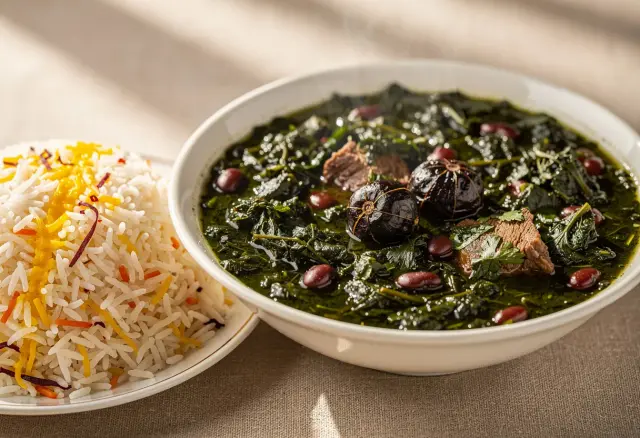
Ghormeh SabziIran’s beloved herb stew: mountains of sautéed greens, kidney beans, dried limes, and lamb over saffron rice.
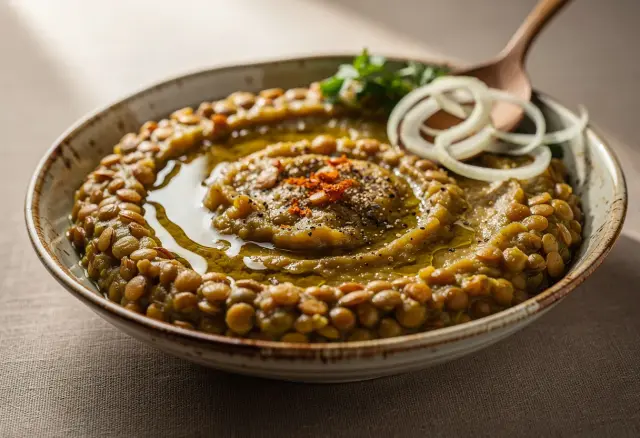
AdasiA warming Persian lentil breakfast stew spiced with turmeric, cumin, and cinnamon.
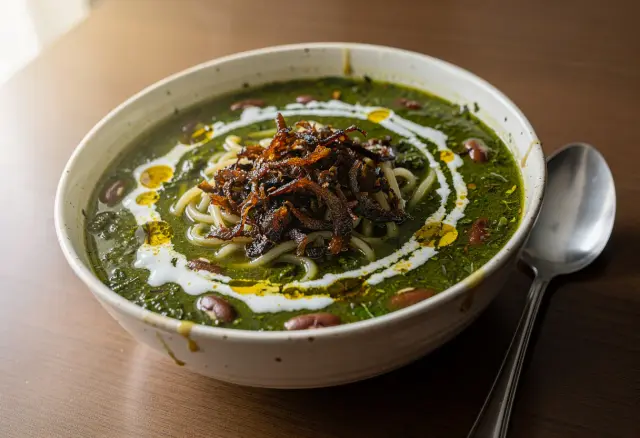
Ash-e ReshtehOne of Iran’s best-loved thick soups: legumes and a mountain of herbs simmered with reshteh noodles, finished with tangy kashk, sizzled mint, and caramelized onion.
Browse all Iran recipes →
Good to know
Storing it: Fried food is best eaten fresh while crisp. Re-crisp leftovers in a hot oven or air fryer; the microwave makes them soft.
Make it an Iran meal

SekanjabinDrink
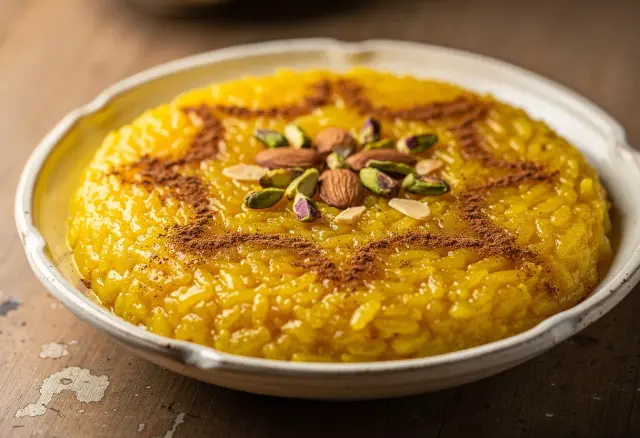
Sholeh ZardDessert
Similar dishes from around the world
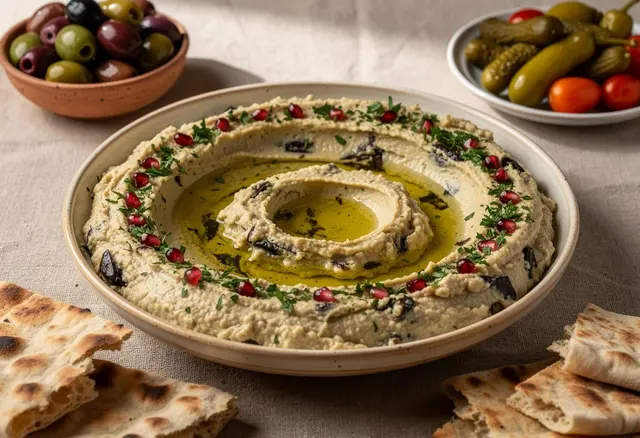
Mutabbal (Jordanian Smoky Eggplant and Tahini Dip)Jordan
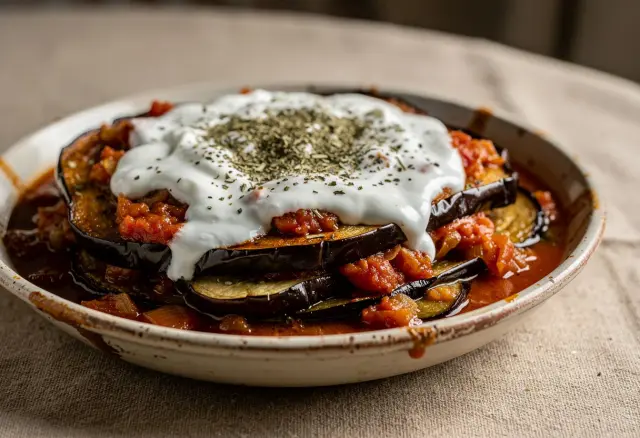
Borani BanjanAfghanistan
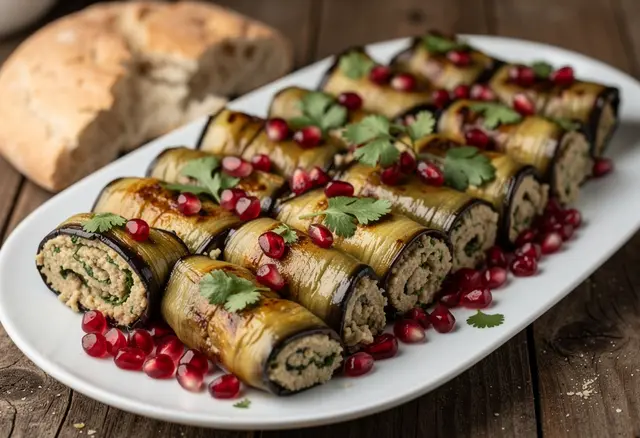
Badrijani Nigvzit (Georgian Eggplant Rolls with Walnut Paste)Georgia
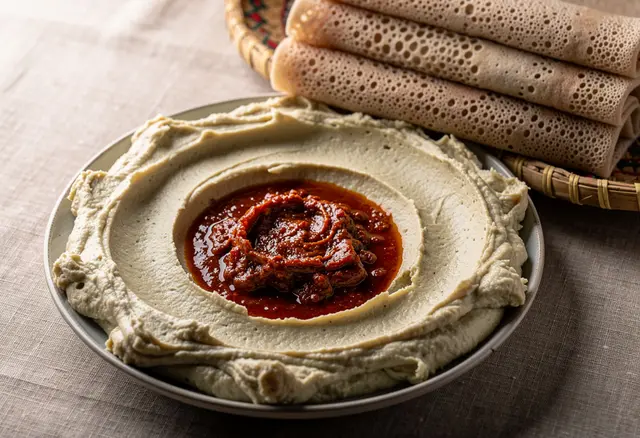
Hilbet (Eritrean Fava and Fenugreek Whip)Eritrea
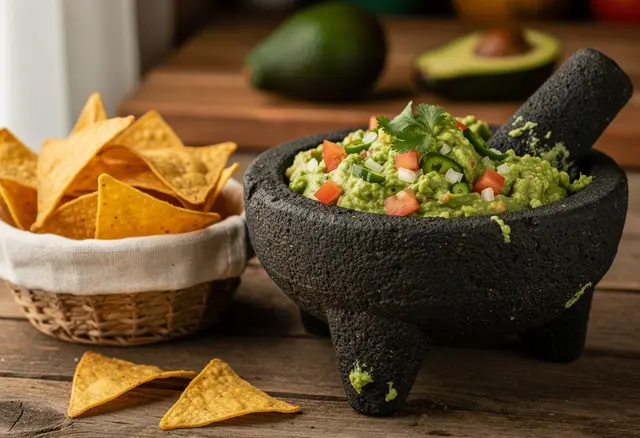
Guacamole con TotoposMexico
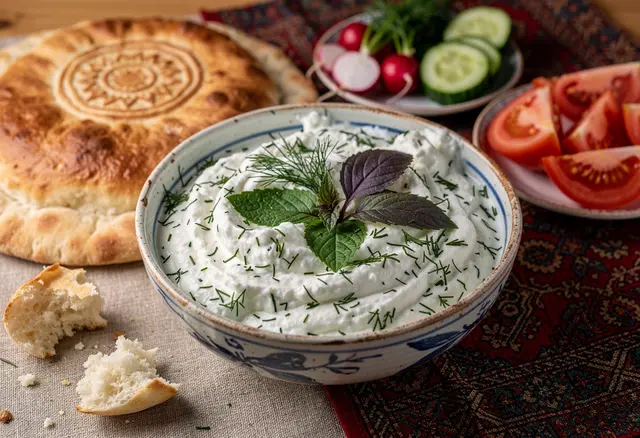
Chakka (Tajik Strained Yogurt with Herbs and Garlic)Tajikistan
Cuisine
Diet
Frequently asked questions
What is Kashk-e Bademjan (Persian Eggplant and Kashk Dip)?
Fried eggplant mashed with golden onions, garlic and turmeric, enriched with tangy kashk and walnuts, and finished with fried onion, sizzled dried mint and swirls of kashk.
Where does Kashk-e Bademjan (Persian Eggplant and Kashk Dip) come from?
Kashk-e Bademjan (Persian Eggplant and Kashk Dip) is an Iranian dish from Tehran, Iran.
Can Kashk-e Bademjan (Persian Eggplant and Kashk Dip) be made vegan, gluten-free, or dairy-free?
This Kashk-e Bademjan (Persian Eggplant and Kashk Dip) recipe includes substitution suggestions for vegetarian, vegan, gluten-free, dairy-free, nut-free, egg-free, and pork-free versions. Treat the substitutions as a starting guide rather than a guarantee, and see the allergen note below.
Is Kashk-e Bademjan (Persian Eggplant and Kashk Dip) safe for people with food allergies?
Our dietary labels and substitutions are a cooking guide, not medical or allergen-safety advice. We track dairy, egg, gluten, tree nuts and peanuts (we still count coconut as a tree nut to be cautious, although the FDA stopped listing it as one in 2025), fish, and shellfish, but we do not screen for sesame, soy, mustard, celery, or sulphites. If you have a food allergy, always read the label on every product you use, and remember a home or commercial kitchen can cross-contaminate ingredients in ways a recipe cannot control.
How long does Kashk-e Bademjan (Persian Eggplant and Kashk Dip) take to make?
About 1 h 50 min in all: 20 minutes prep and 60 minutes cooking, plus 30 min of hands-off waiting the method needs, serving 6.
Get the Sunday Spin
One dish from somewhere in the world, in your inbox every Sunday. No spam, just dinner inspiration you can cook that day.