
🥗 STARTER
Hilbet (Eritrean Fava and Fenugreek Whip)
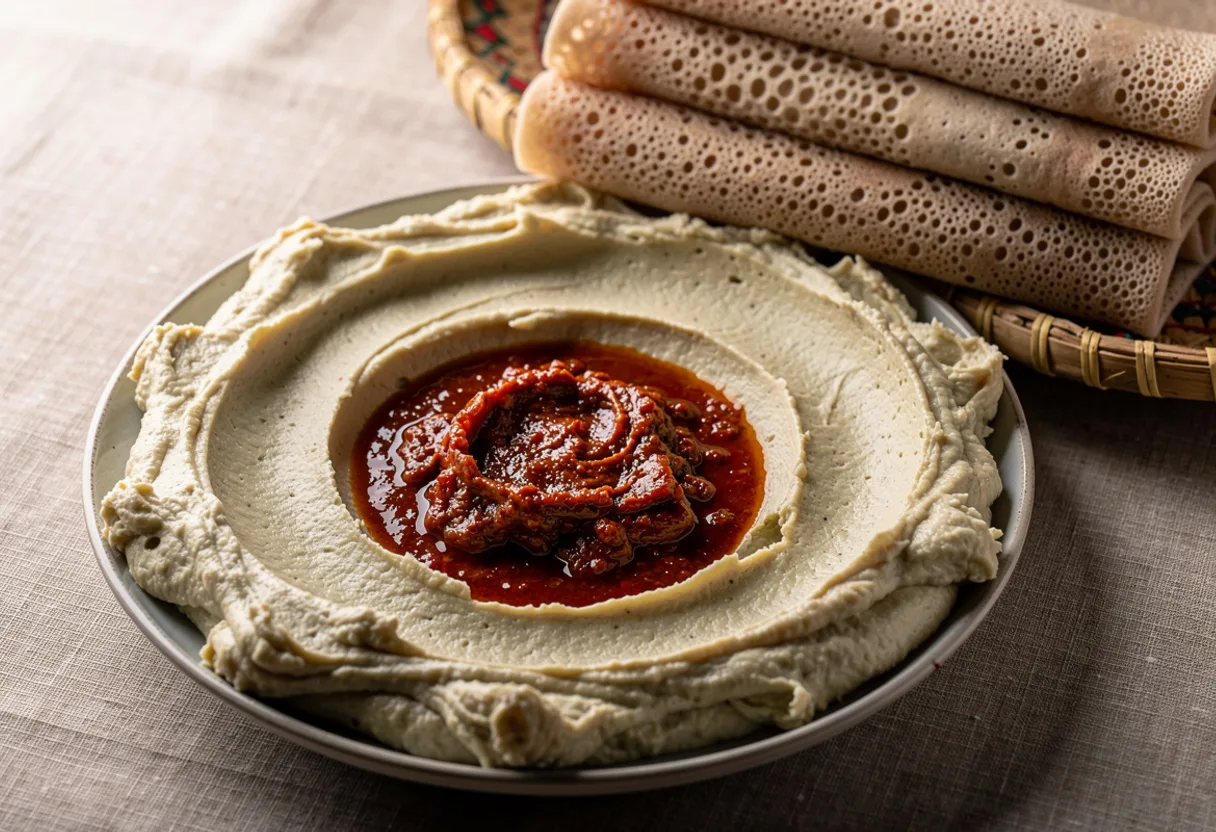
Fava beans, lentils and fenugreek cooked to a smooth paste, cooled and whipped into a pale, fluffy spread, with a well of spicy berbere tomato sils in the middle.
Eritrean · medium · serves 6
prep 20 min · cook 110 min · plus 10 h hands-off time
~245 cal · 12g protein · 34g carbs · 7g fat · 8g fiber · 4g sugars · 1g sat fat (estimated, per serving)
↓ Jump to Recipe
AI-generated illustration
Hilbet is a dish of the Tigrinya-speaking highlands of southern Eritrea and northern Ethiopia, and a favourite of the fasting days, when Orthodox Christians eat no meat or dairy. It is made from fava beans, lentils and , which lends its gently bitter, maple-like aroma.
The legumes are either ground dry into a flour or soaked and cooked whole, then cooked into a thick, smooth paste. The trick comes next: the paste is left to cool completely, then beaten hard until it turns pale, light and fluffy, almost like whipped cream. Cooks warn that turns bitter if the paste is whipped while still warm.
Hilbet is spread on a plate with a hollow in the centre, which is filled with sils, a spicy sauce of tomato, onion and . It is scooped up with , as a starter or as part of a spread of fasting dishes.
Saved recipes and passport stamps are kept on this device. Sign in to keep them across your devices and leave reviews.
Make it yours
✓ Naturally vegetarian, vegan and gluten-, dairy-, nut-, egg- and pork-free. No swaps needed.
Toggle a diet and the ingredients rewrite themselves with regional substitutes.
🥕 Vegetarian
🌱 Vegan
🌾 Gluten-Free
🥛 Dairy-Free
🥜 Nut-Free
🥚 Egg-Free
🐖 Pork-Free
Dietary labels are a cooking guide, not allergen-safety advice. We track dairy, egg, gluten, tree nuts and peanuts (we count coconut as a tree nut, following FDA labeling), fish, and shellfish; we do not screen for sesame, soy, mustard, celery, or sulphites. If you have a food allergy, read the label on every product you use, and note that a kitchen can cross-contaminate in ways a recipe cannot control.
Ingredients
US
Metric
Serves 6
- 1 cup (180 g) dried split, skinned fava beans
- 1/2 cup (100 g) red lentils
- 1 tbsp seeds
- about 6 cups water, for cooking, plus more as needed
- 1 tsp salt
- 3 tbsp vegetable oil, for the sils
- 1 medium onion, finely chopped
- 2 cloves garlic, crushed
- 3 medium ripe tomatoes, chopped
- 1 tbsp tomato paste
- 2 to 3 tsp
Instructions
- 1Rinse the fava beans, lentils and fenugreek, cover generously with cold water and leave to soak overnight, at least 8 hours.
- 2Drain, put in a large pot with about 6 cups fresh water and bring to the boil. Simmer, partly covered, for about 1 1/2 hours, stirring now and then and adding hot water if needed, until everything is completely soft.
- 3Blend or mash to a very smooth paste, then stir it over low heat for a few minutes more until thick enough to hold a soft peak. Season with the salt.
- 4Spread in a bowl, cover and leave to cool completely, for at least 2 hours or overnight in the fridge.✎ Chef’s noteDo not rush this. Fenugreek goes bitter if the paste is beaten while it is still warm, and a cold paste whips up lighter.
- 5For the sils, warm the oil in a pan and cook the onion over medium heat for 8 to 10 minutes until soft. Add the garlic, tomatoes, tomato paste and berbere and simmer, stirring, for about 20 minutes until thick and jammy. Let it cool.
- 6Beat the cold paste with an electric mixer or a stand mixer for 5 to 10 minutes, adding a spoonful or two of cold water if it is stiff, until it is pale, fluffy and almost white.
- 7Spread the hilbet on a plate, make a hollow in the centre and spoon in the sils. Serve with injera.
Tigrinya fasting-day tradition, Eritrea and Tigray.
Ratings & reviews
Cooked it? Rate this dish:
No account needed. Sign in to leave a full review with a comment.
Cooked it?
Kept on this device, no account needed. Sign in to leave a review and keep your passport across your devices.
No reviews yet, be the first to cook it.
🌏 While it simmers, know your destination
📍
Asmara. Asmara sits high on the Eritrean plateau, eating berbere-red stews scooped with injera in the shared style of the Horn. Italian colonial rule left pasta and espresso alongside zigni beef stew and spiced clarified butter.
🗺️
Eritrea. Eritrean cooking mirrors Ethiopia's, spicy stews (tsebhi) scooped with the sourdough flatbread injera, with an added Italian colonial twist of pasta. Berbere spice and communal platters define the table.
🌍
Africa. The structure repeats across most of the continent: one starch and one sauce. A grain or root is cooked stiff, torn or rolled by hand, and used to carry a stew of leaves, groundnut, okra or fish, usually from a shared bowl and with the right hand. UNESCO listings have followed that logic, inscribing couscous in 2020 as a shared Maghreb tradition and Ivorian attieke in 2024.
The story behind this dish is up top, worth a read while the pot works.
More from Eritrea
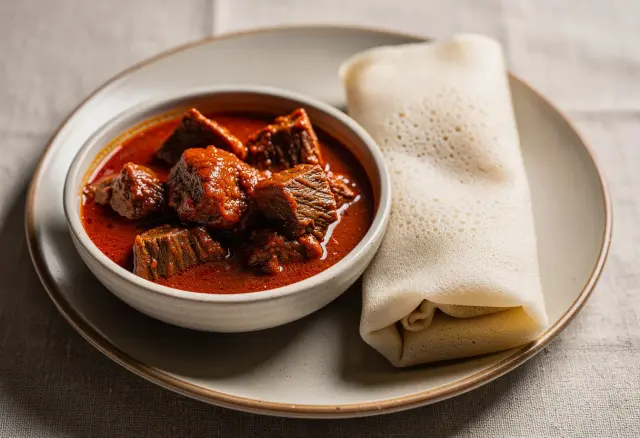
ZigniA fiery Eritrean beef stew built on berbere spice and long-cooked onions, eaten with injera.
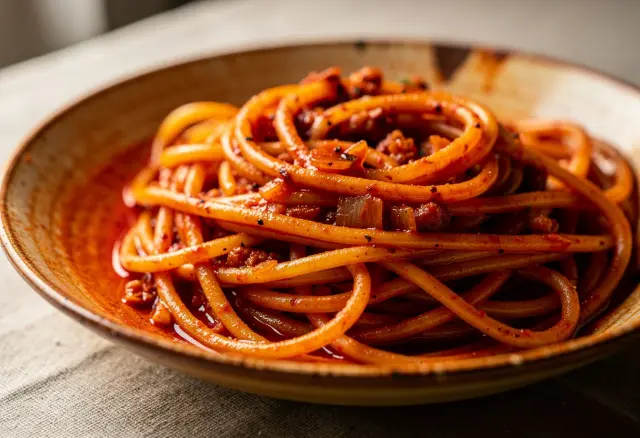
Pasta al Sugo e BerbereSpaghetti tossed in silsi, the Eritrean tomato sauce spiked with berbere, the everyday pasta of Asmara.
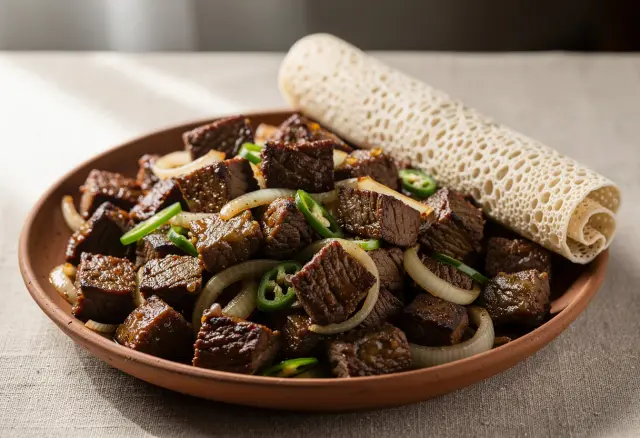
TibsiCubes of beef seared hard with onion, green chili and berbere until the edges brown, an Eritrean celebration dish eaten with injera.
Browse all Eritrea recipes →
Good to know
You’ll need: Pot or saucepan, Blender.
Storing it: Fried food is best eaten fresh while crisp. Re-crisp leftovers in a hot oven or air fryer; the microwave makes them soft.
Make it an Eritrea meal

Shahi EritreaDrink
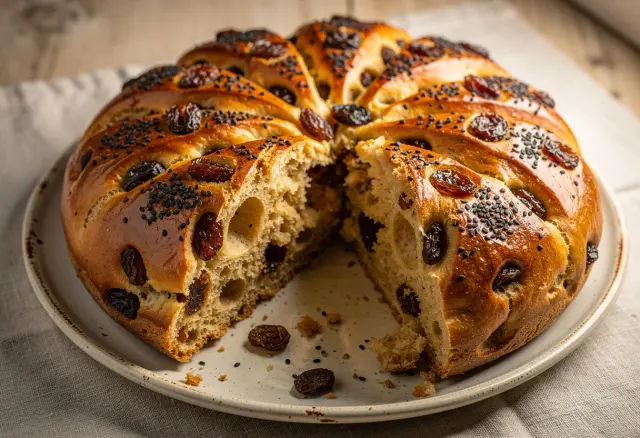
Himbasha (Celebration Bread)Dessert
Similar dishes from around the world
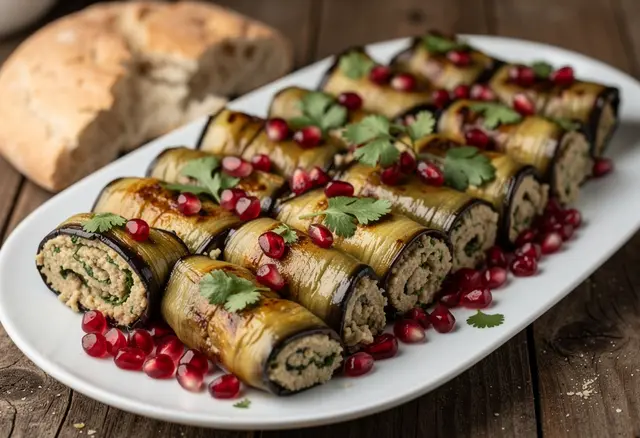
Badrijani Nigvzit (Georgian Eggplant Rolls with Walnut Paste)Georgia
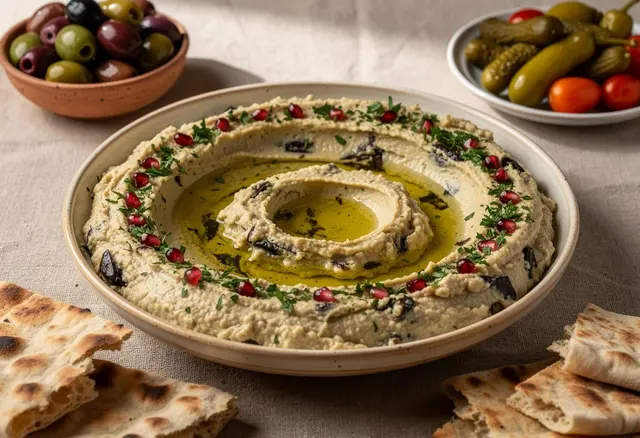
Mutabbal (Jordanian Smoky Eggplant and Tahini Dip)Jordan
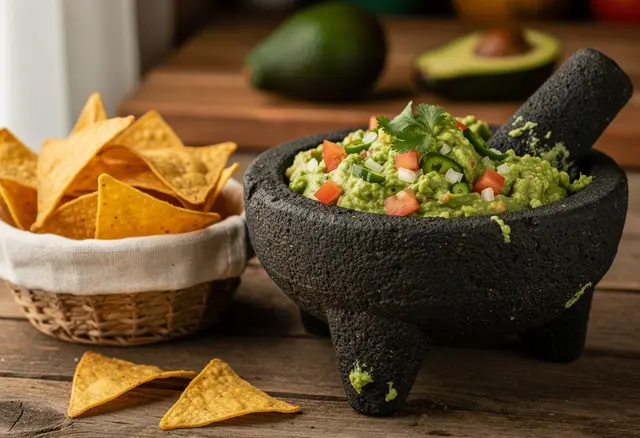
Guacamole con TotoposMexico
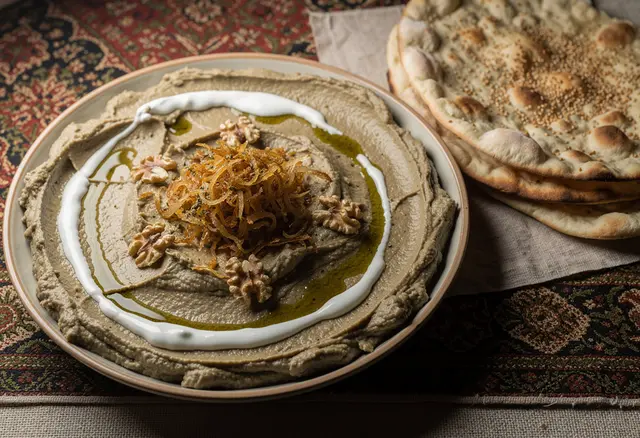
Kashk-e Bademjan (Persian Eggplant and Kashk Dip)Iran
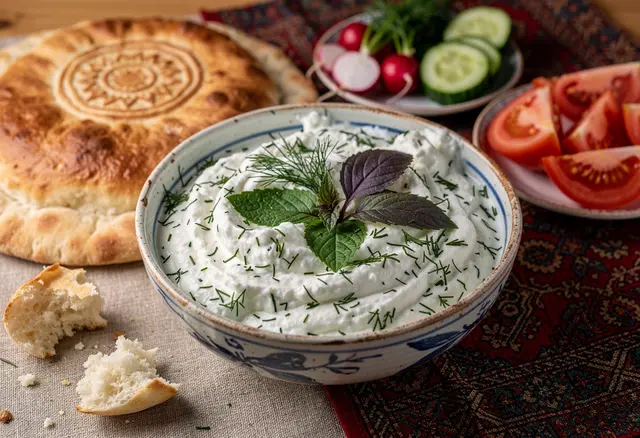
Chakka (Tajik Strained Yogurt with Herbs and Garlic)Tajikistan
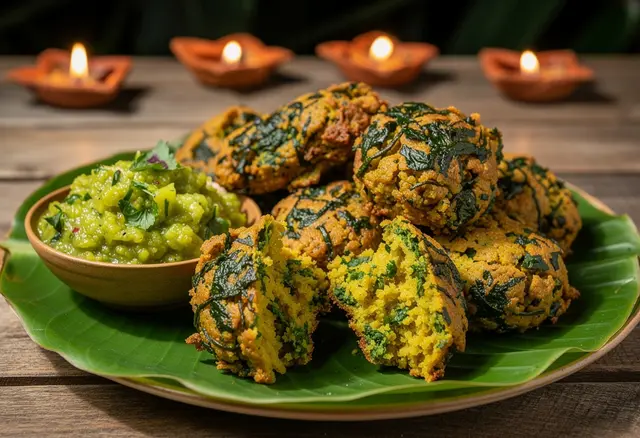
Saheena (Trinidadian Split Pea and Dasheen Leaf Fritters)Trinidad & Tobago
Cuisine
Diet
Vegetarian Recipes from Around the World
Vegan Recipes from Around the World
Gluten-Free Recipes from Around the World
Dairy-Free Recipes from Around the World
Nut-Free Recipes from Around the World
Egg-Free Recipes from Around the World
Pork-Free Recipes from Around the World
Vegetarian Eritrean Recipes
Gluten-Free Eritrean Recipes
Dairy-Free Eritrean Recipes
Frequently asked questions
What is Hilbet (Eritrean Fava and Fenugreek Whip)?
Fava beans, lentils and fenugreek cooked to a smooth paste, cooled and whipped into a pale, fluffy spread, with a well of spicy berbere tomato sils in the middle.
Where does Hilbet (Eritrean Fava and Fenugreek Whip) come from?
Hilbet (Eritrean Fava and Fenugreek Whip) is an Eritrean dish from Asmara, Eritrea.
Can Hilbet (Eritrean Fava and Fenugreek Whip) be made vegan, gluten-free, or dairy-free?
This Hilbet (Eritrean Fava and Fenugreek Whip) recipe includes substitution suggestions for vegetarian, vegan, gluten-free, dairy-free, nut-free, egg-free, and pork-free versions. Treat the substitutions as a starting guide rather than a guarantee, and see the allergen note below.
Is Hilbet (Eritrean Fava and Fenugreek Whip) safe for people with food allergies?
Our dietary labels and substitutions are a cooking guide, not medical or allergen-safety advice. We track dairy, egg, gluten, tree nuts and peanuts (we still count coconut as a tree nut to be cautious, although the FDA stopped listing it as one in 2025), fish, and shellfish, but we do not screen for sesame, soy, mustard, celery, or sulphites. If you have a food allergy, always read the label on every product you use, and remember a home or commercial kitchen can cross-contaminate ingredients in ways a recipe cannot control.
How long does Hilbet (Eritrean Fava and Fenugreek Whip) take to make?
About 12 h 10 min in all: 20 minutes prep and 110 minutes cooking, plus 10 h of hands-off waiting the method needs, serving 6.
Get the Sunday Spin
One dish from somewhere in the world, in your inbox every Sunday. No spam, just dinner inspiration you can cook that day.