
🥗 STARTER
Badrijani Nigvzit (Georgian Eggplant Rolls with Walnut Paste)
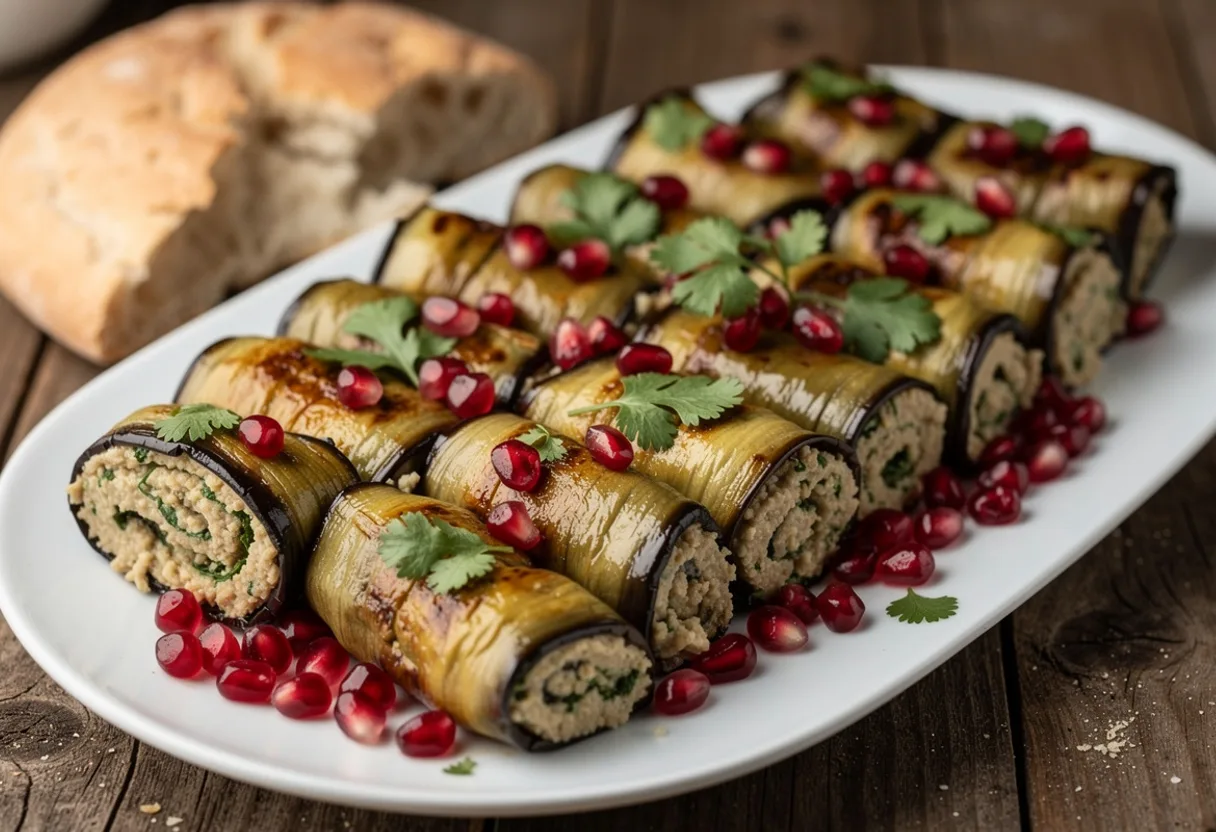
Thin slices of fried eggplant rolled around a garlicky walnut paste scented with coriander and blue fenugreek, scattered with pomegranate seeds and served cool.
Georgian · medium · serves 6
prep 30 min · cook 30 min · plus 30 min hands-off time
~371 cal · 7g protein · 16g carbs · 34g fat · 7g fiber · 7g sugars · 4g sat fat (estimated, per serving)
↓ Jump to Recipe
AI-generated illustration
Nigvziani badrijani means "eggplant with walnuts", and it is one of the cold dishes found on menus all over Georgia. Long slices of eggplant are salted, fried until soft and golden, then spread with a paste of ground walnuts, raw garlic and fresh coriander and rolled up into neat coils.
The paste is where the dish becomes Georgian. The walnuts are ground fine and loosened with a little water and vinegar, then seasoned with ground coriander seed, a pinch of hot pepper and utskho suneli, the blue that gives Georgian cooking its mild, nutty, faintly sweet perfume; some cooks add ground dried marigold petals too. Armenia has a close relative of the dish, and the pairing of eggplant and walnut is shared across the Caucasus.
The rolls are served at room temperature or cold, crowned with jewel-red pomegranate seeds and a few coriander leaves. They are best assembled a few hours before eating, so the eggplant stays tender and the paste stays bright.
Saved recipes and passport stamps are kept on this device. Sign in to keep them across your devices and leave reviews.
Make it yours
✓ Naturally vegetarian, vegan and gluten-, dairy-, egg- and pork-free. No swaps needed.
Toggle a diet and the ingredients rewrite themselves with regional substitutes.
🥕 Vegetarian
🌱 Vegan
🌾 Gluten-Free
🥛 Dairy-Free
🥜 Nut-Free
🥚 Egg-Free
🐖 Pork-Free
Dietary labels are a cooking guide, not allergen-safety advice. We track dairy, egg, gluten, tree nuts and peanuts (we count coconut as a tree nut, following FDA labeling), fish, and shellfish; we do not screen for sesame, soy, mustard, celery, or sulphites. If you have a food allergy, read the label on every product you use, and note that a kitchen can cross-contaminate in ways a recipe cannot control.
Ingredients
US
Metric
Serves 6
- 2 (about 1 kg) large eggplants
- 1 tbsp fine salt (for salting the eggplant)
- 1/2 cup sunflower oil, for frying
- 200 g walnut halves
- 3 garlic cloves
- 1/2 bunch (about 20 g) fresh coriander (cilantro), leaves and tender stems
- 1 tsp ground blue (utskho suneli)Hard to find? 1/2 tsp ground fenugreek seed - sharper and more bitter than blue fenugreek, so use half as much
- 1 tsp ground coriander seed
- 1/2 tsp ground dried marigold petals (Imeretian ), optional
- 1/4 tsp cayenne pepper
- 1 tsp salt (for the paste)
- 1 tbsp red or white wine vinegar
- 1/2 cup (about 120 ml) cold water
- 3 tbsp pomegranate seeds
Instructions
- 1Trim the eggplants and slice them lengthwise into slices about 5 mm thick. Lay them on a tray, salt both sides generously and leave for 30 minutes to draw out their bitter juice.
- 2Meanwhile make the paste: grind the walnuts, garlic, coriander leaves, blue fenugreek, ground coriander, marigold, cayenne and salt in a food processor until fine. With the motor running, add the vinegar and then the water a little at a time until the paste is smooth and spreadable, like thick hummus. Taste for salt and vinegar.
- 3Rinse the eggplant slices, press out the liquid and pat them completely dry. Heat a thin layer of the oil in a large frying pan over medium heat and fry the slices in batches, adding oil as needed, for 3 to 4 minutes per side until soft and golden brown. Drain on paper towels and let cool.✎ Chef’s noteThe eggplant soaks up oil, so keep the layer thin and let the pan recover between batches rather than pouring in more.
- 4Spread about 1 tbsp of walnut paste along each slice and roll it up from the wide end into a coil. Arrange the rolls seam side down on a platter.
- 5Scatter with the pomegranate seeds and a few coriander leaves and serve at room temperature or lightly chilled, with bread.✎ Chef’s noteAssemble them no more than a few hours ahead. The paste keeps for days in the fridge; the rolls are best on the day.
Georgian home and restaurant tradition.
Ratings & reviews
Cooked it? Rate this dish:
No account needed. Sign in to leave a full review with a comment.
Cooked it?
Kept on this device, no account needed. Sign in to leave a review and keep your passport across your devices.
No reviews yet, be the first to cook it.
🌏 While it simmers, know your destination
📍
Imereti. Imeruli cheese is what the bread is named for: a fresh cow's-milk cheese, brined and springy and slightly sour, made in the region and used young. The bread is cooked on a dry griddle rather than in an oven, which gives it a blistered surface and means it is made to be eaten within the hour rather than kept.
🗺️
Georgia. Walnuts do the job here that cream does elsewhere, ground into sauces for beans, aubergine and poultry and loosened with vinegar or pomegranate. The spice cupboard runs to blue fenugreek, dried marigold and coriander seed in the blend called khmeli suneli, and khachapuri changes shape as you travel, arriving in Adjara on the Black Sea as an open boat with an egg slid into it.
🌍
Asia. Fermentation is the thread that runs the whole way across: soy sauce and miso, Korean doenjang and kimchi, Southeast Asian fish sauces, the soured batter behind an idli. Chilli is the newcomer among them, arriving only after 1500 with Portuguese and Spanish traders, which makes the heat in Sichuan, Thai and Korean cooking far younger than the fermenting underneath it.
The story behind this dish is up top, worth a read while the pot works.
More from Georgia
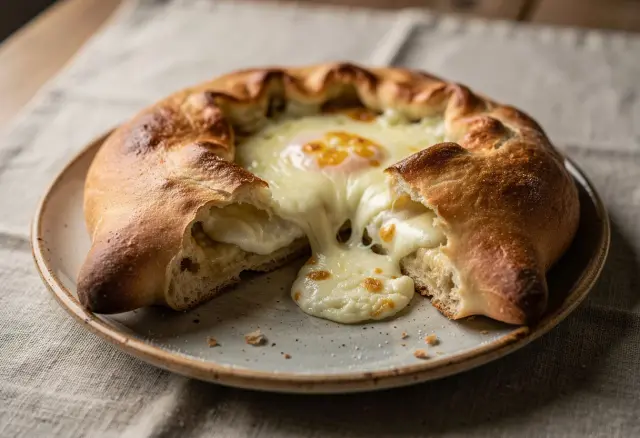
Imeruli Khachapuri (Cheese-Stuffed Bread)A golden, pan-baked flatbread sealed around a molten heart of tangy, salty cheese.
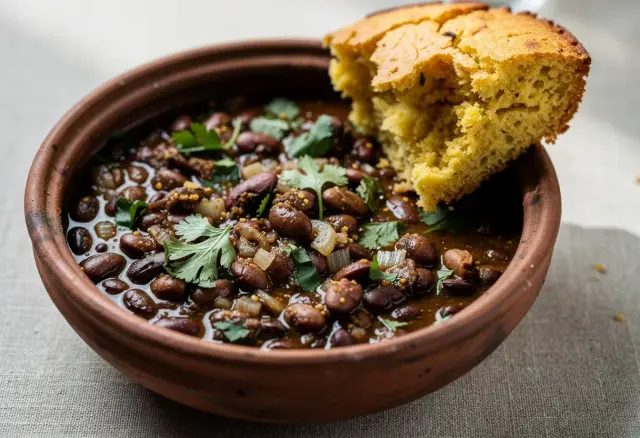
LobioKidney beans simmered and half-crushed with walnuts, coriander, and Georgian spice, served in clay with cornbread.
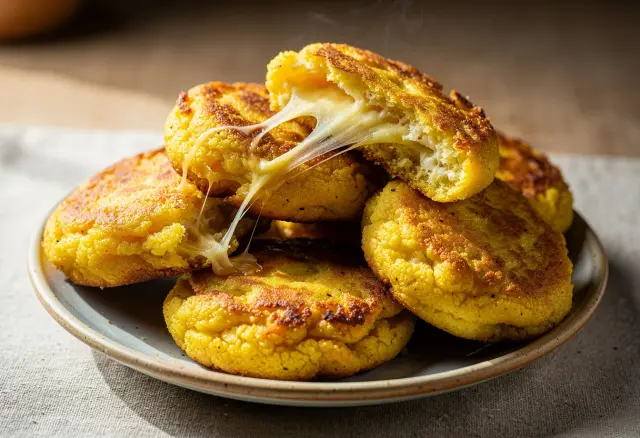
Chvishtari (Cornmeal Cheese Bread)Griddled cornmeal cakes packed with young melting cheese, crisp outside and molten within, from the mountains of western Georgia.
Browse all Georgia recipes →
Good to know
You’ll need: Skillet or frying pan, Food processor.
Storing it: Fried food is best eaten fresh while crisp. Re-crisp leftovers in a hot oven or air fryer; the microwave makes them soft.
Make it a Georgia meal

TarkhunaDrink
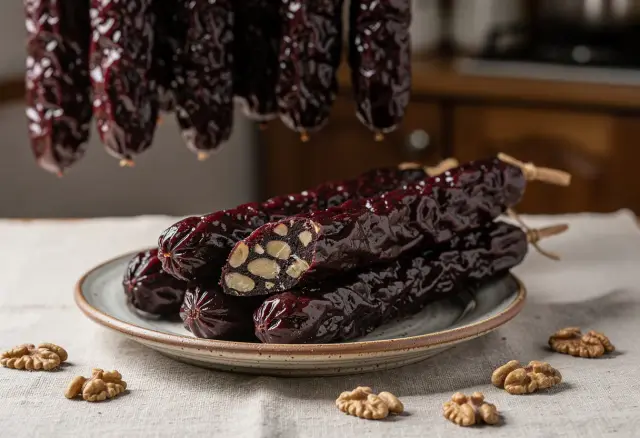
ChurchkhelaDessert
Similar dishes from around the world
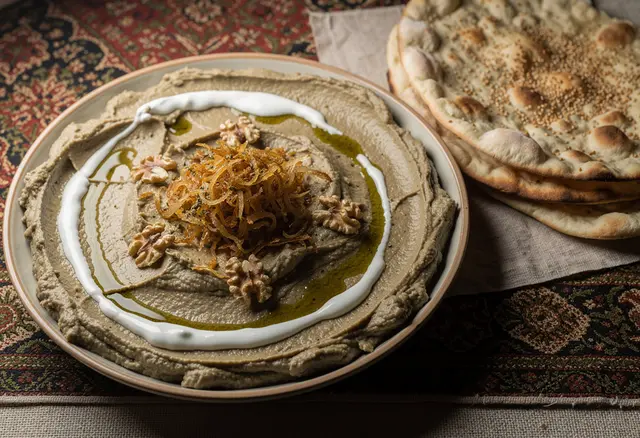
Kashk-e Bademjan (Persian Eggplant and Kashk Dip)Iran
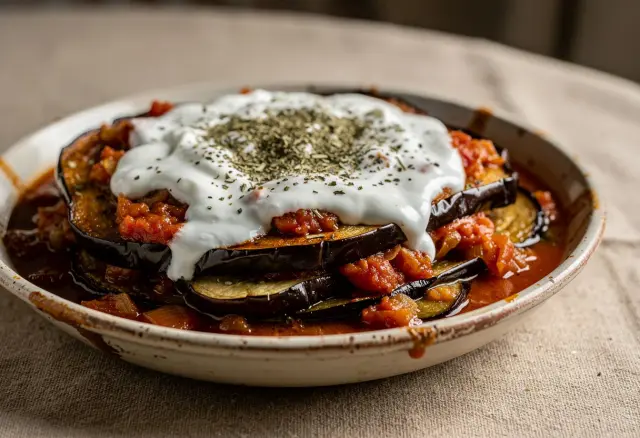
Borani BanjanAfghanistan
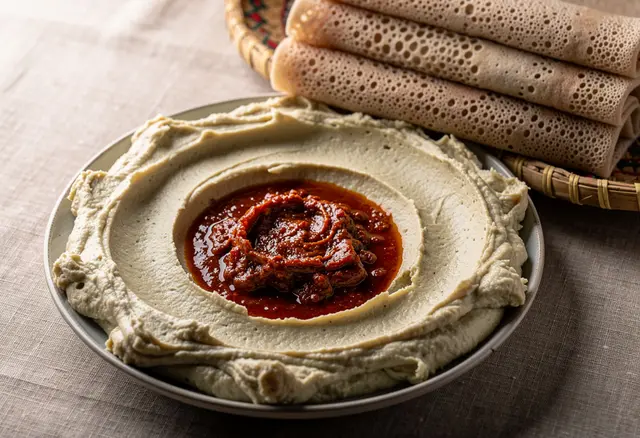
Hilbet (Eritrean Fava and Fenugreek Whip)Eritrea
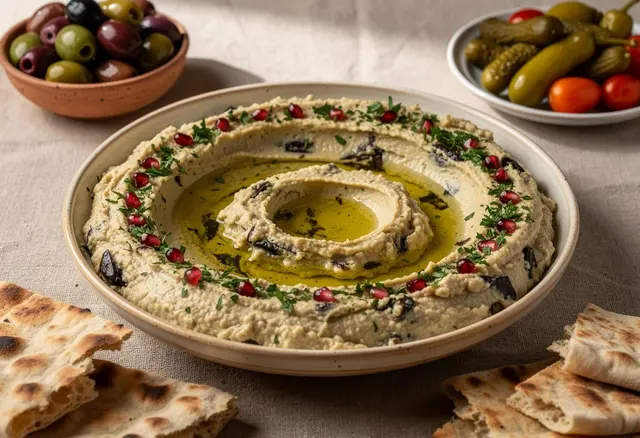
Mutabbal (Jordanian Smoky Eggplant and Tahini Dip)Jordan
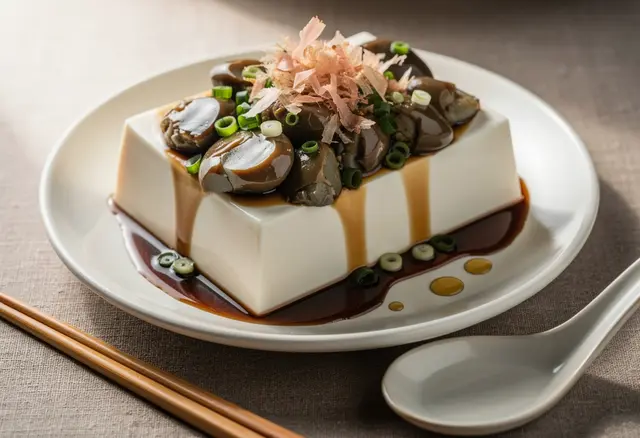
Pidan Doufu (Taiwanese Century Egg Tofu)Taiwan
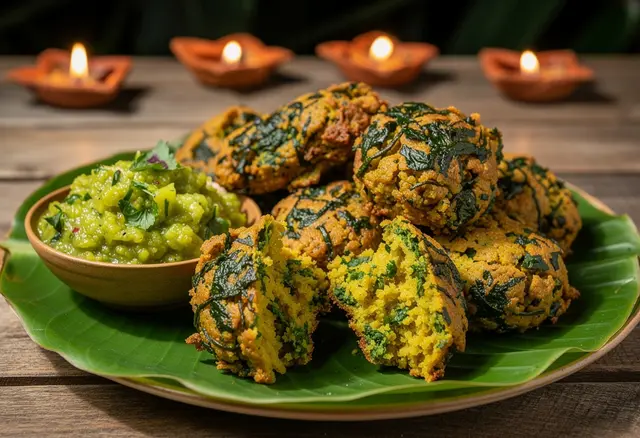
Saheena (Trinidadian Split Pea and Dasheen Leaf Fritters)Trinidad & Tobago
Cuisine
Diet
Frequently asked questions
What is Badrijani Nigvzit (Georgian Eggplant Rolls with Walnut Paste)?
Thin slices of fried eggplant rolled around a garlicky walnut paste scented with coriander and blue fenugreek, scattered with pomegranate seeds and served cool.
Where does Badrijani Nigvzit (Georgian Eggplant Rolls with Walnut Paste) come from?
Badrijani Nigvzit (Georgian Eggplant Rolls with Walnut Paste) is a Georgian dish from Imereti, Georgia.
Can Badrijani Nigvzit (Georgian Eggplant Rolls with Walnut Paste) be made vegan, gluten-free, or dairy-free?
This Badrijani Nigvzit (Georgian Eggplant Rolls with Walnut Paste) recipe includes substitution suggestions for vegetarian, vegan, gluten-free, dairy-free, nut-free, egg-free, and pork-free versions. Treat the substitutions as a starting guide rather than a guarantee, and see the allergen note below.
Is Badrijani Nigvzit (Georgian Eggplant Rolls with Walnut Paste) safe for people with food allergies?
Our dietary labels and substitutions are a cooking guide, not medical or allergen-safety advice. We track dairy, egg, gluten, tree nuts and peanuts (we still count coconut as a tree nut to be cautious, although the FDA stopped listing it as one in 2025), fish, and shellfish, but we do not screen for sesame, soy, mustard, celery, or sulphites. If you have a food allergy, always read the label on every product you use, and remember a home or commercial kitchen can cross-contaminate ingredients in ways a recipe cannot control.
How long does Badrijani Nigvzit (Georgian Eggplant Rolls with Walnut Paste) take to make?
About 1 h 30 min in all: 30 minutes prep and 30 minutes cooking, plus 30 min of hands-off waiting the method needs, serving 6.
Get the Sunday Spin
One dish from somewhere in the world, in your inbox every Sunday. No spam, just dinner inspiration you can cook that day.