North America → Panama → Panama City

🥔 SIDE
Arroz con Guandú y Coco (Panamanian Rice with Pigeon Peas and Coconut)
Long-grain rice cooked in coconut milk with green pigeon peas, onion, garlic and culantro until fluffy, gently sweet and rich, the festive rice of the Panamanian table.
Panamanian · easy · serves 6
prep 10 min · cook 35 min
~565 cal · 12g protein · 76g carbs · 25g fat · 7g fiber · 4g sugars · 21g sat fat (estimated, per serving)
↓ Jump to Recipe

AI-generated illustration
Arroz con guandú y coco is Panama's festive rice. It is on the table for Christmas and New Year beside the roast meats, and all year round it is the side dish of choice for fried fish and stews on the Caribbean coast.
The dish comes from the Afro-Antillean communities of Colón and the Caribbean side of the isthmus, many descended from workers who came from the islands to build the railway and the Panama Canal. Rice cooked in , arroz con coco, is the everyday version; adding guandú, the pigeon pea, makes it the holiday one.
The most devoted cooks still grate a fresh coconut and squeeze out its milk by hand, letting the cream rise and cooking it down to oil before the peas and rice go in. Canned makes a fine version for most kitchens. Onion, garlic and culantro (or cilantro) season it gently, so the rice stays soft, fragrant and just a little sweet.
Saved recipes and passport stamps are kept on this device. Sign in to keep them across your devices and leave reviews.
Make it yours
✓ Naturally vegetarian, vegan and gluten-, dairy-, egg- and pork-free. No swaps needed.
Toggle a diet and the ingredients rewrite themselves with regional substitutes.
🥕 Vegetarian
🌱 Vegan
🌾 Gluten-Free
🥛 Dairy-Free
🥜 Nut-Free
🥚 Egg-Free
🐖 Pork-Free
Dietary labels are a cooking guide, not allergen-safety advice. We track dairy, egg, gluten, tree nuts and peanuts (we count coconut as a tree nut, following FDA labeling), fish, and shellfish; we do not screen for sesame, soy, mustard, celery, or sulphites. If you have a food allergy, read the label on every product you use, and note that a kitchen can cross-contaminate in ways a recipe cannot control.
Ingredients
US
Metric
Serves 6
- 2 tbsp coconut oil
- 1 small onion, finely chopped
- 2 cloves garlic, finely chopped
- 425 g can (about 1 1/2 cups) canned green (guandú), drained
- 2 cups (500 ml)
- 1 cup water
- 1 1/2 tsp salt
- 2 cups (400 g) long-grain white rice, rinsed
- 1/4 cup fresh culantro or cilantro, chopped
Instructions
- 1Heat the coconut oil in a heavy pot with a tight lid over medium heat and cook the onion and garlic for 3 minutes, until soft but not browned.
- 2Add the pigeon peas, coconut milk, water, salt and half the culantro and bring to the boil.
- 3Stir in the rice and boil uncovered for about 8 minutes, stirring once or twice, until the liquid has dropped to the level of the rice and little craters appear on the surface.
- 4Turn the heat to its lowest, cover tightly and cook for 20 minutes without lifting the lid, until the rice is tender and the liquid absorbed.✎ Chef’s noteCoconut milk catches easily. A heavy pot and very low heat keep the bottom from scorching.
- 5Take the pot off the heat and leave it covered for 5 minutes, then fluff the rice with a fork, fold in the remaining culantro and serve warm.
Afro-Panamanian tradition (Colón and the Caribbean coast).
Ratings & reviews
Cooked it? Rate this dish:
No account needed. Sign in to leave a full review with a comment.
Cooked it?
Kept on this device, no account needed. Sign in to leave a review and keep your passport across your devices.
No reviews yet, be the first to cook it.
🌏 While it simmers, know your destination
📍
Panama City. Culantro is not coriander. It is a long serrated leaf, stronger and more bitter than the soft herb it gets confused with, and it holds up through a long simmer where coriander would collapse. Name, the yam that goes in, dissolves as it cooks and is what thickens the broth.
🗺️
Panama. The tortilla here is not the Mexican kind. It is thick, made of ground corn, and fried rather than griddled, coming out puffed and crisp at the edges to be eaten at breakfast with cheese. On the Caribbean side, in Bocas del Toro and Colon, the cooking turns Afro-Caribbean, with coconut milk in the rice and in the fish.
🌍
North America. The most consequential technique on this continent is nixtamalisation, cooking maize with lime or wood ash. It loosens the skins, makes the dough that becomes tortillas and tamales, and frees up niacin the body cannot otherwise absorb, which is why maize spread around the world without the technique and took pellagra with it.
The story behind this dish is up top, worth a read while the pot works.
More from Panama

Sancocho de GallinaA restorative hen soup with yam, yuca, and a mountain of culantro, Panama’s cure for everything from hangovers to heartbreak.

Tortilla Panameña con QuesoA thick, crisp-fried corn cake, not a thin tortilla at all, split hot and stuffed with melting white cheese, a staple Panamanian breakfast.
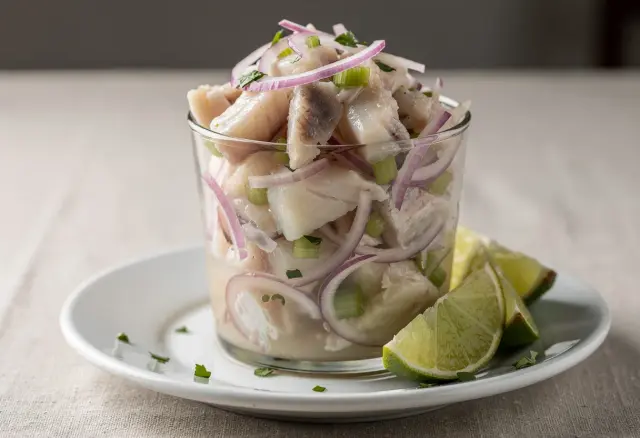
Ceviche PanameñoDiced corvina cured in lime with onion, celery, and habanero, the fish-market lunch sold in cups across Panama City.
Browse all Panama recipes →
Good to know
You’ll need: Pot or saucepan.
Storing it: Cool leftover rice quickly and refrigerate within an hour. Keep up to 2 days and reheat until piping hot all the way through.
Make it a Panama meal
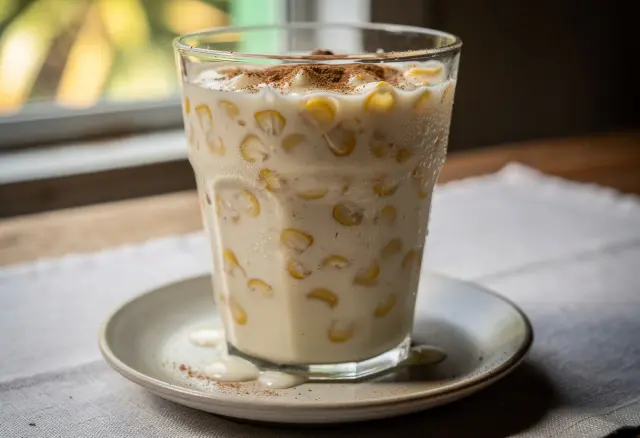
ChichemeDrink
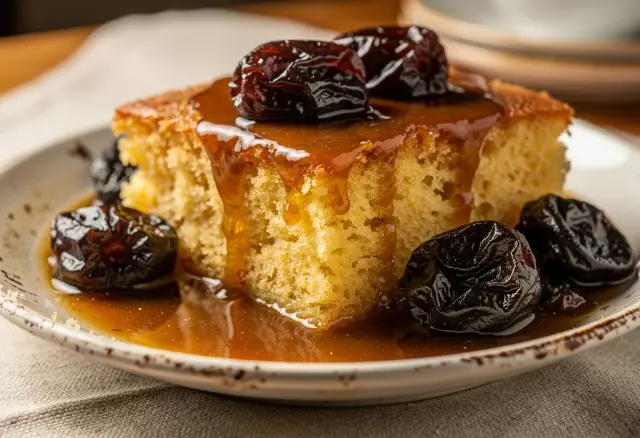
Sopa BorrachaDessert
Similar dishes from around the world
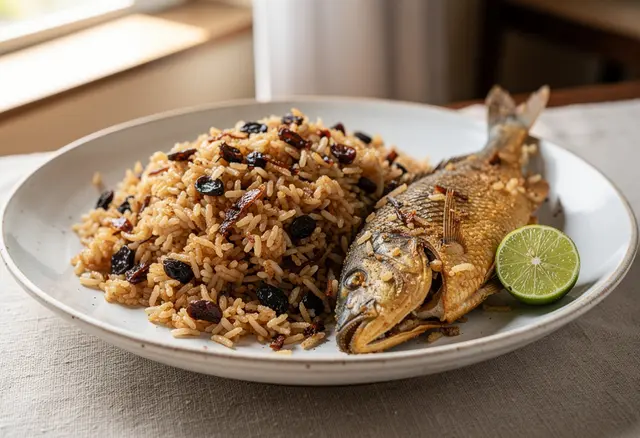
Arroz con Coco Titoté (Colombian Caramelized Coconut Rice)Colombia
Kelupis (Bruneian Glutinous Rice Rolls in Leaves)Brunei
Diri Djon Djon (Haitian Black Mushroom Rice)Haiti
Mucapata (Zambezian Rice with Mung Beans and Coconut)Mozambique

Timman (Iraqi White Rice with a Golden Crust)Iraq

Mashkhool (Kuwaiti White Rice with Onion Crust)Kuwait
Cuisine
Diet
Frequently asked questions
What is Arroz con Guandú y Coco (Panamanian Rice with Pigeon Peas and Coconut)?
Long-grain rice cooked in coconut milk with green pigeon peas, onion, garlic and culantro until fluffy, gently sweet and rich, the festive rice of the Panamanian table.
Where does Arroz con Guandú y Coco (Panamanian Rice with Pigeon Peas and Coconut) come from?
Arroz con Guandú y Coco (Panamanian Rice with Pigeon Peas and Coconut) is a Panamanian dish from Panama City, Panama.
Can Arroz con Guandú y Coco (Panamanian Rice with Pigeon Peas and Coconut) be made vegan, gluten-free, or dairy-free?
This Arroz con Guandú y Coco (Panamanian Rice with Pigeon Peas and Coconut) recipe includes substitution suggestions for vegetarian, vegan, gluten-free, dairy-free, nut-free, egg-free, and pork-free versions. Treat the substitutions as a starting guide rather than a guarantee, and see the allergen note below.
Is Arroz con Guandú y Coco (Panamanian Rice with Pigeon Peas and Coconut) safe for people with food allergies?
Our dietary labels and substitutions are a cooking guide, not medical or allergen-safety advice. We track dairy, egg, gluten, tree nuts and peanuts (we still count coconut as a tree nut to be cautious, although the FDA stopped listing it as one in 2025), fish, and shellfish, but we do not screen for sesame, soy, mustard, celery, or sulphites. If you have a food allergy, always read the label on every product you use, and remember a home or commercial kitchen can cross-contaminate ingredients in ways a recipe cannot control.
How long does Arroz con Guandú y Coco (Panamanian Rice with Pigeon Peas and Coconut) take to make?
About 45 minutes total (10 minutes prep, 35 minutes cooking), serving 6.
Get the Sunday Spin
One dish from somewhere in the world, in your inbox every Sunday. No spam, just dinner inspiration you can cook that day.