South America → Colombia → Antioquia

🥔 SIDE
Arroz con Coco Titoté (Colombian Caramelized Coconut Rice)
Coconut milk boiled down until its solids fry and caramelize into brown titoté, then cooked with rice, raisins and a little sugar into a sweet-salty, toffee-coloured rice for fried fish.
Colombian (Caribbean coast) · easy · serves 4
prep 5 min · cook 55 min · plus 5 min hands-off time
~539 cal · 7g protein · 68g carbs · 29g fat · 4g fiber · 21g sugars · 25g sat fat (estimated, per serving)
↓ Jump to Recipe
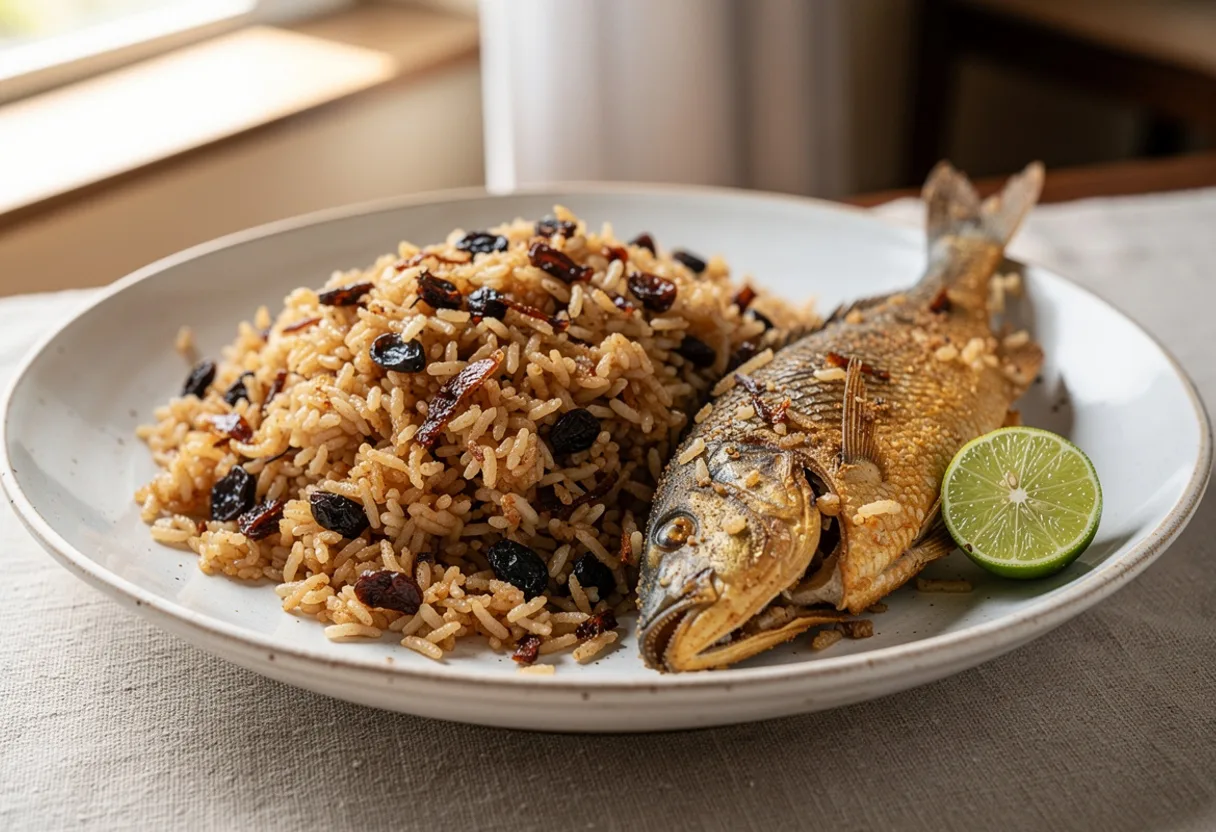
AI-generated illustration
Arroz con coco is the rice of Colombia's Caribbean coast, and it is served beside fried fish, fried , seafood casserole and grilled meat. The coastal version is not simply rice cooked in : the milk is first cooked in a heavy pan for about half an hour, until the water is gone and the coconut solids fry in their own oil and turn brown. Those caramelized bits are titoté, and they give the rice its colour and its deep, toasty sweetness.
Cooks on the coast grate fresh coconuts and squeeze the milk themselves, often with a little sugar or panela to speed the browning, and many add raisins, which is why the dish is also called arroz con coco y pasas. Canned works too, and in Colombia jars of ready-made titoté are sold for busy days.
It is a side, never the main event, and it is at its best with a whole fried fish, a wedge of lime and patacones.
Saved recipes and passport stamps are kept on this device. Sign in to keep them across your devices and leave reviews.
Make it yours
✓ Naturally vegetarian, vegan and gluten-, dairy-, egg- and pork-free. No swaps needed.
Toggle a diet and the ingredients rewrite themselves with regional substitutes.
🥕 Vegetarian
🌱 Vegan
🌾 Gluten-Free
🥛 Dairy-Free
🥜 Nut-Free
🥚 Egg-Free
🐖 Pork-Free
Dietary labels are a cooking guide, not allergen-safety advice. We track dairy, egg, gluten, tree nuts and peanuts (we count coconut as a tree nut, following FDA labeling), fish, and shellfish; we do not screen for sesame, soy, mustard, celery, or sulphites. If you have a food allergy, read the label on every product you use, and note that a kitchen can cross-contaminate in ways a recipe cannot control.
Ingredients
US
Metric
Serves 4
- 2 cups (480 ml) , fresh or canned
- 2 tbsp brown sugar or grated panela
- 1 cup (200 g) long-grain white rice
- 2 cups (480 ml) water
- 1/3 cup raisins
- 1 tsp salt
Instructions
- 1Pour the coconut milk into a heavy pan with the sugar and cook over medium heat for about 30 minutes, stirring and scraping the bottom now and then. The water will evaporate, the oil will separate and the solids will fry and turn a deep toffee brown. This is the titoté.✎ Chef’s noteStir more often at the end: the solids go from brown to burnt quickly. Stop at deep golden brown.
- 2Add the rice and stir well to coat every grain in the coconut oil and titoté.
- 3Add the water, raisins and salt, bring to the boil, and let it bubble uncovered until the water drops to the level of the rice.
- 4Turn the heat to low, cover tightly and cook for about 20 minutes, until the rice is tender and the liquid absorbed.
- 5Rest off the heat, covered, for 5 minutes, then fluff with a fork. Serve with fried fish and patacones.
Colombian Caribbean coast tradition.
Ratings & reviews
Cooked it? Rate this dish:
No account needed. Sign in to leave a full review with a comment.
Cooked it?
Kept on this device, no account needed. Sign in to leave a review and keep your passport across your devices.
No reviews yet, be the first to cook it.
🌏 While it simmers, know your destination
📍
Antioquia. Each component of the bandeja paisa is old on its own: beans cooked with pork, rice, chicharron, fried egg, plantain, avocado, arepa. What is modern is the tray, which appeared in Bogota restaurants in the 1960s and at roadside stops in the 1970s and does not show up in nineteenth-century Antioquian writing at all. Some paisas will tell you nobody ever ate it that way at home.
🗺️
Colombia. Arepas are shared with Venezuela and the two countries argue over them without resolution; what changes is the corn, the thickness and what goes inside. Bandeja paisa, the loaded platter, belongs to Antioquia and the coffee-growing hills rather than to the country at large, and the coasts cook with coconut where the highlands cook with potato.
🌍
South America. South America's cooking follows its dramatic geography, potatoes and quinoa in the high Andes, cassava and river fish in the Amazon basin, and grass-fed beef on the pampas. Indigenous ingredients like maize, ají peppers, and cacao meet Spanish, Portuguese, African, Italian, and Japanese influences brought by five centuries of migration. Ceviche, feijoada, arepas, and the smoke of the asado are its most beloved icons.
The story behind this dish is up top, worth a read while the pot works.
More from Colombia

Arepas con Quesito & HogaoGriddled corn cakes split and filled with fresh cheese, spooned over with a warm tomato-scallion sauce.
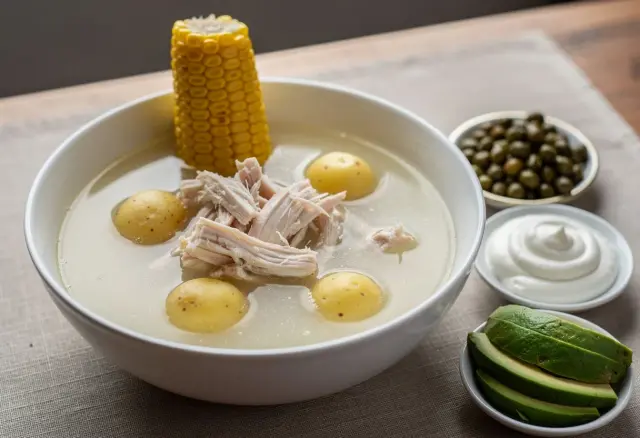
Ajiaco SantafereñoBogotá’s three-potato chicken soup thickened by the potatoes themselves, perfumed with guascas, finished with cream and capers.
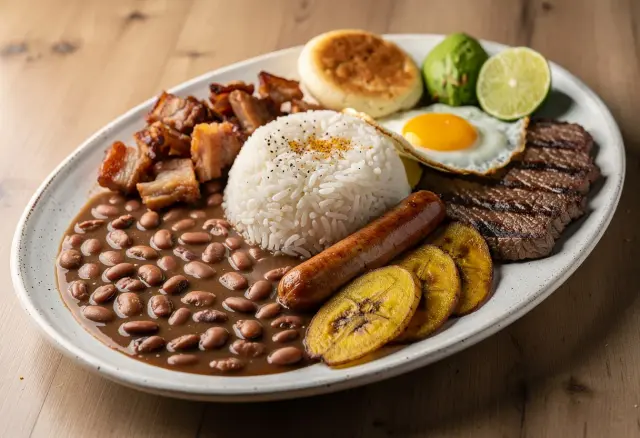
Bandeja PaisaA groaning platter of red beans, rice, chicharrón, beef, chorizo, fried egg, plantain, and arepa.
Browse all Colombia recipes →
Good to know
Storing it: Cool leftover rice quickly and refrigerate within an hour. Keep up to 2 days and reheat until piping hot all the way through.
Make it a Colombia meal

AguapanelaDrink
Natilla ColombianaDessert
Similar dishes from around the world
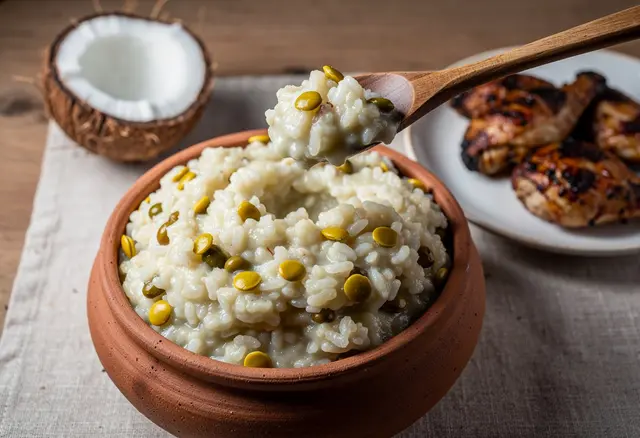
Mucapata (Zambezian Rice with Mung Beans and Coconut)Mozambique
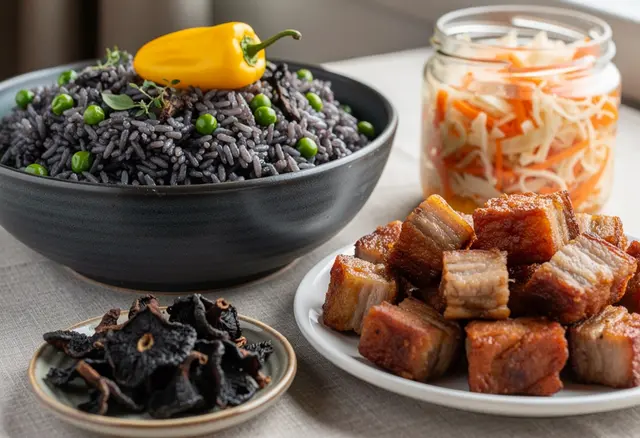
Diri Djon Djon (Haitian Black Mushroom Rice)Haiti

Arroz con Guandú y Coco (Panamanian Rice with Pigeon Peas and Coconut)Panama
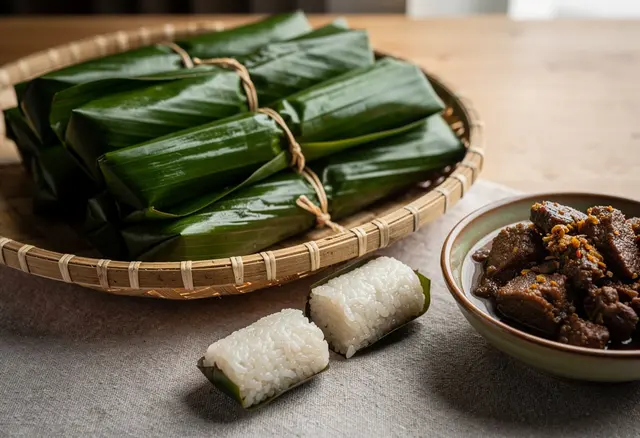
Kelupis (Bruneian Glutinous Rice Rolls in Leaves)Brunei

Timman (Iraqi White Rice with a Golden Crust)Iraq

Mashkhool (Kuwaiti White Rice with Onion Crust)Kuwait
Cuisine
Diet
Frequently asked questions
What is Arroz con Coco Titoté (Colombian Caramelized Coconut Rice)?
Coconut milk boiled down until its solids fry and caramelize into brown titoté, then cooked with rice, raisins and a little sugar into a sweet-salty, toffee-coloured rice for fried fish.
Where does Arroz con Coco Titoté (Colombian Caramelized Coconut Rice) come from?
Arroz con Coco Titoté (Colombian Caramelized Coconut Rice) is a Colombian (Caribbean coast) dish from Antioquia, Colombia.
Can Arroz con Coco Titoté (Colombian Caramelized Coconut Rice) be made vegan, gluten-free, or dairy-free?
This Arroz con Coco Titoté (Colombian Caramelized Coconut Rice) recipe includes substitution suggestions for vegetarian, vegan, gluten-free, dairy-free, nut-free, egg-free, and pork-free versions. Treat the substitutions as a starting guide rather than a guarantee, and see the allergen note below.
Is Arroz con Coco Titoté (Colombian Caramelized Coconut Rice) safe for people with food allergies?
Our dietary labels and substitutions are a cooking guide, not medical or allergen-safety advice. We track dairy, egg, gluten, tree nuts and peanuts (we still count coconut as a tree nut to be cautious, although the FDA stopped listing it as one in 2025), fish, and shellfish, but we do not screen for sesame, soy, mustard, celery, or sulphites. If you have a food allergy, always read the label on every product you use, and remember a home or commercial kitchen can cross-contaminate ingredients in ways a recipe cannot control.
How long does Arroz con Coco Titoté (Colombian Caramelized Coconut Rice) take to make?
About 1 h 5 min in all: 5 minutes prep and 55 minutes cooking, plus 5 min of hands-off waiting the method needs, serving 4.
Get the Sunday Spin
One dish from somewhere in the world, in your inbox every Sunday. No spam, just dinner inspiration you can cook that day.