
🥔 SIDE
Belsiich el Kukau (Pounded Taro)
Freshly cooked taro pounded with coconut oil into a smooth, fluffy paste and steamed, the Palauan staple served with fish.
Palauan · medium · serves 4
prep 20 min · cook 70 min
~346 cal · 5g protein · 59g carbs · 10g fat · 9g fiber · 1g sugars · 8g sat fat (estimated, per serving)
↓ Jump to Recipe
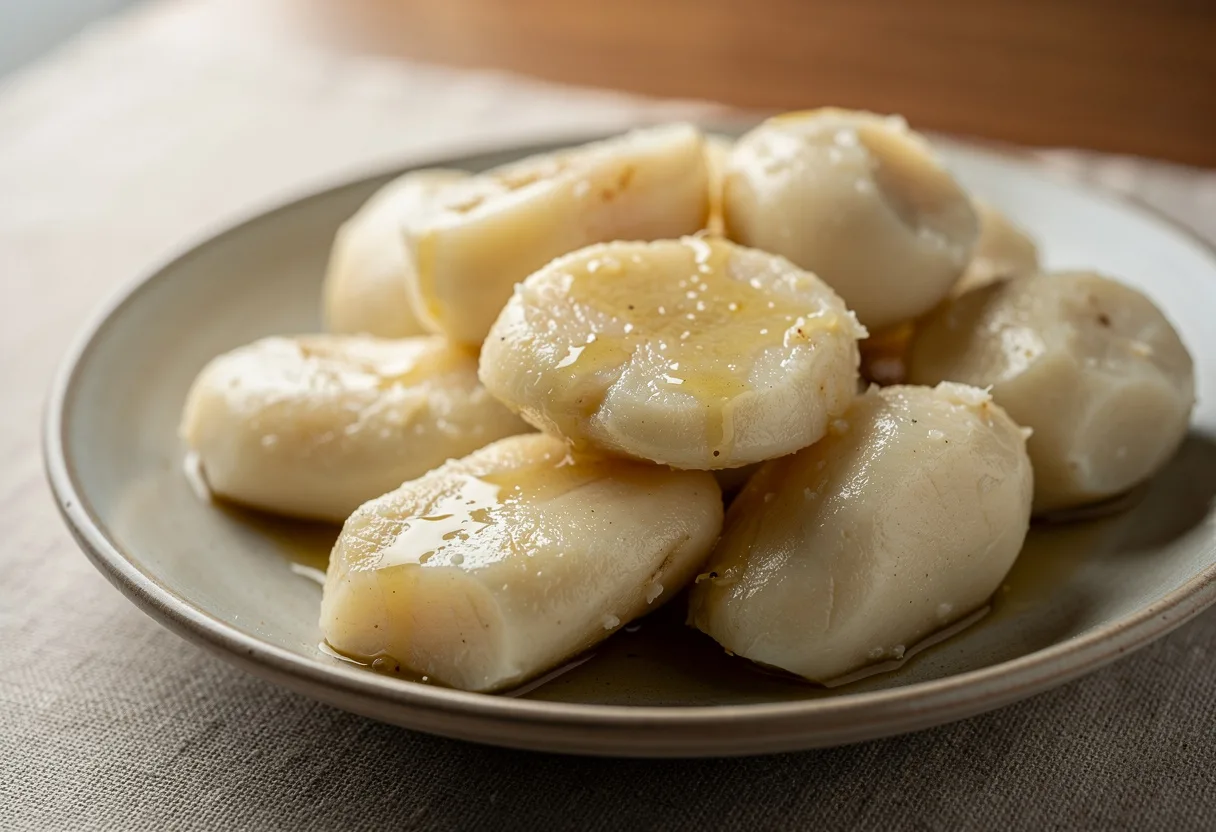
AI-generated illustration
, kukau in Palauan, is the most important staple in Palau and a genuine cultural cornerstone: a family's standing was once measured by the size and quality of its patch, tended by the women of the village. Belsiich el kukau is one of the oldest ways of preparing it, pounded enriched with coconut oil.
Fresh is cooked the day it is prepared, then pounded, traditionally with a carved wooden base (ngot) and a stone tool (ai), while coconut oil is worked in until the paste turns smooth and fluffy. It is shaped into pods, wrapped, and steamed briefly so it holds together, melting and moist to eat.
Cooks insist on fresh rather than day-old, which loses the right texture. Served with fish, belsiich is quiet, grounding staple food that shows why sits at the centre of the Palauan table.
Saved recipes and passport stamps are kept on this device. Sign in to keep them across your devices and leave reviews.
Make it yours
✓ Naturally vegetarian, vegan and gluten-, dairy-, egg- and pork-free. No swaps needed.
Toggle a diet and the ingredients rewrite themselves with regional substitutes.
🥕 Vegetarian
🌱 Vegan
🌾 Gluten-Free
🥛 Dairy-Free
🥜 Nut-Free
🥚 Egg-Free
🐖 Pork-Free
Dietary labels are a cooking guide, not allergen-safety advice. We track dairy, egg, gluten, tree nuts and peanuts (we count coconut as a tree nut, following FDA labeling), fish, and shellfish; we do not screen for sesame, soy, mustard, celery, or sulphites. If you have a food allergy, read the label on every product you use, and note that a kitchen can cross-contaminate in ways a recipe cannot control.
Ingredients
US
Metric
Serves 4
- 2 lbs (kukau), peeled
- 3 tbsp coconut oil
- to taste salt
Instructions
- 1Cook the taro until fully tender, about an hour, poking it to be sure it is soft all the way through.✎ Chef’s noteUndercooked taro is bitter and irritates the mouth, so cook it thoroughly. Use freshly cooked taro on the day; day-old taro does not pound to the same texture.
- 2While still warm, cut the taro into small pieces and pound it (with a mallet, mortar, or sturdy masher) until it breaks down, working in the coconut oil and a little salt as you go.✎ Chef’s noteThe oil keeps the taro from sticking and gives it its fluffy, moist body; add just enough to bind, not so much that it turns mushy.
- 3Shape the pounded taro into oblong pods or small logs.
- 4Wrap each in a leaf or parcel and steam for about 10 minutes for the best texture, then drizzle with a little more coconut oil and serve with fish.
Palauan home cooking.
Ratings & reviews
Cooked it? Rate this dish:
No account needed. Sign in to leave a full review with a comment.
Cooked it?
Kept on this device, no account needed. Sign in to leave a review and keep your passport across your devices.
No reviews yet, be the first to cook it.
🌏 While it simmers, know your destination
📍
Ngerulmud. Giant swamp taro and yams are grown for occasions as much as for eating, and size counts for something at a feast. Fruit bat soup and land crab are ceremonial rather than everyday, tuna comes off deep water beyond the reef, and the reef itself supplies most of the rest.
🗺️
Palau. Palau's capital, Ngerulmud, is the least populous national capital in the world, which is a fair signal of the scale involved: a scattered archipelago where the reef is the larder and the fish comes in the same day. Cassava arrived later and now shares the work with taro, and imported rice has taken over a good deal of both.
🌍
Oceania. The staple crops here were carried on purpose. Lapita voyagers moving east from roughly three thousand years ago brought taro, yam, banana, breadfruit and coconut with them along with pigs and chickens, because most of the islands they settled had almost nothing edible growing on them. The earth oven travelled too, as umu, imu, hangi, lovo, mumu, motu and um.
The story behind this dish is up top, worth a read while the pot works.
More from Palau
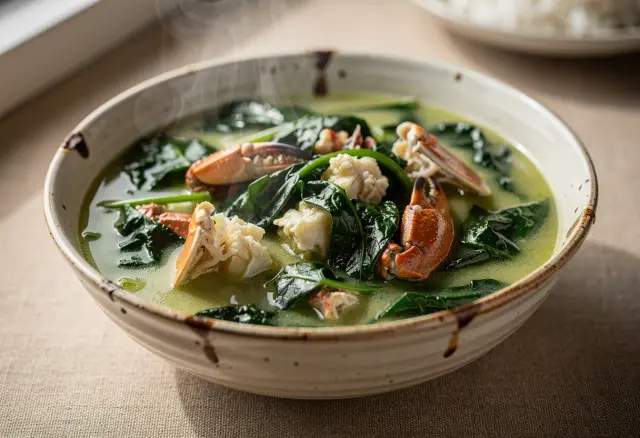
DemokA rich Palauan taro-leaf soup thickened with coconut cream and studded with crab or fish.
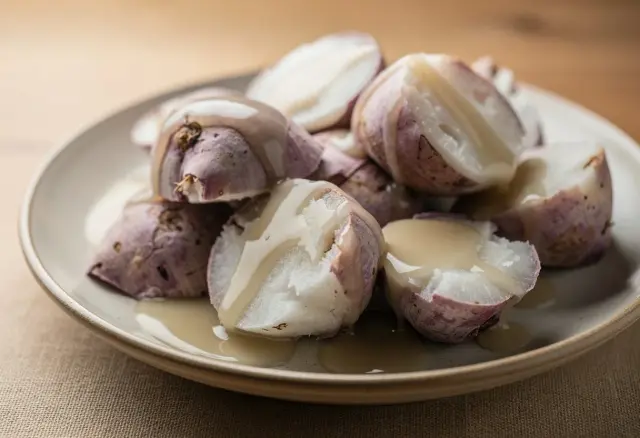
Taro with Coconut SyrupSteamed taro drizzled with a warm caramel-like coconut syrup, a gently sweet Palauan breakfast built on the islands' staple root.
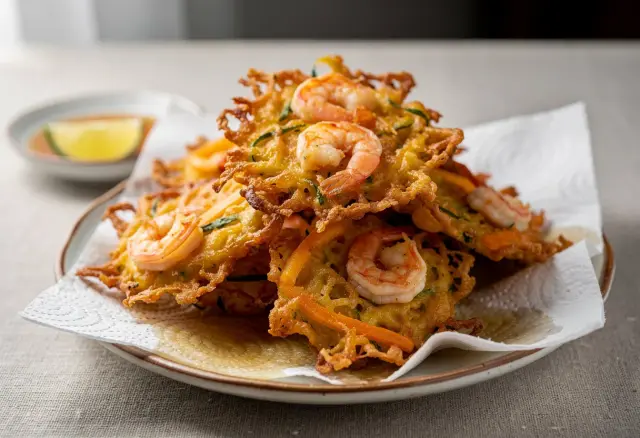
UlkoyGolden fritters of grated squash and small shrimp bound with a little flour and fried crisp, a favorite Palauan snack-lunch.
Browse all Palau recipes →
Good to know
You’ll need: Steamer, Mortar and pestle.
Storing it: Keeps 2 to 3 days refrigerated. Resteam or warm through gently to serve.
Make it a Palau meal
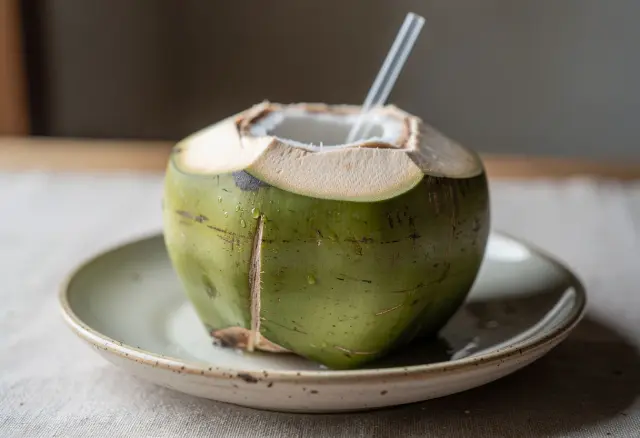
Young Coconut WaterDrink
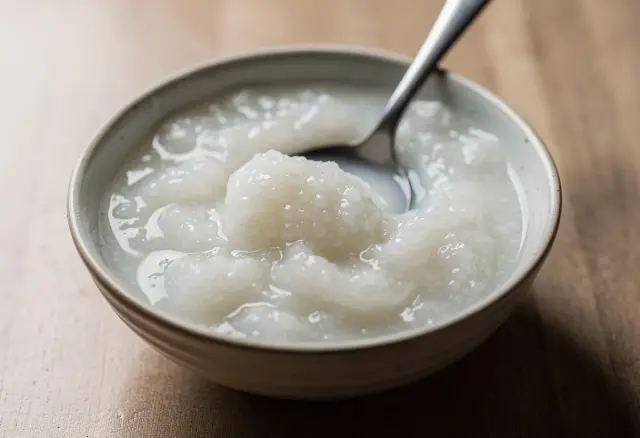
Seboseb (Tapioca Coconut Pudding)Dessert
Similar dishes from around the world
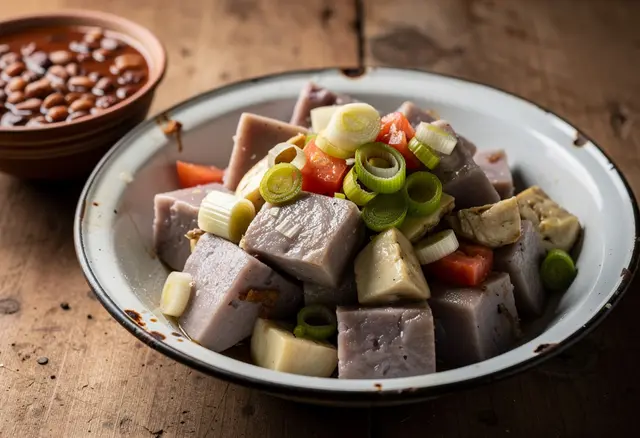
Amateke (Burundian Taro with Eggplant and Leeks)Burundi

Fa'alifu Fa'i (Green Bananas in Coconut Cream)Samoa

Kvashanaja Kapusta (Belarusian Sauerkraut with Carrot)Belarus
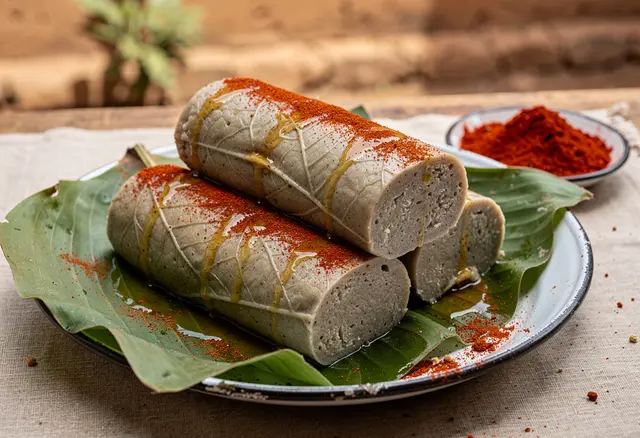
Gonré (Burkinabè Steamed Bean Cakes)Burkina Faso

Achards de Légumes (Comorian Pickled Vegetables)Comoros

Fonio Vapeur (Guinean Steamed Fonio)Guinea
Cuisine
Diet
Frequently asked questions
What is Belsiich el Kukau (Pounded Taro)?
Freshly cooked taro pounded with coconut oil into a smooth, fluffy paste and steamed, the Palauan staple served with fish.
Where does Belsiich el Kukau (Pounded Taro) come from?
Belsiich el Kukau (Pounded Taro) is a Palauan dish from Ngerulmud, Palau.
Can Belsiich el Kukau (Pounded Taro) be made vegan, gluten-free, or dairy-free?
This Belsiich el Kukau (Pounded Taro) recipe includes substitution suggestions for vegetarian, vegan, gluten-free, dairy-free, nut-free, egg-free, and pork-free versions. Treat the substitutions as a starting guide rather than a guarantee, and see the allergen note below.
Is Belsiich el Kukau (Pounded Taro) safe for people with food allergies?
Our dietary labels and substitutions are a cooking guide, not medical or allergen-safety advice. We track dairy, egg, gluten, tree nuts and peanuts (we still count coconut as a tree nut to be cautious, although the FDA stopped listing it as one in 2025), fish, and shellfish, but we do not screen for sesame, soy, mustard, celery, or sulphites. If you have a food allergy, always read the label on every product you use, and remember a home or commercial kitchen can cross-contaminate ingredients in ways a recipe cannot control.
How long does Belsiich el Kukau (Pounded Taro) take to make?
About 90 minutes total (20 minutes prep, 70 minutes cooking), serving 4.
Get the Sunday Spin
One dish from somewhere in the world, in your inbox every Sunday. No spam, just dinner inspiration you can cook that day.