
🥔 SIDE
Djouka (Malian Fonio with Peanut)
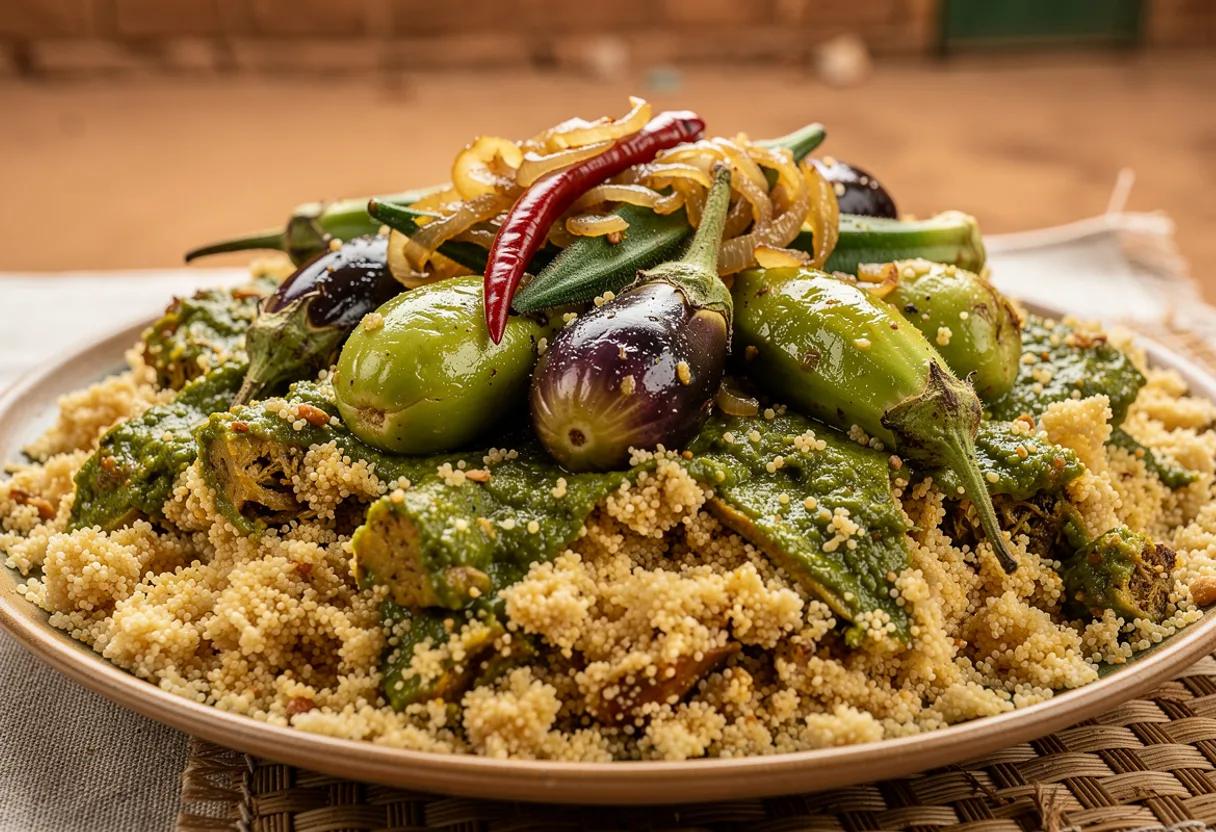
Fonio steamed in stages and folded with pounded peanut, finished with a slippery okra sauce and topped with soft onions and boiled eggplant.
Malian · medium · serves 6
prep 25 min · cook 45 min
~586 cal · 17g protein · 64g carbs · 32g fat · 10g fiber · 8g sugars · 4g sat fat (estimated, per serving)
↓ Jump to Recipe
AI-generated illustration
Djouka is a Malian dish of , the tiny, fast-cooking grain of the Sahel, steamed together with ground peanuts. Both are cheap and plentiful in the villages, so it has a reputation as a humble dish, but it is also a festive one, the of weddings, baptisms and holidays, when it is served with grilled meat.
The peanuts are steamed, pounded and sifted to a coarse powder, seasoned with salt and a pinch of potash, and folded into that has been moistened and steamed two or three times until light and separate. Sliced cooked with a little potash into a slippery sauce is stirred through, and the dish is finished with onions softened in oil, boiled eggplant and chili.
is naturally gluten free and is now easy to find in health food shops and online. Serve djouka beside grilled chicken, lamb or fish, or on its own.
Saved recipes and passport stamps are kept on this device. Sign in to keep them across your devices and leave reviews.
Make it yours
✓ Naturally dairy-, egg- and pork-free. No swaps needed.
Toggle a diet and the ingredients rewrite themselves with regional substitutes.
🥕 Vegetarian
🌱 Vegan
🌾 Gluten-Free
🥛 Dairy-Free
🥜 Nut-Free
🥚 Egg-Free
🐖 Pork-Free
Dietary labels are a cooking guide, not allergen-safety advice. We track dairy, egg, gluten, tree nuts and peanuts (we count coconut as a tree nut, following FDA labeling), fish, and shellfish; we do not screen for sesame, soy, mustard, celery, or sulphites. If you have a food allergy, read the label on every product you use, and note that a kitchen can cross-contaminate in ways a recipe cannot control.
Ingredients
US
Metric
Serves 6
- 2 cups (about 350 g) , rinsed and drained
- about 2 1/2 cups (600 ml) water, for moistening the
- 1 1/2 cups (220 g) raw shelled peanuts
- a small pinch potash (kanwa), dividedHard to find? 1/4 tsp baking soda - divided the same way; it plays the same alkaline part in the okra, without the mineral edge of potash
- 1 tsp salt, plus more to taste
- 1/2 tsp black pepper
- 1/2 tsp dried chili flakes
- 150 g (1 1/2 cups) fresh , thinly sliced
- 2 small eggplants
- 3 medium onions, sliced
- 1/3 cup vegetable oil
- 1 cube, crushed
- 2 fresh chilies, optional
Instructions
- 1Steam the peanuts for 5 minutes, let them cool a little, then pound them in a mortar or pulse in a food processor to a coarse powder. Sift or blow away the loose skins and mix in half the potash and the salt.
- 2Put the fonio in a bowl, sprinkle over about 2 cups of the water and rub it through with your fingers so every grain is moist. Steam it in a cloth-lined steamer or couscoussier over boiling water for 10 minutes.✎ Chef’s noteFonio is so fine it falls through a normal steamer basket. Line it with a clean, damp cloth or cheesecloth.
- 3Tip the fonio back into the bowl, break up any lumps with a fork, sprinkle with the remaining water, and steam again for 5 minutes. Tip it out again, mix in the peanut powder, black pepper and chili flakes, and steam for a final 5 to 10 minutes until light and tender.
- 4Meanwhile simmer the okra in 1 cup of water with the rest of the potash for 15 to 20 minutes, until soft and slippery. In another pan boil the eggplants and fresh chilies, if using, for 10 to 15 minutes until tender.
- 5At the same time heat the oil in a frying pan and cook the onions with the stock cube over medium-low heat for 15 to 20 minutes, stirring now and then, until soft and golden.
- 6Fold the okra and its sauce through the fonio, taste for salt, and pile onto a platter. Top with the onions, the halved eggplants and chilies, and serve warm.
Malian tradition.
Ratings & reviews
Cooked it? Rate this dish:
No account needed. Sign in to leave a full review with a comment.
Cooked it?
Kept on this device, no account needed. Sign in to leave a review and keep your passport across your devices.
No reviews yet, be the first to cook it.
🌏 While it simmers, know your destination
📍
Bamako. Bamako sits on the Niger and simmers tigadegena, a groundnut stew cooked slowly with tomato and meat, poured over rice or millet to. Malian cooking uses millet and sorghum porridges, smoked fish from the river, and hibiscus and ginger drinks alongside.
🗺️
Mali. Malian food is West African comfort built on rice, millet, and fonio, crowned by the peanut stew maafe and jollof-style rice. Fermented and grilled foods reflect a Sahelian heritage and Niger River trade.
🌍
Africa. The structure repeats across most of the continent: one starch and one sauce. A grain or root is cooked stiff, torn or rolled by hand, and used to carry a stew of leaves, groundnut, okra or fish, usually from a shared bowl and with the right hand. UNESCO listings have followed that logic, inscribing couscous in 2020 as a shared Maghreb tradition and Ivorian attieke in 2024.
The story behind this dish is up top, worth a read while the pot works.
More from Mali
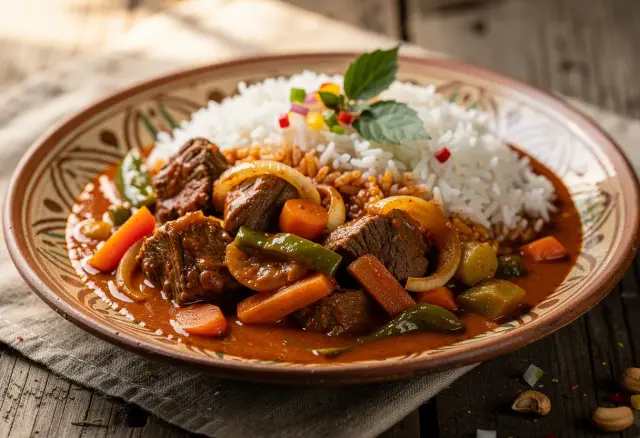
MaafeA rich West African groundnut stew of peanut butter, tomato, and root vegetables simmered around tender meat.

MaasaMalian pancake-doughnuts: lightly fermented rice-and-millet batter fried into golden puffs and dusted with sugar, sold hot from roadside pans.
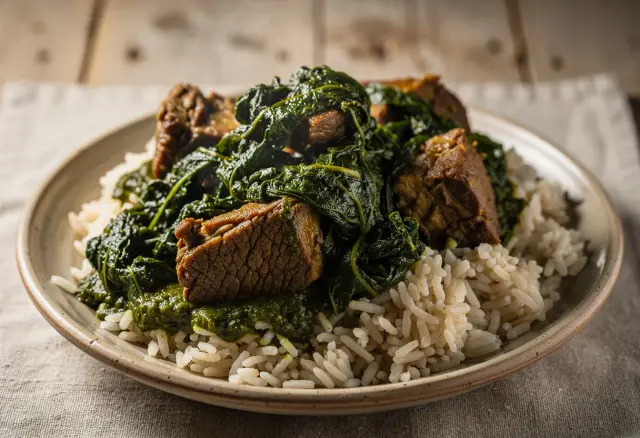
FakoyeA slippery jute-leaf sauce with meat and smoked fish, served over rice or with tô, a Malian and Sahelian favorite.
Browse all Mali recipes →
Good to know
You’ll need: Skillet or frying pan, Steamer, Food processor, Mortar and pestle.
Storing it: Keeps 2 to 3 days refrigerated. Resteam or warm through gently to serve.
Make it a Mali meal
DèguèDrink
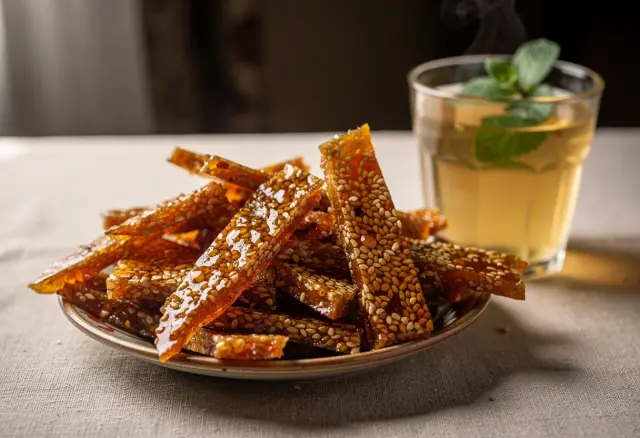
Meni-Meniyong (Sesame and Honey Brittle)Dessert
Similar dishes from around the world

Fonio Vapeur (Guinean Steamed Fonio)Guinea

Kvashanaja Kapusta (Belarusian Sauerkraut with Carrot)Belarus
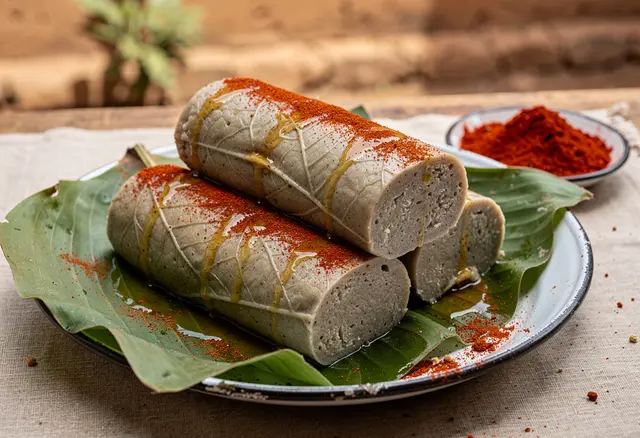
Gonré (Burkinabè Steamed Bean Cakes)Burkina Faso
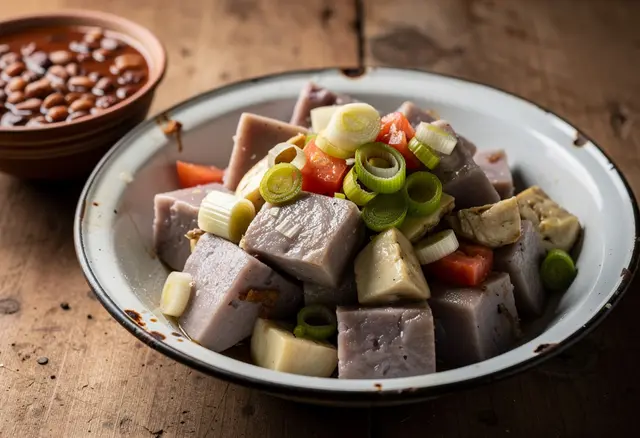
Amateke (Burundian Taro with Eggplant and Leeks)Burundi

Achards de Légumes (Comorian Pickled Vegetables)Comoros
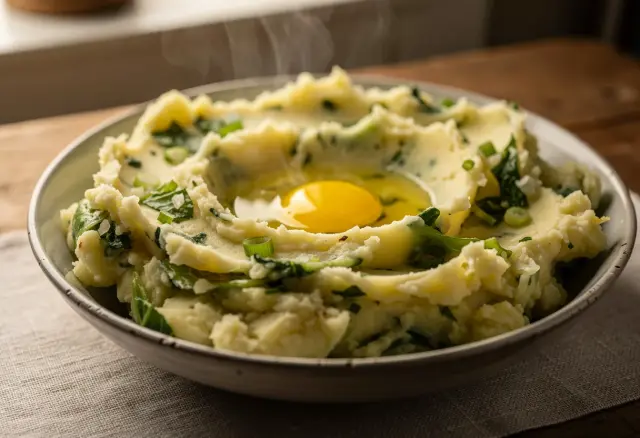
ColcannonIreland
Cuisine
Diet
Themes
Frequently asked questions
What is Djouka (Malian Fonio with Peanut)?
Fonio steamed in stages and folded with pounded peanut, finished with a slippery okra sauce and topped with soft onions and boiled eggplant.
Where does Djouka (Malian Fonio with Peanut) come from?
Djouka (Malian Fonio with Peanut) is a Malian dish from Bamako, Mali.
Can Djouka (Malian Fonio with Peanut) be made vegan, gluten-free, or dairy-free?
This Djouka (Malian Fonio with Peanut) recipe includes substitution suggestions for vegetarian, vegan, gluten-free, dairy-free, nut-free, egg-free, and pork-free versions. Treat the substitutions as a starting guide rather than a guarantee, and see the allergen note below.
Is Djouka (Malian Fonio with Peanut) safe for people with food allergies?
Our dietary labels and substitutions are a cooking guide, not medical or allergen-safety advice. We track dairy, egg, gluten, tree nuts and peanuts (we still count coconut as a tree nut to be cautious, although the FDA stopped listing it as one in 2025), fish, and shellfish, but we do not screen for sesame, soy, mustard, celery, or sulphites. If you have a food allergy, always read the label on every product you use, and remember a home or commercial kitchen can cross-contaminate ingredients in ways a recipe cannot control.
How long does Djouka (Malian Fonio with Peanut) take to make?
About 70 minutes total (25 minutes prep, 45 minutes cooking), serving 6.
Get the Sunday Spin
One dish from somewhere in the world, in your inbox every Sunday. No spam, just dinner inspiration you can cook that day.