
🍢 SNACK
Kifli me Djathë (Kosovar Cheese Crescent Rolls)
Soft, golden yeast rolls shaped into little crescents around a filling of salty white cheese and egg, brushed with yolk, scattered with sesame and baked until puffed, a bakery favourite with coffee.
Kosovar · medium · serves 10
prep 45 min · cook 20 min · plus 50 min hands-off time
~483 cal · 16g protein · 42g carbs · 28g fat · 2g fiber · 3g sugars · 9g sat fat (estimated, per serving)
↓ Jump to Recipe
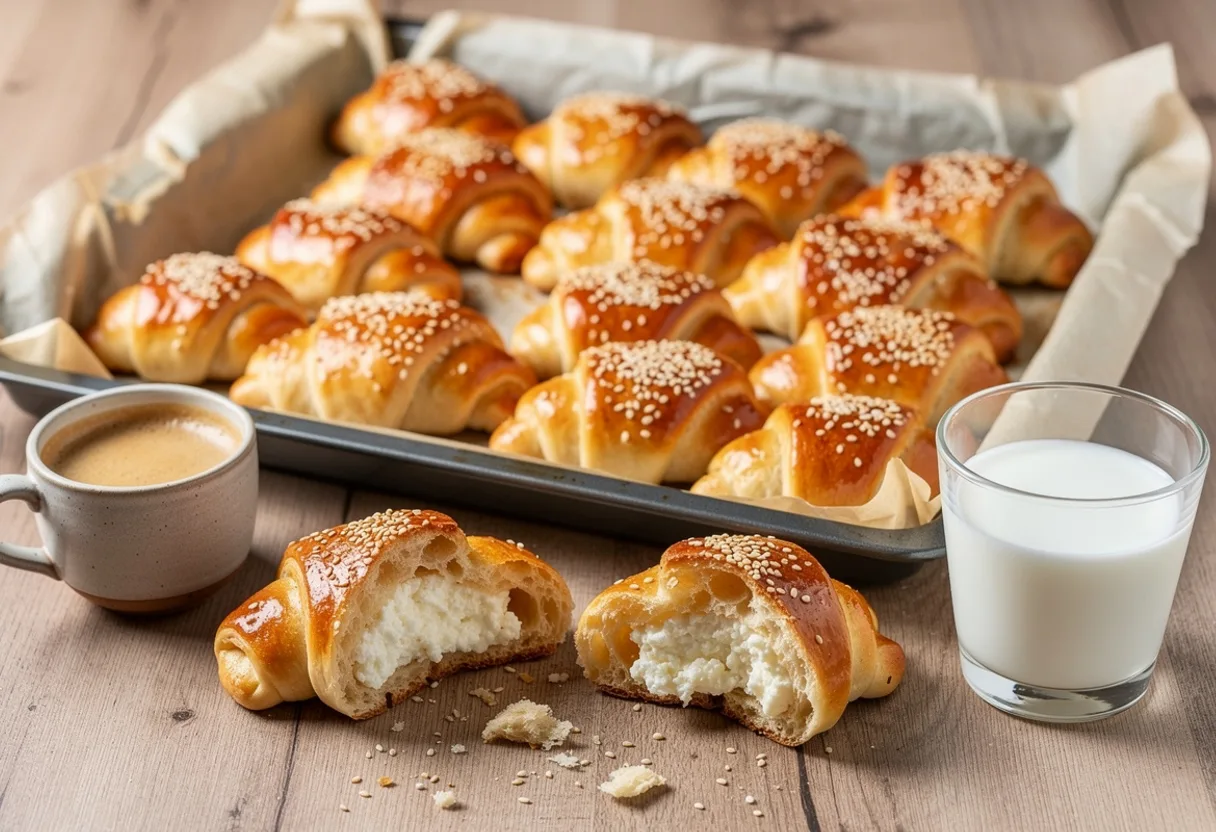
AI-generated illustration
Kifli, crescent-shaped rolls of soft yeast dough, are sold in bakeries all over Kosovo and the rest of the former Yugoslavia, and most home cooks have their own recipe. The name and the shape come from Central Europe, from the Hungarian kifli and the Austrian Kipferl, and in the Balkans the rolls are usually made with a rich dough of milk, eggs and oil.
The savoury version is the best loved. Each little triangle of dough is rolled up around a spoonful of crumbled white cheese beaten with egg, curved into a crescent, brushed with yolk and often sprinkled with sesame seeds. In Albanian they are kifli me djathë, rolls with cheese, and in Serbian and Croatian kiflice sa sirom.
A batch makes dozens. They are eaten warm from the oven or cold from a tin, with coffee or a glass of yogurt, as a snack between meals, packed for school or set out when guests call.
Saved recipes and passport stamps are kept on this device. Sign in to keep them across your devices and leave reviews.
Make it yours
✓ Naturally vegetarian and nut- and pork-free. No swaps needed.
Toggle a diet and the ingredients rewrite themselves with regional substitutes.
🥕 Vegetarian
🌱 Vegan
🌾 Gluten-Free
🥛 Dairy-Free
🥜 Nut-Free
🥚 Egg-Free
🐖 Pork-Free
Dietary labels are a cooking guide, not allergen-safety advice. We track dairy, egg, gluten, tree nuts and peanuts (we count coconut as a tree nut, following FDA labeling), fish, and shellfish; we do not screen for sesame, soy, mustard, celery, or sulphites. If you have a food allergy, read the label on every product you use, and note that a kitchen can cross-contaminate in ways a recipe cannot control.
Ingredients
US
Metric
Serves 10
- 250 ml whole milk, lukewarm
- 7 g (2 tsp) dried active yeast
- 1 tbsp sugar
- 2 eggs (for the dough)
- 150 ml sunflower oil
- 1/2 tsp salt
- 500 g plain flour, plus a little for rolling
- 300 g white brined cheese (djathë i bardhë) or feta, crumbled
- 1 egg (for the filling)
- 1 egg yolk (for brushing)
- 1 tbsp milk (for brushing)
- 2 tbsp sesame seeds, optional
Instructions
- 1Stir the yeast and sugar into 100 ml of the warm milk and leave for about 10 minutes, until foamy.
- 2In a large bowl beat the 2 dough eggs with the oil until well mixed. Add the rest of the milk, the salt and the yeast mixture, then work in the flour a little at a time and knead for 5 to 8 minutes into a soft, smooth dough.
- 3Cover the bowl and leave the dough to rise in a warm place for 30 minutes, until nearly doubled.
- 4Meanwhile mash the crumbled cheese with the filling egg to a rough, spreadable paste.
- 5Divide the dough into 4 pieces. Roll one piece on a lightly floured surface into a circle about 3 mm thick and cut it like a cake into 10 triangles. Put a teaspoon of cheese filling on the wide end of each triangle and roll it up towards the point, then curve the ends slightly into a crescent. Repeat with the rest of the dough.
- 6Set the rolls on two lined baking trays, point side down, with space between them. Cover and leave to rise for 20 minutes while the oven heats to 180C (350F).
- 7Beat the yolk with the brushing milk, brush it over the rolls and sprinkle with sesame seeds. Bake both trays together for 15 to 20 minutes, until puffed and deep golden.✎ Chef’s noteIf your oven browns unevenly, swap the trays around halfway through.
- 8Cool on a rack for a few minutes and eat warm, or cover with a cloth once cool and keep in a tin for up to three days.
Kosovar and wider Balkan home and bakery tradition.
Ratings & reviews
Cooked it? Rate this dish:
No account needed. Sign in to leave a full review with a comment.
Cooked it?
Kept on this device, no account needed. Sign in to leave a review and keep your passport across your devices.
No reviews yet, be the first to cook it.
🌏 While it simmers, know your destination
📍
Pristina. Flija is built one layer at a time under a sac, an iron dome heaped with burning coals. A thin batter is spooned on in a pattern, cooked, brushed with kajmak, then the next layer goes over it, for two or three hours, until it stacks a dozen or more sheets deep.
🗺️
Kosovo. It is not Kosovo's alone: the same dish is made in Albania, in northern Montenegro and in North Macedonia, where it is called gjomleze. The sac that cooks it is the same tool as the Croatian peka and the Montenegrin sac, which is a good reminder that the Balkans share equipment as much as recipes. Burek here means the pastry generally rather than one filling.
🌍
Europe. European cooking is built on the land and the seasons, wheat, butter, and cured pork in the north; olive oil, tomatoes, and seafood around the Mediterranean; preserved vegetables and hearty stews through long winters. Centuries of peasant tradition, guild craft, and royal courts refined techniques from French mother sauces to Italian fresh pasta and Central European baking. Regional identity runs remarkably deep, with a single dish often changing from one valley to the next.
The story behind this dish is up top, worth a read while the pot works.
More from Kosovo
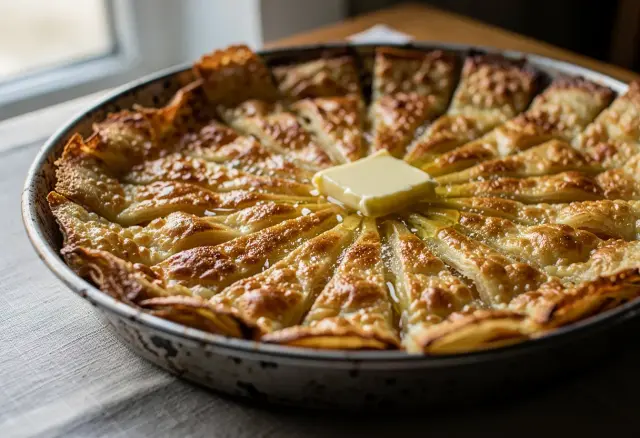
FlijaA patient, many-layered pancake built up batter-by-batter under live coals, served with butter and cream.
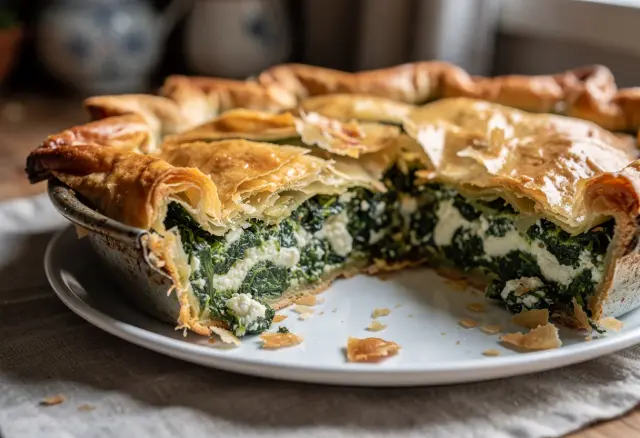
Pite me SpinaqLayered thin-pastry pie filled with spinach and cheese, baked until crisp, a Kosovo staple.
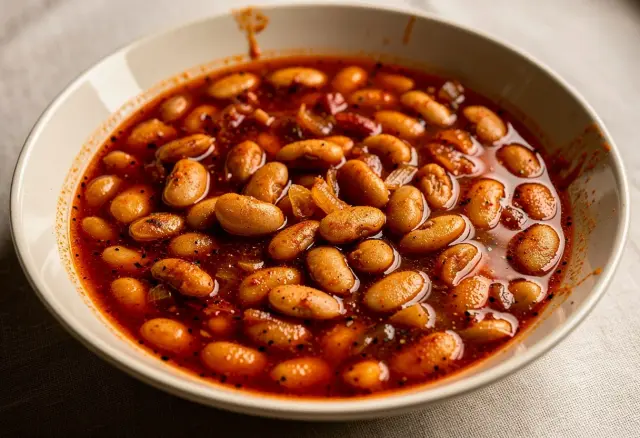
PasulA slow-simmered white bean stew rich with paprika and onion, the everyday food of Kosovo.
Browse all Kosovo recipes →
Good to know
You’ll need: Oven, Mould or tin.
Storing it: Store in an airtight container. Most keep 2 to 3 days at room temperature, and longer refrigerated.
Make it a Kosovo meal
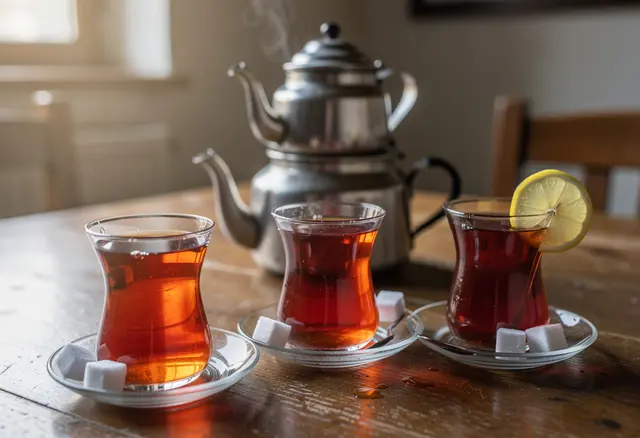
Çaj Rusi (Kosovar Black Tea)Drink
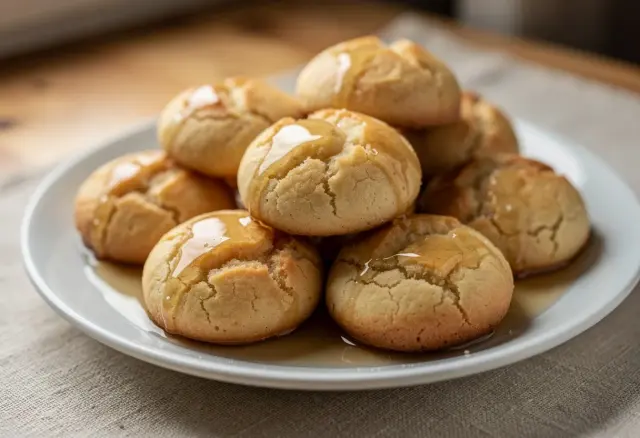
SheqerpareDessert
Similar dishes from around the world
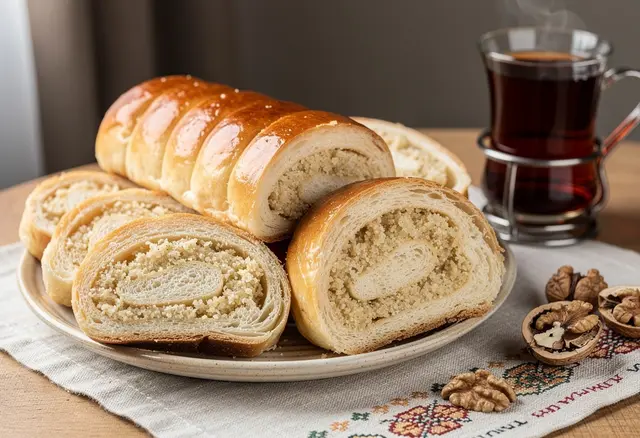
Gata (Armenian Sweet Pastry with Khoriz)Armenia
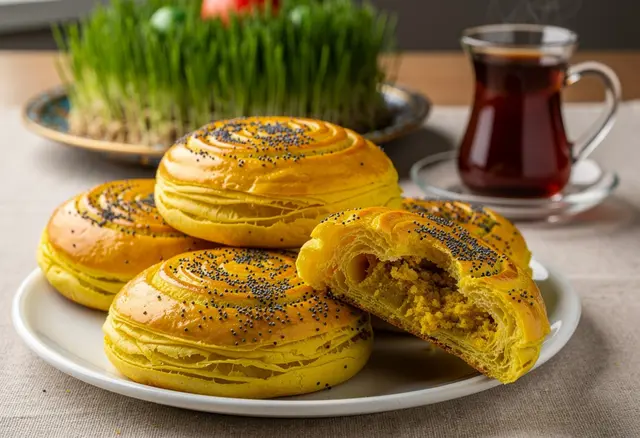
Şorqoğal (Azerbaijani Spiced Novruz Pastry)Azerbaijan
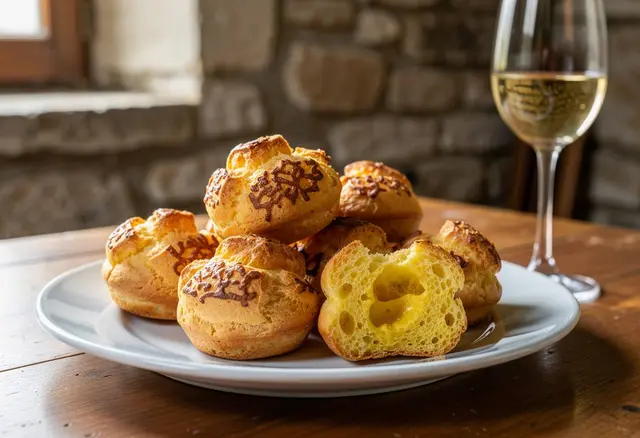
Gougères (Burgundy Cheese Puffs)France
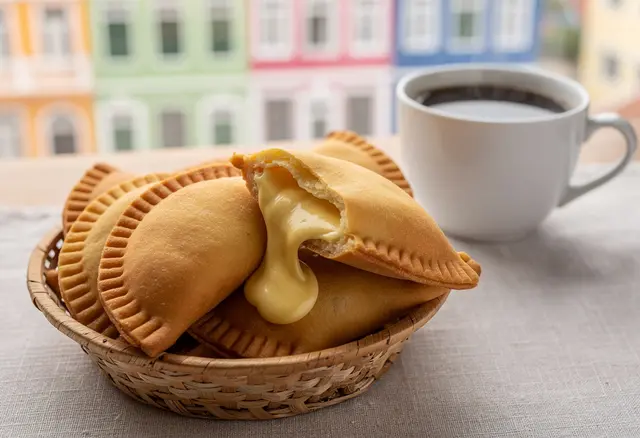
Pastechi (Curaçao Fried Cheese Turnovers)Curaçao
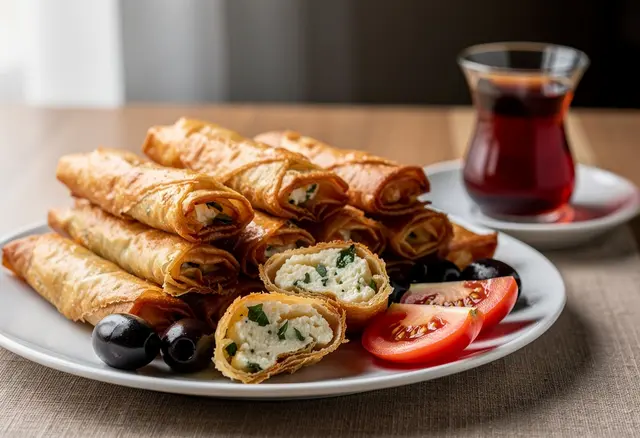
Sigara Böreği (Turkish Crispy Cheese Rolls)Turkey

Tequeños (Venezuelan Cheese Sticks)Venezuela
Cuisine
Diet
Frequently asked questions
What is Kifli me Djathë (Kosovar Cheese Crescent Rolls)?
Soft, golden yeast rolls shaped into little crescents around a filling of salty white cheese and egg, brushed with yolk, scattered with sesame and baked until puffed, a bakery favourite with coffee.
Where does Kifli me Djathë (Kosovar Cheese Crescent Rolls) come from?
Kifli me Djathë (Kosovar Cheese Crescent Rolls) is a Kosovar dish from Pristina, Kosovo.
Can Kifli me Djathë (Kosovar Cheese Crescent Rolls) be made vegan, gluten-free, or dairy-free?
This Kifli me Djathë (Kosovar Cheese Crescent Rolls) recipe includes substitution suggestions for vegetarian, vegan, gluten-free, dairy-free, nut-free, egg-free, and pork-free versions. Treat the substitutions as a starting guide rather than a guarantee, and see the allergen note below.
Is Kifli me Djathë (Kosovar Cheese Crescent Rolls) safe for people with food allergies?
Our dietary labels and substitutions are a cooking guide, not medical or allergen-safety advice. We track dairy, egg, gluten, tree nuts and peanuts (we still count coconut as a tree nut to be cautious, although the FDA stopped listing it as one in 2025), fish, and shellfish, but we do not screen for sesame, soy, mustard, celery, or sulphites. If you have a food allergy, always read the label on every product you use, and remember a home or commercial kitchen can cross-contaminate ingredients in ways a recipe cannot control.
How long does Kifli me Djathë (Kosovar Cheese Crescent Rolls) take to make?
About 1 h 55 min in all: 45 minutes prep and 20 minutes cooking, plus 50 min of hands-off waiting the method needs, serving 10.
Get the Sunday Spin
One dish from somewhere in the world, in your inbox every Sunday. No spam, just dinner inspiration you can cook that day.