Asia → Azerbaijan → Baku

🍢 SNACK
Şorqoğal (Azerbaijani Spiced Novruz Pastry)
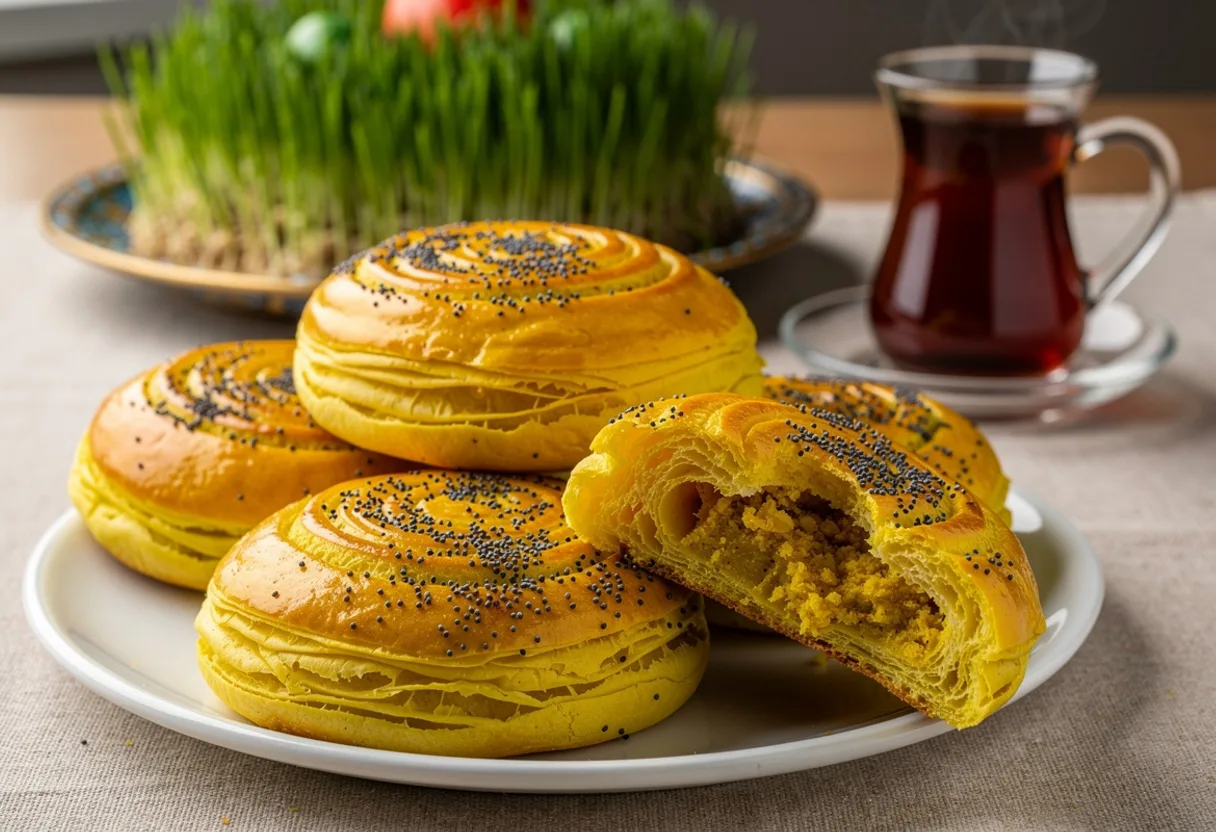
Round, many-layered buttery buns rolled from thin sheets of yeasted dough and filled with a savoury paste of toasted flour, butter, turmeric, fennel, cumin and black pepper, glazed yellow and baked golden.
Azerbaijani · advanced · serves 6
prep 60 min · cook 30 min · plus 1 h hands-off time
~893 cal · 15g protein · 91g carbs · 52g fat · 3g fiber · 3g sugars · 32g sat fat (estimated, per serving)
↓ Jump to Recipe
AI-generated illustration
Şorqoğal (shorgoghal) is the savoury pastry of Novruz, the Azerbaijani spring new year. It is baked alongside pakhlava and shekerbura for the festive table, and like them it carries solar symbolism: its round shape and bright yellow top stand for the sun returning after winter. It is served warm, with sweet tea.
It is made like a home-made puff pastry. A soft yeasted dough is rolled into thin rounds, each brushed with melted butter and stacked, then stretched thin again, cut into strips and rolled up into spirals. Each spiral is pressed open in the middle, filled with a spoonful of spiced flour and butter, sealed and flattened into a round.
The filling is what gives şorqoğal its name, from şor, salty: flour and butter seasoned with turmeric, cumin, fennel or anise, black pepper and salt. Family recipes differ in the spices; some add cinnamon, or ginger. A sweet version filled with sugar and nuts is called şirin qoğal.
Saved recipes and passport stamps are kept on this device. Sign in to keep them across your devices and leave reviews.
Make it yours
✓ Naturally vegetarian and nut- and pork-free. No swaps needed.
Toggle a diet and the ingredients rewrite themselves with regional substitutes.
🥕 Vegetarian
🌱 Vegan
🌾 Gluten-Free
🥛 Dairy-Free
🥜 Nut-Free
🥚 Egg-Free
🐖 Pork-Free
Dietary labels are a cooking guide, not allergen-safety advice. We track dairy, egg, gluten, tree nuts and peanuts (we count coconut as a tree nut, following FDA labeling), fish, and shellfish; we do not screen for sesame, soy, mustard, celery, or sulphites. If you have a food allergy, read the label on every product you use, and note that a kitchen can cross-contaminate in ways a recipe cannot control.
Ingredients
US
Metric
Serves 6
- 500 g all-purpose flour (for the dough)
- 1 1/2 tsp instant yeast
- 1/2 tsp sugar
- 3/4 tsp salt (for the dough)
- 3/4 cup (180 ml) milk, warmed
- 100 g sour cream
- 100 g unsalted butter, melted (for the dough)
- 1 egg (for the dough)
- 150 g unsalted butter, melted (for layering)
- 200 g all-purpose flour (for the filling)
- 60 g unsalted butter, melted (for the filling)
- 1 tsp ground turmeric
- 1 tsp fennel seeds, crushed
- 1 tsp cumin seeds, crushed
- 1/2 tsp ground black pepper
- 1 tsp salt (for the filling)
- 1 egg yolk, beaten with 1 tsp milk (for glazing)
- 1 tbsp poppy seeds, to sprinkle
Instructions
- 1Stir the yeast and sugar into the warm milk. In a large bowl, mix the sour cream, melted butter and egg, add the milk mixture, then work in the flour and salt and knead for about 8 minutes into a soft, smooth dough. Cover and leave in a warm place for about 1 hour, until doubled.
- 2Meanwhile, make the filling. Mix the flour with the turmeric, fennel, cumin, black pepper and salt in a dry frying pan and toast over medium-low heat for 5 minutes, stirring, until fragrant. Take it off the heat and stir in the melted butter until it forms a crumbly paste. Let it cool.
- 3Divide the risen dough into 6 pieces and roll each into a very thin round, as thin as you can manage. Brush the first round generously with melted butter, lay the next on top and brush again, and so on, leaving the top layer unbuttered.
- 4Roll the stack out gently into a large, thinner sheet. Cut it into strips about 3 cm wide and roll each strip up tightly into a snail. Stand each snail on its end, press the middle down with your thumb to make a hollow, fill it with a heaped tablespoon of the filling, then pinch the dough closed over it and flatten it gently with your palm into a round bun about 2 cm thick. Heat the oven to 180 C.✎ Chef’s noteHandle the layered dough lightly and keep the rolls tight: the layers should show as rings on the top and sides after baking.
- 5Set the buns on a baking sheet lined with baking paper, brush the tops with the egg yolk glaze and sprinkle with poppy seeds.
- 6Bake for 30 to 35 minutes, until puffed and deep golden. Cool a little and serve warm with sweet black tea.
Azerbaijani Novruz tradition.
Ratings & reviews
Cooked it? Rate this dish:
No account needed. Sign in to leave a full review with a comment.
Cooked it?
Kept on this device, no account needed. Sign in to leave a review and keep your passport across your devices.
No reviews yet, be the first to cook it.
🌏 While it simmers, know your destination
📍
Baku. Sourness comes from fruit rather than vinegar. Pomegranate turns up as seeds, as juice and as narsharab, a thick syrup poured over grilled fish, while quince and dried alycha plums go into lamb stews such as parcha bozbash. Dushbara are pinched small enough that four or five sit in a single spoon.
🗺️
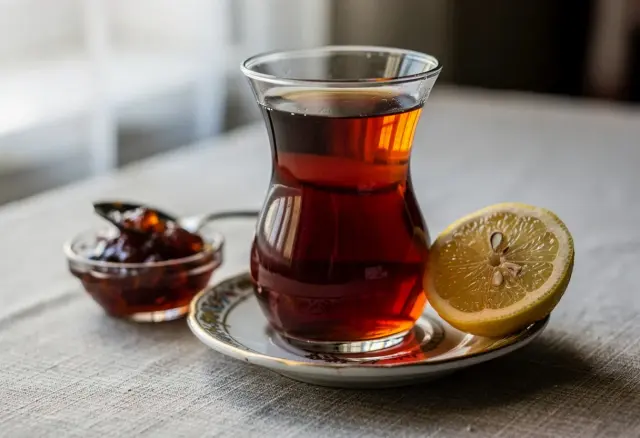
Azerbaijan. Pomegranate does double duty as fruit and as narsharab, the syrup boiled down from the juice and spooned over grilled fish and meat. Herbs come to the table by the handful rather than chopped into a dish, and tea arrives in an armudu, the pear-shaped glass whose narrow waist keeps the top cool enough to hold. Plov is shared across the region, so this is a version rather than an invention.
🌍
Asia. Fermentation is the thread that runs the whole way across: soy sauce and miso, Korean doenjang and kimchi, Southeast Asian fish sauces, the soured batter behind an idli. Chilli is the newcomer among them, arriving only after 1500 with Portuguese and Spanish traders, which makes the heat in Sichuan, Thai and Korean cooking far younger than the fermenting underneath it.
The story behind this dish is up top, worth a read while the pot works.
More from Azerbaijan
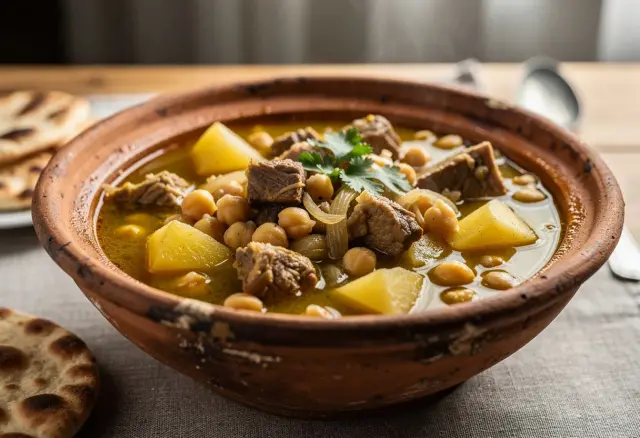
PitiA slow-baked crock stew of lamb, chickpeas, and chestnuts scented with saffron and dried plum.
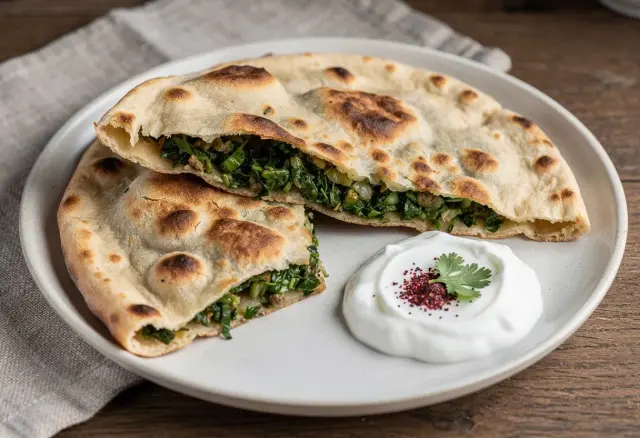
QutabThin, half-moon griddle breads stuffed with greens and herbs, folded and cooked until charred.
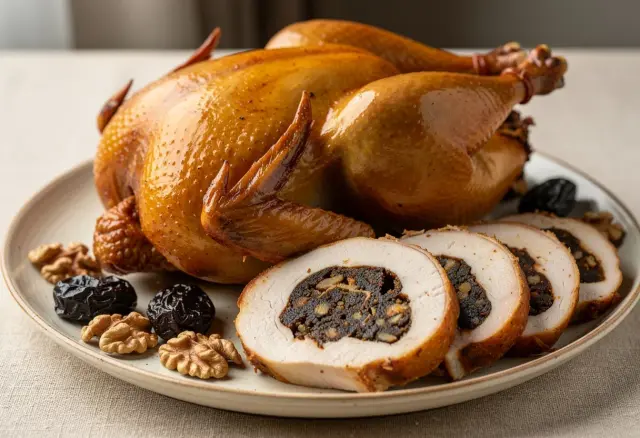
LavangiChicken stuffed with a tangy walnut, onion, and sour-plum paste and roasted, a specialty of Azerbaijan's Caspian south.
Browse all Azerbaijan recipes →
Good to know
You’ll need: Skillet or frying pan, Oven.
Storing it: Store in an airtight container. Most keep 2 to 3 days at room temperature, and longer refrigerated.
Make it an Azerbaijan meal
Azerbaijani ChayDrink
ŞəkərburaDessert
Similar dishes from around the world
Gata (Armenian Sweet Pastry with Khoriz)Armenia

Kifli me Djathë (Kosovar Cheese Crescent Rolls)Kosovo
Orelletes (Andorran Fried Sugar Pastries)Andorra
Topfengolatsche (Austrian Quark Pastry)Austria
Gougères (Burgundy Cheese Puffs)France
Calzones Rotos (Chilean Twisted Fried Pastries)Chile
Frequently asked questions
What is Şorqoğal (Azerbaijani Spiced Novruz Pastry)?
Round, many-layered buttery buns rolled from thin sheets of yeasted dough and filled with a savoury paste of toasted flour, butter, turmeric, fennel, cumin and black pepper, glazed yellow and baked golden.
Where does Şorqoğal (Azerbaijani Spiced Novruz Pastry) come from?
Şorqoğal (Azerbaijani Spiced Novruz Pastry) is an Azerbaijani dish from Baku, Azerbaijan.
Can Şorqoğal (Azerbaijani Spiced Novruz Pastry) be made vegan, gluten-free, or dairy-free?
This Şorqoğal (Azerbaijani Spiced Novruz Pastry) recipe includes substitution suggestions for vegetarian, vegan, gluten-free, dairy-free, nut-free, egg-free, and pork-free versions. Treat the substitutions as a starting guide rather than a guarantee, and see the allergen note below.
Is Şorqoğal (Azerbaijani Spiced Novruz Pastry) safe for people with food allergies?
Our dietary labels and substitutions are a cooking guide, not medical or allergen-safety advice. We track dairy, egg, gluten, tree nuts and peanuts (we still count coconut as a tree nut to be cautious, although the FDA stopped listing it as one in 2025), fish, and shellfish, but we do not screen for sesame, soy, mustard, celery, or sulphites. If you have a food allergy, always read the label on every product you use, and remember a home or commercial kitchen can cross-contaminate ingredients in ways a recipe cannot control.
How long does Şorqoğal (Azerbaijani Spiced Novruz Pastry) take to make?
About 2 h 30 min in all: 60 minutes prep and 30 minutes cooking, plus 1 h of hands-off waiting the method needs, serving 6.
Get the Sunday Spin
One dish from somewhere in the world, in your inbox every Sunday. No spam, just dinner inspiration you can cook that day.