
🥤 DRINK
Glühwein (German Mulled Wine)
Red wine gently heated with orange, lemon zest, cinnamon, cloves and star anise and a little sugar, never boiled, and served steaming in mugs as at every German Christmas market.
German · easy · serves 4
prep 10 min · cook 45 min
~236 cal · 1g protein · 23g carbs · 0g fat · 2g fiber · 15g sugars · 0g sat fat (estimated, per serving)
↓ Jump to Recipe

AI-generated illustration
Glühwein, literally "glow wine", is the smell of a German winter. From late November, the Christmas markets of Nuremberg, Munich, Cologne and hundreds of smaller towns fill with wooden stalls ladling it hot from big kettles into thick mugs, and people stand around in the cold with both hands wrapped around one.
It is plain red wine, warmed slowly with citrus, whole spices and sugar until it is fragrant and sweetly spiced. The German cook's one rule is that it must never boil: kept just below a , at around 70 to 80 C, it takes on the spices without cooking off its alcohol or turning bitter.
Every household tweaks the spices, adding , a piece of vanilla or a splash of rum, which the markets sell as Glühwein mit Schuss. It is easy to make at home in a pan, and a pot of it on the stove through Advent is as much a part of the season as the markets themselves.
Saved recipes and passport stamps are kept on this device. Sign in to keep them across your devices and leave reviews.
Make it yours
✓ Naturally vegetarian, vegan and gluten-, dairy-, egg-, nut- and pork-free. No swaps needed.
Toggle a diet and the ingredients rewrite themselves with regional substitutes.
🥕 Vegetarian
🌱 Vegan
🌾 Gluten-Free
🥛 Dairy-Free
🥜 Nut-Free
🥚 Egg-Free
🐖 Pork-Free
Dietary labels are a cooking guide, not allergen-safety advice. We track dairy, egg, gluten, tree nuts and peanuts (we count coconut as a tree nut, following FDA labeling), fish, and shellfish; we do not screen for sesame, soy, mustard, celery, or sulphites. If you have a food allergy, read the label on every product you use, and note that a kitchen can cross-contaminate in ways a recipe cannot control.
Ingredients
US
Metric
Serves 4
- 1 bottle (750 ml) dry, fruity red wine (Dornfelder, Spätburgunder or Merlot)
- 1 organic orange, sliced
- 3 strips of zest from an organic lemon
- 2 to 3 cinnamon sticks
- 6 whole cloves
- 2 star anise
- 3 green pods, lightly crushed (optional)
- 3 tbsp sugar, to taste
- 2 tbsp dark rum (optional, for Glühwein mit Schuss)
Instructions
- 1Put the wine, orange slices, lemon zest, cinnamon, cloves, star anise, cardamom if using, and sugar into a pan.
- 2Warm it slowly over low heat, stirring now and then until the sugar dissolves, until it is steaming but not bubbling.✎ Chef’s noteNever let Glühwein boil. Kept at about 70 to 80 C, just steaming, it keeps its alcohol; boiled, it turns flat and bitter.
- 3Cover the pan and keep it over the lowest heat, still well below a simmer, for 30 minutes to an hour so the spices infuse.
- 4Taste and add a little more sugar if you like it sweeter. Stir in the rum now if using.
- 5Strain out the spices and zest and ladle the hot wine into warmed heatproof mugs or glasses, each with a fresh slice of orange.
German Christmas market tradition.
Ratings & reviews
Cooked it? Rate this dish:
No account needed. Sign in to leave a full review with a comment.
Cooked it?
Kept on this device, no account needed. Sign in to leave a review and keep your passport across your devices.
No reviews yet, be the first to cook it.
🌏 While it simmers, know your destination
📍
Bavaria (Munich). Bavarian cooking leans hearty and generous, built on pork, dumplings, cabbage and bread, and on a strong dairy tradition of butter and soft cheeses. Sweet dishes like Kaiserschmarrn, the torn and caramelised pancake shared with Austria, blur the line between dessert and a whole meal.
🗺️
Germany. Sauerbraten is a category rather than a recipe, and the regional versions really do differ: the Rhineland one is thickened with crumbled Lebkuchen and sweetened with raisins and beet syrup, the Swabian with flour, the Franconian with soured cream. The Bavarian brewing rule of 1516 is likewise narrower than its reputation, being Bavarian, not the first of its kind, and named Reinheitsgebot only in the twentieth century.
🌍
Europe. European cooking is built on the land and the seasons, wheat, butter, and cured pork in the north; olive oil, tomatoes, and seafood around the Mediterranean; preserved vegetables and hearty stews through long winters. Centuries of peasant tradition, guild craft, and royal courts refined techniques from French mother sauces to Italian fresh pasta and Central European baking. Regional identity runs remarkably deep, with a single dish often changing from one valley to the next.
The story behind this dish is up top, worth a read while the pot works.
More from Germany
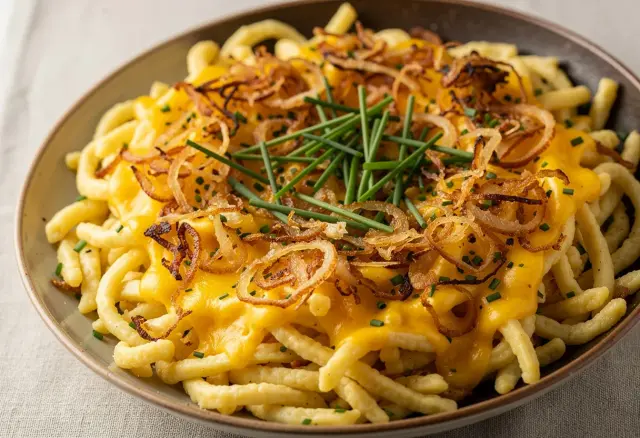
KäsespätzleFresh egg noodles scraped into boiling water, layered with alpine cheese and buried in crispy onions.
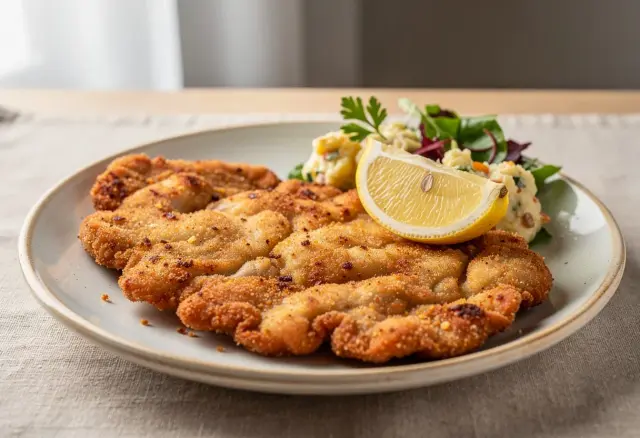
Schnitzel (Schweineschnitzel)The German pork schnitzel: a thin cutlet pounded flat, breaded in a loose golden crust, and fried until crisp, served with a wedge of lemon.
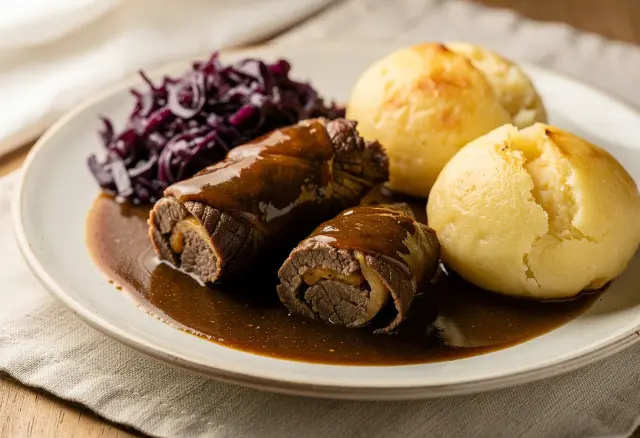
RinderrouladenThin beef rolled around mustard, bacon, onion, and pickle, braised into a deep gravy, Sunday dinner across Germany.
Browse all Germany recipes →
Good to know
Storing it: Keeps 2 to 3 days refrigerated. Resteam or warm through gently to serve.
Make it a Germany meal

Schweinshaxe (Roast Pork Knuckle)Dinner

Schwarzwälder KirschtorteDessert
Similar dishes from around the world

Hot ToddyUnited Kingdom

Warga (Bissau-Guinean Sweet Green Tea)Guinea-Bissau

Bosanska Kafa (Bosnian Coffee)Bosnia & Herzegovina

Chai Zafran (Kuwaiti Saffron and Cardamom Tea)Kuwait

Flat WhiteNew Zealand

Icyayi (Rwandan African Tea)Rwanda
Drinks
Frequently asked questions
What is Glühwein (German Mulled Wine)?
Red wine gently heated with orange, lemon zest, cinnamon, cloves and star anise and a little sugar, never boiled, and served steaming in mugs as at every German Christmas market.
Where does Glühwein (German Mulled Wine) come from?
Glühwein (German Mulled Wine) is a German dish from Bavaria (Munich), Germany.
Can Glühwein (German Mulled Wine) be made vegan, gluten-free, or dairy-free?
This Glühwein (German Mulled Wine) recipe includes substitution suggestions for vegetarian, vegan, gluten-free, dairy-free, nut-free, egg-free, and pork-free versions. Treat the substitutions as a starting guide rather than a guarantee, and see the allergen note below.
Is Glühwein (German Mulled Wine) safe for people with food allergies?
Our dietary labels and substitutions are a cooking guide, not medical or allergen-safety advice. We track dairy, egg, gluten, tree nuts and peanuts (we still count coconut as a tree nut to be cautious, although the FDA stopped listing it as one in 2025), fish, and shellfish, but we do not screen for sesame, soy, mustard, celery, or sulphites. If you have a food allergy, always read the label on every product you use, and remember a home or commercial kitchen can cross-contaminate ingredients in ways a recipe cannot control.
How long does Glühwein (German Mulled Wine) take to make?
About 55 minutes total (10 minutes prep, 45 minutes cooking), serving 4.
Get the Sunday Spin
One dish from somewhere in the world, in your inbox every Sunday. No spam, just dinner inspiration you can cook that day.