Europe → Bosnia & Herzegovina → Sarajevo

🥤 DRINK
Bosanska Kafa (Bosnian Coffee)
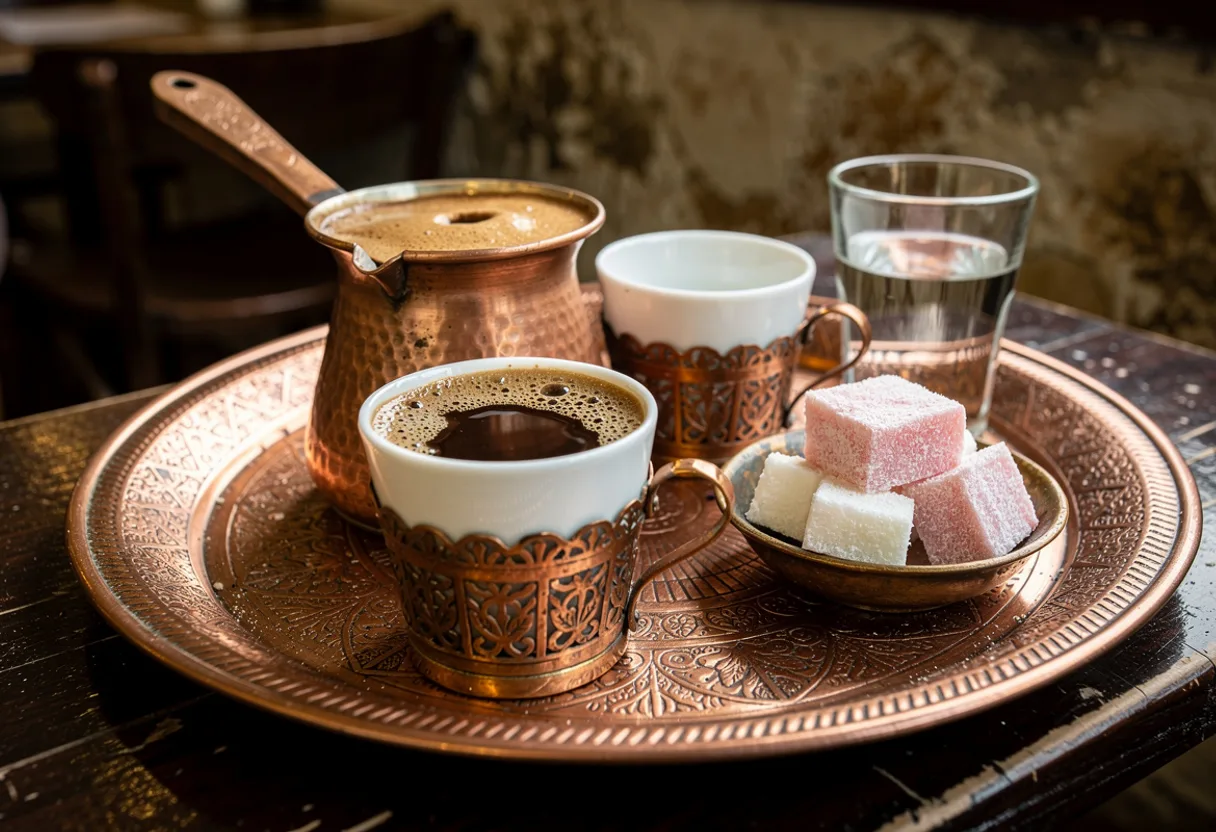
Flour-fine coffee stirred into water that has already boiled in a copper džezva, raised to a foam and served in a fildžan with a sugar cube, a glass of water and a piece of rahat lokum.
Bosnian · easy · serves 2
prep 2 min · cook 5 min
~16 cal · 0g protein · 4g carbs · 0g fat · 0g fiber · 4g sugars · 0g sat fat (estimated, per serving)
↓ Jump to Recipe
AI-generated illustration
Coffee reached Sarajevo under the Ottomans and settled in early: it was being drunk in the city's hans by the sixteenth century, and a guild of roasters and grinders grew up around it. Bosnians still drink it the old way, unfiltered, from a small long-handled copper pot called a džezva, and they are quick to tell you it is not the same thing as Turkish coffee.
The difference is in the order. For Turkish coffee the grounds, water and sugar go into the pot cold and heat up together. For Bosnian coffee the water is boiled first, a little of it is poured off and kept aside, and only then does the coffee go in, before the pot goes back on the heat and the reserved water is returned. It gives a softer brew with a thick layer of foam, and a cup without that foam is treated as a poor welcome.
Sugar is not boiled in. The coffee comes to the table on a round tray with the džezva, a small handleless cup called a fildžan, sugar cubes, a glass of water and a piece of rahat lokum. Many people dip a sugar cube into the coffee, bite off the sweet corner and follow it with a sip. The point is never speed. Sitting over a džezva for an hour with family, neighbours or friends is its own word in Bosnia, and a large part of daily life.
Saved recipes and passport stamps are kept on this device. Sign in to keep them across your devices and leave reviews.
Make it yours
✓ Naturally vegetarian, vegan and gluten-, dairy-, egg-, nut- and pork-free. No swaps needed.
Toggle a diet and the ingredients rewrite themselves with regional substitutes.
🥕 Vegetarian
🌱 Vegan
🌾 Gluten-Free
🥛 Dairy-Free
🥜 Nut-Free
🥚 Egg-Free
🐖 Pork-Free
Dietary labels are a cooking guide, not allergen-safety advice. We track dairy, egg, gluten, tree nuts and peanuts (we count coconut as a tree nut, following FDA labeling), fish, and shellfish; we do not screen for sesame, soy, mustard, celery, or sulphites. If you have a food allergy, read the label on every product you use, and note that a kitchen can cross-contaminate in ways a recipe cannot control.
Ingredients
US
Metric
Serves 2
- 150 ml cold water, about 2 fildžan cups; measure it with the cups you will serve in
- 2 heaping tsp very finely ground coffee (Bosnian or Turkish grind), one heaping teaspoon per cupHard to find? espresso beans ground to a flour-fine powder - the grind matters more than the bean; anything coarser than powder will not form the foam or settle properly
- 2 tsp (about 4 cubes) sugar cubes, served on the side, never boiled in
Instructions
- 1Pour the water into the džezva (or a very small saucepan) and bring it to a full boil.
- 2Pour a small splash of the boiling water, about a tablespoon, into a cup and set it aside. Take the pot off the heat.✎ Chef’s noteThis reserved water is what makes it Bosnian rather than Turkish coffee: the water boils on its own first, and a little goes back in at the end.
- 3Add the coffee to the hot water in the pot and stir it in well so no dry grounds float on top.
- 4Set the pot back over low heat for a few seconds, just until the coffee swells and a foam starts to climb towards the rim, then lift it off before it boils over.✎ Chef’s noteBecause the water is already at the boil this takes seconds, not minutes. Stay with the pot.
- 5Pour the reserved water back in, return the pot to the heat for a moment until the foam rises once more, then take it off and let it settle for a minute.
- 6Serve the džezva on a tray with the cups, sugar cubes, a glass of water and rahat lokum. Spoon a little foam into each fildžan first, then pour the coffee slowly over it.✎ Chef’s noteGuests pour their own and take it slowly. A traditional way to sweeten it is to dip a sugar cube into the cup, bite the soaked corner and then sip. Leave the thick grounds at the bottom of the cup.
Sarajevo coffee-house tradition.
Ratings & reviews
Cooked it? Rate this dish:
No account needed. Sign in to leave a full review with a comment.
Cooked it?
Kept on this device, no account needed. Sign in to leave a review and keep your passport across your devices.
No reviews yet, be the first to cook it.
🌏 While it simmers, know your destination
📍
Sarajevo. Sarajevo's old bazaar smells of grilling cevapi, small beef sausages served in soft somun bread with raw onion and kajmak cream. Ottoman rule left burek pastries, stuffed vegetables, and thick unfiltered coffee poured from a copper dzezva.
🗺️
Bosnia & Herzegovina. Bosnian cooking is Ottoman-rooted and hearty, ćevapi grilled sausages, slow-cooked meat-and-vegetable pot dishes, and flaky burek pastries. Grilled meat, bread, and strong coffee define a warm, unhurried table.
🌍
Europe. Europe has written a great deal of its food into law. A regulation of 1992 created the protected designation of origin and the protected geographical indication, tying a name to a place and a method, and an EU evaluation published in 2021 counted more than three thousand registered names across those schemes, from cheeses and hams down to particular shapes of bread.
The story behind this dish is up top, worth a read while the pot works.
More from Bosnia & Herzegovina
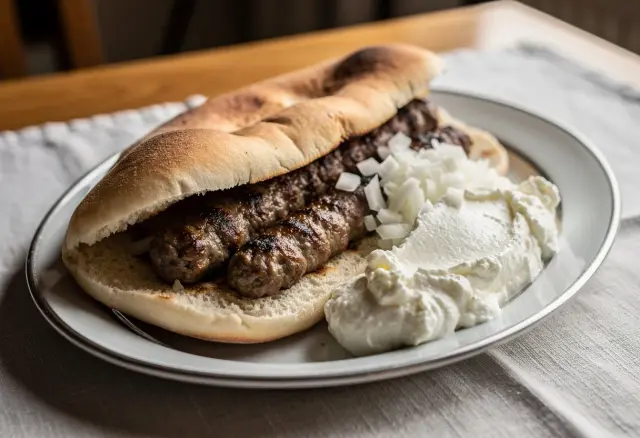
ĆevapiHand-rolled grilled beef fingers tucked into pillowy somun with raw onion and kajmak, Sarajevo’s pride.

Uštipci with KajmakLittle fried dough balls served warm with kajmak clotted cream and soft cheese.
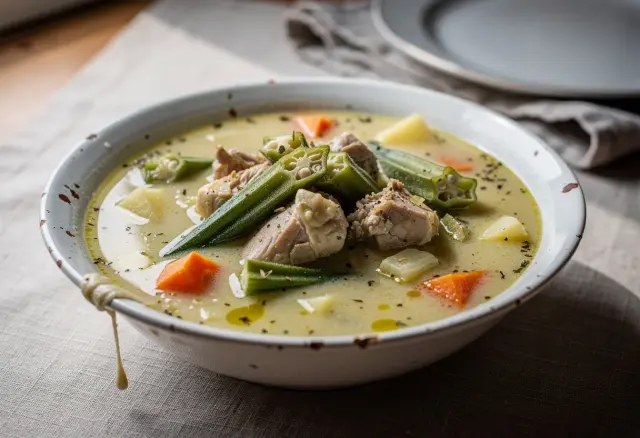
Begova ČorbaA rich, velvety chicken and okra soup finished with a sour cream and egg yolk liaison, the noble Bey's soup of Bosnian cuisine.
Browse all Bosnia & Herzegovina recipes →
Good to know
You’ll need: Pot or saucepan.
Storing it: Keeps 2 to 3 days refrigerated. Resteam or warm through gently to serve.
Make it a Bosnia & Herzegovina meal
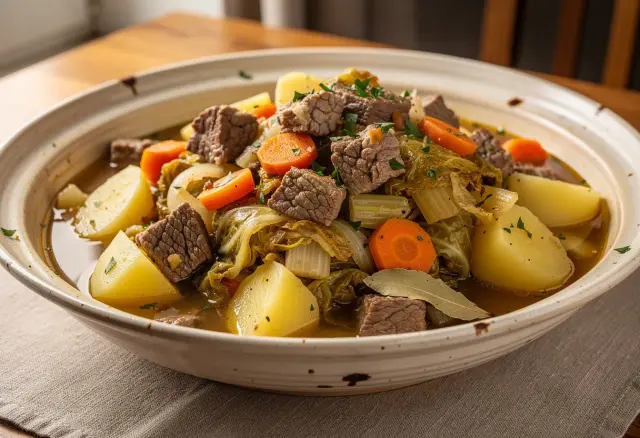
Bosanski LonacDinner
TufahijeDessert
Similar dishes from around the world
Warga (Bissau-Guinean Sweet Green Tea)Guinea-Bissau
Flat WhiteNew Zealand
Glühwein (German Mulled Wine)Germany
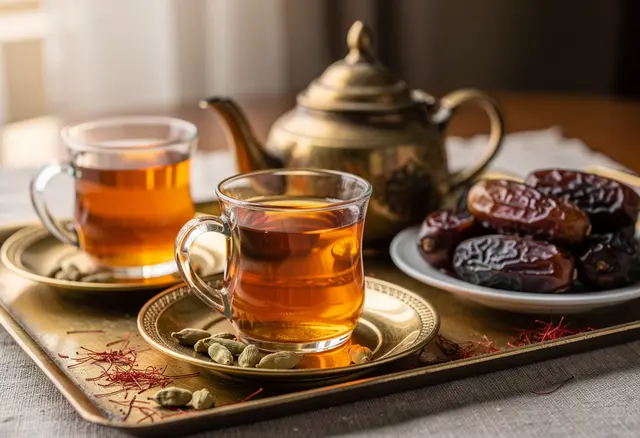
Chai Zafran (Kuwaiti Saffron and Cardamom Tea)Kuwait
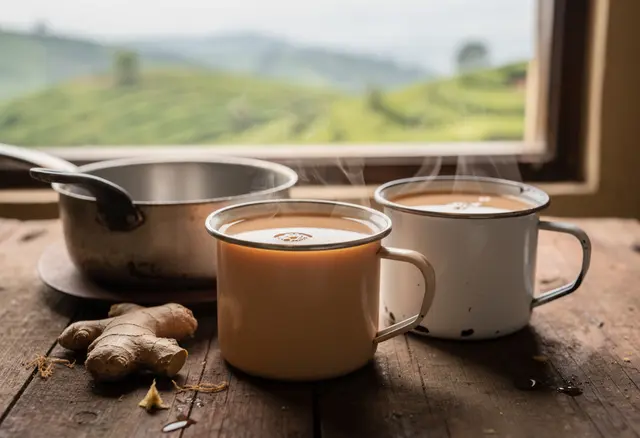
Icyayi (Rwandan African Tea)Rwanda

Hot ToddyUnited Kingdom
Drinks
Frequently asked questions
What is Bosanska Kafa (Bosnian Coffee)?
Flour-fine coffee stirred into water that has already boiled in a copper džezva, raised to a foam and served in a fildžan with a sugar cube, a glass of water and a piece of rahat lokum.
Where does Bosanska Kafa (Bosnian Coffee) come from?
Bosanska Kafa (Bosnian Coffee) is a Bosnian dish from Sarajevo, Bosnia & Herzegovina.
Can Bosanska Kafa (Bosnian Coffee) be made vegan, gluten-free, or dairy-free?
This Bosanska Kafa (Bosnian Coffee) recipe includes substitution suggestions for vegetarian, vegan, gluten-free, dairy-free, nut-free, egg-free, and pork-free versions. Treat the substitutions as a starting guide rather than a guarantee, and see the allergen note below.
Is Bosanska Kafa (Bosnian Coffee) safe for people with food allergies?
Our dietary labels and substitutions are a cooking guide, not medical or allergen-safety advice. We track dairy, egg, gluten, tree nuts and peanuts (we still count coconut as a tree nut to be cautious, although the FDA stopped listing it as one in 2025), fish, and shellfish, but we do not screen for sesame, soy, mustard, celery, or sulphites. If you have a food allergy, always read the label on every product you use, and remember a home or commercial kitchen can cross-contaminate ingredients in ways a recipe cannot control.
How long does Bosanska Kafa (Bosnian Coffee) take to make?
About 7 minutes total (2 minutes prep, 5 minutes cooking), serving 2.
Get the Sunday Spin
One dish from somewhere in the world, in your inbox every Sunday. No spam, just dinner inspiration you can cook that day.