Asia → Afghanistan → Kabul

🥔 SIDE
Chatni Gashneez (Afghan Coriander and Walnut Chutney)
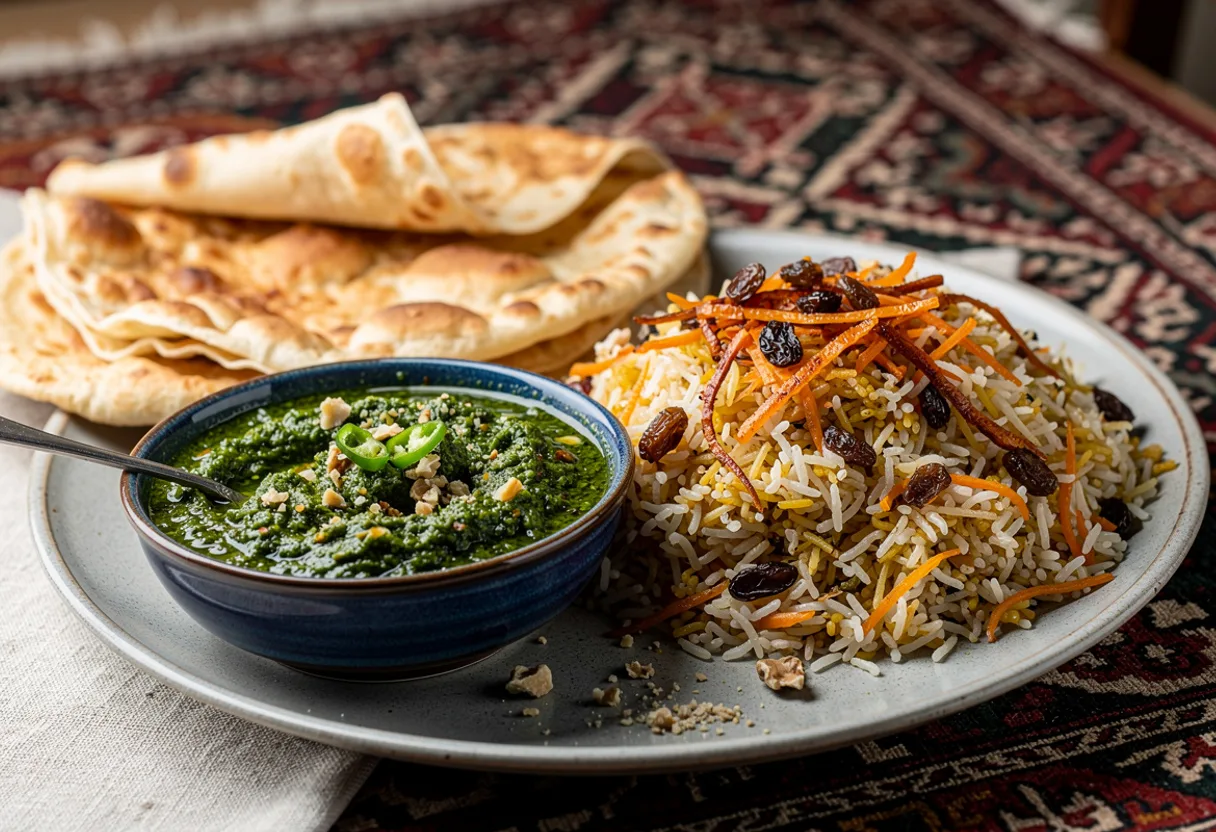
A fresh green chutney of coriander, green chilli, garlic and walnuts, pounded or blended coarse and sharpened with lemon juice or vinegar, spooned beside rice, kebabs and bolani at almost every Afghan meal.
Afghan · easy · serves 6
prep 15 min · cook 0 min
~72 cal · 2g protein · 3g carbs · 6g fat · 1g fiber · 1g sugars · 1g sat fat (estimated, per serving)
↓ Jump to Recipe
AI-generated illustration
Chatni gashneez, coriander chutney, is on the table at nearly every Afghan meal. It is spooned onto plates of pulao, over kebabs, and beside bolani and mantu, and its fresh, hot, sour taste cuts through rich rice and meat.
It is made from a big bunch of fresh coriander with green chillies, garlic and, in the Afghan way, walnuts, all ground coarse with lemon juice or vinegar and salt, and sometimes a pinch of sugar. Traditionally it was pounded in a mortar; today most families use a blender, but they stop while it still has texture, with little bits of walnut and leaf running through it rather than a smooth sauce.
Some cooks stir in yogurt to make a creamier dip for bolani. The plain green version keeps for a few days in the fridge.
Saved recipes and passport stamps are kept on this device. Sign in to keep them across your devices and leave reviews.
Make it yours
✓ Naturally vegetarian, vegan and gluten-, dairy-, egg- and pork-free. No swaps needed.
Toggle a diet and the ingredients rewrite themselves with regional substitutes.
🥕 Vegetarian
🌱 Vegan
🌾 Gluten-Free
🥛 Dairy-Free
🥜 Nut-Free
🥚 Egg-Free
🐖 Pork-Free
Dietary labels are a cooking guide, not allergen-safety advice. We track dairy, egg, gluten, tree nuts and peanuts (we count coconut as a tree nut, following FDA labeling), fish, and shellfish; we do not screen for sesame, soy, mustard, celery, or sulphites. If you have a food allergy, read the label on every product you use, and note that a kitchen can cross-contaminate in ways a recipe cannot control.
Ingredients
US
Metric
Serves 6
- 1 large bunch (about 80 g) fresh coriander (cilantro), leaves and tender stems
- 2 green chillies, roughly chopped
- 3 garlic cloves
- 1/2 cup walnuts
- 3 tbsp lemon juice or white vinegar
- 3/4 tsp salt
- 1 tsp sugar (optional)
- 1 to 2 tbsp cold water
Instructions
- 1Wash the coriander well and shake it dry, then chop it roughly, stems and all.
- 2Put the chillies, garlic and walnuts in a mortar or small food processor and pound or pulse to a coarse paste.
- 3Add the coriander, lemon juice, salt and sugar, if using, and pound or pulse again, adding a spoonful of water only if needed, until you have a thick, textured chutney.✎ Chef’s noteStop while you can still see bits of walnut and leaf. Afghan chatni should have texture, not be a smooth sauce.
- 4Taste and adjust the salt, sourness and heat. Serve alongside pulao, kebabs or bolani. It keeps, covered, for 2 to 3 days in the fridge.
Afghan home tradition.
Ratings & reviews
Cooked it? Rate this dish:
No account needed. Sign in to leave a full review with a comment.
Cooked it?
Kept on this device, no account needed. Sign in to leave a review and keep your passport across your devices.
No reviews yet, be the first to cook it.
🌏 While it simmers, know your destination
📍
Kabul. Kabul cooks the food of the Silk Road crossroads: long-grain rice pilafs layered with carrot and raisin, dumplings under garlicky yogurt, and eggplant fried soft and dressed with mint. Yogurt, dried mint, and coriander appear on almost everything.
🗺️
Afghanistan. Afghan cuisine is the hospitable crossroads of Central and South Asia, famous for Kabuli pulao, rice crowned with lamb, carrots, and raisins. Dumplings (mantu), kebabs, and flatbread reflect Silk Road trade and generous, shared feasts.
🌍
Asia. Fermentation is the thread that runs the whole way across: soy sauce and miso, Korean doenjang and kimchi, Southeast Asian fish sauces, the soured batter behind an idli. Chilli is the newcomer among them, arriving only after 1500 with Portuguese and Spanish traders, which makes the heat in Sichuan, Thai and Korean cooking far younger than the fermenting underneath it.
The story behind this dish is up top, worth a read while the pot works.
More from Afghanistan
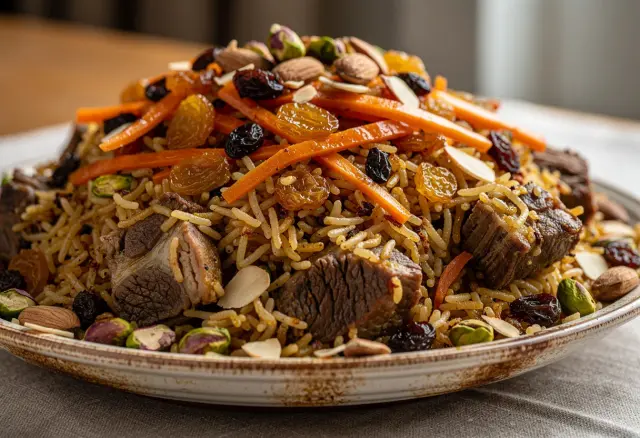
Kabuli PulaoAfghanistan's national dish: steamed rice piled over lamb and crowned with candied carrots and raisins.

KhaginaAfghan eggs cooked into a soft, spiced tomato base, a quick, warming Kabul breakfast.
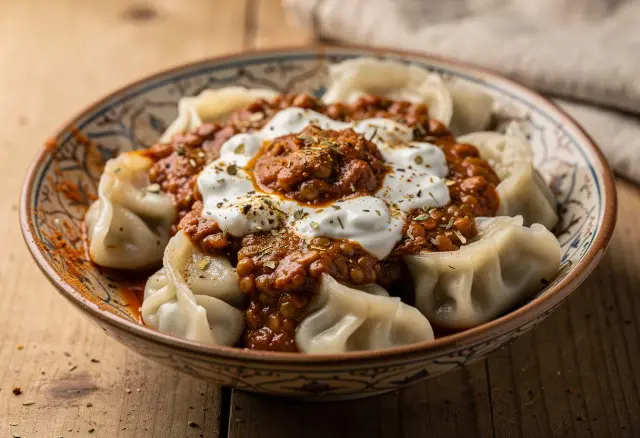
MantuSteamed dumplings of spiced beef and onion topped with garlicky yogurt and a lentil-tomato sauce, an Afghan favorite.
Browse all Afghanistan recipes →
Good to know
You’ll need: Food processor, Mortar and pestle.
Storing it: Stews and braises keep 3 to 4 days refrigerated and often taste better the next day. Reheat gently, adding a splash of water if it has thickened.
Make it an Afghanistan meal

Qymaq ChaiDrink
FirniDessert
Similar dishes from around the world
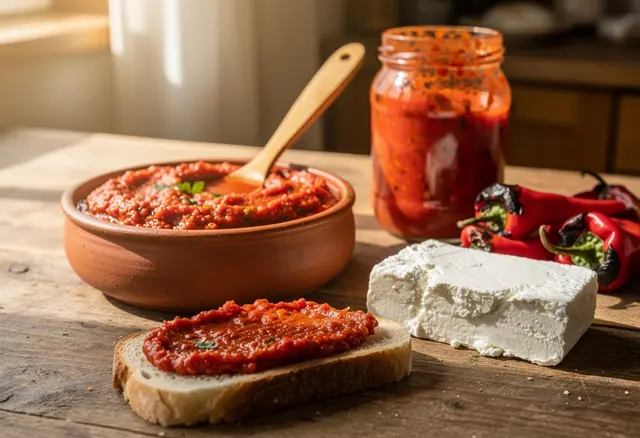
Lyutenitsa (Bulgarian Roasted Pepper and Tomato Relish)Bulgaria
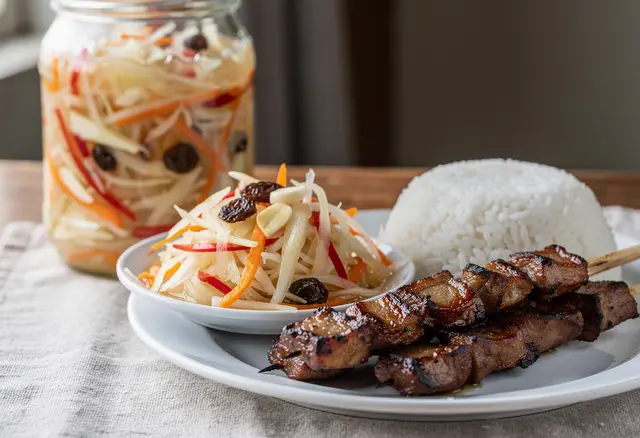
Atchara (Filipino Pickled Green Papaya)Philippines
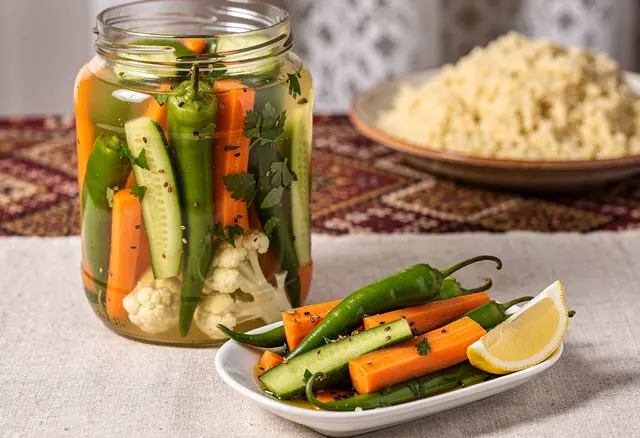
Mseyer (Libyan Quick Pickled Vegetables)Libya

Ajvar (Macedonian Roasted Red Pepper Relish)North Macedonia

Therere (Malawian Okra Relish)Malawi
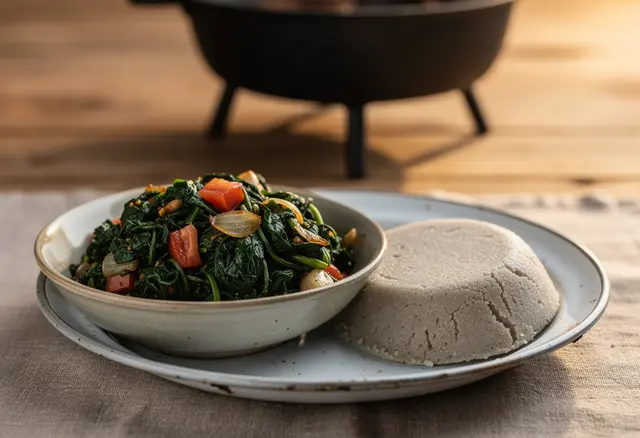
Ombidi (Namibian Wild Spinach)Namibia
Cuisine
Diet
Frequently asked questions
What is Chatni Gashneez (Afghan Coriander and Walnut Chutney)?
A fresh green chutney of coriander, green chilli, garlic and walnuts, pounded or blended coarse and sharpened with lemon juice or vinegar, spooned beside rice, kebabs and bolani at almost every Afghan meal.
Where does Chatni Gashneez (Afghan Coriander and Walnut Chutney) come from?
Chatni Gashneez (Afghan Coriander and Walnut Chutney) is an Afghan dish from Kabul, Afghanistan.
Can Chatni Gashneez (Afghan Coriander and Walnut Chutney) be made vegan, gluten-free, or dairy-free?
This Chatni Gashneez (Afghan Coriander and Walnut Chutney) recipe includes substitution suggestions for vegetarian, vegan, gluten-free, dairy-free, nut-free, egg-free, and pork-free versions. Treat the substitutions as a starting guide rather than a guarantee, and see the allergen note below.
Is Chatni Gashneez (Afghan Coriander and Walnut Chutney) safe for people with food allergies?
Our dietary labels and substitutions are a cooking guide, not medical or allergen-safety advice. We track dairy, egg, gluten, tree nuts and peanuts (we still count coconut as a tree nut to be cautious, although the FDA stopped listing it as one in 2025), fish, and shellfish, but we do not screen for sesame, soy, mustard, celery, or sulphites. If you have a food allergy, always read the label on every product you use, and remember a home or commercial kitchen can cross-contaminate ingredients in ways a recipe cannot control.
How long does Chatni Gashneez (Afghan Coriander and Walnut Chutney) take to make?
About 15 minutes total (15 minutes prep, 0 minutes cooking), serving 6.
Get the Sunday Spin
One dish from somewhere in the world, in your inbox every Sunday. No spam, just dinner inspiration you can cook that day.