Asia → Philippines → Central Luzon

🥔 SIDE
Atchara (Filipino Pickled Green Papaya)
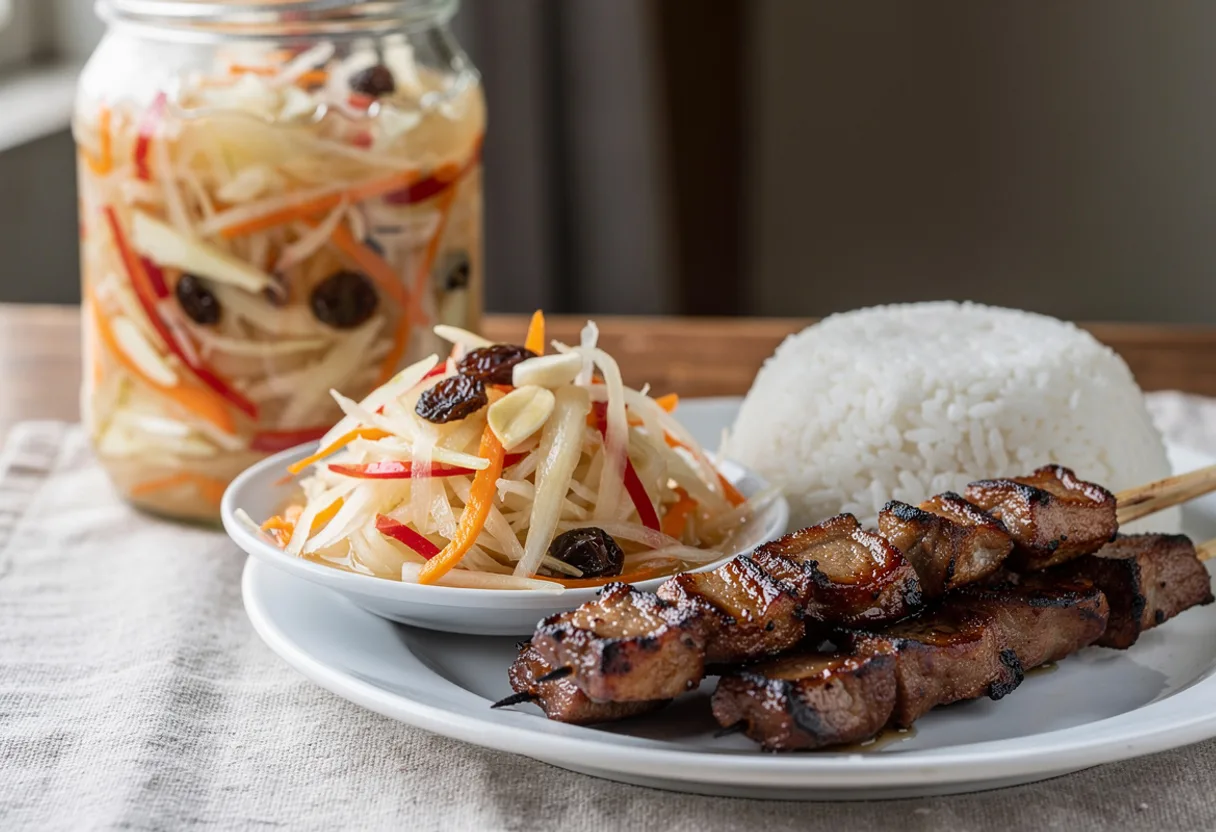
Shredded unripe papaya salted and squeezed dry, then packed with carrot, red pepper, ginger, garlic, onion and raisins in a sweet, sharp cane vinegar brine, the crunchy relish for grilled and fried meats.
Filipino · easy · serves 16
prep 30 min · cook 5 min · plus 2 days hands-off time
~107 cal · 1g protein · 26g carbs · 0g fat · 2g fiber · 21g sugars · 0g sat fat (estimated, per serving)
↓ Jump to Recipe
AI-generated illustration
Atchara is the Philippines' favourite pickle, made from grated or green, unripe papaya. Its name travelled a long way: it comes from the Indian achar, by way of the Malay and Indonesian acar, and the idea of a sweet-sour vegetable pickle is shared across South and Southeast Asia.
The papaya is salted to draw out its water, then rinsed and wrung dry in a cloth so it stays crunchy. It is mixed with thin strips of carrot and bell pepper, ginger, sliced garlic and onion, often a handful of raisins and sometimes whole peppercorns, and covered with a hot brine of cane vinegar, sugar and salt. After a day or two in the jar it is ready, and it keeps for months.
Atchara is a side, never the main event. A spoonful goes beside anything grilled or fried: pork barbecue skewers, inihaw na liempo, lechon, fried fish, , and the fried meats of a silog breakfast. Its sweetness and sharpness cut straight through the fat.
Saved recipes and passport stamps are kept on this device. Sign in to keep them across your devices and leave reviews.
Make it yours
✓ Naturally vegetarian, vegan and gluten-, dairy-, nut-, egg- and pork-free. No swaps needed.
Toggle a diet and the ingredients rewrite themselves with regional substitutes.
🥕 Vegetarian
🌱 Vegan
🌾 Gluten-Free
🥛 Dairy-Free
🥜 Nut-Free
🥚 Egg-Free
🐖 Pork-Free
Dietary labels are a cooking guide, not allergen-safety advice. We track dairy, egg, gluten, tree nuts and peanuts (we count coconut as a tree nut, following FDA labeling), fish, and shellfish; we do not screen for sesame, soy, mustard, celery, or sulphites. If you have a food allergy, read the label on every product you use, and note that a kitchen can cross-contaminate in ways a recipe cannot control.
Ingredients
US
Metric
Serves 16
- 1 kg green (unripe) papaya, peeled, seeded and coarsely grated or
- 3 tbsp coarse salt (for drawing out water)
- 1 large carrot,
- 1 red bell pepper, cut into thin strips
- 5 cm piece fresh ginger,
- 8 garlic cloves, thinly sliced
- 1 medium onion, thinly sliced
- 1/3 cup raisins
- 1 tsp whole black peppercorns
- 2 cups (480 ml) cane vinegar (sukang iloko) or white vinegar
- 1 cup (200 g) white sugar
- 1 1/2 tsp salt (for the brine)
Instructions
- 1Toss the papaya with the coarse salt in a large bowl and leave for 30 minutes, until it has softened and given up a lot of liquid.
- 2Rinse the papaya well under cold water, then wring it out hard in a cheesecloth or clean tea towel, a handful at a time, until no more water drips.✎ Chef’s noteThis is what keeps atchara crunchy. Papaya left wet makes a soft pickle and a diluted brine.
- 3Mix the papaya with the carrot, pepper, ginger, garlic, onion, raisins and peppercorns and pack it into clean, sterilised jars.
- 4Bring the vinegar to a boil in a saucepan without stirring, add the sugar and salt and simmer for 2 to 3 minutes, stirring until dissolved.
- 5Pour the hot brine over the vegetables to cover, press them down with a spoon, seal and let cool to room temperature. Refrigerate for at least 2 days before serving.✎ Chef’s noteIt keeps for a couple of months in the fridge, and the flavour improves over the first week.
- 6Serve chilled, a spoonful at a time, beside grilled pork, fried fish or any rich, fried meal.
Filipino home tradition.
Ratings & reviews
Cooked it? Rate this dish:
No account needed. Sign in to leave a full review with a comment.
Cooked it?
Kept on this device, no account needed. Sign in to leave a review and keep your passport across your devices.
No reviews yet, be the first to cook it.
🌏 While it simmers, know your destination
📍
Central Luzon. Central Luzon is the Philippines' rice bowl, cooking sisig, longganisa sausage, and the sweet-savory dishes of Pampanga, the country's 'culinary capital.' Fertile plains feed a rich Filipino table.
🗺️
Philippines. Filipino food chases a signature sour-salty-sweet balance, from vinegar-braised adobo to sinigang's tamarind broth and lechon roast pork. A Malay base layered with Spanish, Chinese, and American influence makes it one of Asia's most distinctive tables.
🌍
Asia. Fermentation is the thread that runs the whole way across: soy sauce and miso, Korean doenjang and kimchi, Southeast Asian fish sauces, the soured batter behind an idli. Chilli is the newcomer among them, arriving only after 1500 with Portuguese and Spanish traders, which makes the heat in Sichuan, Thai and Korean cooking far younger than the fermenting underneath it.
The story behind this dish is up top, worth a read while the pot works.
More from Philippines
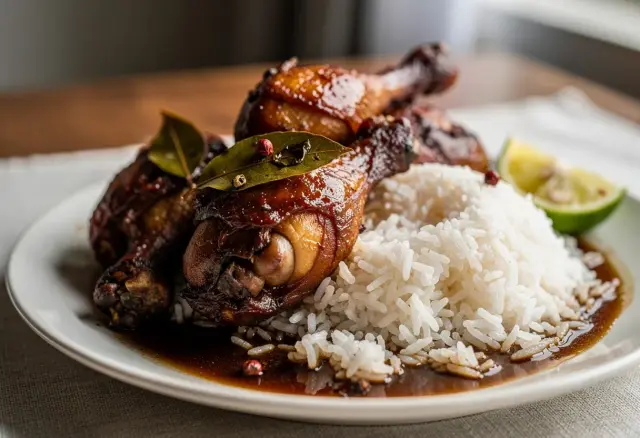
Chicken AdoboChicken braised glossy in vinegar, soy, garlic, and black pepper, the Philippines’ definitive dish.

ChamporadoA sweet Filipino chocolate rice porridge, traditionally eaten with salty dried fish on the side.

Sinigang na BaboyThe Philippines’ beloved sour soup: pork simmered tender in a clear tamarind broth, unapologetically tart, loaded with vegetables added in stages.
Browse all Philippines recipes →
Good to know
You’ll need: Pot or saucepan.
Storing it: Stews and braises keep 3 to 4 days refrigerated and often taste better the next day. Reheat gently, adding a splash of water if it has thickened.
Make it a Philippines meal
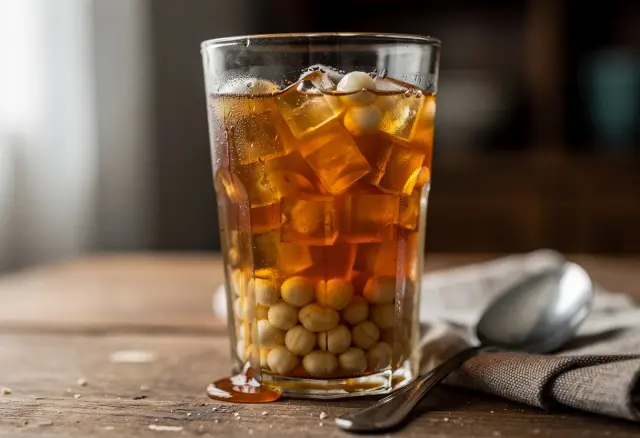
Sago't GulamanDrink

Leche FlanDessert
Similar dishes from around the world
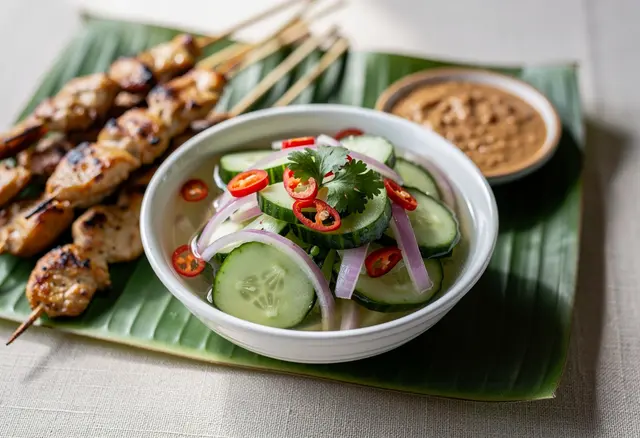
Ajad (Thai Cucumber Relish)Thailand
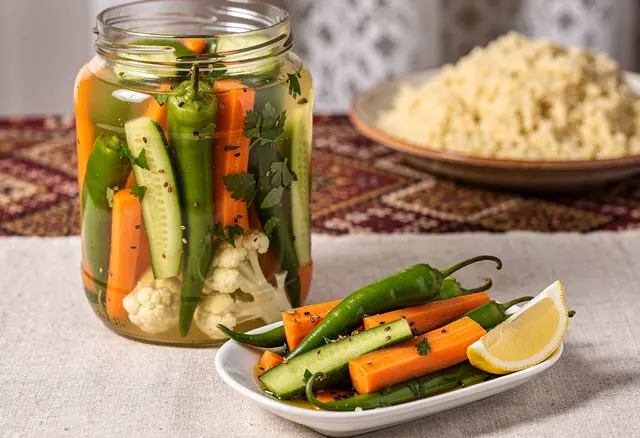
Mseyer (Libyan Quick Pickled Vegetables)Libya
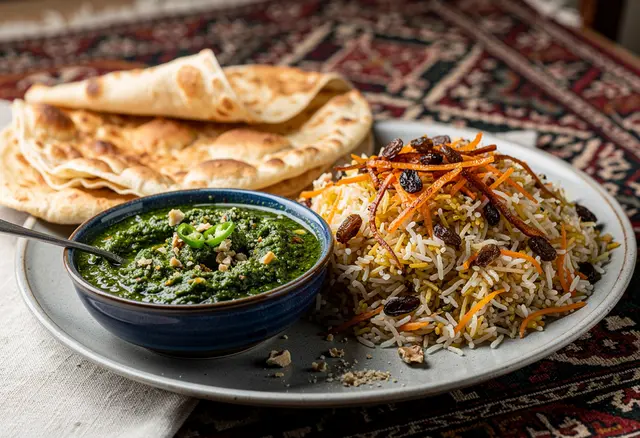
Chatni Gashneez (Afghan Coriander and Walnut Chutney)Afghanistan
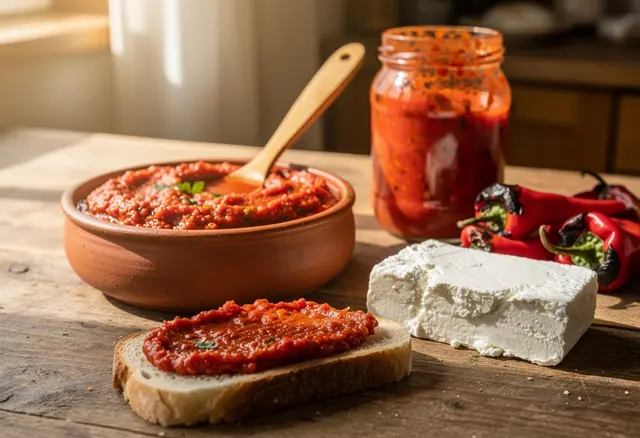
Lyutenitsa (Bulgarian Roasted Pepper and Tomato Relish)Bulgaria

Ajvar (Macedonian Roasted Red Pepper Relish)North Macedonia

Therere (Malawian Okra Relish)Malawi
Cuisine
Diet
Frequently asked questions
What is Atchara (Filipino Pickled Green Papaya)?
Shredded unripe papaya salted and squeezed dry, then packed with carrot, red pepper, ginger, garlic, onion and raisins in a sweet, sharp cane vinegar brine, the crunchy relish for grilled and fried meats.
Where does Atchara (Filipino Pickled Green Papaya) come from?
Atchara (Filipino Pickled Green Papaya) is a Filipino dish from Central Luzon, Philippines.
Can Atchara (Filipino Pickled Green Papaya) be made vegan, gluten-free, or dairy-free?
This Atchara (Filipino Pickled Green Papaya) recipe includes substitution suggestions for vegetarian, vegan, gluten-free, dairy-free, nut-free, egg-free, and pork-free versions. Treat the substitutions as a starting guide rather than a guarantee, and see the allergen note below.
Is Atchara (Filipino Pickled Green Papaya) safe for people with food allergies?
Our dietary labels and substitutions are a cooking guide, not medical or allergen-safety advice. We track dairy, egg, gluten, tree nuts and peanuts (we still count coconut as a tree nut to be cautious, although the FDA stopped listing it as one in 2025), fish, and shellfish, but we do not screen for sesame, soy, mustard, celery, or sulphites. If you have a food allergy, always read the label on every product you use, and remember a home or commercial kitchen can cross-contaminate ingredients in ways a recipe cannot control.
How long does Atchara (Filipino Pickled Green Papaya) take to make?
About 2 days in all: 30 minutes prep and 5 minutes cooking, plus 2 days of hands-off waiting the method needs, serving 16.
Get the Sunday Spin
One dish from somewhere in the world, in your inbox every Sunday. No spam, just dinner inspiration you can cook that day.