Asia → Turkmenistan → Ashgabat

🥤 DRINK
Gök Çay (Turkmen Green Tea)
Green tea brewed in a small porcelain pot for each drinker, poured into the bowl and back three times, rested a moment, then drunk hot with raisins and honey.
Turkmen · easy · serves 1
prep 3 min · cook 8 min
~154 cal · 1g protein · 41g carbs · 0g fat · 1g fiber · 35g sugars · 0g sat fat (estimated, per serving)
↓ Jump to Recipe
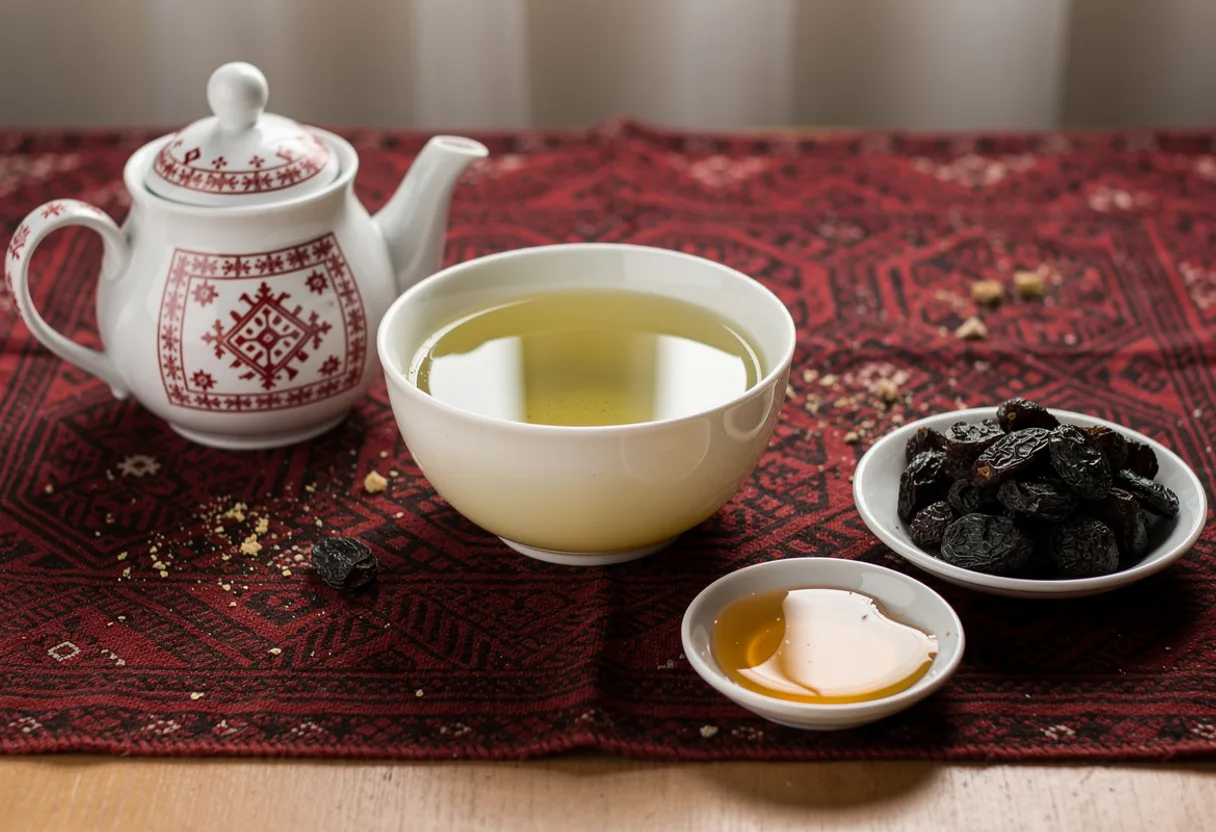
AI-generated illustration
Gök çay, green tea, is what Turkmens drink all year round, and in great quantity; black tea, gara çay, belongs mainly to autumn and winter and to the west of the country, where it is brewed with camel's milk. An old ethnographer's note has Turkmens drinking seven to ten bowls of green tea in the morning, again in the afternoon, and again in the evening.
Tea is served to each drinker in their own small porcelain teapot with a bowl, the piala, or the larger kase. Before anyone drinks, the freshly brewed tea is poured into the bowl and emptied back into the pot, always three times, and then the pot is set down for a moment with the words "demini alsyn", let it breathe.
For honoured guests it comes in porcelain, with raisins, honey and peanuts on the side. Hospitality is measured by it: the worst thing to say of a host is that they would not pour you even one small bowl.
Saved recipes and passport stamps are kept on this device. Sign in to keep them across your devices and leave reviews.
Make it yours
✓ Naturally vegetarian and gluten-, dairy-, nut-, egg- and pork-free. No swaps needed.
Toggle a diet and the ingredients rewrite themselves with regional substitutes.
🥕 Vegetarian
🌱 Vegan
🌾 Gluten-Free
🥛 Dairy-Free
🥜 Nut-Free
🥚 Egg-Free
🐖 Pork-Free
Dietary labels are a cooking guide, not allergen-safety advice. We track dairy, egg, gluten, tree nuts and peanuts (we count coconut as a tree nut, following FDA labeling), fish, and shellfish; we do not screen for sesame, soy, mustard, celery, or sulphites. If you have a food allergy, read the label on every product you use, and note that a kitchen can cross-contaminate in ways a recipe cannot control.
Ingredients
US
Metric
Serves 1
- 1 to 2 tsp loose green tea
- 500 ml water, freshly boiled
- 2 tbsp raisins, to serve
- 1 tbsp honey, to serve
Instructions
- 1Bring the water to a full boil. Rinse a small porcelain teapot with a splash of it to warm the pot, and tip it out.
- 2Put the tea in the pot, fill it with the boiling water, put the lid on and leave it for 3 to 4 minutes.
- 3Pour the tea into the bowl and empty it back into the pot. Do this three times.✎ Chef’s noteTurkmens never skip this. Returning the tea evens out the strong tea at the bottom of the pot with the weak tea at the top.
- 4Set the pot down for a minute to let it breathe, "demini alsyn", then pour a bowl and drink it hot, with raisins and honey alongside. Top the pot up with boiling water as it empties.✎ Chef’s noteEach drinker traditionally has their own pot. For several people, simply give everyone a small pot and bowl of their own.
Turkmen hospitality tradition.
Ratings & reviews
Cooked it? Rate this dish:
No account needed. Sign in to leave a full review with a comment.
Cooked it?
Kept on this device, no account needed. Sign in to leave a review and keep your passport across your devices.
No reviews yet, be the first to cook it.
🌏 While it simmers, know your destination
📍
Ashgabat. Ashgabat is a marble desert capital living on bread, broth, and mutton, nowhere more so than in dograma, the holiday dish of torn flatbread mixed with meat and onion and moistened with stock. Turkmen cooking favours plov, meat pastries, and camel and sheep dairy.
🗺️
Turkmenistan. Turkmen cooking is nomadic and Central Asian, built on plov, dograma (a bread-and-meat dish), and grilled lamb. Melons, flatbread, and fermented camel's milk reflect a desert-and-oasis heritage.
🌍
Asia. Fermentation is the thread that runs the whole way across: soy sauce and miso, Korean doenjang and kimchi, Southeast Asian fish sauces, the soured batter behind an idli. Chilli is the newcomer among them, arriving only after 1500 with Portuguese and Spanish traders, which makes the heat in Sichuan, Thai and Korean cooking far younger than the fermenting underneath it.
The story behind this dish is up top, worth a read while the pot works.
More from Turkmenistan
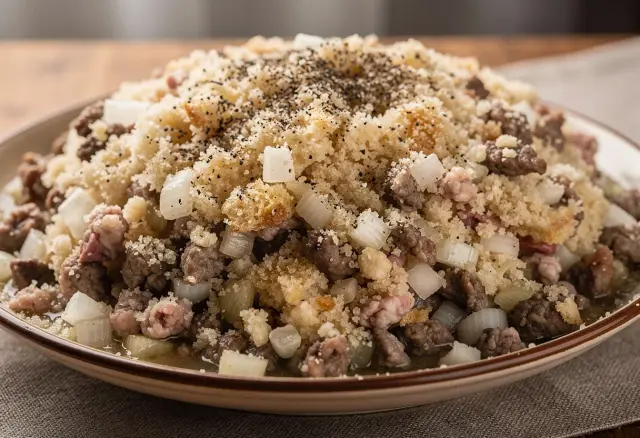
DogramaHand-crumbled flatbread and boiled meat with onion, moistened with rich broth, Turkmenistan's dish of celebration.
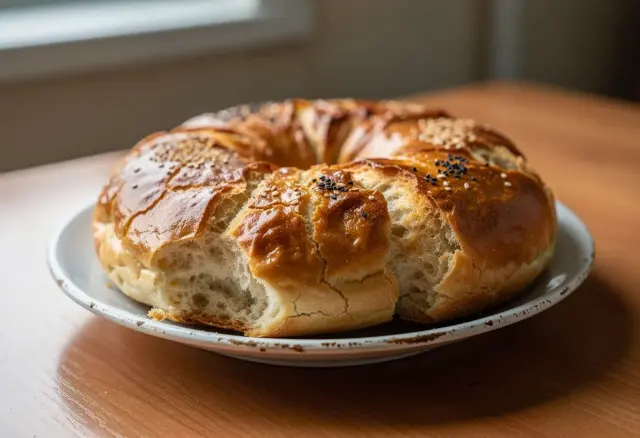
ChorekRound tamdyr-baked bread with a crisp crust and soft crumb, torn warm with tea and butter.
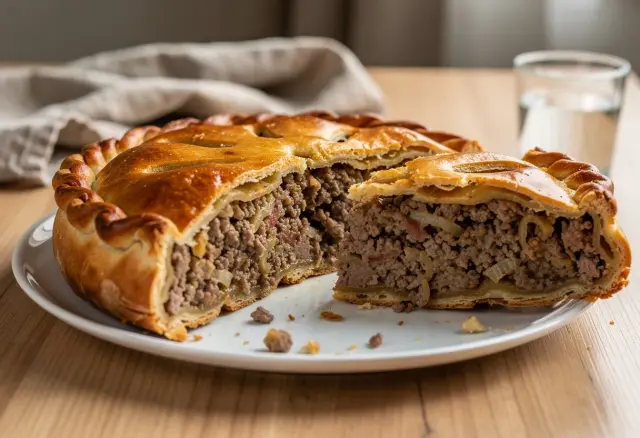
IchlekliA large baked pastry pie filled with spiced meat, onion, and potato, a rustic Turkmen specialty for gatherings.
Browse all Turkmenistan recipes →
Good to know
You’ll need: Pot or saucepan.
Storing it: Keep chilled and covered, and enjoy within 2 to 3 days.
Make it a Turkmenistan meal
DogramaDinner

Pishme (Turkmen Fried Dough Diamonds)Dessert
Similar dishes from around the world
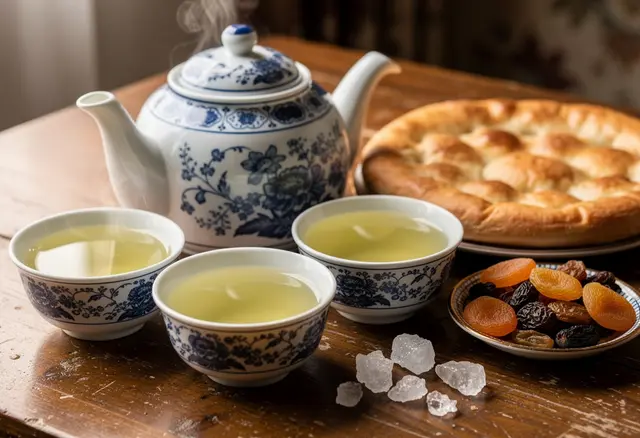
Kok Choy (Uzbek Green Tea)Uzbekistan
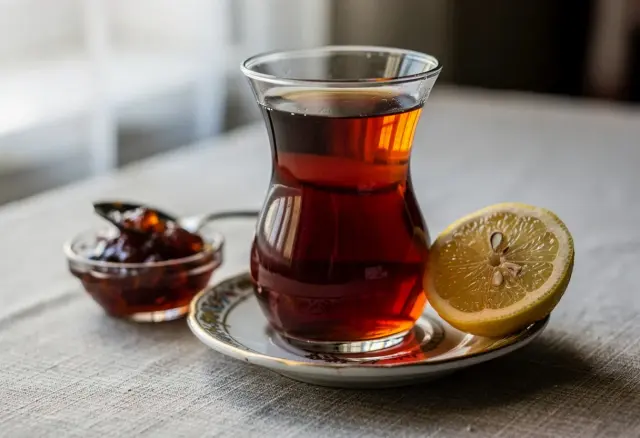
Azerbaijani ChayAzerbaijan
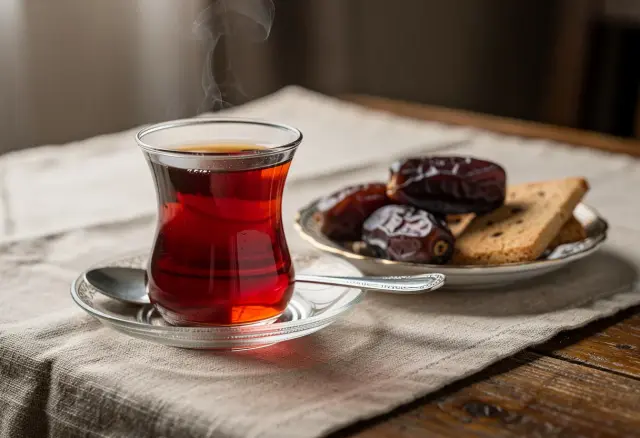
Iraqi ChaiIraq
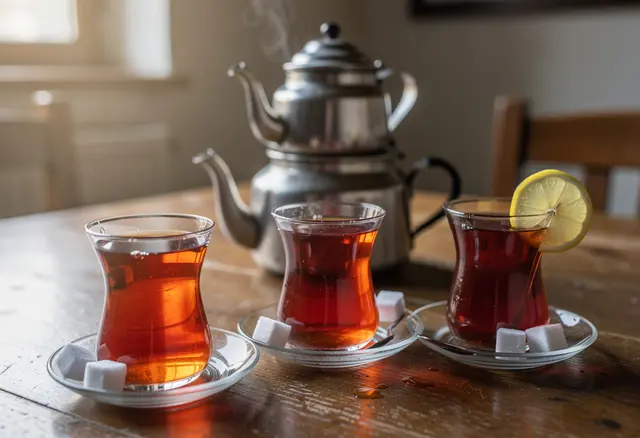
Çaj Rusi (Kosovar Black Tea)Kosovo

Moroccan Mint TeaMorocco
Citronnelle (Seychellois Lemongrass Tea)Seychelles
Drinks
Frequently asked questions
What is Gök Çay (Turkmen Green Tea)?
Green tea brewed in a small porcelain pot for each drinker, poured into the bowl and back three times, rested a moment, then drunk hot with raisins and honey.
Where does Gök Çay (Turkmen Green Tea) come from?
Gök Çay (Turkmen Green Tea) is a Turkmen dish from Ashgabat, Turkmenistan.
Can Gök Çay (Turkmen Green Tea) be made vegan, gluten-free, or dairy-free?
This Gök Çay (Turkmen Green Tea) recipe includes substitution suggestions for vegetarian, vegan, gluten-free, dairy-free, nut-free, egg-free, and pork-free versions. Treat the substitutions as a starting guide rather than a guarantee, and see the allergen note below.
Is Gök Çay (Turkmen Green Tea) safe for people with food allergies?
Our dietary labels and substitutions are a cooking guide, not medical or allergen-safety advice. We track dairy, egg, gluten, tree nuts and peanuts (we still count coconut as a tree nut to be cautious, although the FDA stopped listing it as one in 2025), fish, and shellfish, but we do not screen for sesame, soy, mustard, celery, or sulphites. If you have a food allergy, always read the label on every product you use, and remember a home or commercial kitchen can cross-contaminate ingredients in ways a recipe cannot control.
How long does Gök Çay (Turkmen Green Tea) take to make?
About 11 minutes total (3 minutes prep, 8 minutes cooking), serving 1.
Get the Sunday Spin
One dish from somewhere in the world, in your inbox every Sunday. No spam, just dinner inspiration you can cook that day.