Asia → Uzbekistan → Tashkent

🥤 DRINK
Kok Choy (Uzbek Green Tea)
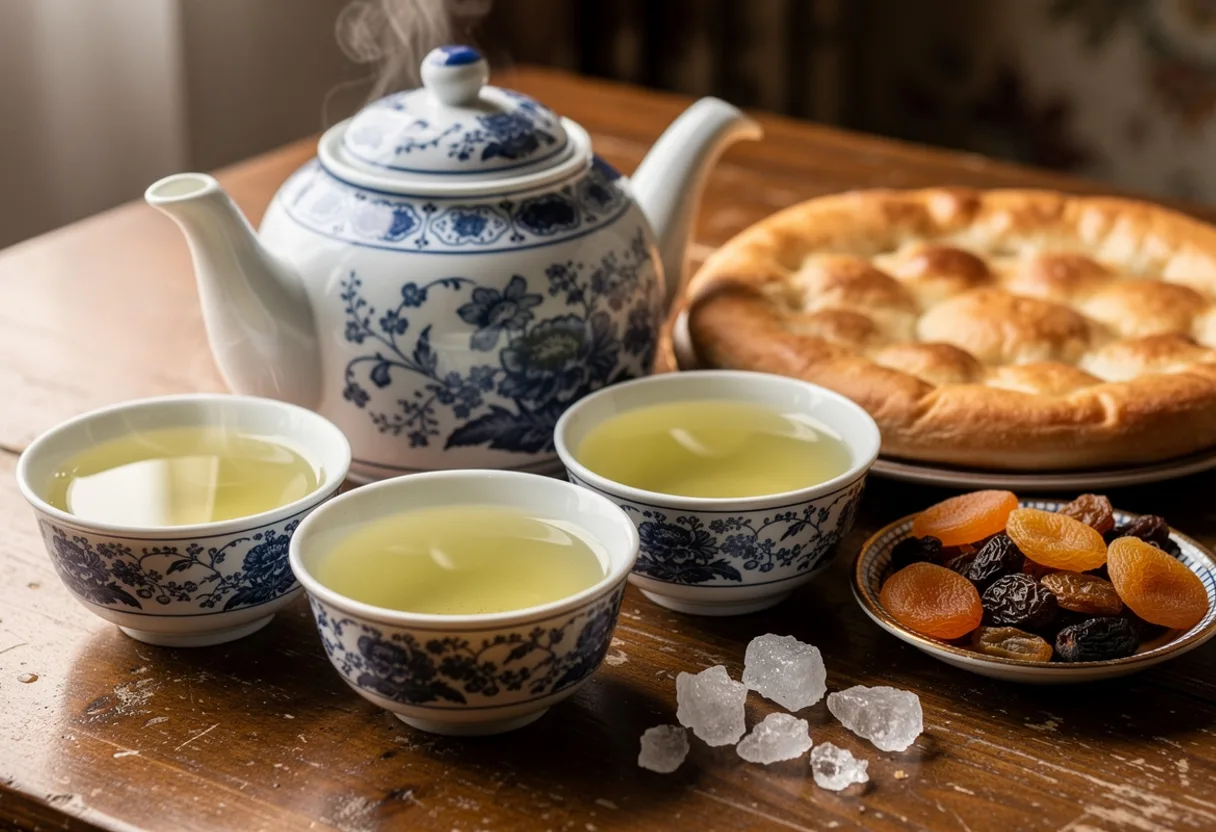
Pale green tea brewed in a warmed porcelain pot, filled with boiling water in stages, then poured into a bowl and back three times before it is served in small handleless piyolas.
Uzbek · easy · serves 4
prep 5 min · cook 10 min
~114 cal · 1g protein · 30g carbs · 0g fat · 1g fiber · 24g sugars · 0g sat fat (estimated, per serving)
↓ Jump to Recipe
AI-generated illustration
Kok choy, green tea, is the everyday drink of most of Uzbekistan. Tashkent leans towards black tea, but across the rest of the country it is green tea that is poured at every meal, in every teahouse, and for every guest.
The brewing has its own small ritual. The pot is warmed first, and the boiling water goes in by stages rather than all at once. Then comes qaytarish, from the Uzbek for "to return": a bowl of tea is poured out and tipped back into the pot, three times over. Uzbeks say the first return makes loy (clay), the second moy (oil), and only the third turns it into choy, tea.
The host pours for everyone, and pours little. A piyola filled only a third or half full is a mark of respect: the tea stays hot, and the host gets to refill it again and again. It comes to the table with flatbread, navat (crystallised sugar), dried fruit and nuts.
Saved recipes and passport stamps are kept on this device. Sign in to keep them across your devices and leave reviews.
Make it yours
✓ Naturally vegetarian, vegan and gluten-, dairy-, nut-, egg- and pork-free. No swaps needed.
Toggle a diet and the ingredients rewrite themselves with regional substitutes.
🥕 Vegetarian
🌱 Vegan
🌾 Gluten-Free
🥛 Dairy-Free
🥜 Nut-Free
🥚 Egg-Free
🐖 Pork-Free
Dietary labels are a cooking guide, not allergen-safety advice. We track dairy, egg, gluten, tree nuts and peanuts (we count coconut as a tree nut, following FDA labeling), fish, and shellfish; we do not screen for sesame, soy, mustard, celery, or sulphites. If you have a food allergy, read the label on every product you use, and note that a kitchen can cross-contaminate in ways a recipe cannot control.
Ingredients
US
Metric
Serves 4
- 2 tsp loose green tea
- 1 litre water, freshly boiled
- 2 tbsp navat (crystallised sugar) or sugar lumps, to serve
- 1/2 cup raisins and dried apricots, to serve
Instructions
- 1Bring the water to a full boil. Swirl a splash of it round a porcelain teapot to warm it, then tip it out.
- 2Put the tea in the warm pot and pour in boiling water to fill it halfway. Cover and set it on top of the steaming kettle for about 3 minutes.✎ Chef’s noteThe pot is filled in stages so the leaves open slowly in the heat rather than being flooded at once.
- 3Top the pot up to three-quarters full, wait 2 to 3 minutes more, then fill it to the brim.
- 4Now the qaytarish: pour a bowlful of tea and tip it back into the pot. Do this three times.✎ Chef’s noteUzbeks name the three returns loy, moy and choy: clay, oil, and finally tea. It mixes the strong tea at the bottom of the pot with the weaker tea at the top, so every bowl pours the same.
- 5Pour into clean piyolas, only a third to half full, and hand them round. Keep refilling while the tea is hot, with navat and dried fruit on the table to go with it.✎ Chef’s noteGreen tea is drunk without sugar in the cup; the sweetness comes from what is on the table. Offering a nearly empty bowl is not stinginess but respect, a promise of many refills.
Uzbek teahouse and home tradition.
Ratings & reviews
Cooked it? Rate this dish:
No account needed. Sign in to leave a full review with a comment.
Cooked it?
Kept on this device, no account needed. Sign in to leave a review and keep your passport across your devices.
No reviews yet, be the first to cook it.
🌏 While it simmers, know your destination
📍
Tashkent. Tashkent, a Silk Road crossroads, cooks plov in giant kazan cauldrons, plus samsa pastries and non bread; every Uzbek region argues for its own style, and Tashkent's is only one of them. Palov culture went onto UNESCO's intangible heritage list in 2016. Central Asian hospitality and Uzbek tradition center the capital's table.
🗺️
Uzbekistan. Palov culture and tradition was inscribed by UNESCO in 2016, and the inscription records the Uzbek line that guests may not leave until palov has been offered. It is cooked by men and women alike in a kazan, the wide cast-iron cauldron, for weddings, funerals, new year and charity meals, using rice varieties such as devzira.
🌍
Asia. Asia is the world's largest and most populous continent, and its food spans the delicate seasonality of Japanese washoku, the chili-fired curries of India and Thailand, and the wheat-and-lamb traditions of Central Asia. Rice, noodles, soy, and fermentation recur across its regions, while ancient spice routes and religious traditions shaped distinct grammars of flavor. Whether from a street-cart wok or a monastery kitchen, eating is deeply communal and ritual-rich.
The story behind this dish is up top, worth a read while the pot works.
More from Uzbekistan
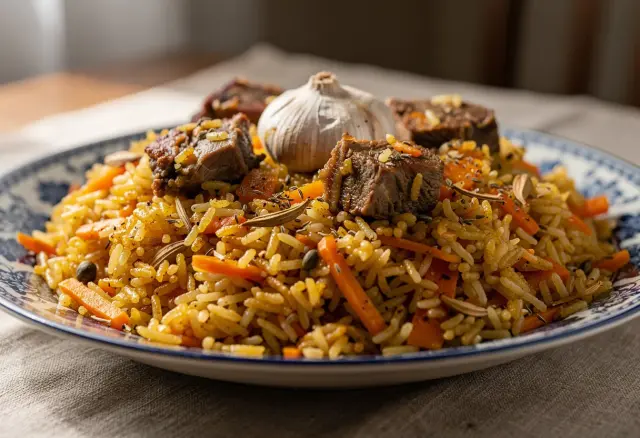
Uzbek PlovSilk Road rice cooked in one kazan with lamb, mountains of carrots, cumin, and whole garlic heads.
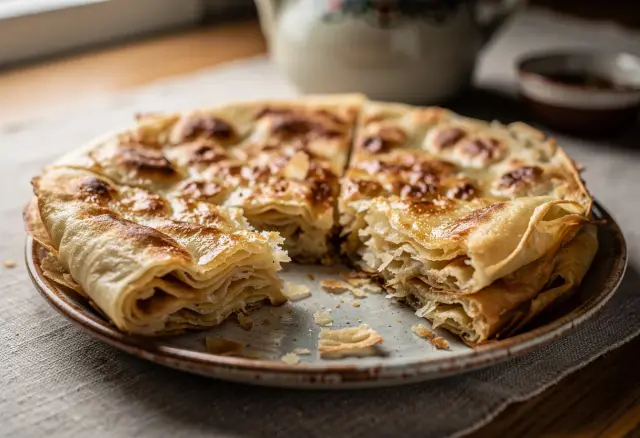
KatlamaFlaky, layered pan-fried flatbread brushed with oil and folded, a Central Asian morning staple.

SamsaFlaky baked pastries filled with spiced lamb and onion, blistered golden in a tandoor, a Silk Road staple.
Browse all Uzbekistan recipes →
Good to know
You’ll need: Pot or saucepan.
Storing it: Keep chilled and covered, and enjoy within 2 to 3 days.
Make it an Uzbekistan meal
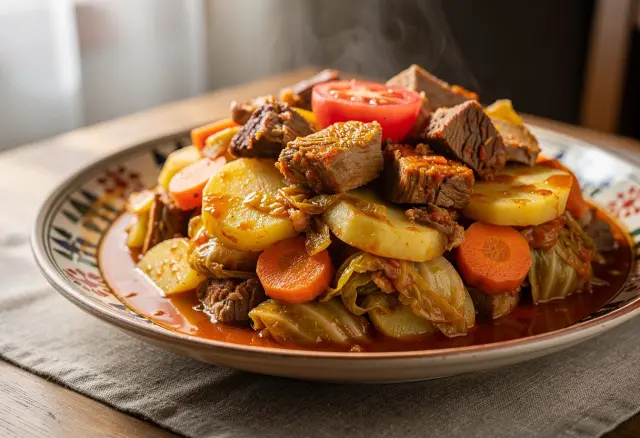
Dimlama (Layered Steamed Stew)Dinner
Chak-ChakDessert
Similar dishes from around the world
Gök Çay (Turkmen Green Tea)Turkmenistan
Azerbaijani ChayAzerbaijan
Iraqi ChaiIraq
Çaj Rusi (Kosovar Black Tea)Kosovo

Moroccan Mint TeaMorocco

Citronnelle (Seychellois Lemongrass Tea)Seychelles
Drinks
Frequently asked questions
What is Kok Choy (Uzbek Green Tea)?
Pale green tea brewed in a warmed porcelain pot, filled with boiling water in stages, then poured into a bowl and back three times before it is served in small handleless piyolas.
Where does Kok Choy (Uzbek Green Tea) come from?
Kok Choy (Uzbek Green Tea) is an Uzbek dish from Tashkent, Uzbekistan.
Can Kok Choy (Uzbek Green Tea) be made vegan, gluten-free, or dairy-free?
This Kok Choy (Uzbek Green Tea) recipe includes substitution suggestions for vegetarian, vegan, gluten-free, dairy-free, nut-free, egg-free, and pork-free versions. Treat the substitutions as a starting guide rather than a guarantee, and see the allergen note below.
Is Kok Choy (Uzbek Green Tea) safe for people with food allergies?
Our dietary labels and substitutions are a cooking guide, not medical or allergen-safety advice. We track dairy, egg, gluten, tree nuts and peanuts (we still count coconut as a tree nut to be cautious, although the FDA stopped listing it as one in 2025), fish, and shellfish, but we do not screen for sesame, soy, mustard, celery, or sulphites. If you have a food allergy, always read the label on every product you use, and remember a home or commercial kitchen can cross-contaminate ingredients in ways a recipe cannot control.
How long does Kok Choy (Uzbek Green Tea) take to make?
About 15 minutes total (5 minutes prep, 10 minutes cooking), serving 4.
Get the Sunday Spin
One dish from somewhere in the world, in your inbox every Sunday. No spam, just dinner inspiration you can cook that day.