
🥔 SIDE
Şehriyeli Pilav (Turkish Rice Pilaf with Orzo)
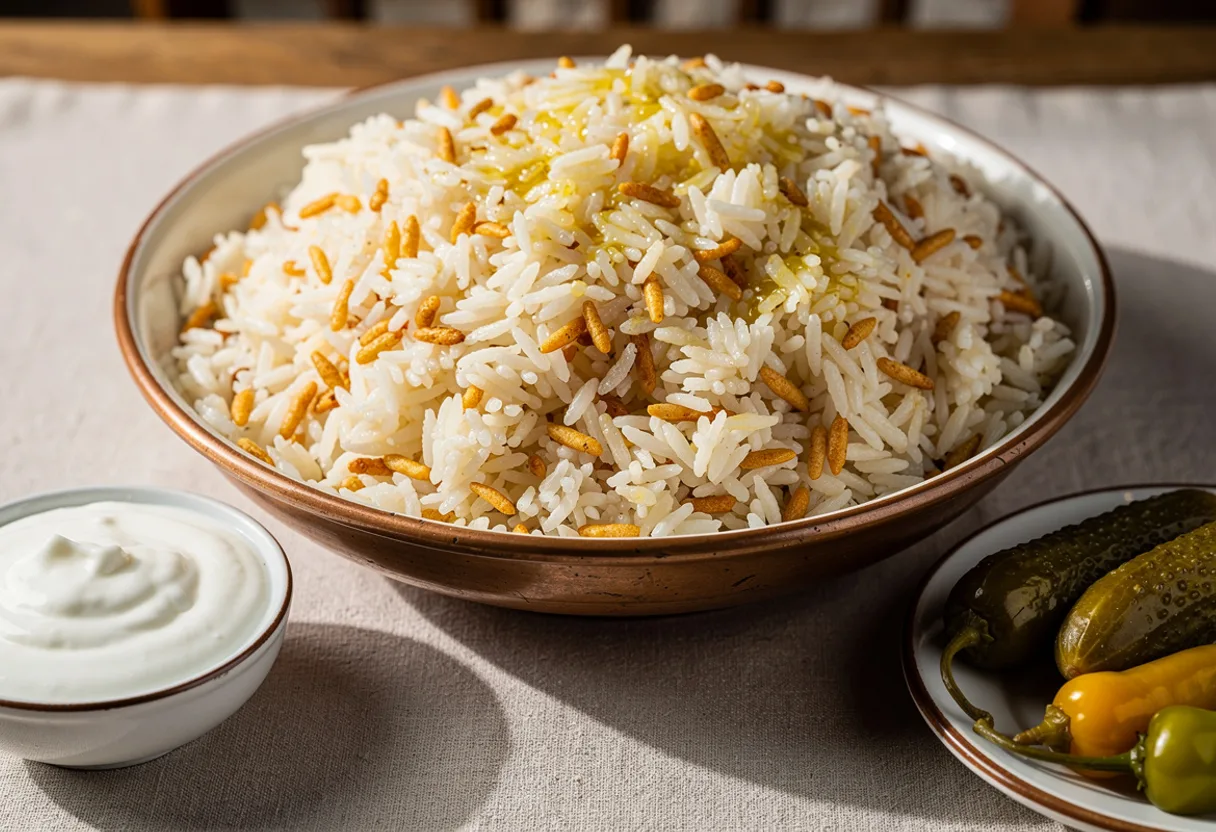
Rinsed, soaked rice cooked with little rice-shaped pasta toasted golden in butter, then left to rest under a cloth until every grain is separate and fluffy.
Turkish · easy · serves 4
prep 5 min · cook 20 min · plus 27 min hands-off time
~259 cal · 4g protein · 44g carbs · 7g fat · 1g fiber · 0g sugars · 2g sat fat (estimated, per serving)
↓ Jump to Recipe
AI-generated illustration
Şehriyeli pilav, rice with şehriye, is the everyday rice of Turkey, the side that sits beside kebabs, stews and beans at home and in restaurants all over the country. Şehriye is small pasta, either arpa şehriye, the rice-shaped kind known elsewhere as orzo, or tel şehriye, fine broken .
The pasta is toasted in butter or oil until golden, which gives the its speckled look and a gentle nutty taste, and then the rice goes in and is stirred until every grain is coated in the fat. Turkish cooks rinse and soak the rice first, to wash off the starch, often using baldo, a plump short-grain rice grown in Turkey.
The aim is tane tane pilav, rice where each grain stands apart. After the liquid is absorbed, the pan comes off the heat and rests with a cloth or paper towel under the lid to catch the steam. Getting right was once considered a test of a cook, and it is still served with a bowl of yogurt and pickles on the side.
Saved recipes and passport stamps are kept on this device. Sign in to keep them across your devices and leave reviews.
Make it yours
✓ Naturally vegetarian and nut-, egg- and pork-free. No swaps needed.
Toggle a diet and the ingredients rewrite themselves with regional substitutes.
🥕 Vegetarian
🌱 Vegan
🌾 Gluten-Free
🥛 Dairy-Free
🥜 Nut-Free
🥚 Egg-Free
🐖 Pork-Free
Dietary labels are a cooking guide, not allergen-safety advice. We track dairy, egg, gluten, tree nuts and peanuts (we count coconut as a tree nut, following FDA labeling), fish, and shellfish; we do not screen for sesame, soy, mustard, celery, or sulphites. If you have a food allergy, read the label on every product you use, and note that a kitchen can cross-contaminate in ways a recipe cannot control.
Ingredients
US
Metric
Serves 4
- 1 cup (200 g) baldo or other medium-grain rice, long-grain rice also works
- 1 tsp salt, plus a pinch for the soaking water
- 1 tbsp butter
- 1 tbsp olive or sunflower oil
- 3 tbsp arpa şehriye (orzo) or broken tel şehriye ()
- 420 ml (1 3/4 cups) hot water
- a pinch black pepper
Instructions
- 1Rinse the rice in a sieve under warm running water until it runs clear. Cover it with warm water and a pinch of salt and leave for 15 minutes, then drain well.✎ Chef’s noteRinsing and soaking wash off surface starch, which is what makes pilaf sticky. It is the first step to tane tane, separate grains.
- 2Melt the butter with the oil in a medium pan over medium heat. Add the şehriye and stir for 3 to 4 minutes, until golden brown.✎ Chef’s noteWatch it closely: şehriye goes from golden to burnt in moments. Add the rice as soon as it colours.
- 3Add the drained rice and stir for 1 to 2 minutes, until every grain is glossy with butter.
- 4Pour in the hot water, add the salt and pepper and bring to a boil. Cover, turn the heat to low and cook without stirring for about 15 minutes, until the water is absorbed and small holes appear on the surface.
- 5Take the pan off the heat, lay a clean cloth or two paper towels over it, put the lid back on and leave to rest for 12 to 15 minutes. Fluff gently with a fork and serve, with yogurt and pickles alongside.
Turkish home tradition.
Ratings & reviews
Cooked it? Rate this dish:
No account needed. Sign in to leave a full review with a comment.
Cooked it?
Kept on this device, no account needed. Sign in to leave a review and keep your passport across your devices.
No reviews yet, be the first to cook it.
🌏 While it simmers, know your destination
📍
İzmir (Aegean). Two Izmir specifics are easy to get wrong. Izmir kofte is baked in the oven with potatoes and tomatoes rather than grilled, which is the whole point of the name; and Izmir-style kokorec is made without tomatoes, unlike the versions sold further east. Both are small distinctions locals will correct you on.
🗺️
Turkey. Baklava's origins are genuinely unsettled, argued between Greek, Arab-Persian and Central Asian Turkic ancestries, so nobody should be handed the invention. What is documented is Gaziantep: its baklava was the first Turkish product to win an EU protected geographical indication, in 2013, and the specification requires Antep pistachios.
🌍
Asia. Fermentation is the thread that runs the whole way across: soy sauce and miso, Korean doenjang and kimchi, Southeast Asian fish sauces, the soured batter behind an idli. Chilli is the newcomer among them, arriving only after 1500 with Portuguese and Spanish traders, which makes the heat in Sichuan, Thai and Korean cooking far younger than the fermenting underneath it.
The story behind this dish is up top, worth a read while the pot works.
More from Turkey
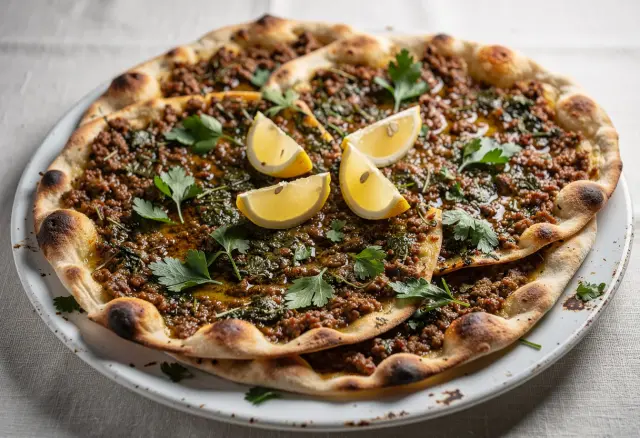
LahmacunPaper-thin flatbread blistered under a spiced lamb, pepper, and parsley crust, rolled with lemon and herbs.
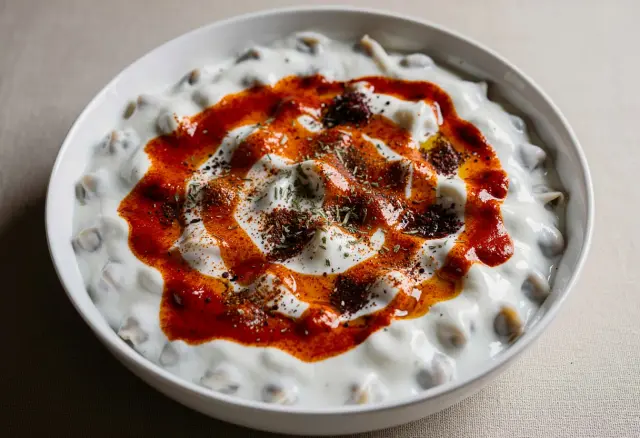
MantiTiny hand-pinched meat dumplings under garlic yogurt and paprika-mint butter, Kayseri’s legendary labor of love.
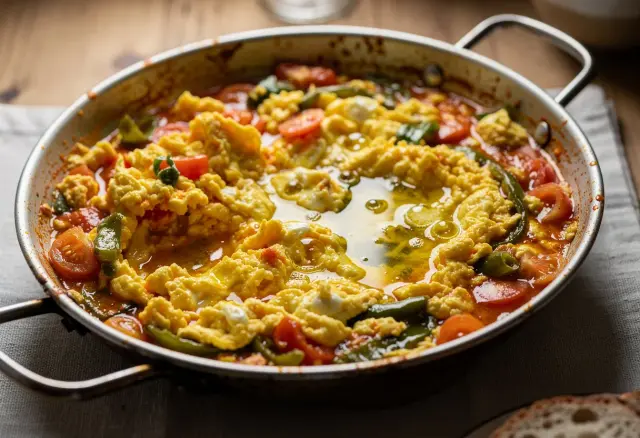
MenemenSoft eggs scrambled into a simmered base of tomato, green pepper, and pul biber.
Browse all Turkey recipes →
Good to know
Storing it: Cool leftover rice quickly and refrigerate within an hour. Keep up to 2 days and reheat until piping hot all the way through.
Make it a Turkey meal

AyranDrink

BaklavaDessert
Similar dishes from around the world

Burghul bi Banadoura (Syrian Tomato Bulgur Pilaf)Syria
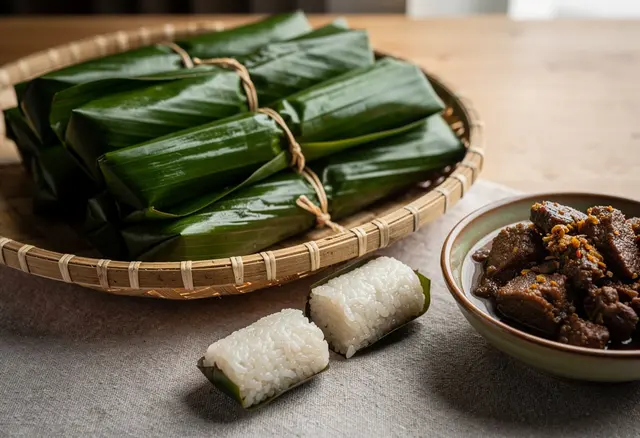
Kelupis (Bruneian Glutinous Rice Rolls in Leaves)Brunei
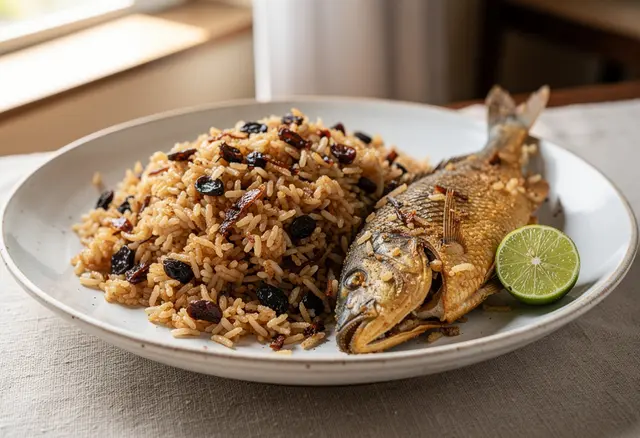
Arroz con Coco Titoté (Colombian Caramelized Coconut Rice)Colombia

Pourgouri Pilafi (Cypriot Bulgur and Vermicelli Pilaf)Cyprus
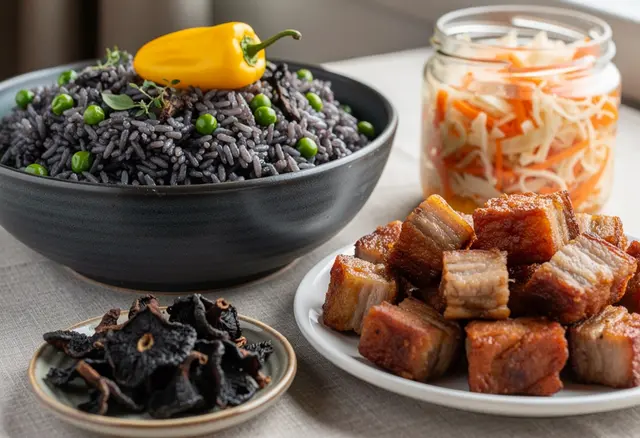
Diri Djon Djon (Haitian Black Mushroom Rice)Haiti

Kheere ka Raita (Cucumber Raita)India
Cuisine
Diet
Frequently asked questions
What is Şehriyeli Pilav (Turkish Rice Pilaf with Orzo)?
Rinsed, soaked rice cooked with little rice-shaped pasta toasted golden in butter, then left to rest under a cloth until every grain is separate and fluffy.
Where does Şehriyeli Pilav (Turkish Rice Pilaf with Orzo) come from?
Şehriyeli Pilav (Turkish Rice Pilaf with Orzo) is a Turkish dish from İzmir (Aegean), Turkey.
Can Şehriyeli Pilav (Turkish Rice Pilaf with Orzo) be made vegan, gluten-free, or dairy-free?
This Şehriyeli Pilav (Turkish Rice Pilaf with Orzo) recipe includes substitution suggestions for vegetarian, vegan, gluten-free, dairy-free, nut-free, egg-free, and pork-free versions. Treat the substitutions as a starting guide rather than a guarantee, and see the allergen note below.
Is Şehriyeli Pilav (Turkish Rice Pilaf with Orzo) safe for people with food allergies?
Our dietary labels and substitutions are a cooking guide, not medical or allergen-safety advice. We track dairy, egg, gluten, tree nuts and peanuts (we still count coconut as a tree nut to be cautious, although the FDA stopped listing it as one in 2025), fish, and shellfish, but we do not screen for sesame, soy, mustard, celery, or sulphites. If you have a food allergy, always read the label on every product you use, and remember a home or commercial kitchen can cross-contaminate ingredients in ways a recipe cannot control.
How long does Şehriyeli Pilav (Turkish Rice Pilaf with Orzo) take to make?
About 52 min in all: 5 minutes prep and 20 minutes cooking, plus 27 min of hands-off waiting the method needs, serving 4.
Get the Sunday Spin
One dish from somewhere in the world, in your inbox every Sunday. No spam, just dinner inspiration you can cook that day.