
🍢 SNACK
Tinkhobe (Swazi Boiled Whole Maize)
Whole dried maize kernels boiled slowly in plenty of water until their skins crack and the insides turn soft and chewy, then salted: a plain, filling Swazi snack.
Swazi · easy · serves 4
prep 5 min · cook 180 min
~108 cal · 4g protein · 24g carbs · 1g fat · 3g fiber · 4g sugars · 0g sat fat (estimated, per serving)
↓ Jump to Recipe
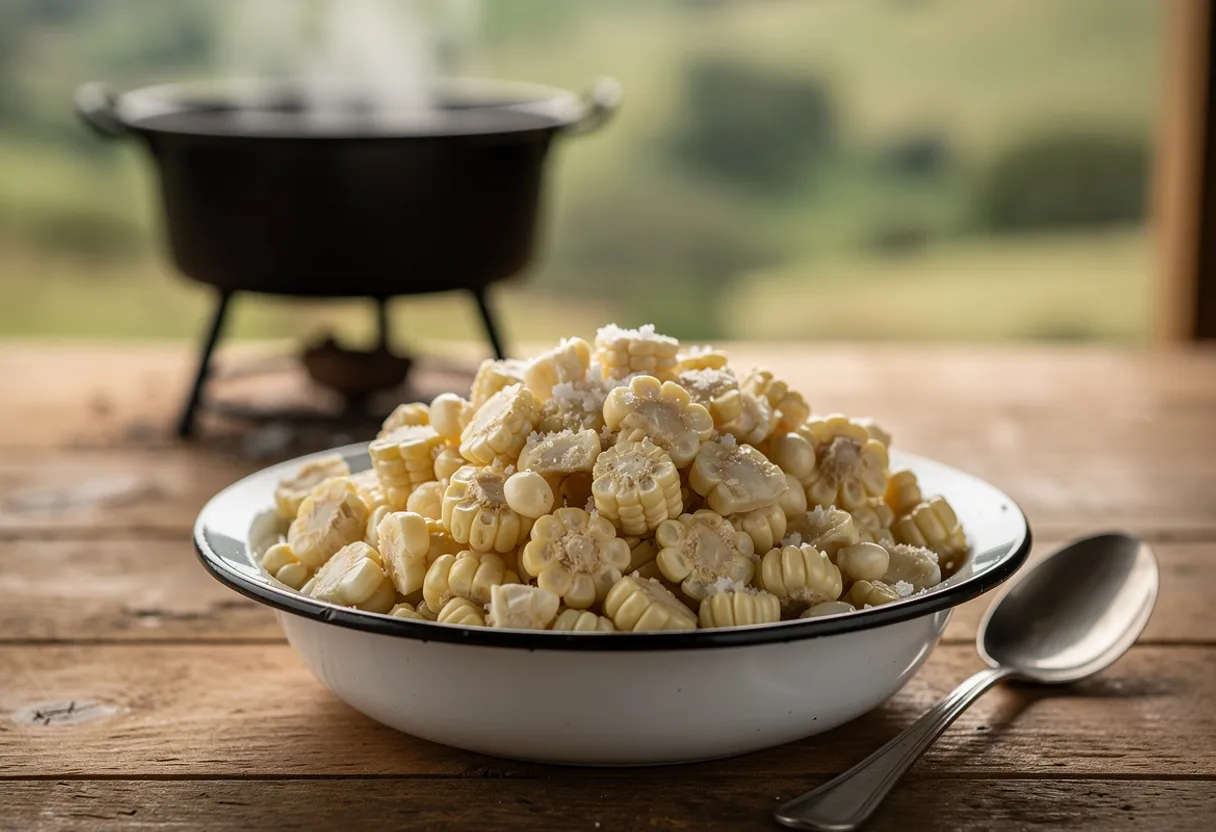
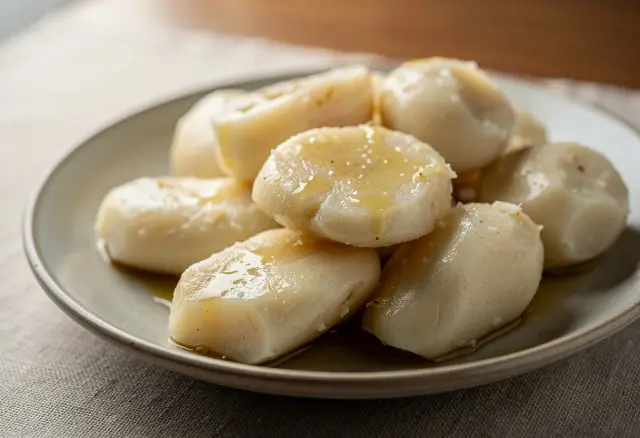
AI-generated illustration
Tinkhobe is simply boiled whole maize, and it is one of the traditional foods of Eswatini, listed alongside sishwala, incwancwa and sidvudvu. Maize is the kingdom's staple, and tinkhobe uses it in the plainest way of all: the dried grains are cleaned, covered with plenty of water and boiled until the outer skin cracks, then seasoned with a little salt.
Swazi cooks count it as a snack, eaten warm from a bowl between meals. Maize in its other everyday snack forms, roasted or boiled on the cob, is sold at markets and by street vendors across the country.
The same word turns up in another traditional dish, emasi etinkhobe temmbila, ground maize mixed with sour milk.
Saved recipes and passport stamps are kept on this device. Sign in to keep them across your devices and leave reviews.
Make it yours
✓ Naturally vegetarian, vegan and gluten-, dairy-, nut-, egg- and pork-free. No swaps needed.
Toggle a diet and the ingredients rewrite themselves with regional substitutes.
🥕 Vegetarian
🌱 Vegan
🌾 Gluten-Free
🥛 Dairy-Free
🥜 Nut-Free
🥚 Egg-Free
🐖 Pork-Free
Dietary labels are a cooking guide, not allergen-safety advice. We track dairy, egg, gluten, tree nuts and peanuts (we count coconut as a tree nut, following FDA labeling), fish, and shellfish; we do not screen for sesame, soy, mustard, celery, or sulphites. If you have a food allergy, read the label on every product you use, and note that a kitchen can cross-contaminate in ways a recipe cannot control.
Ingredients
US
Metric
Serves 4
- 500 g (about 3 cups) dried white maize kernels (dried corn)
- 3.3 litres water, plus more hot water to top up
- 1/2 tsp salt, or to taste
Instructions
- 1Pick over the maize, removing any stones or damaged kernels, and rinse it well in several changes of water.
- 2Put the maize in a large pot with the water and bring it to the boil.
- 3Lower the heat and boil gently, partly covered, for 2 1/2 to 3 hours, topping up with hot water whenever the level drops below the maize, until the outer skins have cracked and the kernels are soft and chewy all the way through.✎ Chef’s noteBite a kernel to check: it should be tender right to the centre, with only a little chew.
- 4Drain off most of the remaining water, stir in the salt and serve warm in bowls.
Swazi home tradition.
Ratings & reviews
Cooked it? Rate this dish:
No account needed. Sign in to leave a full review with a comment.
Cooked it?
Kept on this device, no account needed. Sign in to leave a review and keep your passport across your devices.
No reviews yet, be the first to cook it.
🌏 While it simmers, know your destination
📍
Mbabane. The porridge has a name: sishwala, maize meal ground fine and cooked stiff, and it goes under stewed meat, grilled beef, leafy greens or a bowl of emasi, the soured milk. Meat is not everyday food here and turns up when there is a reason for people to gather.
🗺️
Eswatini. Eswatini's food is Southern African comfort, maize porridge (sishwala), sour-milk dishes, and stewed greens and beans. Sorghum beer, marula fruit, and communal eating reflect deep Swazi tradition.
🌍
Africa. The structure repeats across most of the continent: one starch and one sauce. A grain or root is cooked stiff, torn or rolled by hand, and used to carry a stew of leaves, groundnut, okra or fish, usually from a shared bowl and with the right hand. UNESCO listings have followed that logic, inscribing couscous in 2020 as a shared Maghreb tradition and Ivorian attieke in 2024.
The story behind this dish is up top, worth a read while the pot works.
More from Eswatini

Swazi Chicken Stew with PhutuA homey Eswatini chicken stew in tomato and onion, served with crumbly steamed maize phutu.
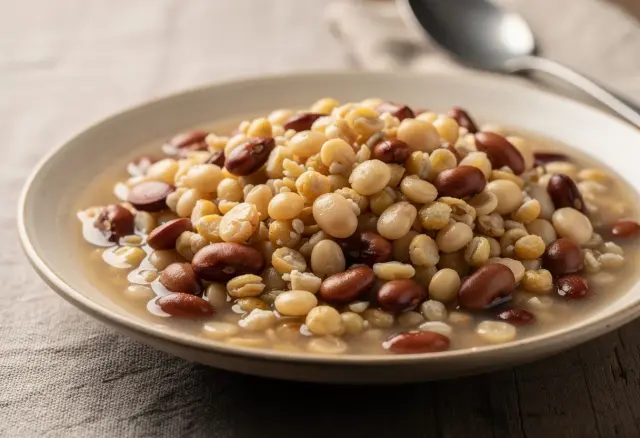
UmncushuSwazi samp and beans: dried maize kernels and sugar beans slow-boiled together until soft and creamy, a homely Eswatini staple.
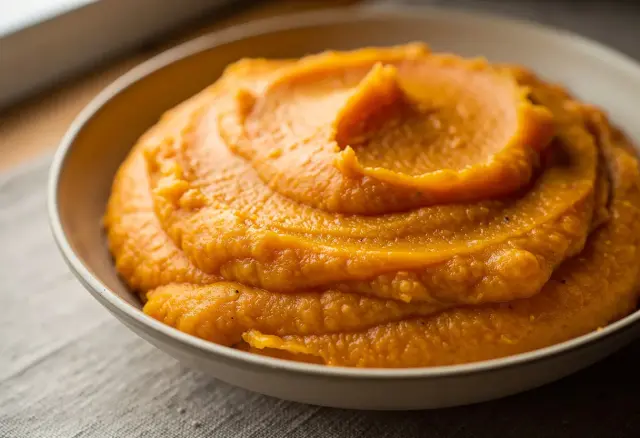
SidvudvuSweet pumpkin cooked down with maize meal into a smooth, comforting porridge, a traditional Eswatini favorite.
Browse all Eswatini recipes →
Good to know
You’ll need: Pot or saucepan.
Storing it: Keeps 2 to 3 days refrigerated. Resteam or warm through gently to serve.
Make it an Eswatini meal

Emahewu (Swazi Fermented Maize Drink)Drink

KoeksistersDessert
Similar dishes from around the world
Khaman DhoklaIndia
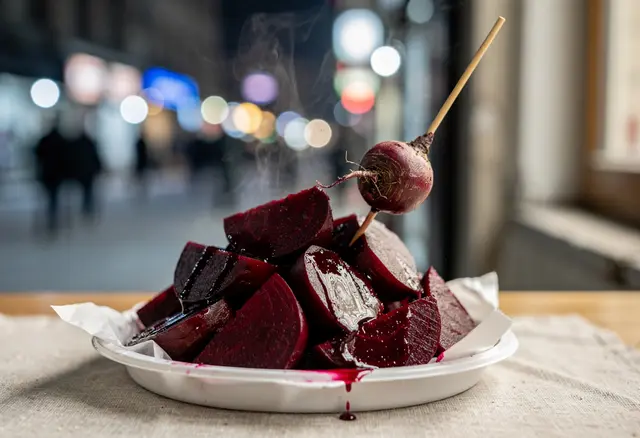
Laboo (Persian Hot Beetroot Street Snack)Iran
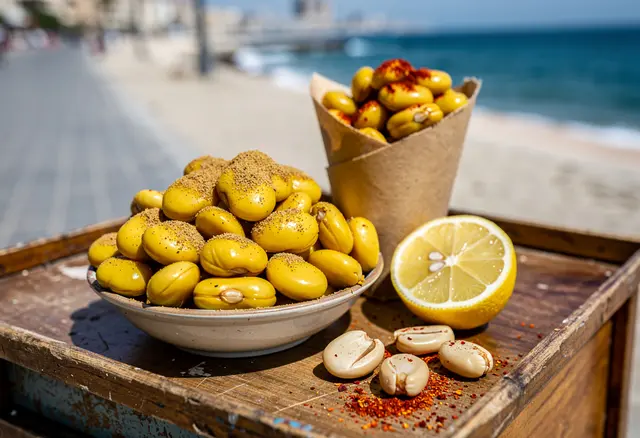
Termis (Egyptian Brined Lupini Beans)Egypt
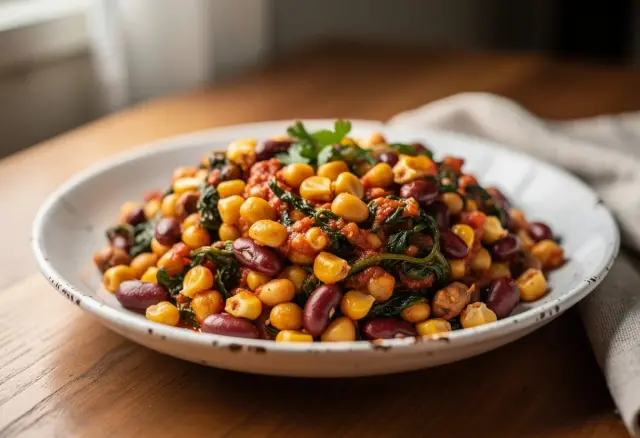
GitheriKenya
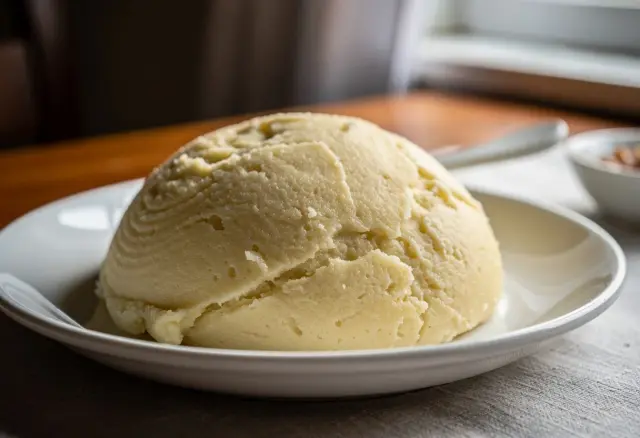
Kon (Chuukese Pounded Breadfruit)Micronesia
Belsiich el Kukau (Pounded Taro)Palau
Cuisine
Diet
Vegetarian Recipes from Around the World
Vegan Recipes from Around the World
Gluten-Free Recipes from Around the World
Dairy-Free Recipes from Around the World
Nut-Free Recipes from Around the World
Egg-Free Recipes from Around the World
Pork-Free Recipes from Around the World
Vegetarian Swazi Recipes
Gluten-Free Swazi Recipes
Frequently asked questions
What is Tinkhobe (Swazi Boiled Whole Maize)?
Whole dried maize kernels boiled slowly in plenty of water until their skins crack and the insides turn soft and chewy, then salted: a plain, filling Swazi snack.
Where does Tinkhobe (Swazi Boiled Whole Maize) come from?
Tinkhobe (Swazi Boiled Whole Maize) is a Swazi dish from Mbabane, Eswatini.
Can Tinkhobe (Swazi Boiled Whole Maize) be made vegan, gluten-free, or dairy-free?
This Tinkhobe (Swazi Boiled Whole Maize) recipe includes substitution suggestions for vegetarian, vegan, gluten-free, dairy-free, nut-free, egg-free, and pork-free versions. Treat the substitutions as a starting guide rather than a guarantee, and see the allergen note below.
Is Tinkhobe (Swazi Boiled Whole Maize) safe for people with food allergies?
Our dietary labels and substitutions are a cooking guide, not medical or allergen-safety advice. We track dairy, egg, gluten, tree nuts and peanuts (we still count coconut as a tree nut to be cautious, although the FDA stopped listing it as one in 2025), fish, and shellfish, but we do not screen for sesame, soy, mustard, celery, or sulphites. If you have a food allergy, always read the label on every product you use, and remember a home or commercial kitchen can cross-contaminate ingredients in ways a recipe cannot control.
How long does Tinkhobe (Swazi Boiled Whole Maize) take to make?
About 185 minutes total (5 minutes prep, 180 minutes cooking), serving 4.
Get the Sunday Spin
One dish from somewhere in the world, in your inbox every Sunday. No spam, just dinner inspiration you can cook that day.