
🥙 LUNCH
Maultaschen (Swabian Filled Pasta Pockets)
Big Swabian pasta pockets stuffed with minced pork, bratwurst meat, spinach, onion and soaked bread, simmered and served in a bowl of clear beef broth with chives.
German (Swabian) · advanced · serves 4
prep 75 min · cook 20 min
~808 cal · 43g protein · 74g carbs · 37g fat · 5g fiber · 5g sugars · 14g sat fat (estimated, per serving)
↓ Jump to Recipe
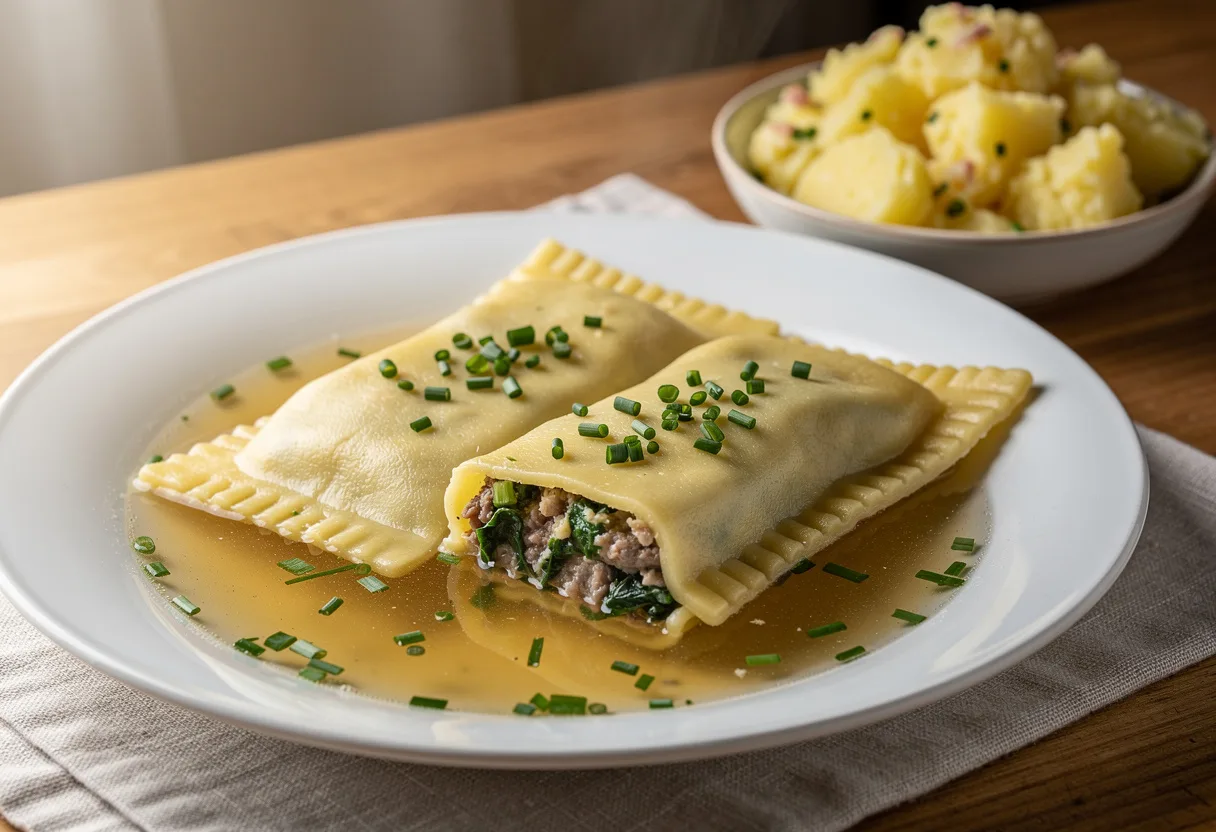
AI-generated illustration
Maultaschen are the pride of Swabia, large squares of thin egg pasta wrapped around a savoury filling of minced meat, spinach, onion, parsley and soaked stale bread, seasoned with nutmeg and pepper. Swabians call them Herrgottsbscheißerle, "little God-cheaters": the legend credits the Cistercian monks of Maulbronn Abbey with hiding meat inside pasta so that nobody, not even the Almighty, could see it on a Lenten fast day.
The legend is unprovable, but the attachment is real. The European Union protects Schwäbische Maultaschen as a regional speciality of Baden-Württemberg, towns hold Maultaschen festivals, and Maundy Thursday is still Maultaschen day in many Swabian homes.
There are two classic ways to eat them. "In der Brühe" they are simmered and served floating in a clear beef broth with chives, often with a potato salad on the side. "Geschmälzt" they are sliced and fried in butter with onions, sometimes with egg scrambled through, which is how the leftovers disappear the next day.
Saved recipes and passport stamps are kept on this device. Sign in to keep them across your devices and leave reviews.
Make it yours
✓ Naturally nut-free. No swaps needed.
Toggle a diet and the ingredients rewrite themselves with regional substitutes.
🥕 Vegetarian
🌱 Vegan
🌾 Gluten-Free
🥛 Dairy-Free
🥜 Nut-Free
🥚 Egg-Free
🐖 Pork-Free
Dietary labels are a cooking guide, not allergen-safety advice. We track dairy, egg, gluten, tree nuts and peanuts (we count coconut as a tree nut, following FDA labeling), fish, and shellfish; we do not screen for sesame, soy, mustard, celery, or sulphites. If you have a food allergy, read the label on every product you use, and note that a kitchen can cross-contaminate in ways a recipe cannot control.
Ingredients
US
Metric
Serves 4
- 300 g plain flour (for the dough)
- 3 eggs (for the dough)
- 1 tsp fine salt, plus more to season
- 1 (about 60 g) stale white bread roll, cut into small cubes
- 100 ml whole milk, warmed (to soak the roll)
- 1 large onion, finely chopped
- 1 bunch flat-leaf parsley, finely chopped
- 1 tbsp butter
- 50 g smoked streaky bacon, finely diced
- 250 g minced pork
- 200 g fine bratwurst meat (Brät), squeezed from the casings
- 300 g frozen chopped spinach, thawed and squeezed very dry
- 1 egg (for the filling)
- a good pinch nutmeg, freshly grated
- 1/2 tsp black pepper, freshly ground
- 1.5 litres clear beef broth
- 2 tbsp chives, snipped
Instructions
- 1Make the dough: mix the flour, eggs and 1/2 tsp salt, adding a few spoons of cold water until it comes together, then knead 8 minutes until smooth and elastic. Wrap and rest at least 30 minutes.✎ Chef’s noteThe dough should feel like firm modelling clay. Too soft and the pockets tear; too dry and it cracks when you fold it.
- 2Soak the bread cubes in the warm milk for 10 minutes, then squeeze out well and crumble. Meanwhile sweat the onion and bacon in the butter for 5 minutes until soft, stir in the parsley, and let it cool.
- 3Mix the minced pork, bratwurst meat, squeezed spinach, soaked bread, onion mixture and egg, and season with 1/2 tsp salt, the pepper and nutmeg. Poach a teaspoon of filling in simmering water for 3 minutes and taste, then adjust the seasoning.
- 4Roll the dough out thin (about 1.5 mm) into long strips roughly 12 cm wide. Spread a 1 cm layer of filling down the middle, brush the edges with water, fold the long sides over to enclose it, and press down firmly with the side of a wooden spoon every 7 cm. Cut through at the pressed lines.✎ Chef’s notePressing the seams hard with the spoon handle seals the pockets so they do not open in the broth.
- 5Bring the broth to a gentle simmer and season it. Slide in the Maultaschen and poach just below a boil for 12 to 15 minutes, until they float and the filling is cooked through.
- 6Serve two or three per bowl in plenty of hot broth, scattered with chives. Leftovers are sliced and fried in butter with onions the next day, the geschmälzt way.
Swabian home and Gasthaus tradition, Baden-Württemberg.
Ratings & reviews
Cooked it? Rate this dish:
No account needed. Sign in to leave a full review with a comment.
Cooked it?
Kept on this device, no account needed. Sign in to leave a review and keep your passport across your devices.
No reviews yet, be the first to cook it.
🌏 While it simmers, know your destination
📍
Swabia. Maultaschen have a nickname that carries a story: Herrgottsbscheisserle, little God-cheaters, from a legend told at Maulbronn monastery about a lay brother hiding meat inside pasta dough during Lent so it could not be seen. It is a legend rather than a documented origin, but it explains why the dish is traditionally eaten on Maundy Thursday and Good Friday.
🗺️
Germany. Beyond beer halls, Germany is a land of serious regional home cooking, Swabian spätzle, Bavarian roasts, northern fish, and an unmatched bread and sausage culture. Hearty, seasonal, and built for cold winters, it prizes pork, potatoes, cabbage, and cured meats.
🌍
Europe. A surprising amount of European cooking is under five hundred years old. Tomatoes, potatoes, peppers, maize, beans and chocolate all crossed from the Americas after 1492, and none of them was trusted quickly: the potato took most of the eighteenth century to be accepted as food rather than animal fodder across much of the north.
The story behind this dish is up top, worth a read while the pot works.
More from Germany
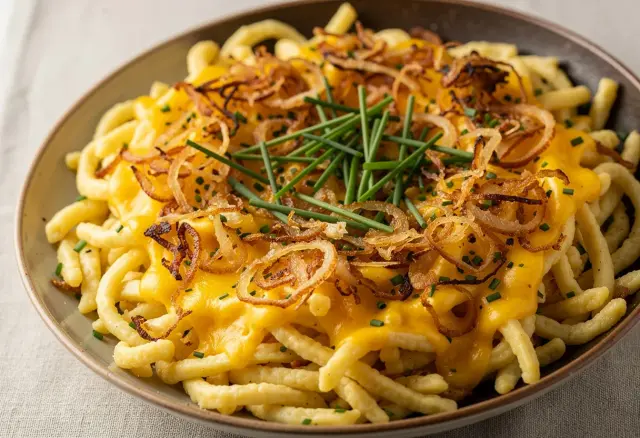
KäsespätzleFresh egg noodles scraped into boiling water, layered with alpine cheese and buried in crispy onions.
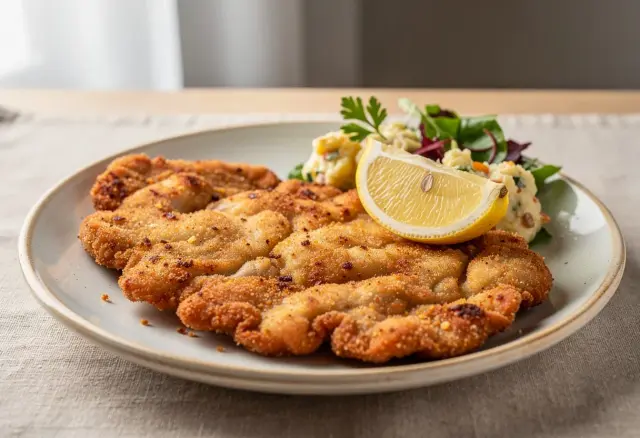
Schnitzel (Schweineschnitzel)The German pork schnitzel: a thin cutlet pounded flat, breaded in a loose golden crust, and fried until crisp, served with a wedge of lemon.
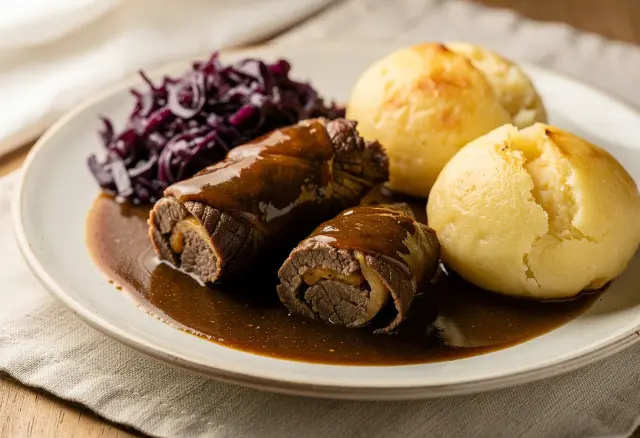
RinderrouladenThin beef rolled around mustard, bacon, onion, and pickle, braised into a deep gravy, Sunday dinner across Germany.
Browse all Germany recipes →
Good to know
Storing it: Soup keeps 3 to 4 days refrigerated and freezes well. Reheat gently and loosen with a little water or stock if needed.
Make it a Germany meal

Glühwein (German Mulled Wine)Drink
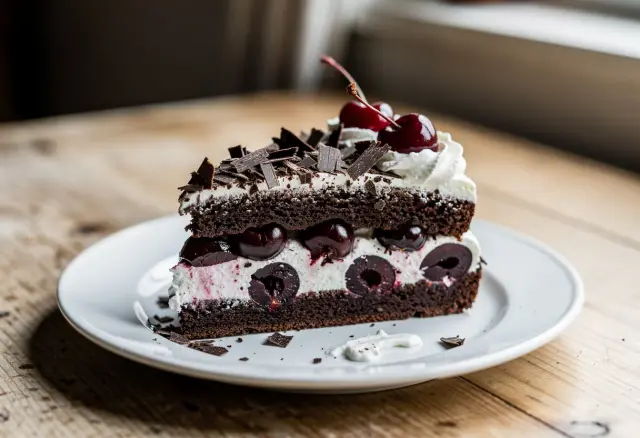
Schwarzwälder KirschtorteDessert
Schnitzel (Schweineschnitzel)Dinner
Similar dishes from around the world
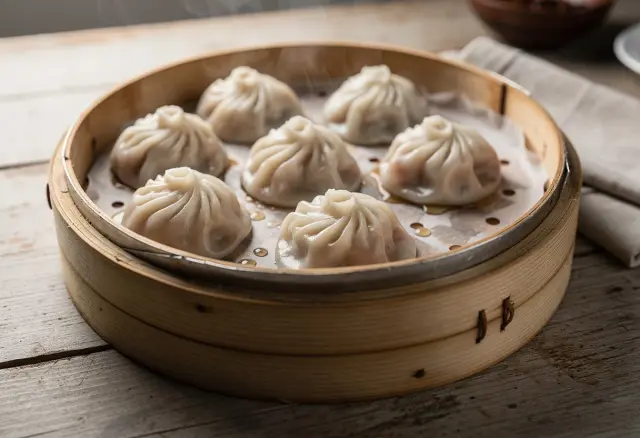
XiaolongbaoChina
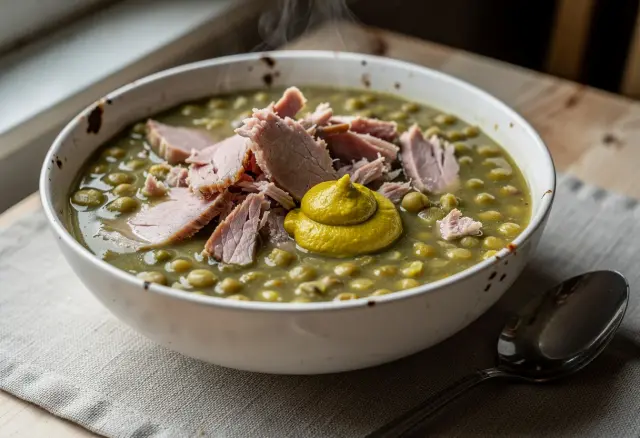
Hernekeitto (Finnish Pea Soup)Finland
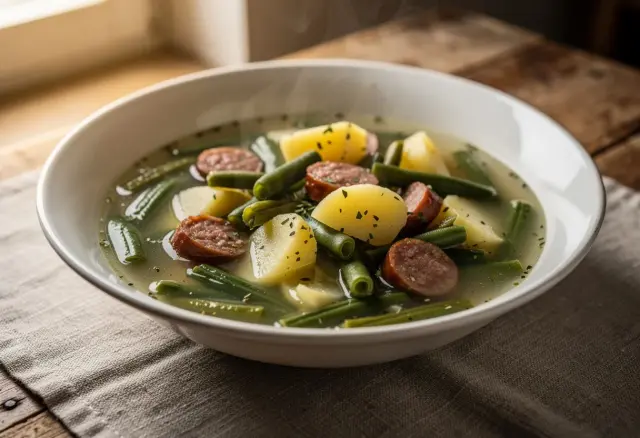
BouneschluppLuxembourg

Frikadeļu ZupaLatvia
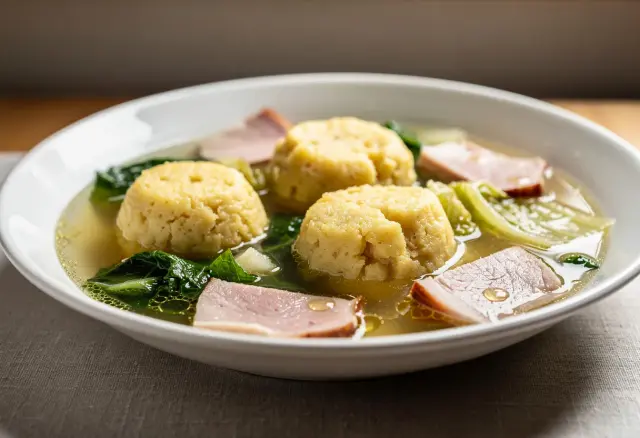
HafalaabLiechtenstein
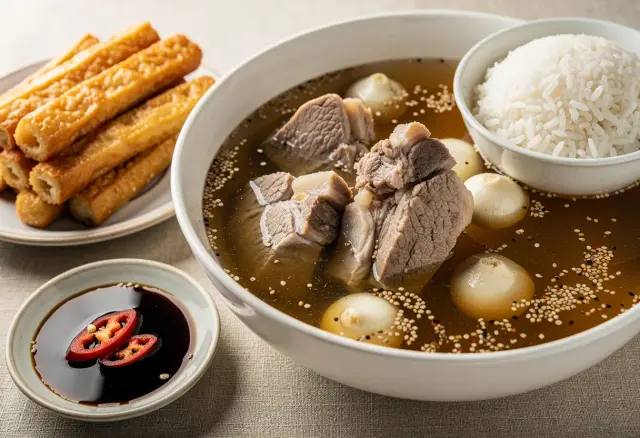
Bak Kut TehSingapore
Frequently asked questions
What is Maultaschen (Swabian Filled Pasta Pockets)?
Big Swabian pasta pockets stuffed with minced pork, bratwurst meat, spinach, onion and soaked bread, simmered and served in a bowl of clear beef broth with chives.
Where does Maultaschen (Swabian Filled Pasta Pockets) come from?
Maultaschen (Swabian Filled Pasta Pockets) is a German (Swabian) dish from Swabia, Germany.
Can Maultaschen (Swabian Filled Pasta Pockets) be made vegan, gluten-free, or dairy-free?
This Maultaschen (Swabian Filled Pasta Pockets) recipe includes substitution suggestions for vegetarian, vegan, gluten-free, dairy-free, nut-free, egg-free, and pork-free versions. Treat the substitutions as a starting guide rather than a guarantee, and see the allergen note below.
Is Maultaschen (Swabian Filled Pasta Pockets) safe for people with food allergies?
Our dietary labels and substitutions are a cooking guide, not medical or allergen-safety advice. We track dairy, egg, gluten, tree nuts and peanuts (we still count coconut as a tree nut to be cautious, although the FDA stopped listing it as one in 2025), fish, and shellfish, but we do not screen for sesame, soy, mustard, celery, or sulphites. If you have a food allergy, always read the label on every product you use, and remember a home or commercial kitchen can cross-contaminate ingredients in ways a recipe cannot control.
How long does Maultaschen (Swabian Filled Pasta Pockets) take to make?
About 95 minutes total (75 minutes prep, 20 minutes cooking), serving 4.
Get the Sunday Spin
One dish from somewhere in the world, in your inbox every Sunday. No spam, just dinner inspiration you can cook that day.