North America → United States → Lowcountry (South Carolina)

🍢 SNACK
Boiled Peanuts
Raw peanuts in their shells soaked and then simmered for hours in heavily salted water until the kernels are soft as cooked beans, eaten warm from the shell.
American (Southern) · easy · serves 8
prep 10 min · cook 240 min · plus 9 h hands-off time
~709 cal · 33g protein · 20g carbs · 61g fat · 11g fiber · 5g sugars · 9g sat fat (estimated, per serving)
↓ Jump to Recipe
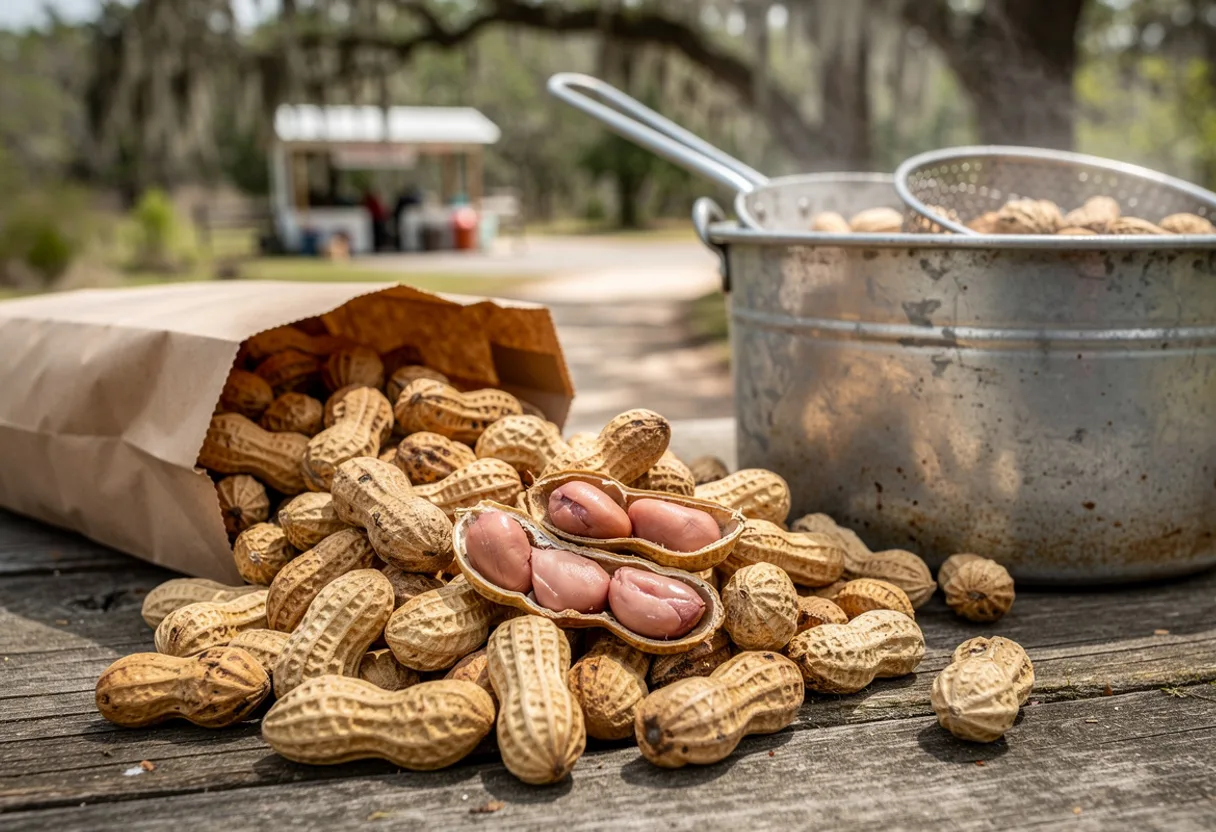
AI-generated illustration
In South Carolina boiled peanuts are the official state snack food, so named by the General Assembly in 2006, which defined them as peanuts immersed in boiling water for at least one hour while still in the shell. They are sold from roadside stands across the Carolinas and the Deep South, ladled warm and dripping into paper bags or cups.
The habit is older than the Civil War story often told about it. Peanuts came to the American South with the Atlantic slave trade, and enslaved Africans brought the knowledge of growing and cooking them; the old Southern word goober comes from ginguba, an Angolan word for peanut. A Union soldier wrote in 1864 that boiling was already a favourite way of cooking peanuts when they were too green to roast. By the early 1900s boiled peanuts were served at South Carolina parties, and in the late summer green peanut season whole communities boiled them in washpots over outdoor fires.
The best are green peanuts, freshly dug and never dried, sold from July into the autumn. Dried raw peanuts work too, but they need an overnight soak and a longer boil. Either way, the salt goes in at the start, and the peanuts cook until the kernels are soft all the way through.
Saved recipes and passport stamps are kept on this device. Sign in to keep them across your devices and leave reviews.
Make it yours
✓ Naturally vegetarian, vegan and gluten-, dairy-, egg- and pork-free. No swaps needed.
Toggle a diet and the ingredients rewrite themselves with regional substitutes.
🥕 Vegetarian
🌱 Vegan
🌾 Gluten-Free
🥛 Dairy-Free
🥜 Nut-Free
🥚 Egg-Free
🐖 Pork-Free
Dietary labels are a cooking guide, not allergen-safety advice. We track dairy, egg, gluten, tree nuts and peanuts (we count coconut as a tree nut, following FDA labeling), fish, and shellfish; we do not screen for sesame, soy, mustard, celery, or sulphites. If you have a food allergy, read the label on every product you use, and note that a kitchen can cross-contaminate in ways a recipe cannot control.
Ingredients
US
Metric
Serves 8
- 1 kg (2 lb) raw peanuts in the shell, green (freshly dug) peanuts in summer and autumn, otherwise dried raw peanuts; not roasted
- 4 L (about 1 gallon) water, plus more to top up; about twice as much water as peanuts
- 280 g (10 oz) salt, about 1 cup; the South Carolina Department of Agriculture brine is 10 oz salt to a gallon of water
Instructions
- 1Rinse the peanuts well in a colander, rubbing off any soil, and pick out any that are cracked, black or mouldy.
- 2Dissolve the salt in the water in a large pot, add the peanuts and weigh them down with a plate so they stay under. Leave them to soak for 8 hours or overnight.✎ Chef’s noteGreen peanuts can skip the soak, though it still helps the salt reach the kernels. Dried raw peanuts need it.
- 3Bring the pot to a boil in the soaking brine, then lower the heat, part-cover and simmer for about 4 hours, topping up with hot water so the peanuts stay covered.
- 4After 3 hours, fish one out, let it cool a little and crack it open. The kernel should be soft like a cooked bean, with no crunch. Keep simmering and testing every 30 minutes until they are done; dried peanuts can take several hours longer.✎ Chef’s noteIf they taste too salty, pour off some brine and top up with plain water; if too bland, add salt and cook on.
- 5Turn off the heat and let the peanuts sit in the brine for up to an hour to take in more salt, then drain and serve warm, with a bowl for the shells.
Southern roadside tradition (South Carolina state snack).
Ratings & reviews
Cooked it? Rate this dish:
No account needed. Sign in to leave a full review with a comment.
Cooked it?
Kept on this device, no account needed. Sign in to leave a review and keep your passport across your devices.
No reviews yet, be the first to cook it.
🌏 While it simmers, know your destination
📍
Lowcountry (South Carolina). Carolina Gold is a named variety rather than a marketing phrase, a long pale grain that emerged around the time of the Revolution and was brought back from near extinction only in recent decades. Hoppin' John, rice cooked with field peas, may take its name from the French Creole pois pigeons rather than from anybody called John.
🗺️
United States. American cooking is regional and migration-shaped, Lowcountry shrimp and grits, Tex-Mex, New England seafood, Cajun gumbo, and Californian produce. Indigenous, African, European, Latin, and Asian traditions collide into a constantly reinventing national table.
🌍
North America. Almost every regional cooking here records who arrived and on what terms. Enslaved West Africans brought rice, okra, black-eyed peas and the techniques behind Lowcountry and Creole food; Chinese railway labour and later Italian, Jewish, Mexican and Vietnamese arrivals built the way the cities eat; and Indigenous foodways sit underneath all of it.
The story behind this dish is up top, worth a read while the pot works.
More from United States

Chicken & Andouille GumboA dark-roux gumbo built on the holy trinity, simmered with smoky sausage and served over rice.

Green Chile StewPork simmered with roasted green chiles and potatoes, the smell of a New Mexico autumn in a pot.
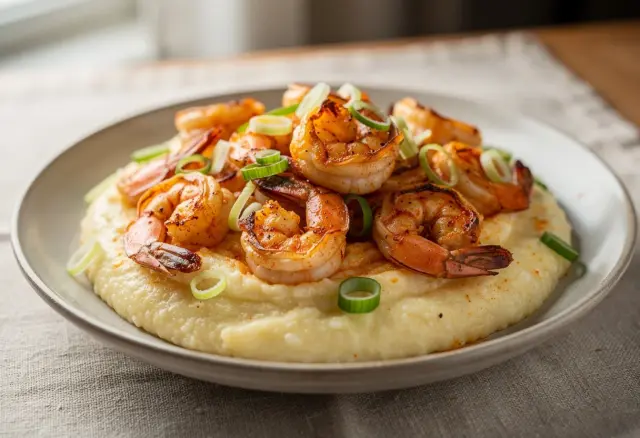
Shrimp & Gritscreek shrimp over slow-cooked, cheese-enriched stone-ground grits.
Browse all United States recipes →
Good to know
You’ll need: Pot or saucepan.
Storing it: Best assembled just before serving. Prep the components ahead and dress at the last moment so it stays crisp.
Make it a United States meal

SazeracDrink

Apple PieDessert
Similar dishes from around the world
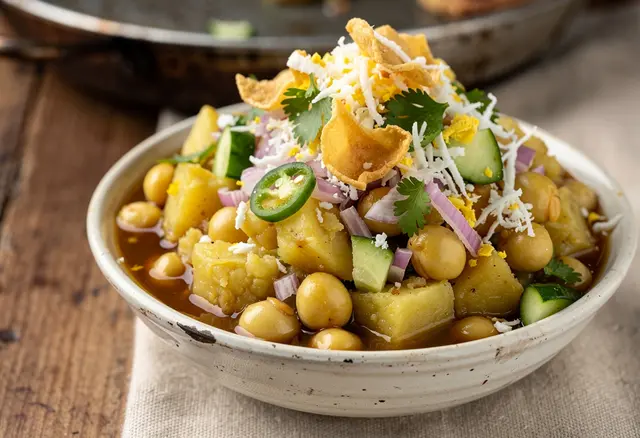
Chotpoti (Bangladeshi Spiced Peas with Tamarind)Bangladesh
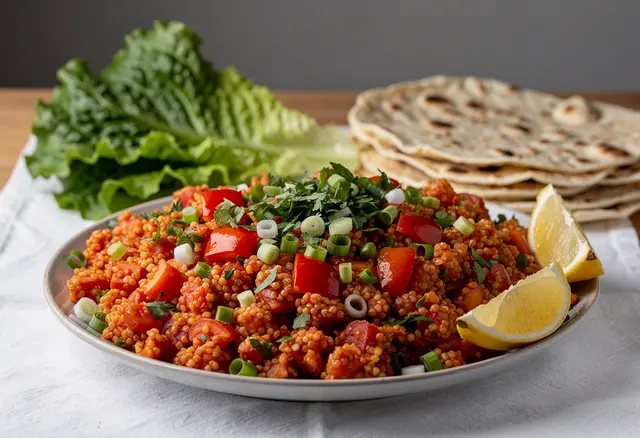
Eetch (Armenian Tomato and Bulgur Salad)Armenia
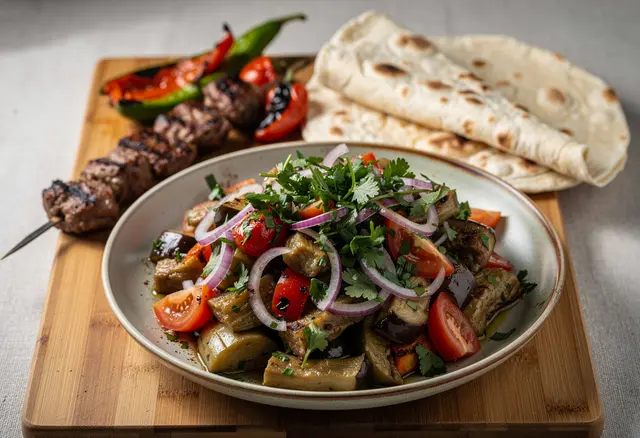
Mangal Salatı (Azerbaijani Grilled Vegetable Salad)Azerbaijan
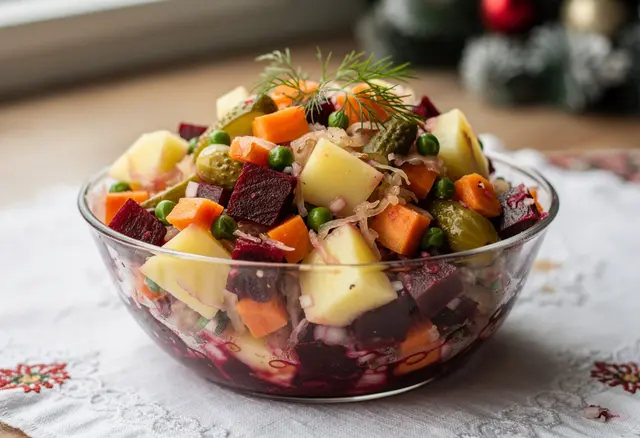
Vinegret (Beet, Potato and Pickle Salad)Belarus
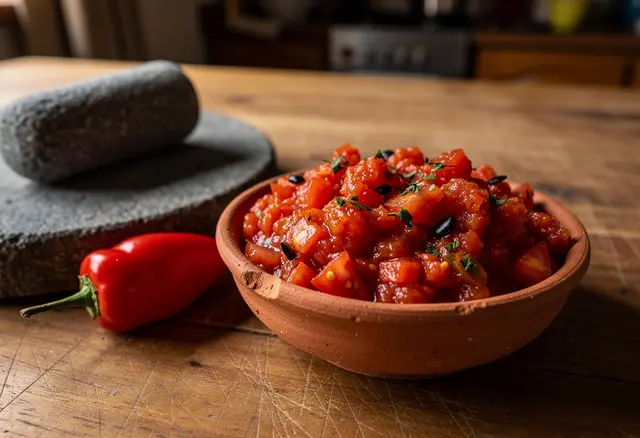
Llajua (Bolivian Locoto and Tomato Salsa)Bolivia

Ensalada Chilena (Chilean Tomato and Onion Salad)Chile
Cuisine
Diet
Frequently asked questions
What is Boiled Peanuts?
Raw peanuts in their shells soaked and then simmered for hours in heavily salted water until the kernels are soft as cooked beans, eaten warm from the shell.
Where does Boiled Peanuts come from?
Boiled Peanuts is an American (Southern) dish from Lowcountry (South Carolina), United States.
Can Boiled Peanuts be made vegan, gluten-free, or dairy-free?
This Boiled Peanuts recipe includes substitution suggestions for vegetarian, vegan, gluten-free, dairy-free, nut-free, egg-free, and pork-free versions. Treat the substitutions as a starting guide rather than a guarantee, and see the allergen note below.
Is Boiled Peanuts safe for people with food allergies?
Our dietary labels and substitutions are a cooking guide, not medical or allergen-safety advice. We track dairy, egg, gluten, tree nuts and peanuts (we still count coconut as a tree nut to be cautious, although the FDA stopped listing it as one in 2025), fish, and shellfish, but we do not screen for sesame, soy, mustard, celery, or sulphites. If you have a food allergy, always read the label on every product you use, and remember a home or commercial kitchen can cross-contaminate ingredients in ways a recipe cannot control.
How long does Boiled Peanuts take to make?
About 13 h 10 min in all: 10 minutes prep and 240 minutes cooking, plus 9 h of hands-off waiting the method needs, serving 8.
Get the Sunday Spin
One dish from somewhere in the world, in your inbox every Sunday. No spam, just dinner inspiration you can cook that day.