
🍢 SNACK
Chai Tow Kway (Singapore Fried Carrot Cake)
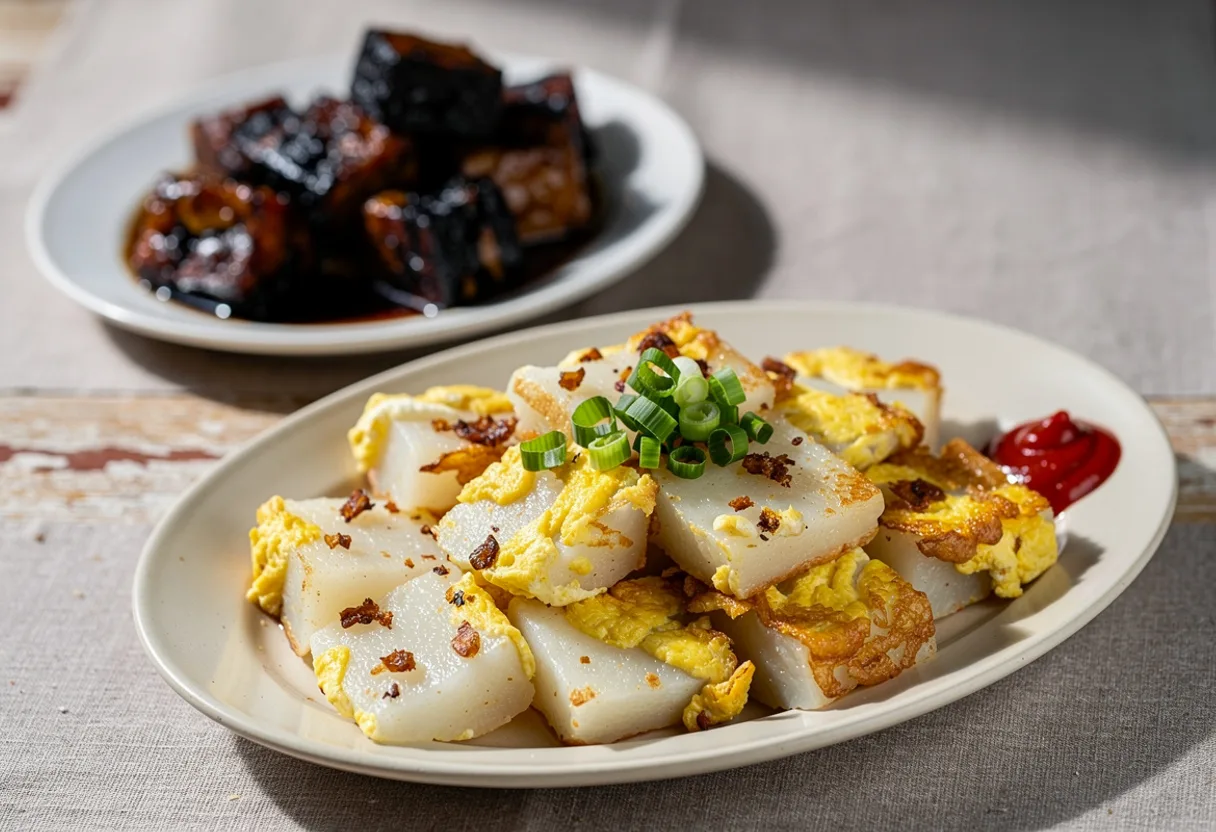
Cubes of homemade steamed radish cake fried until crisp, then tossed with garlic, preserved radish and egg; white with fish sauce, or black with sweet dark soy sauce.
Singaporean · medium · serves 4
prep 25 min · cook 75 min · plus 6 h hands-off time
~475 cal · 13g protein · 54g carbs · 23g fat · 5g fiber · 7g sugars · 4g sat fat (estimated, per serving)
↓ Jump to Recipe
AI-generated illustration
Chai tow kway is known in English as fried carrot cake, but there is no carrot in it. Chai tow is the Teochew word for the white radish, daikon, and the name was mistranslated. The dish is a cake of grated radish and rice flour, steamed, chilled until firm, then cut up and fried on a big flat griddle.
It came with Teochew immigrants, and in Singapore a hawker, Ng Soik Theng, is credited with adding radish to the original fried rice cake in the 1960s. Hawker centres sell two versions. White carrot cake is fried with egg and seasoned with and light soy until the egg forms a crisp crust; black carrot cake is tossed with sweet dark soy sauce until sticky and caramelised.
Both are made with garlic and chai poh, chopped preserved radish, and finished with spring onion, and eaten with chilli paste. It is eaten across Singapore and Malaysia, by every community, at breakfast, supper or any time between.
Saved recipes and passport stamps are kept on this device. Sign in to keep them across your devices and leave reviews.
Make it yours
✓ Naturally dairy-, nut- and pork-free. No swaps needed.
Toggle a diet and the ingredients rewrite themselves with regional substitutes.
🥕 Vegetarian
🌱 Vegan
🌾 Gluten-Free
🥛 Dairy-Free
🥜 Nut-Free
🥚 Egg-Free
🐖 Pork-Free
Dietary labels are a cooking guide, not allergen-safety advice. We track dairy, egg, gluten, tree nuts and peanuts (we count coconut as a tree nut, following FDA labeling), fish, and shellfish; we do not screen for sesame, soy, mustard, celery, or sulphites. If you have a food allergy, read the label on every product you use, and note that a kitchen can cross-contaminate in ways a recipe cannot control.
Ingredients
US
Metric
Serves 4
- 500 g daikon (white radish), peeled and grated
- 250 ml water (for the radish)
- 200 g rice flour
- 20 g tapioca starch
- 250 ml water (for the batter)
- 1 tsp salt
- 1/2 tsp sugar
- 1/4 tsp white pepper
- 5 tbsp , for greasing and frying
- 4 garlic cloves, minced
- 3 tbsp chai poh (preserved radish), rinsed and chopped
- 4 eggs, beaten
- 1 tbsp
- 1 tsp light soy sauce
- 2 tbsp sweet dark soy sauce (kecap manis), for the black version, optional
- 2 spring onions, chopped
- to taste chilli paste (sambal), to serve
Instructions
- 1Simmer the grated radish in the 250 ml water for about 10 minutes, stirring, until soft and translucent.
- 2Whisk the rice flour, tapioca starch, salt, sugar and pepper with the other 250 ml water until smooth. Take the radish off the heat and stir in the batter quickly until it turns into a thick paste.
- 3Spread the mixture in a greased 20 cm square tin, smooth the top and steam over high heat for 45 to 50 minutes, topping up the water, until firm and a skewer comes out clean.
- 4Let the cake cool completely, then cover and refrigerate for at least 6 hours or overnight, until firm enough to cut. Cut into 2 cm cubes.✎ Chef’s noteWarm radish cake falls apart in the pan. Chilling is what lets it fry into crisp cubes.
- 5Heat 4 tbsp oil in a large wok or frying pan over medium-high heat and fry the cubes in a single layer for 8 to 10 minutes, turning, until golden and crisp on several sides.
- 6Push the cubes aside, add the rest of the oil, the garlic and chai poh and fry for 1 minute until fragrant, then toss everything together and season with the fish sauce and soy sauce.
- 7Spread the cubes out, pour the beaten eggs evenly over them and leave for about 1 minute without stirring, until the egg sets. Turn in large pieces and fry for 2 minutes more, until the egg is golden and crisp at the edges. For black carrot cake, add the sweet dark soy sauce now and toss until glossy.
- 8Scatter with spring onion and serve hot with chilli paste.
Teochew tradition as cooked in Singapore hawker centres.
Ratings & reviews
Cooked it? Rate this dish:
No account needed. Sign in to leave a full review with a comment.
Cooked it?
Kept on this device, no account needed. Sign in to leave a review and keep your passport across your devices.
No reviews yet, be the first to cook it.
🌏 While it simmers, know your destination
📍
Singapore. Hawker culture in Singapore was inscribed on UNESCO's representative list on 16 December 2020, the country's first inscription. What was listed is the whole arrangement rather than any dish: the centres themselves, the stall licences, the shared tables and the habit of eating most meals out of them.
🗺️
Singapore. Singapore is a hawker-center paradise where Malay, Chinese, Indian, and Peranakan cuisines collide, Hainanese chicken rice, chili crab, laksa, and kaya toast. Food is the national obsession, and the hawker stall its temple.
🌍
Asia. A grain line runs across the continent. Rice dominates the wet south and east, wheat the drier north and west, and the tools follow it: the wok and the steamer where rice is milled, the tandoor and the griddle where wheat is ground. Tea travels the other way, drunk green, black, salted, buttered or with milk depending how far it got from China.
The story behind this dish is up top, worth a read while the pot works.
More from Singapore
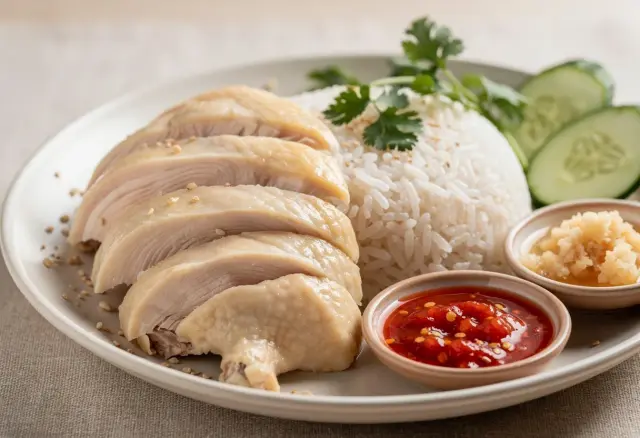
Hainanese Chicken RiceSilken poached chicken over rice cooked in its broth, with chili-ginger sauce, Singapore’s national obsession.
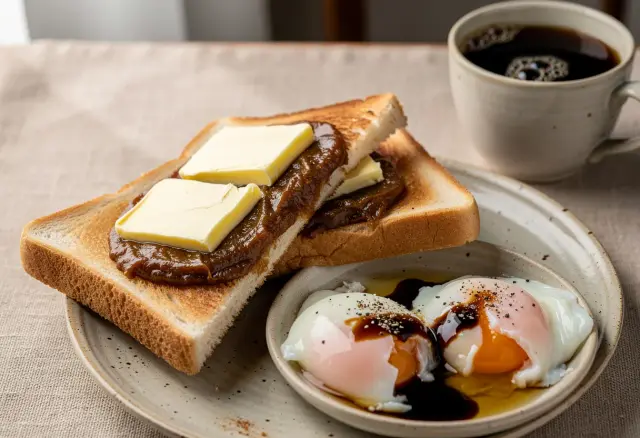
Kaya ToastToasted bread spread with coconut-egg kaya jam and butter, with soft-cooked eggs and kopi.
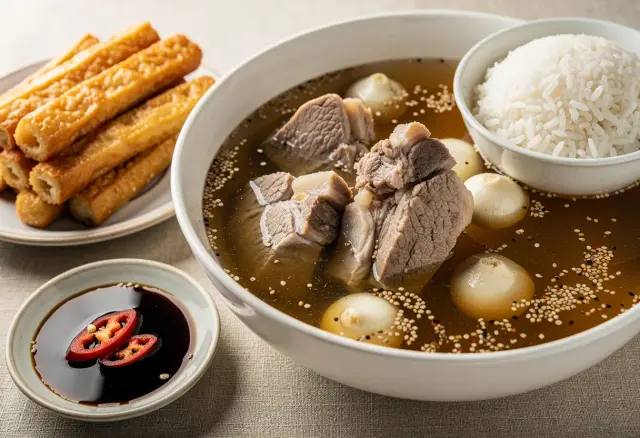
Bak Kut TehPork ribs simmered in a peppery, garlicky broth, Singapore's restorative bowl eaten with rice and dough fritters.
Browse all Singapore recipes →
Good to know
You’ll need: Wok, Skillet or frying pan, Steamer, Mould or tin, Whisk.
Storing it: Fried food is best eaten fresh while crisp. Re-crisp leftovers in a hot oven or air fryer; the microwave makes them soft.
Make it a Singapore meal
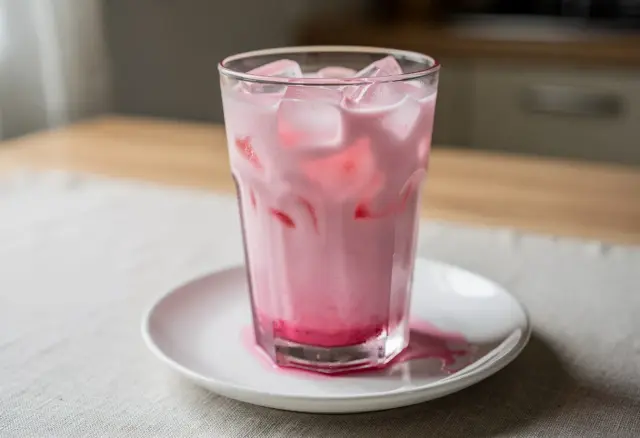
BandungDrink
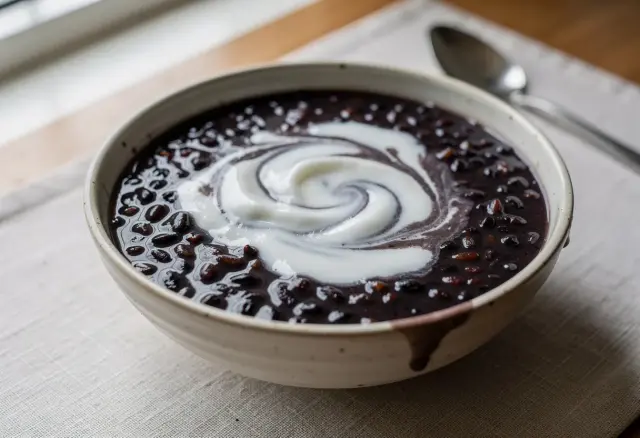
Pulut HitamDessert
Similar dishes from around the world
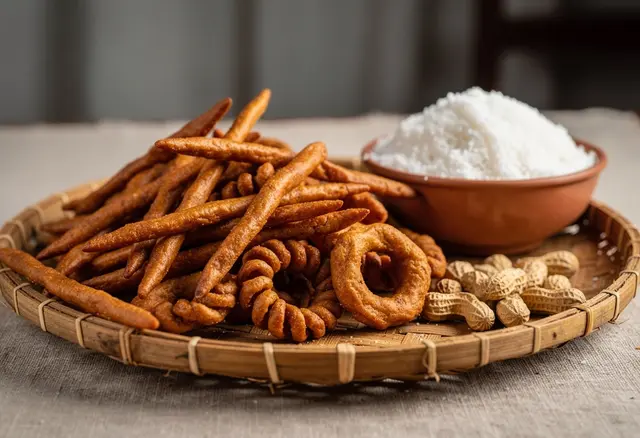
Klui-Klui (Beninese Peanut Sticks)Benin

Baya Kyaw (Burmese Split Pea Fritters)Myanmar
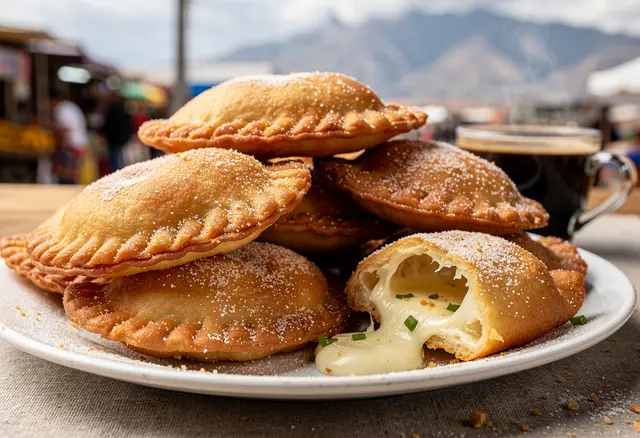
Empanadas de Viento (Ecuadorian Fried Cheese Empanadas)Ecuador
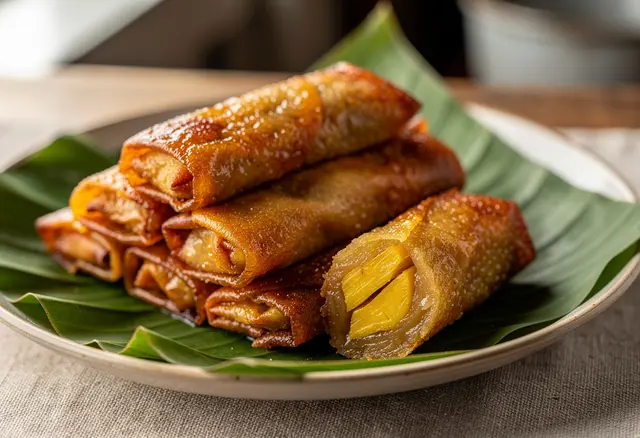
Turon (Filipino Caramelised Banana Rolls)Philippines
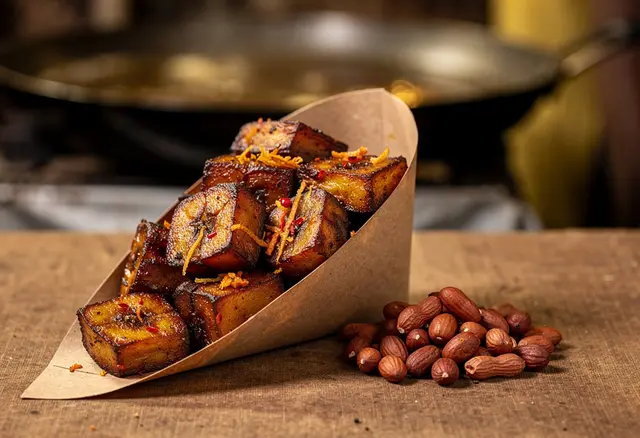
Kelewele (Ghanaian Spiced Fried Plantain)Ghana
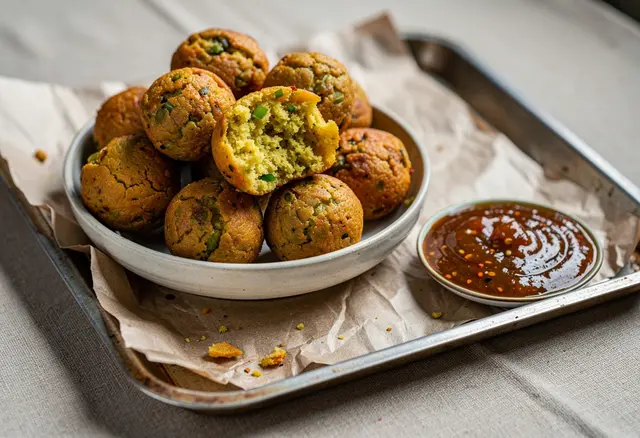
Pholourie (Guyanese Split Pea Fritters)Guyana
Cuisine
Diet
Frequently asked questions
What is Chai Tow Kway (Singapore Fried Carrot Cake)?
Cubes of homemade steamed radish cake fried until crisp, then tossed with garlic, preserved radish and egg; white with fish sauce, or black with sweet dark soy sauce.
Where does Chai Tow Kway (Singapore Fried Carrot Cake) come from?
Chai Tow Kway (Singapore Fried Carrot Cake) is a Singaporean dish from Singapore, Singapore.
Can Chai Tow Kway (Singapore Fried Carrot Cake) be made vegan, gluten-free, or dairy-free?
This Chai Tow Kway (Singapore Fried Carrot Cake) recipe includes substitution suggestions for vegetarian, vegan, gluten-free, dairy-free, nut-free, egg-free, and pork-free versions. Treat the substitutions as a starting guide rather than a guarantee, and see the allergen note below.
Is Chai Tow Kway (Singapore Fried Carrot Cake) safe for people with food allergies?
Our dietary labels and substitutions are a cooking guide, not medical or allergen-safety advice. We track dairy, egg, gluten, tree nuts and peanuts (we still count coconut as a tree nut to be cautious, although the FDA stopped listing it as one in 2025), fish, and shellfish, but we do not screen for sesame, soy, mustard, celery, or sulphites. If you have a food allergy, always read the label on every product you use, and remember a home or commercial kitchen can cross-contaminate ingredients in ways a recipe cannot control.
How long does Chai Tow Kway (Singapore Fried Carrot Cake) take to make?
About 7 h 40 min in all: 25 minutes prep and 75 minutes cooking, plus 6 h of hands-off waiting the method needs, serving 4.
Get the Sunday Spin
One dish from somewhere in the world, in your inbox every Sunday. No spam, just dinner inspiration you can cook that day.