Asia → Philippines → Central Luzon

🍢 SNACK
Turon (Filipino Caramelised Banana Rolls)
Halved saba bananas and strips of ripe jackfruit rolled in brown sugar and lumpia wrappers, then fried in oil with more sugar that melts into a crackly caramel shell.
Filipino · easy · serves 6
prep 15 min · cook 20 min
~777 cal · 14g protein · 146g carbs · 16g fat · 7g fiber · 71g sugars · 2g sat fat (estimated, per serving)
↓ Jump to Recipe
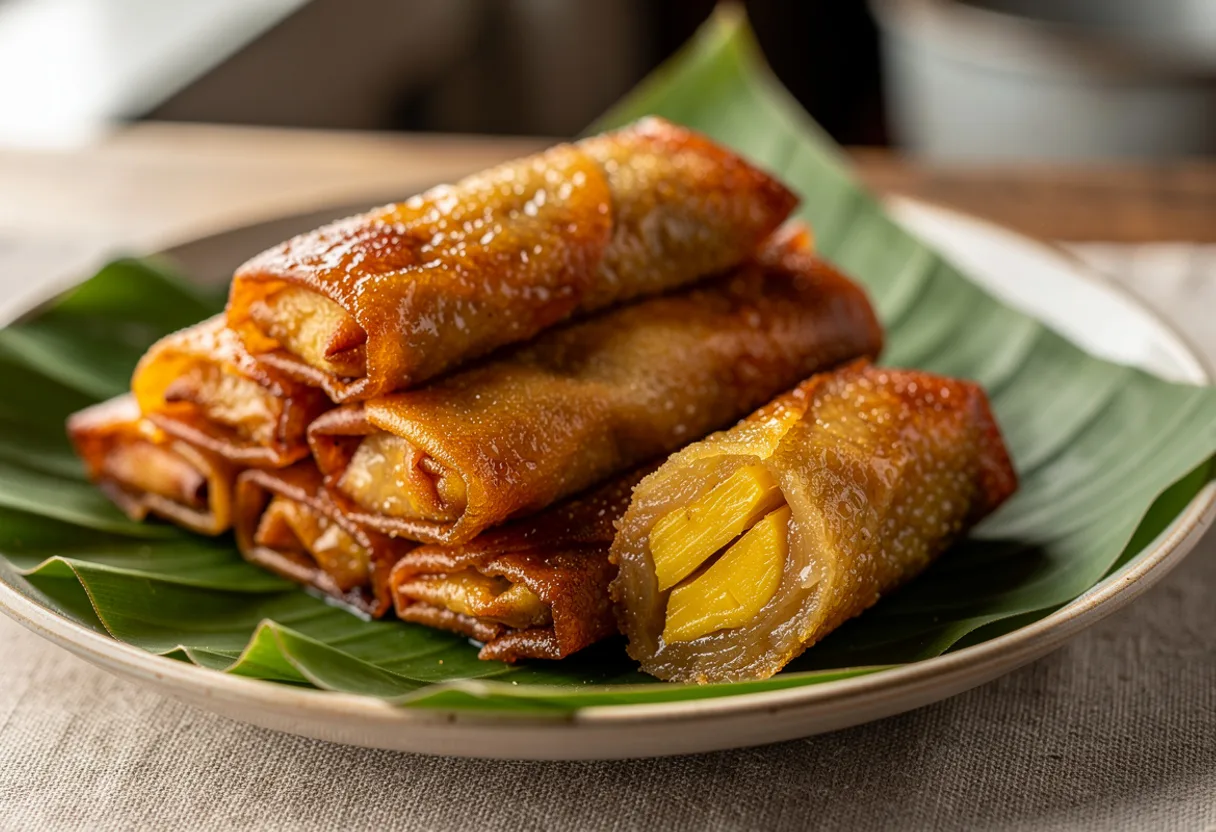
AI-generated illustration
Turon is one of the great merienda snacks of the Philippines, the mid-afternoon bite between meals. It is sold hot from street carts and stalls, usually next to banana cue and camote cue, bananas and sweet potatoes fried and glazed in caramelised sugar on skewers.
The banana is saba, the short, firm cooking banana of the islands, which holds its shape in hot oil. Each one is halved, rolled in brown sugar, laid on a lumpia wrapper with a few strips of ripe for perfume, and rolled up like a spring roll.
The trick is in the frying. Sugar is scattered into the hot oil, where it melts and caramelises, and as the rolls fry it clings to them in a thin, glassy, amber coat. The result is crunchy outside and soft and sweet within. In Malabon, in Metro Manila, the name turon is kept for rolls filled with mung beans, and the banana version is sold as valencia.
Saved recipes and passport stamps are kept on this device. Sign in to keep them across your devices and leave reviews.
Make it yours
✓ Naturally vegetarian, vegan and dairy-, nut-, egg- and pork-free. No swaps needed.
Toggle a diet and the ingredients rewrite themselves with regional substitutes.
🥕 Vegetarian
🌱 Vegan
🌾 Gluten-Free
🥛 Dairy-Free
🥜 Nut-Free
🥚 Egg-Free
🐖 Pork-Free
Dietary labels are a cooking guide, not allergen-safety advice. We track dairy, egg, gluten, tree nuts and peanuts (we count coconut as a tree nut, following FDA labeling), fish, and shellfish; we do not screen for sesame, soy, mustard, celery, or sulphites. If you have a food allergy, read the label on every product you use, and note that a kitchen can cross-contaminate in ways a recipe cannot control.
Ingredients
US
Metric
Serves 6
- 6 saba bananas, peeled and halved lengthwiseHard to find? 3 firm, just-ripe plantains, cut to 12 cm lengths - larger and a little starchier; cut them to fit the wrappers
- 1 cup ripe , cut into thin strips
- 1 1/2 cups (300 g) brown sugar, divided
- 12 lumpia (spring roll) wrappers
- 2 tbsp water, for sealing
- 2 cups (480 ml) , for frying
Instructions
- 1Keep the wrappers covered with a damp cloth so they do not dry out. Put 1 cup of the brown sugar on a plate and roll each banana half in it until coated.
- 2Lay a banana half across the bottom of a wrapper and put a strip or two of jackfruit beside it. Fold in the sides, roll it up tightly away from you and seal the edge with a dab of water. Repeat with the rest.
- 3Heat the oil in a wide pan over medium heat. Scatter in the remaining 1/2 cup brown sugar and wait until it melts and starts to float and bubble.
- 4Fry the rolls in batches for 3 to 5 minutes per side, turning them so the melted sugar coats them, until the wrappers are golden and glazed with caramel.✎ Chef’s noteKeep the heat steady at medium. Too hot and the sugar burns before the banana inside softens.
- 5Lift them out and let them drain and cool for 5 minutes on a rack, so the caramel sets crisp instead of sticking to paper. Eat warm.✎ Chef’s noteThe caramel and banana are extremely hot straight from the pan.
Filipino merienda and street-food tradition.
Ratings & reviews
Cooked it? Rate this dish:
No account needed. Sign in to leave a full review with a comment.
Cooked it?
Kept on this device, no account needed. Sign in to leave a review and keep your passport across your devices.
No reviews yet, be the first to cook it.
🌏 While it simmers, know your destination
📍
Central Luzon. Adobo is not from here or from anywhere in particular. The vinegar-and-salt method is pre-Hispanic and archipelago-wide, recorded in a 1613 Tagalog dictionary as adobo de los naturales, the natives' adobo, and the Spanish simply gave the technique a Spanish name. Paksiw, kinilaw and the Visayan cured fish belong to the same family.
🗺️
Philippines. Adobo is a method, not a region and not a Spanish import. The vinegar-and-salt way of cooking meat is pre-Hispanic and found across the archipelago; Spanish friars simply wrote it down, and a Tagalog dictionary of 1613 records it as adobo de los naturales, the natives' adobo. The souring agent in sinigang shifts too, from tamarind to kamias, guava or calamansi.
🌍
Asia. Asia is the world's largest and most populous continent, and its food spans the delicate seasonality of Japanese washoku, the chili-fired curries of India and Thailand, and the wheat-and-lamb traditions of Central Asia. Rice, noodles, soy, and fermentation recur across its regions, while ancient spice routes and religious traditions shaped distinct grammars of flavor. Whether from a street-cart wok or a monastery kitchen, eating is deeply communal and ritual-rich.
The story behind this dish is up top, worth a read while the pot works.
More from Philippines
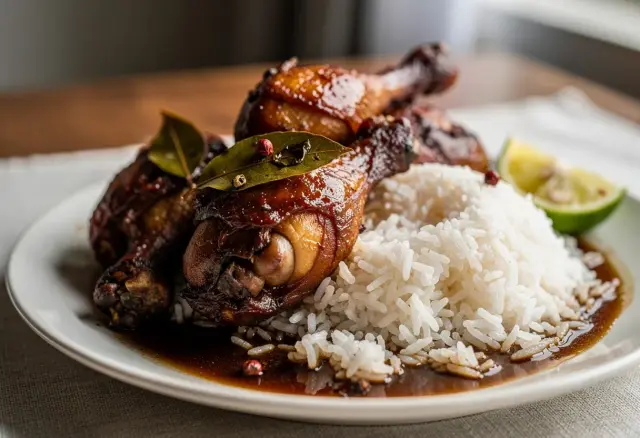
Chicken AdoboChicken braised glossy in vinegar, soy, garlic, and black pepper, the Philippines’ definitive dish.

ChamporadoA sweet Filipino chocolate rice porridge, traditionally eaten with salty dried fish on the side.

Sinigang na BaboyThe Philippines’ beloved sour soup: pork simmered tender in a clear tamarind broth, unapologetically tart, loaded with vegetables added in stages.
Browse all Philippines recipes →
Good to know
Storing it: Fried food is best eaten fresh while crisp. Re-crisp leftovers in a hot oven or air fryer; the microwave makes them soft.
Make it a Philippines meal
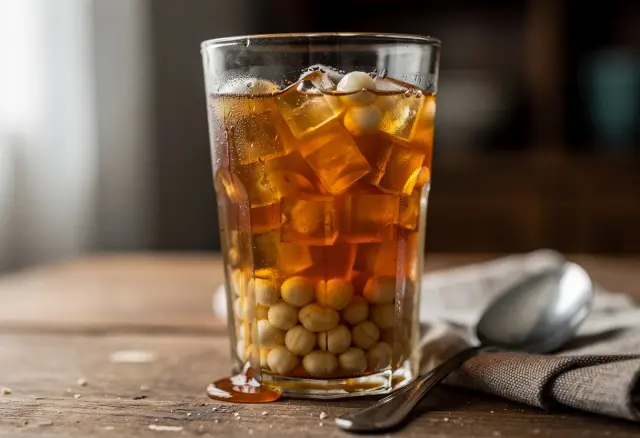
Sago't GulamanDrink

Leche FlanDessert
Similar dishes from around the world
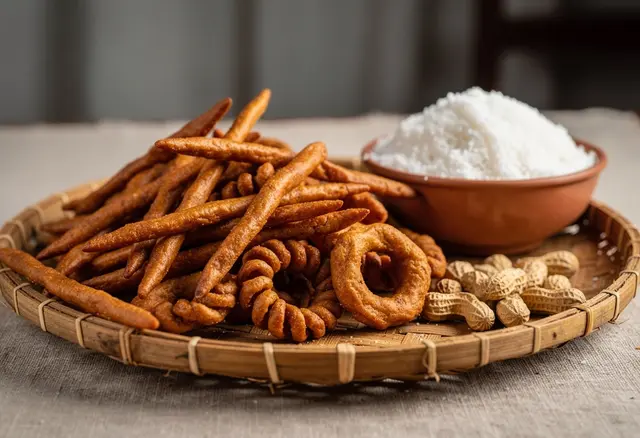
Klui-Klui (Beninese Peanut Sticks)Benin

Baya Kyaw (Burmese Split Pea Fritters)Myanmar

Accra Banana (Cameroonian Banana and Cassava Fritters)Cameroon
Empanadas de Viento (Ecuadorian Fried Cheese Empanadas)Ecuador
Kelewele (Ghanaian Spiced Fried Plantain)Ghana
Pholourie (Guyanese Split Pea Fritters)Guyana
Cuisine
Diet
Frequently asked questions
What is Turon (Filipino Caramelised Banana Rolls)?
Halved saba bananas and strips of ripe jackfruit rolled in brown sugar and lumpia wrappers, then fried in oil with more sugar that melts into a crackly caramel shell.
Where does Turon (Filipino Caramelised Banana Rolls) come from?
Turon (Filipino Caramelised Banana Rolls) is a Filipino dish from Central Luzon, Philippines.
Can Turon (Filipino Caramelised Banana Rolls) be made vegan, gluten-free, or dairy-free?
This Turon (Filipino Caramelised Banana Rolls) recipe includes substitution suggestions for vegetarian, vegan, gluten-free, dairy-free, nut-free, egg-free, and pork-free versions. Treat the substitutions as a starting guide rather than a guarantee, and see the allergen note below.
Is Turon (Filipino Caramelised Banana Rolls) safe for people with food allergies?
Our dietary labels and substitutions are a cooking guide, not medical or allergen-safety advice. We track dairy, egg, gluten, tree nuts and peanuts (we still count coconut as a tree nut to be cautious, although the FDA stopped listing it as one in 2025), fish, and shellfish, but we do not screen for sesame, soy, mustard, celery, or sulphites. If you have a food allergy, always read the label on every product you use, and remember a home or commercial kitchen can cross-contaminate ingredients in ways a recipe cannot control.
How long does Turon (Filipino Caramelised Banana Rolls) take to make?
About 35 minutes total (15 minutes prep, 20 minutes cooking), serving 6.
Get the Sunday Spin
One dish from somewhere in the world, in your inbox every Sunday. No spam, just dinner inspiration you can cook that day.