
🥤 DRINK
Šumadijski Čaj (Serbian Hot Rakija)
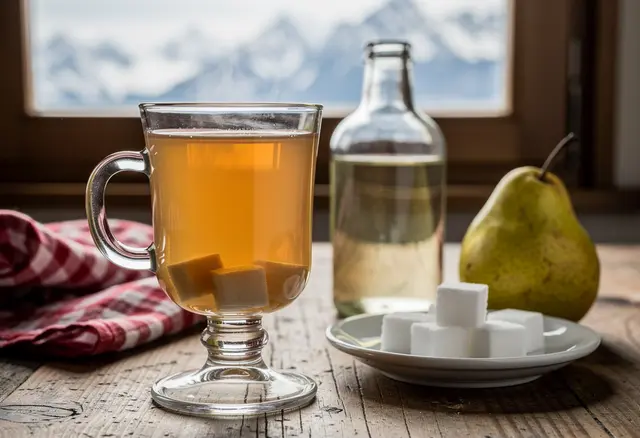
Plum rakija heated with caramelised sugar and water into a sweet, amber winter warmer, served piping hot in small thick glasses.
Serbian · easy · serves 6
prep 5 min · cook 10 min
~234 cal · 0g protein · 13g carbs · 0g fat · 0g fiber · 13g sugars · 0g sat fat (estimated, per serving)
↓ Jump to Recipe
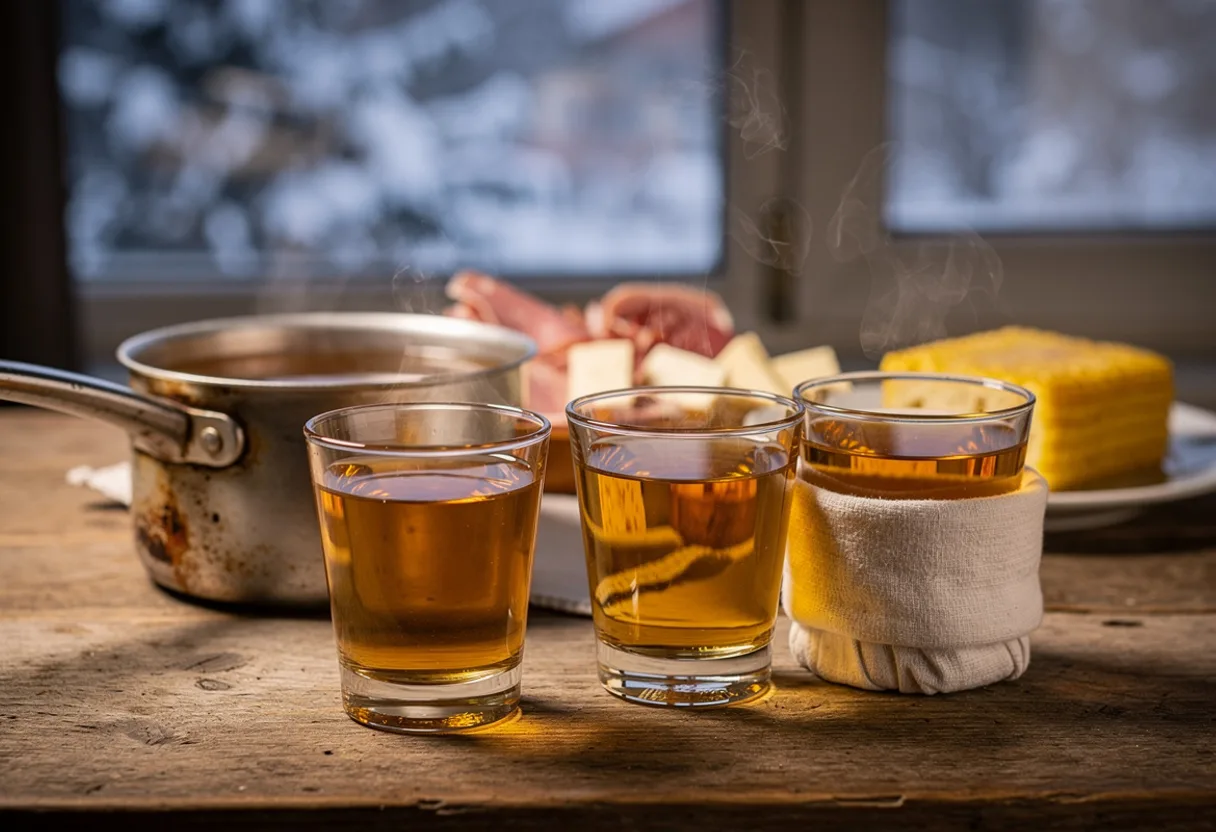
AI-generated illustration
Šumadijski čaj, "Šumadija tea", contains no tea at all. It is the jokey name for kuvana rakija, cooked rakija, the hot winter drink of Šumadija, the rolling plum-orchard country at the heart of Serbia. Its plums become šljivovica, plum rakija, and on cold evenings some of it goes into the pot.
The method is short but has one firm rule. Sugar is melted in a pot until it turns a light caramel colour, and water, never rakija, is poured onto it; only when the caramel has dissolved does the rakija go in, heated until it is just about to boil. The caramel gives the drink its colour and a faint bitterness, and the water takes the edge off the spirit so it can be sipped hot. Some cooks stir in a spoonful of honey at the end.
It belongs to winter holidays, Christmas Eve and long evenings with family, when it is carried to the table in small thick glasses wrapped in a napkin and drunk slowly alongside pršut, kulen, cheese and warm proja. Older Serbians will tell you with a straight face that there is no cold it cannot cure.
Saved recipes and passport stamps are kept on this device. Sign in to keep them across your devices and leave reviews.
Make it yours
✓ Naturally vegetarian, vegan and gluten-, dairy-, egg-, nut- and pork-free. No swaps needed.
Toggle a diet and the ingredients rewrite themselves with regional substitutes.
🥕 Vegetarian
🌱 Vegan
🌾 Gluten-Free
🥛 Dairy-Free
🥜 Nut-Free
🥚 Egg-Free
🐖 Pork-Free
Dietary labels are a cooking guide, not allergen-safety advice. We track dairy, egg, gluten, tree nuts and peanuts (we count coconut as a tree nut, following FDA labeling), fish, and shellfish; we do not screen for sesame, soy, mustard, celery, or sulphites. If you have a food allergy, read the label on every product you use, and note that a kitchen can cross-contaminate in ways a recipe cannot control.
Ingredients
US
Metric
Serves 6
- 80 g (about 6 tbsp) sugar
- 250 ml water
- 500 ml plum rakija (šljivovica), a soft, lower-strength rakija is traditional; if yours is strong, use a little more water
Instructions
- 1Put the sugar in a small heavy pot over medium-low heat and let it melt, swirling the pot now and then, until it turns a light golden caramel. This takes about 5 minutes.✎ Chef’s noteStop at light amber. Dark caramel turns the drink bitter.
- 2Take the pot off the heat and carefully pour in the water, never the rakija. It will spit and seize; stir until the caramel has fully dissolved, warming it gently again if it needs help.✎ Chef’s noteRakija poured onto hot caramel can catch fire. Water goes first, every time.
- 3Add the rakija and heat gently for 2 to 3 minutes, just until the first bubbles appear, then take it off the heat.✎ Chef’s noteIt is ready the moment it reaches the boil. Boiling it on only drives off the aroma.
- 4Pour straight into small, thick glasses or a warmed thermos and drink slowly while hot, with pršut, cheese or proja alongside.✎ Chef’s noteMake only what you will drink; it is not reheated. A spoonful of honey stirred in at the end is a common extra.
Šumadija home tradition.
Ratings & reviews
Cooked it? Rate this dish:
No account needed. Sign in to leave a full review with a comment.
Cooked it?
Kept on this device, no account needed. Sign in to leave a review and keep your passport across your devices.
No reviews yet, be the first to cook it.
🌏 While it simmers, know your destination
📍
Šumadija (Belgrade). Sarma is not Serbian in origin. The name is the Turkish word for wrapping, the dish came in with the Ottomans, and Bosnia, Croatia, Slovenia, Hungary and Romania all make their own. What is local is the leaf: whole cabbage heads soured in barrels through the autumn rather than blanched fresh.
🗺️
Serbia. The slava, a family's annual feast for its patron saint, was inscribed by UNESCO in 2014, and it is the frame most Serbian celebration food sits inside: bread broken and turned by the household, wheat boiled with walnut and sugar, and a table laid whether or not visitors were invited. Sarma is Ottoman in origin, from the verb meaning to wrap, and it is shared across the Balkans rather than owned here.
🌍
Europe. European cooking is built on the land and the seasons, wheat, butter, and cured pork in the north; olive oil, tomatoes, and seafood around the Mediterranean; preserved vegetables and hearty stews through long winters. Centuries of peasant tradition, guild craft, and royal courts refined techniques from French mother sauces to Italian fresh pasta and Central European baking. Regional identity runs remarkably deep, with a single dish often changing from one valley to the next.
The story behind this dish is up top, worth a read while the pot works.
More from Serbia
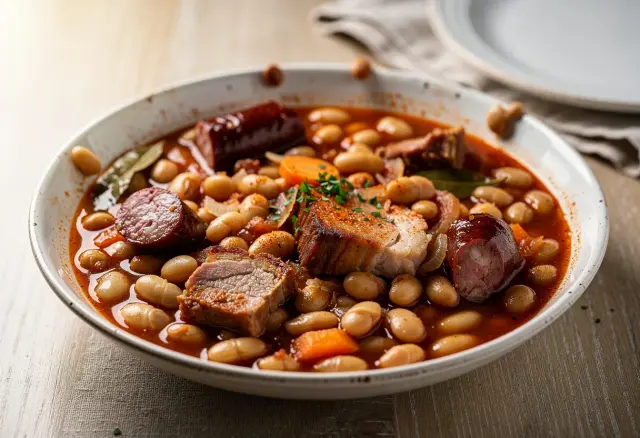
Pasulj (Serbian Bean Stew)Slow-cooked white beans with smoked pork, onion and paprika, finished with a fried-onion and paprika roux (zaprska) that gives the stew its deep colour and flavour.
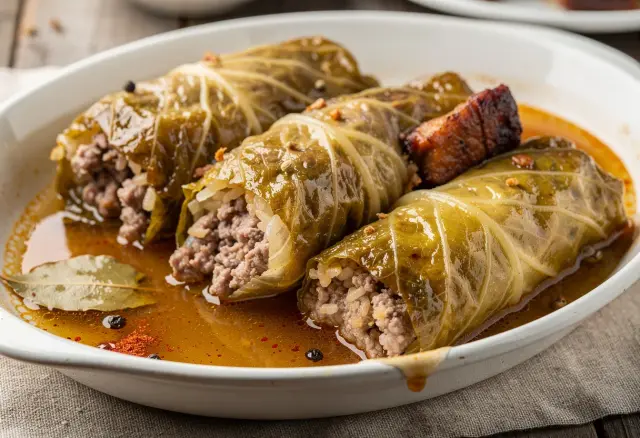
Sarma (Sour Cabbage Rolls)Sour-cabbage leaves rolled around spiced meat and rice, braised low over smoked ribs, the dish that anchors every Serbian slava.
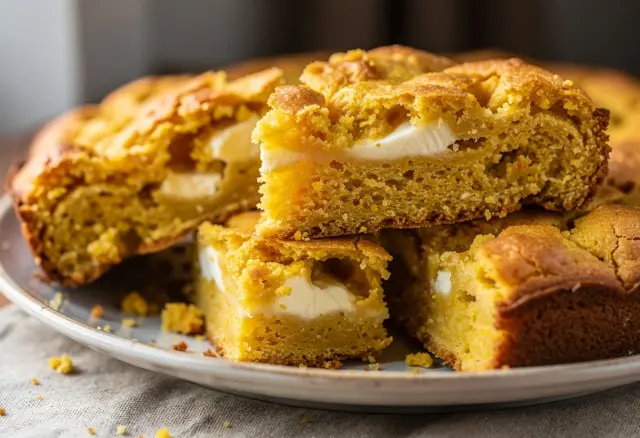
ProjaA crumbly Serbian cornbread studded with white cheese, baked until golden and eaten with kajmak.
Browse all Serbia recipes →
Good to know
You’ll need: Pot or saucepan.
Storing it: Keep chilled and covered, and enjoy within 2 to 3 days.
Make it a Serbia meal
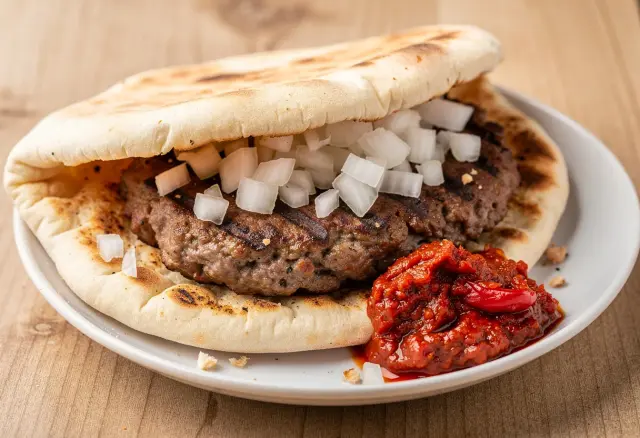
PljeskavicaDinner

VaniliceDessert
Similar dishes from around the world
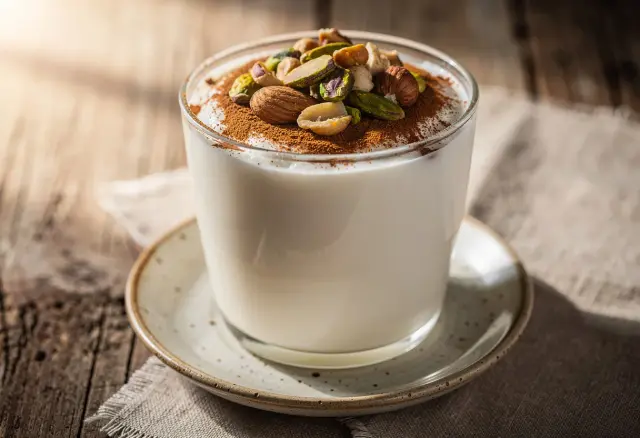
SahlabEgypt

Heitt Súkkulaði (Icelandic Hot Chocolate)Iceland

Karstais Balzams (Hot Black Balsam with Blackcurrant)Latvia
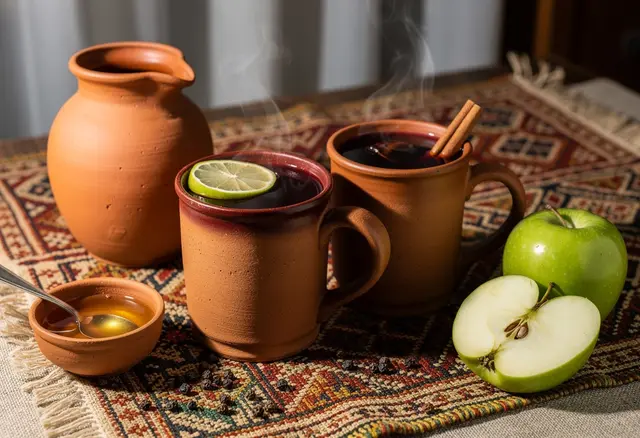
Izvar (Moldovan Hot Wine with Honey and Black Pepper)Moldova
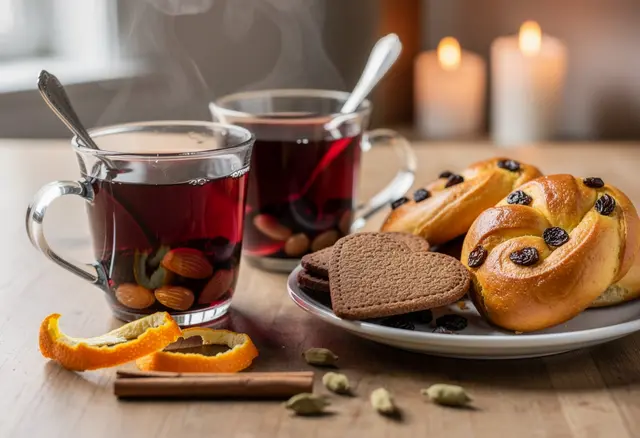
Glögg (Swedish Mulled Wine)Sweden
Kafi Fertig (Swiss Schnapps Coffee)Switzerland
Drinks
Frequently asked questions
What is Šumadijski Čaj (Serbian Hot Rakija)?
Plum rakija heated with caramelised sugar and water into a sweet, amber winter warmer, served piping hot in small thick glasses.
Where does Šumadijski Čaj (Serbian Hot Rakija) come from?
Šumadijski Čaj (Serbian Hot Rakija) is a Serbian dish from Šumadija (Belgrade), Serbia.
Can Šumadijski Čaj (Serbian Hot Rakija) be made vegan, gluten-free, or dairy-free?
This Šumadijski Čaj (Serbian Hot Rakija) recipe includes substitution suggestions for vegetarian, vegan, gluten-free, dairy-free, nut-free, egg-free, and pork-free versions. Treat the substitutions as a starting guide rather than a guarantee, and see the allergen note below.
Is Šumadijski Čaj (Serbian Hot Rakija) safe for people with food allergies?
Our dietary labels and substitutions are a cooking guide, not medical or allergen-safety advice. We track dairy, egg, gluten, tree nuts and peanuts (we still count coconut as a tree nut to be cautious, although the FDA stopped listing it as one in 2025), fish, and shellfish, but we do not screen for sesame, soy, mustard, celery, or sulphites. If you have a food allergy, always read the label on every product you use, and remember a home or commercial kitchen can cross-contaminate ingredients in ways a recipe cannot control.
How long does Šumadijski Čaj (Serbian Hot Rakija) take to make?
About 15 minutes total (5 minutes prep, 10 minutes cooking), serving 6.
Get the Sunday Spin
One dish from somewhere in the world, in your inbox every Sunday. No spam, just dinner inspiration you can cook that day.