
🥤 DRINK
Sahlab
A warm, thick, milky winter drink scented with cinnamon and topped with nuts and coconut.
Egyptian · easy · serves 4
prep 5 min · cook 15 min
~253 cal · 8g protein · 32g carbs · 10g fat · 1g fiber · 26g sugars · 6g sat fat (estimated, per serving)
↓ Jump to Recipe
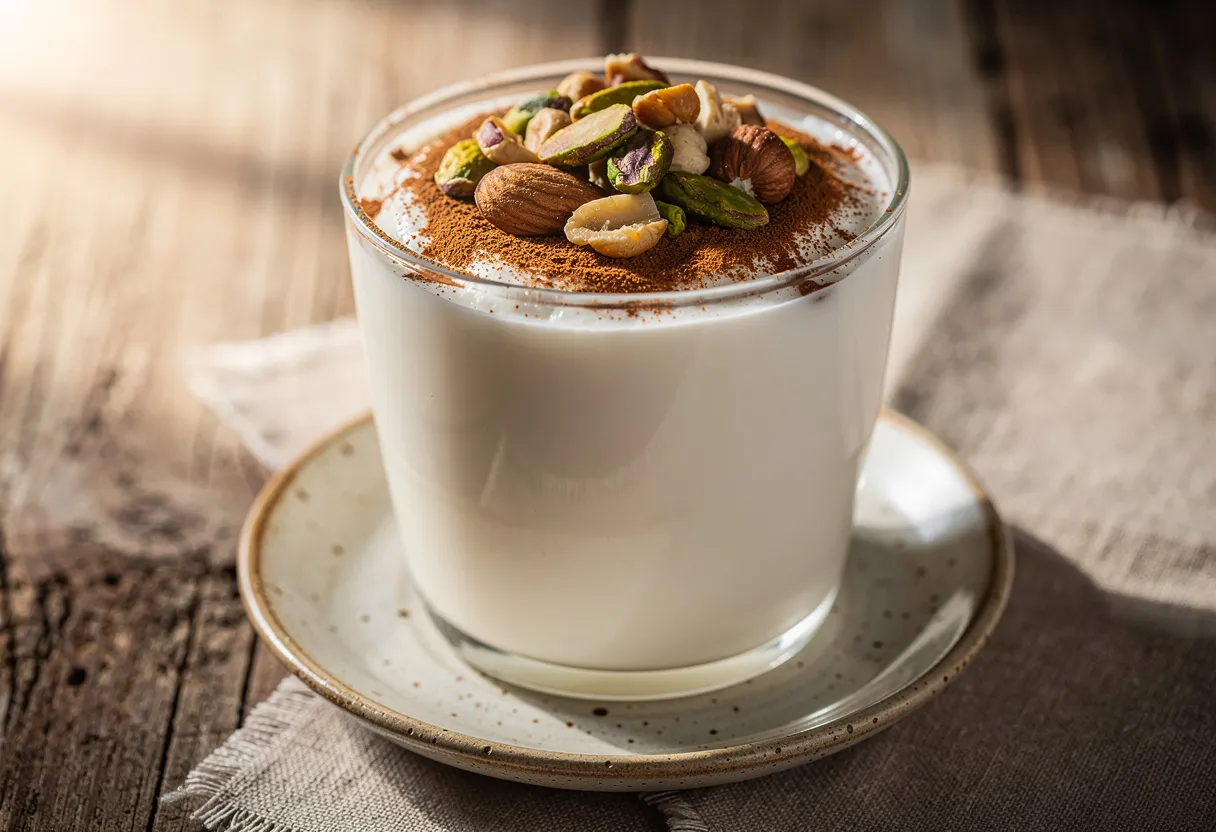
AI-generated illustration
Sahlab is a warm, thick, milky winter drink of Egypt and the Levant, traditionally thickened with the ground tuber of wild orchids that gives it its name and its silky body. Scented with cinnamon or orange-blossom water and topped with chopped nuts, coconut, and raisins, it is served steaming to ward off the winter chill.
Because true orchid powder became rare and costly, most modern sahlab is thickened with cornstarch, but the comforting result is the same, a creamy, warming cup somewhere between a drink and a light pudding. Street vendors in Cairo ladle it out on cold evenings.
Sahlab is cold-weather comfort in a glass, a treat associated with winter nights and the flavors of the season. Its toppings make each cup a small indulgence, and its warmth and sweetness make it a cherished ritual when the temperature drops.
Saved recipes and passport stamps are kept on this device. Sign in to keep them across your devices and leave reviews.
Make it yours
✓ Naturally vegetarian and gluten-, egg- and pork-free. No swaps needed.
Toggle a diet and the ingredients rewrite themselves with regional substitutes.
🥕 Vegetarian
🌱 Vegan
🌾 Gluten-Free
🥛 Dairy-Free
🥜 Nut-Free
🥚 Egg-Free
🐖 Pork-Free
Dietary labels are a cooking guide, not allergen-safety advice. We track dairy, egg, gluten, tree nuts and peanuts (we count coconut as a tree nut, following FDA labeling), fish, and shellfish; we do not screen for sesame, soy, mustard, celery, or sulphites. If you have a food allergy, read the label on every product you use, and note that a kitchen can cross-contaminate in ways a recipe cannot control.
Ingredients
US
Metric
Serves 4
- 4 cups whole milk
- 3 tbsp cornstarch (or sahlab powder)
- 1/4 cup sugar
- 1 tsp
- to finish ground cinnamon
- 2 tbsp chopped pistachios, to top
- 2 tbsp shredded coconut, to top
Instructions
- 1Whisk the cornstarch into a little cold milk (or plant milk) to make a slurry.
- 2Heat the rest of the milk with the sugar until steaming.
- 3Whisk in the slurry and cook, stirring, until thickened to a pourable cream.
- 4Stir in the rosewater.
- 5Pour into glasses and top with cinnamon, nuts (or seeds), and coconut.
Cairo winter tradition.
Ratings & reviews
Cooked it? Rate this dish:
No account needed. Sign in to leave a full review with a comment.
Cooked it?
Kept on this device, no account needed. Sign in to leave a review and keep your passport across your devices.
No reviews yet, be the first to cook it.
🌏 While it simmers, know your destination
📍
Cairo. Cairo runs on koshari, a carb-loaded street bowl of rice, pasta, lentils, and crispy onions, plus ful medames and taameya (Egyptian falafel). Five thousand years of Nile cooking feed the megacity.
🗺️
Egypt. Egyptian cooking is Nile cooking, which in practice means beans, greens and bread far more often than meat. Ful medames sits over low heat overnight and is eaten at breakfast; molokhia, the jute leaf, is chopped to a fine green slick and stirred into broth; and flatbread comes hot from communal ovens to be torn and used to pinch up everything else.
🌍
Africa. Much of what reads as timeless African cooking is younger than the Atlantic crossings. Maize, cassava, groundnut, chilli and tomato all arrived from the Americas after 1500 and pushed older crops aside; millet, sorghum, teff, yam and fonio are the ones that were already here, and the map still shows the join.
The story behind this dish is up top, worth a read while the pot works.
More from Egypt
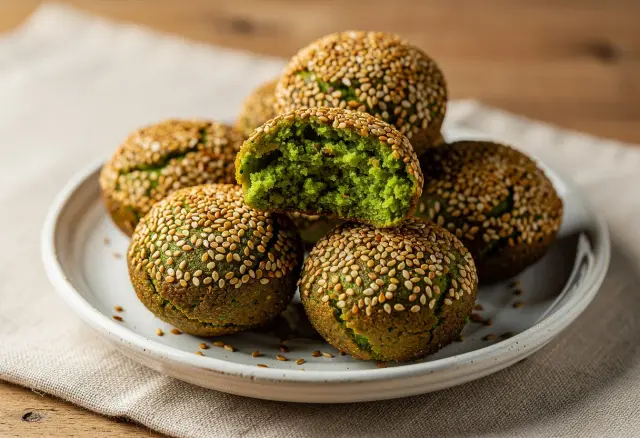
Ta'ameya (Egyptian Falafel)Egypt’s own falafel, made from split fava beans instead of chickpeas, packed with herbs for a vivid green centre and fried to a shattering crisp.
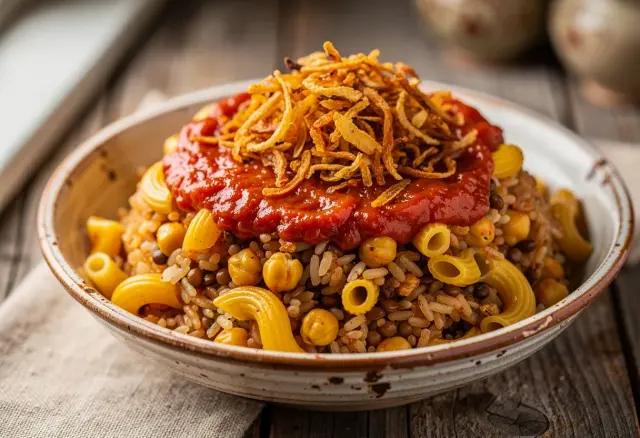
KoshariCairo’s carb-on-carb street food: lentils, rice, and pasta under spiced tomato sauce and crispy onions.
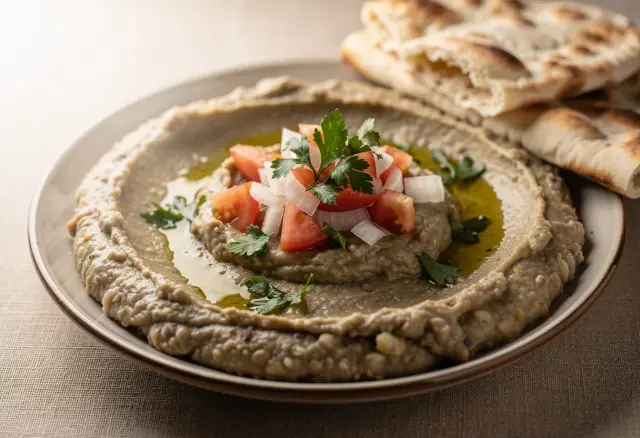
Ful MedamesSlow-cooked fava beans mashed with cumin, lemon, and olive oil, the breakfast that has powered Egypt for millennia.
Browse all Egypt recipes →
Good to know
You’ll need: Whisk.
Storing it: Keep chilled and covered, and enjoy within 2 to 3 days.
Make it an Egypt meal
KoshariDinner
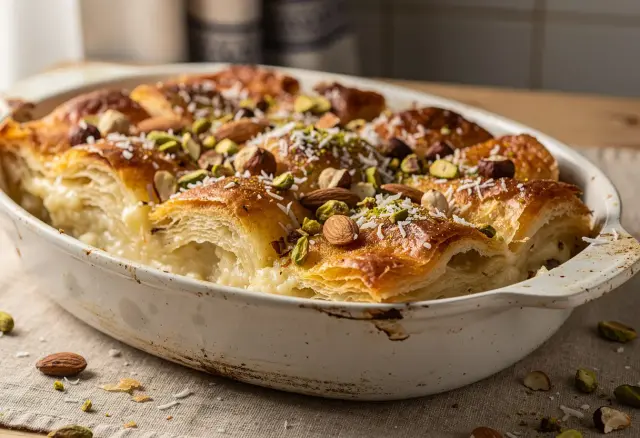
Om AliDessert
Similar dishes from around the world

Heitt Súkkulaði (Icelandic Hot Chocolate)Iceland

Karstais Balzams (Hot Black Balsam with Blackcurrant)Latvia
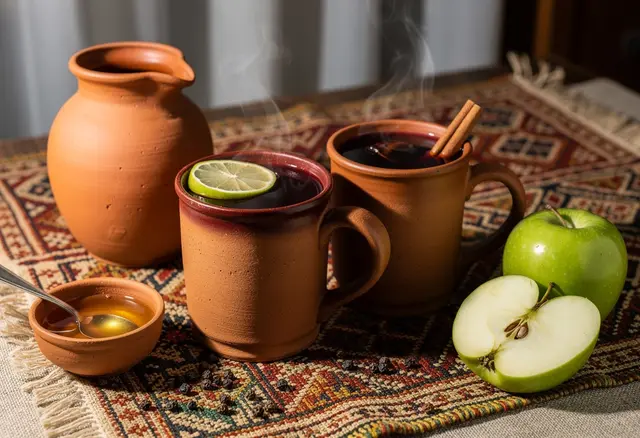
Izvar (Moldovan Hot Wine with Honey and Black Pepper)Moldova

Šumadijski Čaj (Serbian Hot Rakija)Serbia
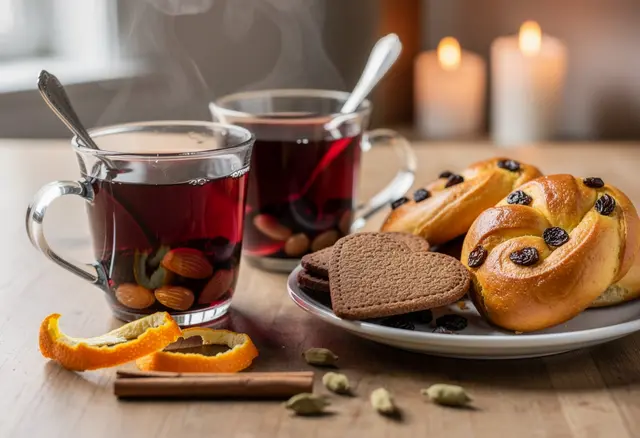
Glögg (Swedish Mulled Wine)Sweden

Kafi Fertig (Swiss Schnapps Coffee)Switzerland
Drinks
Frequently asked questions
What is Sahlab?
A warm, thick, milky winter drink scented with cinnamon and topped with nuts and coconut.
Where does Sahlab come from?
Sahlab is an Egyptian dish from Cairo, Egypt.
Can Sahlab be made vegan, gluten-free, or dairy-free?
This Sahlab recipe includes substitution suggestions for vegetarian, vegan, gluten-free, dairy-free, nut-free, egg-free, and pork-free versions. Treat the substitutions as a starting guide rather than a guarantee, and see the allergen note below.
Is Sahlab safe for people with food allergies?
Our dietary labels and substitutions are a cooking guide, not medical or allergen-safety advice. We track dairy, egg, gluten, tree nuts and peanuts (we still count coconut as a tree nut to be cautious, although the FDA stopped listing it as one in 2025), fish, and shellfish, but we do not screen for sesame, soy, mustard, celery, or sulphites. If you have a food allergy, always read the label on every product you use, and remember a home or commercial kitchen can cross-contaminate ingredients in ways a recipe cannot control.
How long does Sahlab take to make?
About 20 minutes total (5 minutes prep, 15 minutes cooking), serving 4.
Get the Sunday Spin
One dish from somewhere in the world, in your inbox every Sunday. No spam, just dinner inspiration you can cook that day.