
🥤 DRINK
Glögg (Swedish Mulled Wine)
Red wine gently heated with cardamom, cinnamon, cloves, ginger and orange peel, sweetened and served hot in small cups over raisins and blanched almonds.
Swedish · easy · serves 8
prep 10 min · cook 15 min · plus 30 min hands-off time
~264 cal · 3g protein · 31g carbs · 5g fat · 2g fiber · 24g sugars · 0g sat fat (estimated, per serving)
↓ Jump to Recipe
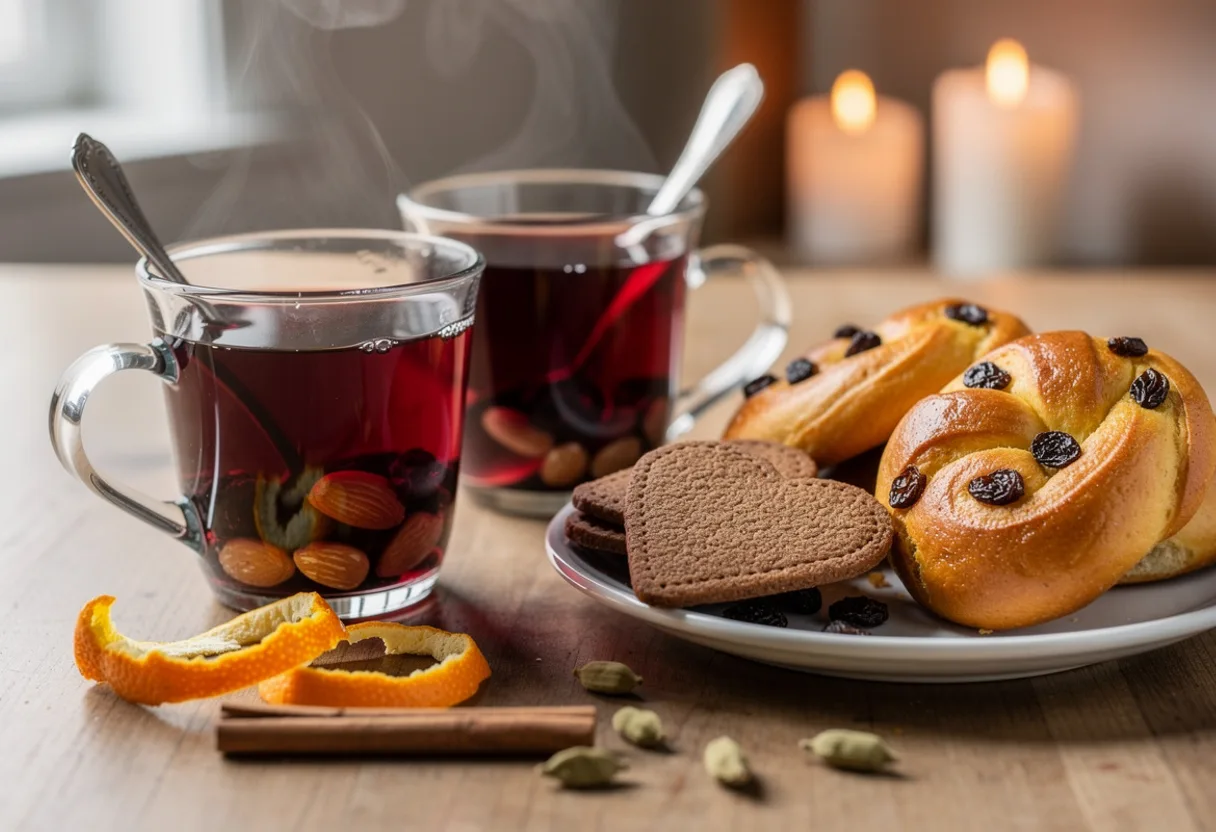
AI-generated illustration
Glögg takes its name from the Swedish verb glödga, to heat or mull, and it is the smell of a Swedish December. Spiced wines were known in Sweden by the 1600s, but it was from the end of the 1800s that glögg became firmly tied to the winter holidays, and today it is poured at glöggfester, the informal glögg parties friends and workplaces hold through Advent.
The spicing is what sets it apart from other mulled wines: , the spice Swedes love in their baking, alongside cinnamon, cloves, fresh ginger and a strip of orange peel, all warmed in red wine with sugar and never allowed to boil. Many households add a splash of vodka or aquavit to make it stronger.
It is served hot in small cups, each with a few raisins and almonds dropped in and a teaspoon to fish them out. On Lucia Day, 13 December, it comes with pepparkakor, the thin ginger biscuits, and lussebullar, and it opens the julbord, the Christmas buffet.
Saved recipes and passport stamps are kept on this device. Sign in to keep them across your devices and leave reviews.
Make it yours
✓ Naturally vegetarian, vegan and gluten-, dairy-, egg- and pork-free. No swaps needed.
Toggle a diet and the ingredients rewrite themselves with regional substitutes.
🥕 Vegetarian
🌱 Vegan
🌾 Gluten-Free
🥛 Dairy-Free
🥜 Nut-Free
🥚 Egg-Free
🐖 Pork-Free
Dietary labels are a cooking guide, not allergen-safety advice. We track dairy, egg, gluten, tree nuts and peanuts (we count coconut as a tree nut, following FDA labeling), fish, and shellfish; we do not screen for sesame, soy, mustard, celery, or sulphites. If you have a food allergy, read the label on every product you use, and note that a kitchen can cross-contaminate in ways a recipe cannot control.
Ingredients
US
Metric
Serves 8
- 1 bottle dry, full-bodied red wine, an inexpensive one is fine
- 1/2 cup sugar, up to 3/4 cup for a sweeter, more traditional glögg
- 2 inches fresh ginger, thinly sliced
- 2 cinnamon sticks
- 10 whole cloves
- 10 green pods, lightly crushed
- 1 orange orange peel, in wide strips
- 1/2 cup vodka or aquavit (optional)
- 1/2 cup raisins, to serve
- 1/2 cup almonds, to serve
Instructions
- 1Put the wine, sugar, ginger, cinnamon, cloves, crushed cardamom and orange peel in a saucepan.
- 2Warm over a low heat, stirring until the sugar dissolves, until the wine is steaming hot, about 10 minutes. Do not let it boil.✎ Chef’s noteAround 70C is right. Boiling drives off the alcohol and turns the spices harsh.
- 3Take the pan off the heat, cover it and leave the spices to steep for at least 30 minutes. A few hours gives a deeper flavour.
- 4Strain out the spices, return the glögg to the pan with the vodka or aquavit if using, and reheat gently, again without boiling.✎ Chef’s noteStrained, it keeps in bottles in the fridge for a couple of weeks. Leaving the spices in makes it bitter.
- 5Put a few raisins and almonds in each small cup, pour the hot glögg over and serve with teaspoons, with pepparkakor on the side.
Swedish Advent and Christmas tradition.
Ratings & reviews
Cooked it? Rate this dish:
No account needed. Sign in to leave a full review with a comment.
Cooked it?
Kept on this device, no account needed. Sign in to leave a review and keep your passport across your devices.
No reviews yet, be the first to cook it.
🌏 While it simmers, know your destination
📍
Skåne. Two Scanian set pieces. Aggakaka is a thick baked egg cake eaten with fried pork and lingonberry, and spettekaka is a hollow cone built up by trickling egg and sugar batter onto a spit turning over a fire; it came north from Denmark and is mentioned in writing as early as 1642.
🗺️
Sweden. Two Swedish rituals are more distinctive than the meatball. The kraftskiva, the August crayfish party, comes with paper hats, schnapps and singing, and is timed to a season that was once legally enforced. Surstromming is fermented Baltic herring, sold in tins that bulge from the pressure inside, and is opened outdoors by anyone with sense.
🌍
Europe. European cooking is built on the land and the seasons, wheat, butter, and cured pork in the north; olive oil, tomatoes, and seafood around the Mediterranean; preserved vegetables and hearty stews through long winters. Centuries of peasant tradition, guild craft, and royal courts refined techniques from French mother sauces to Italian fresh pasta and Central European baking. Regional identity runs remarkably deep, with a single dish often changing from one valley to the next.
The story behind this dish is up top, worth a read while the pot works.
More from Sweden

Köttbullar (Swedish Meatballs)Small allspice-scented meatballs in cream gravy with potatoes and lingonberries, Sweden’s definitive comfort plate.
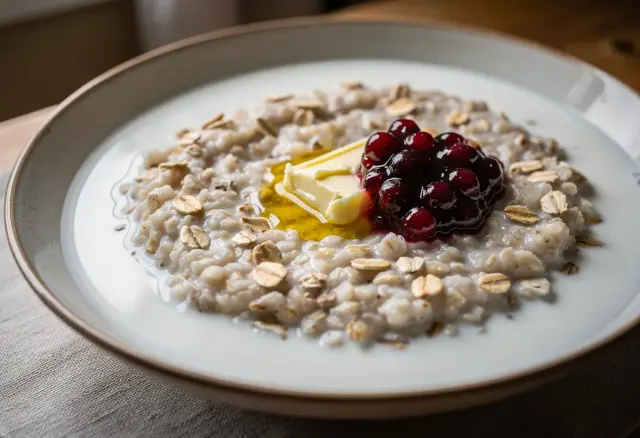
HavregrötWarm oat porridge topped with lingonberry or blueberry and a splash of cold milk.

RäksmörgåsA lavish open sandwich piled high with cold peeled shrimp, egg, and dill mayonnaise, a Swedish lunch indulgence.
Browse all Sweden recipes →
Good to know
You’ll need: Pot or saucepan.
Storing it: Keep chilled and covered, and enjoy within 2 to 3 days.
Make it a Sweden meal
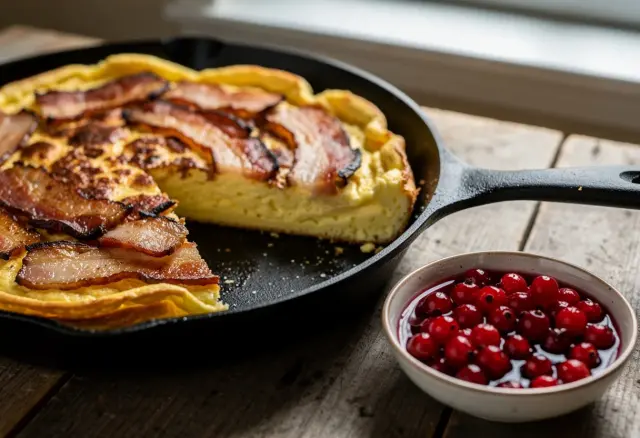
Skånsk Äggakaka (Scanian Egg Cake with Fried Pork)Dinner
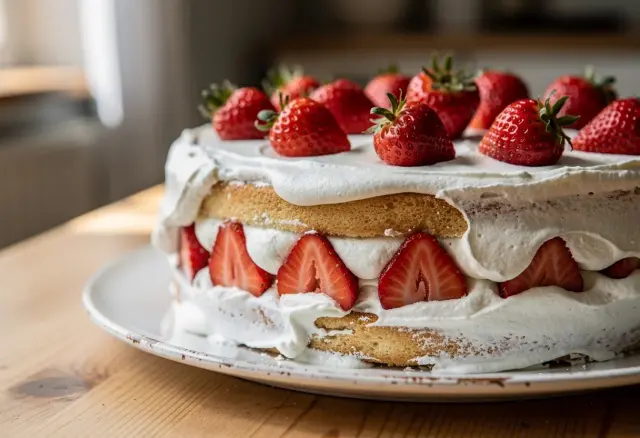
Jordgubbstårta (Strawberry Cream Cake)Dessert
Similar dishes from around the world
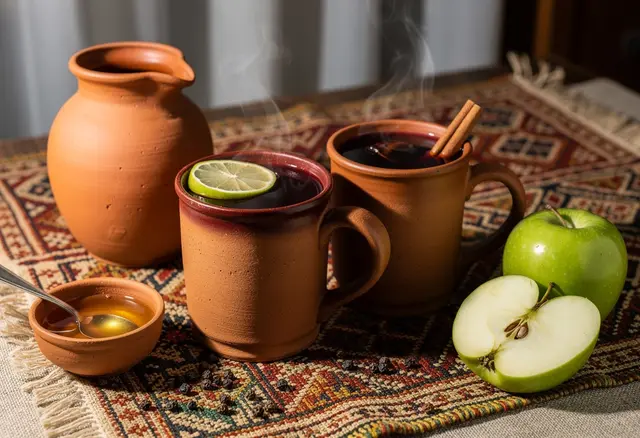
Izvar (Moldovan Hot Wine with Honey and Black Pepper)Moldova

Heitt Súkkulaði (Icelandic Hot Chocolate)Iceland

Karstais Balzams (Hot Black Balsam with Blackcurrant)Latvia

Krupnikas (Lithuanian Honey Spice Liqueur)Lithuania
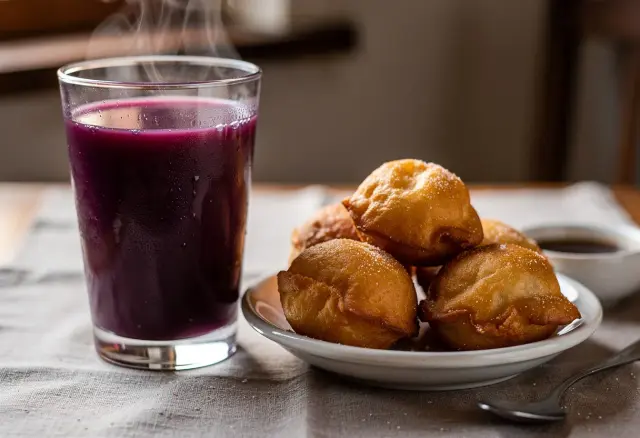
Api MoradoBolivia
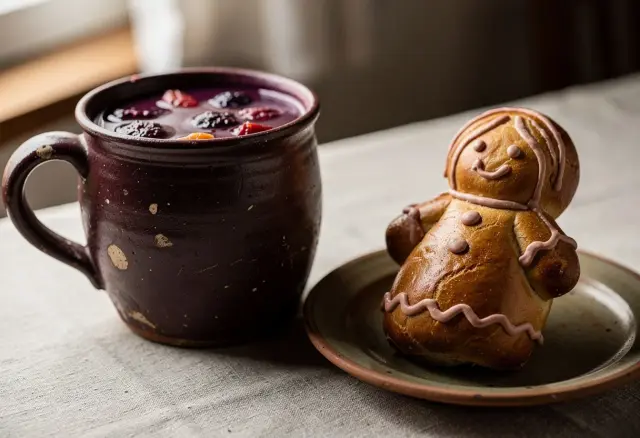
Colada MoradaEcuador
Drinks
Frequently asked questions
What is Glögg (Swedish Mulled Wine)?
Red wine gently heated with cardamom, cinnamon, cloves, ginger and orange peel, sweetened and served hot in small cups over raisins and blanched almonds.
Where does Glögg (Swedish Mulled Wine) come from?
Glögg (Swedish Mulled Wine) is a Swedish dish from Skåne, Sweden.
Can Glögg (Swedish Mulled Wine) be made vegan, gluten-free, or dairy-free?
This Glögg (Swedish Mulled Wine) recipe includes substitution suggestions for vegetarian, vegan, gluten-free, dairy-free, nut-free, egg-free, and pork-free versions. Treat the substitutions as a starting guide rather than a guarantee, and see the allergen note below.
Is Glögg (Swedish Mulled Wine) safe for people with food allergies?
Our dietary labels and substitutions are a cooking guide, not medical or allergen-safety advice. We track dairy, egg, gluten, tree nuts and peanuts (we still count coconut as a tree nut to be cautious, although the FDA stopped listing it as one in 2025), fish, and shellfish, but we do not screen for sesame, soy, mustard, celery, or sulphites. If you have a food allergy, always read the label on every product you use, and remember a home or commercial kitchen can cross-contaminate ingredients in ways a recipe cannot control.
How long does Glögg (Swedish Mulled Wine) take to make?
About 55 min in all: 10 minutes prep and 15 minutes cooking, plus 30 min of hands-off waiting the method needs, serving 8.
Get the Sunday Spin
One dish from somewhere in the world, in your inbox every Sunday. No spam, just dinner inspiration you can cook that day.