
🍢 SNACK
Fatayer bi Sabanekh (Lebanese Spinach Pies)
Small triangles of soft yeasted dough sealed around a tangy filling of spinach, onion, sumac, lemon and olive oil, baked until golden and eaten warm or at room temperature.
Lebanese · medium · serves 8
prep 50 min · cook 22 min · plus 1 h hands-off time
~282 cal · 7g protein · 43g carbs · 9g fat · 3g fiber · 2g sugars · 1g sat fat (estimated, per serving)
↓ Jump to Recipe
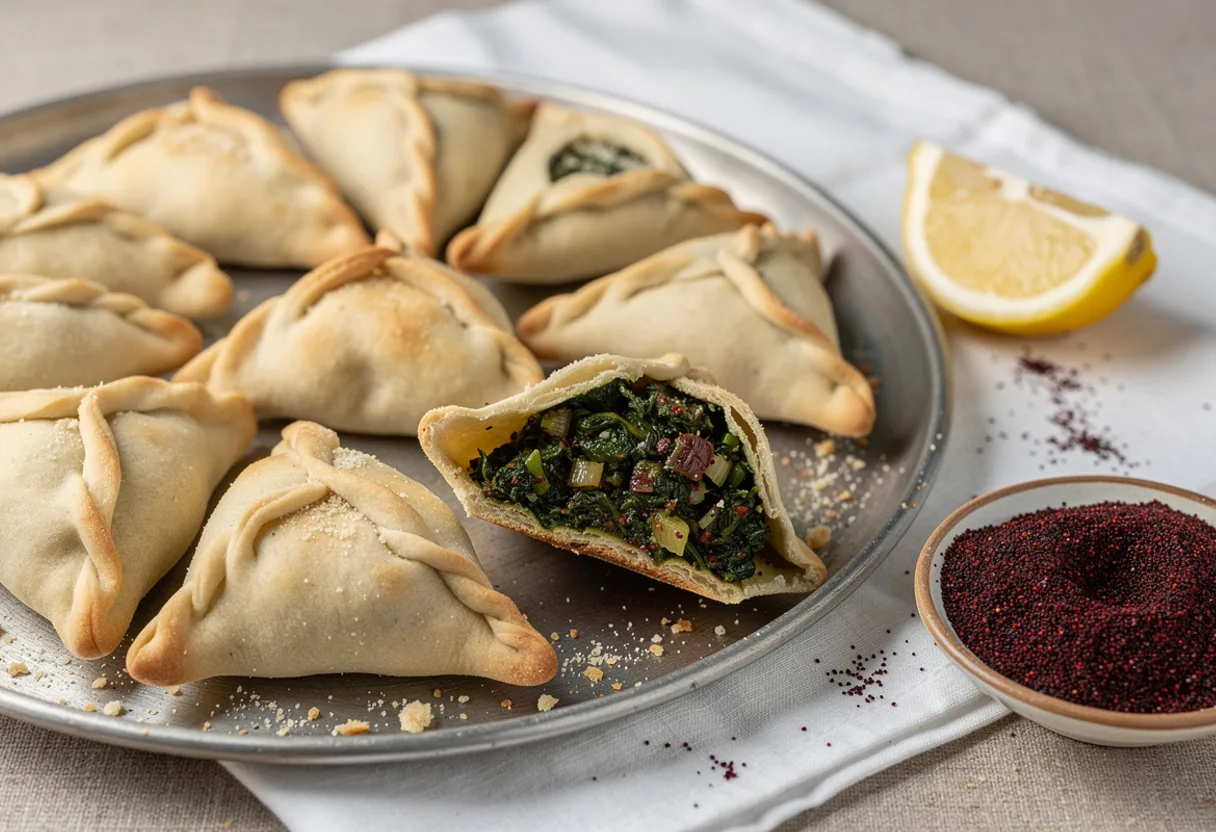
AI-generated illustration
Fatayer are the small filled pies of the Lebanese bakery, and fatayer bi sabanekh, with spinach, are with the meat-filled lahme the most popular kind. They are bought warm from the local bakery or made at home in big batches, eaten as a snack, packed for school or work, or set out as part of a .
The filling is sharp rather than rich. Spinach is chopped and salted so it gives up its water, squeezed hard, and mixed with finely chopped onion, a generous amount of , lemon juice and olive oil, and sometimes a little or toasted pine nuts. Squeezing everything dry matters: wet filling makes the pies burst open in the oven.
The dough is a simple yeasted one, rolled thin and cut into rounds. A spoonful of filling goes in the middle and three sides are drawn up and pinched together into the classic triangle, which bakes to a soft, golden shell around the bright, lemony green inside.
Saved recipes and passport stamps are kept on this device. Sign in to keep them across your devices and leave reviews.
Make it yours
✓ Naturally vegetarian, vegan and dairy-, nut-, egg- and pork-free. No swaps needed.
Toggle a diet and the ingredients rewrite themselves with regional substitutes.
🥕 Vegetarian
🌱 Vegan
🌾 Gluten-Free
🥛 Dairy-Free
🥜 Nut-Free
🥚 Egg-Free
🐖 Pork-Free
Dietary labels are a cooking guide, not allergen-safety advice. We track dairy, egg, gluten, tree nuts and peanuts (we count coconut as a tree nut, following FDA labeling), fish, and shellfish; we do not screen for sesame, soy, mustard, celery, or sulphites. If you have a food allergy, read the label on every product you use, and note that a kitchen can cross-contaminate in ways a recipe cannot control.
Ingredients
US
Metric
Serves 8
- 400 g plain or bread flour
- 7 g (2 1/4 tsp) instant dried yeast
- 1 tsp salt (for the dough)
- 1 tsp sugar
- 1 1/4 cups (300 ml) warm water
- 2 tbsp olive oil (for the dough)
- 450 g fresh spinach, washed and finely chopped
- 1 tsp salt (for the spinach)
- 1 medium onion, very finely chopped
- 2 tbsp ground
- 2 tbsp lemon juice
- 3 tbsp olive oil (for the filling and brushing)
- 1/4 tsp black pepper
Instructions
- 1Mix the flour, yeast, salt and sugar, add the warm water and olive oil and knead for about 8 minutes into a soft, smooth dough. Cover and leave in a warm place for about 1 hour, until doubled.
- 2Meanwhile toss the chopped spinach with the 1 tsp salt and leave it for 15 minutes, then squeeze it hard by the handful to get out as much liquid as you can. Squeeze the chopped onion too.✎ Chef’s noteThis is the secret of fatayer that stay shut. Any water left in the filling turns to steam in the oven and pushes the seams open.
- 3Mix the spinach and onion with the sumac, pepper and 2 tbsp of the olive oil. Add the lemon juice only just before filling, so the mixture does not turn watery.
- 4Heat the oven to 200C (400F). Roll the dough out about 3 mm thick and cut it into 10 cm rounds. Put a heaped tablespoon of filling in the middle of each, lift up three sides and pinch the edges together firmly to make a closed triangle.
- 5Set them on oiled baking trays, brush with the remaining olive oil and bake for 18 to 22 minutes, until golden. Serve warm or at room temperature.
Lebanese bakery and home tradition.
Ratings & reviews
Cooked it? Rate this dish:
No account needed. Sign in to leave a full review with a comment.
Cooked it?
Kept on this device, no account needed. Sign in to leave a review and keep your passport across your devices.
No reviews yet, be the first to cook it.
🌏 While it simmers, know your destination
📍
Beirut. Morning in Beirut smells of manakish. Flatbread dough is stretched thin, spread with za'atar and olive oil or with cheese, and baked at the neighbourhood furn, then folded in half and eaten walking. The city sits between mountain and sea, which is why the same menu can carry mountain kishk and a plate of raw fish.
🗺️
Lebanon. Lebanese cooking is the generous heart of the Levant, famous for its mezze, dozens of small plates like hummus, tabbouleh, and kibbeh meant for sharing. Olive oil, lemon, garlic, and fresh herbs brighten a table where hospitality means abundance.
🌍
Asia. Asia is the world's largest and most populous continent, and its food spans the delicate seasonality of Japanese washoku, the chili-fired curries of India and Thailand, and the wheat-and-lamb traditions of Central Asia. Rice, noodles, soy, and fermentation recur across its regions, while ancient spice routes and religious traditions shaped distinct grammars of flavor. Whether from a street-cart wok or a monastery kitchen, eating is deeply communal and ritual-rich.
The story behind this dish is up top, worth a read while the pot works.
More from Lebanon

MujadaraLentils and rice under a deep pile of slow-caramelized onions, the Levant’s humble masterpiece.
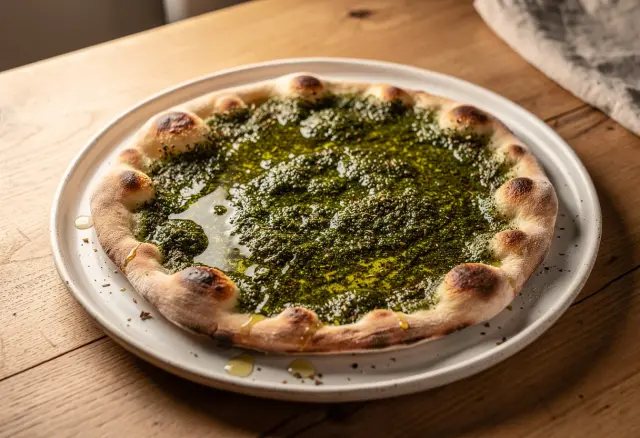
Manakish Za'atarFlatbread baked with a fragrant za'atar-and-olive-oil topping, the Levantine morning staple.

FalafelCrisp herb-flecked chickpea fritters tucked into pita with tahini, pickles, and salad, a Levantine street classic.
Browse all Lebanon recipes →
Good to know
You’ll need: Oven.
Storing it: Store in an airtight container. Most keep 2 to 3 days at room temperature, and longer refrigerated.
Make it a Lebanon meal

JallabDrink

KnafehDessert
Similar dishes from around the world
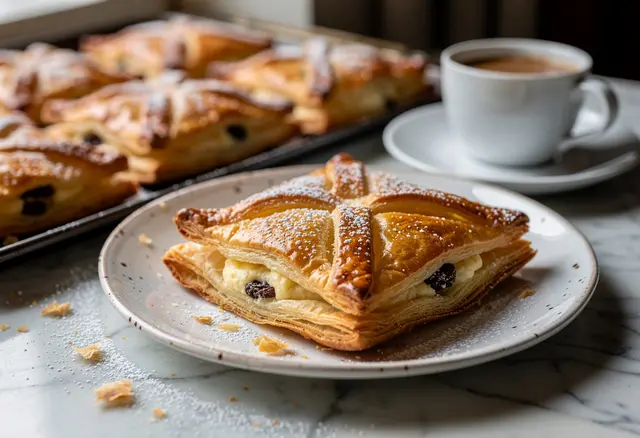
Topfengolatsche (Austrian Quark Pastry)Austria
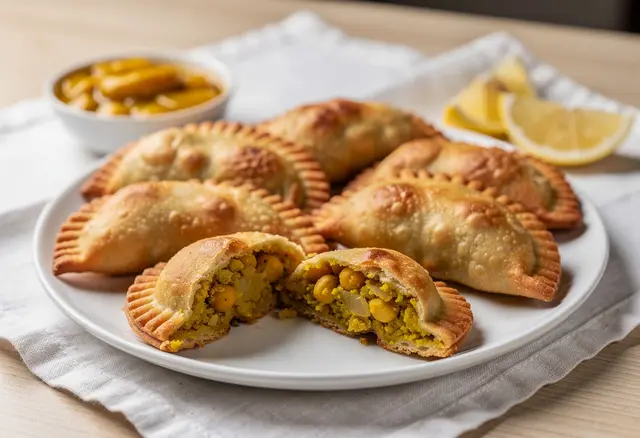
Sambusak b'Tawa (Iraqi Chickpea Turnovers)Iraq
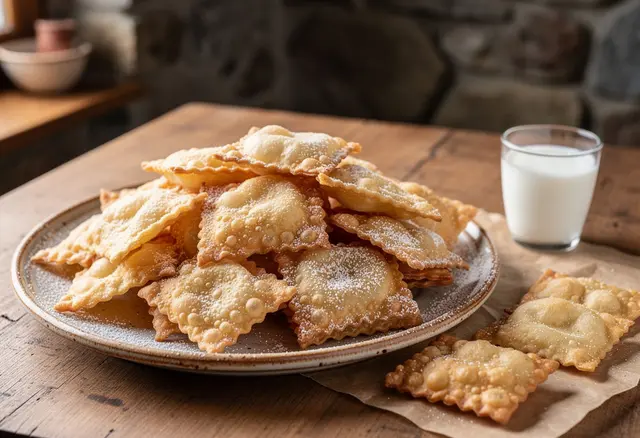
Orelletes (Andorran Fried Sugar Pastries)Andorra
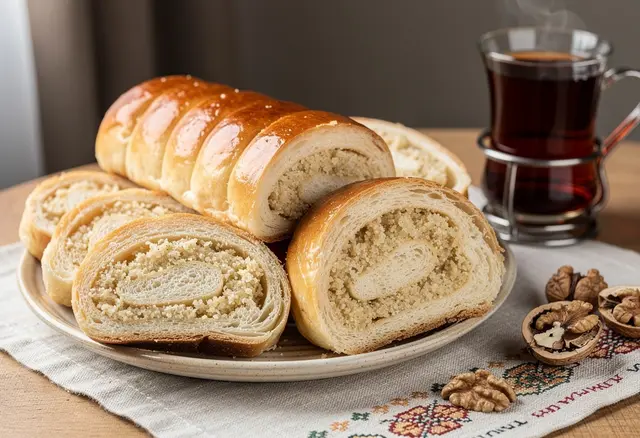
Gata (Armenian Sweet Pastry with Khoriz)Armenia
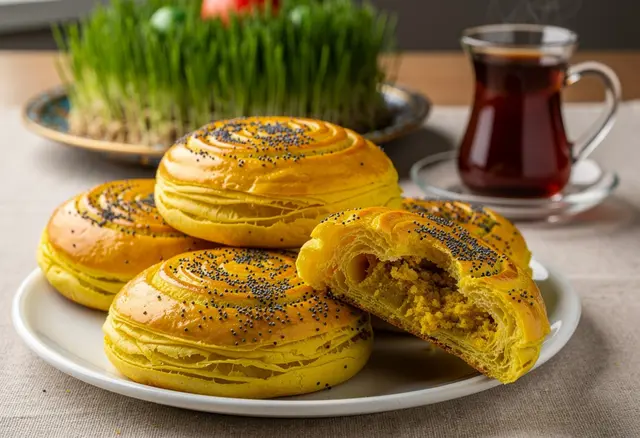
Şorqoğal (Azerbaijani Spiced Novruz Pastry)Azerbaijan
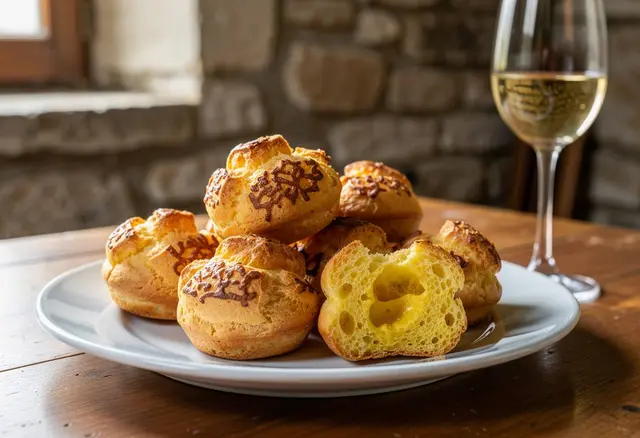
Gougères (Burgundy Cheese Puffs)France
Cuisine
Diet
Frequently asked questions
What is Fatayer bi Sabanekh (Lebanese Spinach Pies)?
Small triangles of soft yeasted dough sealed around a tangy filling of spinach, onion, sumac, lemon and olive oil, baked until golden and eaten warm or at room temperature.
Where does Fatayer bi Sabanekh (Lebanese Spinach Pies) come from?
Fatayer bi Sabanekh (Lebanese Spinach Pies) is a Lebanese dish from Beirut, Lebanon.
Can Fatayer bi Sabanekh (Lebanese Spinach Pies) be made vegan, gluten-free, or dairy-free?
This Fatayer bi Sabanekh (Lebanese Spinach Pies) recipe includes substitution suggestions for vegetarian, vegan, gluten-free, dairy-free, nut-free, egg-free, and pork-free versions. Treat the substitutions as a starting guide rather than a guarantee, and see the allergen note below.
Is Fatayer bi Sabanekh (Lebanese Spinach Pies) safe for people with food allergies?
Our dietary labels and substitutions are a cooking guide, not medical or allergen-safety advice. We track dairy, egg, gluten, tree nuts and peanuts (we still count coconut as a tree nut to be cautious, although the FDA stopped listing it as one in 2025), fish, and shellfish, but we do not screen for sesame, soy, mustard, celery, or sulphites. If you have a food allergy, always read the label on every product you use, and remember a home or commercial kitchen can cross-contaminate ingredients in ways a recipe cannot control.
How long does Fatayer bi Sabanekh (Lebanese Spinach Pies) take to make?
About 2 h 12 min in all: 50 minutes prep and 22 minutes cooking, plus 1 h of hands-off waiting the method needs, serving 8.
Get the Sunday Spin
One dish from somewhere in the world, in your inbox every Sunday. No spam, just dinner inspiration you can cook that day.