
🥤 DRINK
Kir (Blanc-Cassis)
The aperitif of Dijon: well-chilled Bourgogne Aligoté white wine blushed deep pink with a measure of crème de cassis, the blackcurrant liqueur of Burgundy.
French · easy · serves 1
prep 2 min · cook 0 min
~137 cal · 0g protein · 11g carbs · 0g fat · 0g fiber · 9g sugars · 0g sat fat (estimated, per serving)
↓ Jump to Recipe
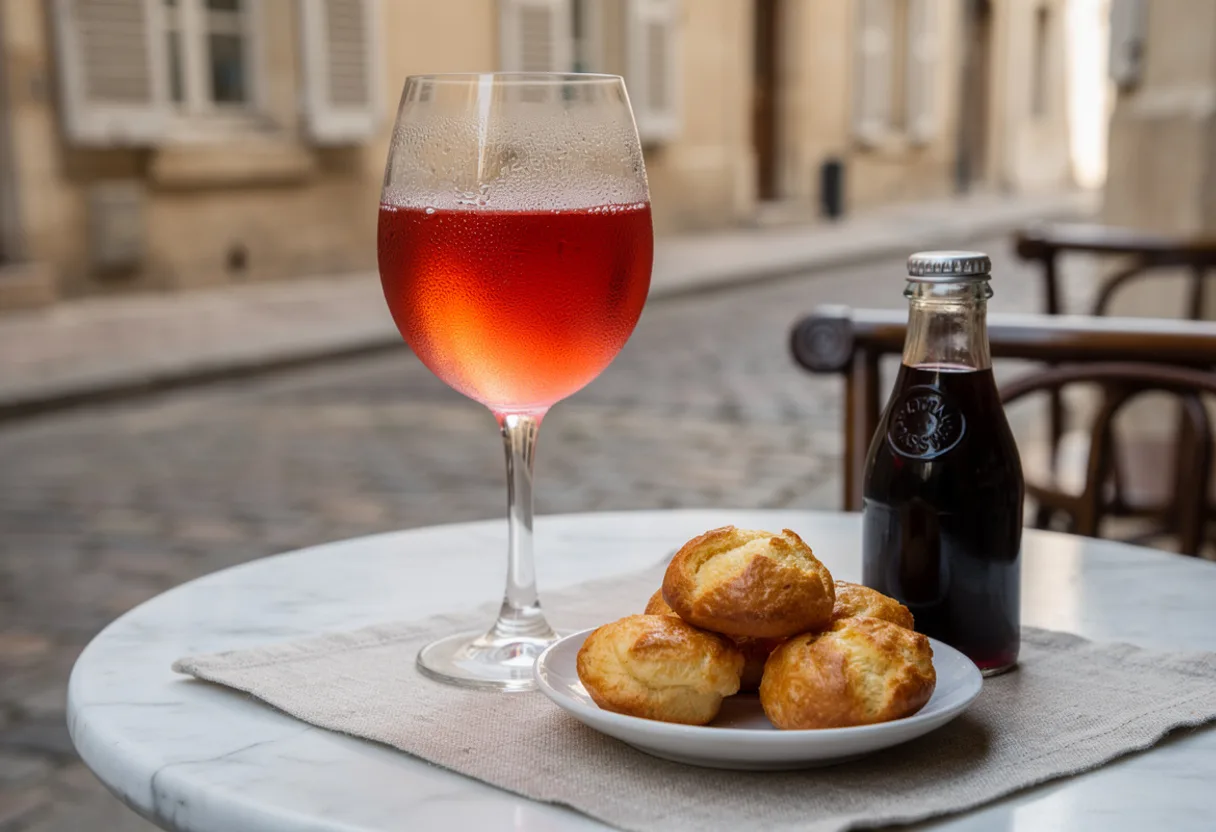
AI-generated illustration
Kir is Burgundy in a glass: crisp local white wine, traditionally Bourgogne Aligoté, sweetened and coloured with crème de cassis, the blackcurrant liqueur that Dijon has made for generations. In Dijon cafés the mixture was simply called blanc-cassis, white wine and cassis, and one widely told story credits a waiter named Faivre at the Café Georges with first pouring it, early in the twentieth century.
It took its lasting name from Canon Félix Kir, the priest, wartime resistance figure and long-serving mayor of Dijon after the Second World War, who served it at official receptions to promote two of the region's own products. His name stuck to the drink, and in the early 1950s he gave a Dijon liqueur house the right to use it.
The proportions have lightened over time. The old rule was a third of cassis to two thirds of wine; today most French recipes use about one part cassis to four or five parts wine, so the wine still tastes of wine. Made with a Burgundy crémant or Champagne instead of still wine, it becomes a Kir Royal.
Saved recipes and passport stamps are kept on this device. Sign in to keep them across your devices and leave reviews.
Make it yours
✓ Naturally vegetarian, vegan and gluten-, dairy-, egg-, nut- and pork-free. No swaps needed.
Toggle a diet and the ingredients rewrite themselves with regional substitutes.
🥕 Vegetarian
🌱 Vegan
🌾 Gluten-Free
🥛 Dairy-Free
🥜 Nut-Free
🥚 Egg-Free
🐖 Pork-Free
Dietary labels are a cooking guide, not allergen-safety advice. We track dairy, egg, gluten, tree nuts and peanuts (we count coconut as a tree nut, following FDA labeling), fish, and shellfish; we do not screen for sesame, soy, mustard, celery, or sulphites. If you have a food allergy, read the label on every product you use, and note that a kitchen can cross-contaminate in ways a recipe cannot control.
Ingredients
US
Metric
Serves 1
- 20 ml crème de cassis (blackcurrant liqueur), a true liqueur, not blackcurrant syrup; the Dijon one is the classic
- 100 ml Bourgogne Aligoté or another dry, crisp white wine, well chilled
- a glassful ice and cold water, to chill the glass, tipped out before you pour; Kir itself is never served on ice
Instructions
- 1Chill the wine and the crème de cassis thoroughly in the fridge. Just before serving, fill a wine glass or flute with ice and cold water to chill it, then tip it out.✎ Chef’s noteKir is served very cold and never with ice in the glass, which would water it down.
- 2Pour about half of the chilled white wine into the glass.
- 3Add the crème de cassis, then top up with the rest of the wine so the two mix without stirring hard.✎ Chef’s noteOne part cassis to about five parts wine is the modern French measure. The older rule of one third cassis makes a much sweeter, darker drink; start lighter and add more if you like.
- 4Give it one gentle stir and serve at once as an aperitif, with gougères, olives or a few slices of saucisson.✎ Chef’s noteFor a Kir Royal, use a well-chilled crémant de Bourgogne or Champagne in place of the still wine and pour it into a flute.
Dijon café tradition, named for Canon Félix Kir.
Ratings & reviews
Cooked it? Rate this dish:
No account needed. Sign in to leave a full review with a comment.
Cooked it?
Kept on this device, no account needed. Sign in to leave a review and keep your passport across your devices.
No reviews yet, be the first to cook it.
🌏 While it simmers, know your destination
📍
Burgundy. Coq au vin is a recipe for an old bird. A rooster past its usefulness is tough enough to need hours in wine, and the classic binding for the sauce is its own blood stirred in at the very end, which makes the modern supermarket-chicken version a different dish wearing the same name.
🗺️
France. Under the technique sits a country of regional larders that barely resemble each other: butter and cider in Normandy and Brittany, duck fat and confit through the southwest, olive oil and garlic along the Mediterranean, and choucroute with Riesling in Alsace. Which fat a French recipe reaches for usually tells you which corner of the country it comes from.
🌍
Europe. European cooking is built on the land and the seasons, wheat, butter, and cured pork in the north; olive oil, tomatoes, and seafood around the Mediterranean; preserved vegetables and hearty stews through long winters. Centuries of peasant tradition, guild craft, and royal courts refined techniques from French mother sauces to Italian fresh pasta and Central European baking. Regional identity runs remarkably deep, with a single dish often changing from one valley to the next.
The story behind this dish is up top, worth a read while the pot works.
More from France
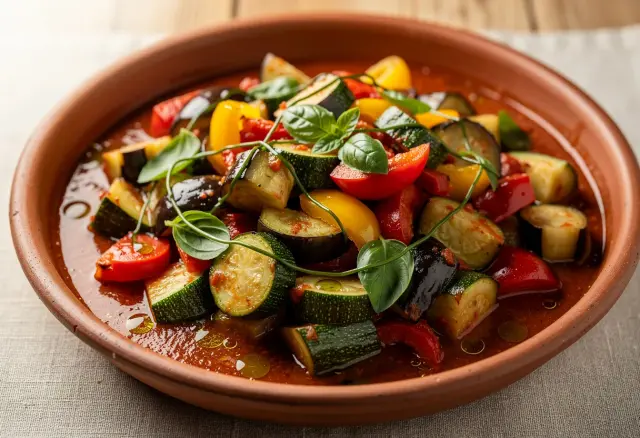
Ratatouille NiçoiseSummer vegetables stewed separately then united, Provence's answer to a garden at peak harvest.

Galettes de Sarrasin (Buckwheat Crêpes)Lacy, nutty buckwheat crêpes folded around ham, cheese, and an egg, the "complète" of every Breton crêperie.
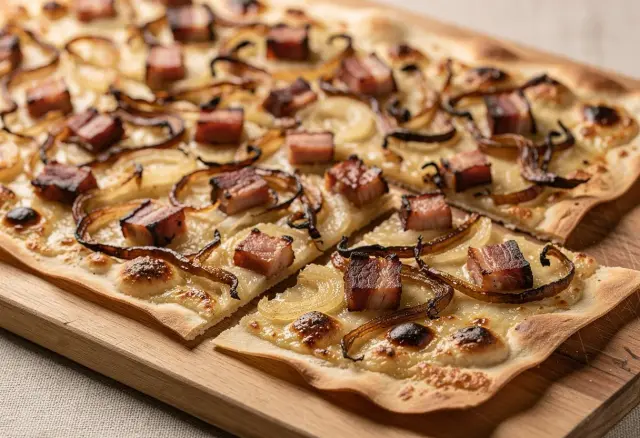
Tarte Flambée (Flammekueche)Paper-thin dough blistered under crème fraîche, onions, and lardons, Alsace’s answer to pizza, out of the oven in minutes.
Browse all France recipes →
Good to know
Storing it: Keep chilled and covered, and enjoy within 2 to 3 days.
Make it a France meal
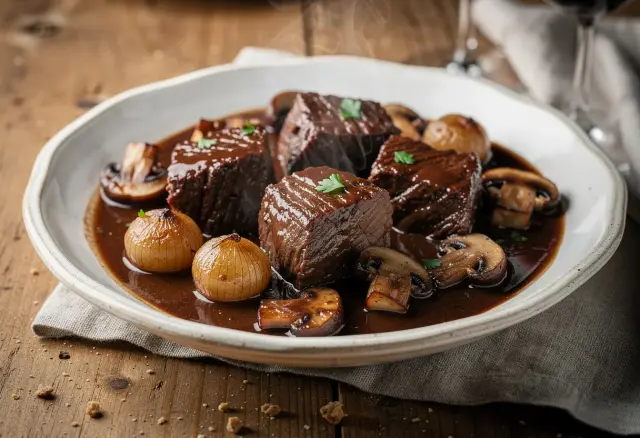
Bœuf BourguignonDinner
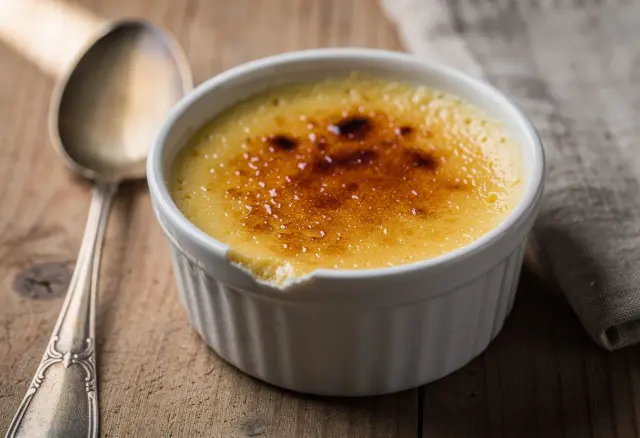
Crème BrûléeDessert
Similar dishes from around the world
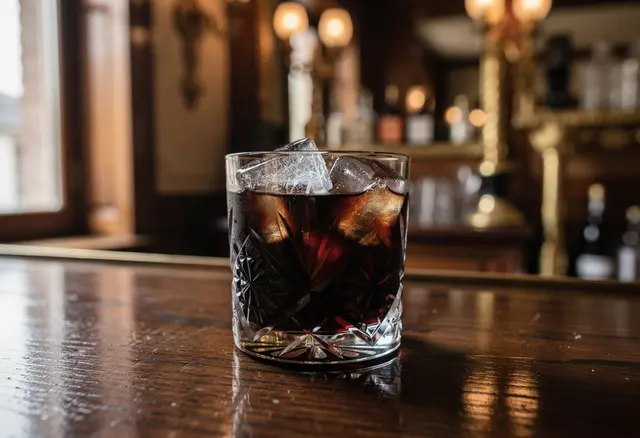
Black RussianBelgium

SazeracUnited States

CaribouCanada

Medio y MedioUruguay
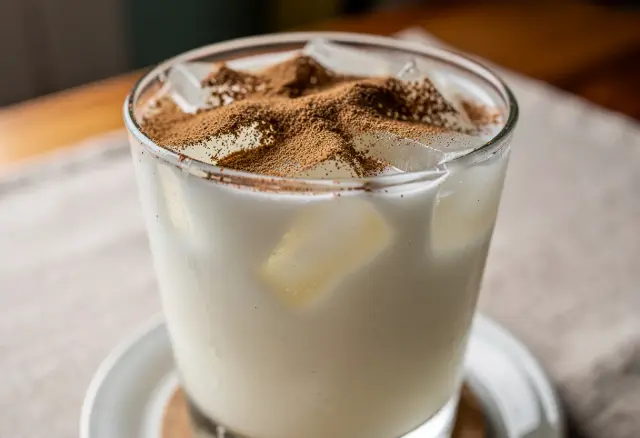
Sky JuiceBahamas

Bajan Rum PunchBarbados
Drinks
Frequently asked questions
What is Kir (Blanc-Cassis)?
The aperitif of Dijon: well-chilled Bourgogne Aligoté white wine blushed deep pink with a measure of crème de cassis, the blackcurrant liqueur of Burgundy.
Where does Kir (Blanc-Cassis) come from?
Kir (Blanc-Cassis) is a French dish from Burgundy, France.
Can Kir (Blanc-Cassis) be made vegan, gluten-free, or dairy-free?
This Kir (Blanc-Cassis) recipe includes substitution suggestions for vegetarian, vegan, gluten-free, dairy-free, nut-free, egg-free, and pork-free versions. Treat the substitutions as a starting guide rather than a guarantee, and see the allergen note below.
Is Kir (Blanc-Cassis) safe for people with food allergies?
Our dietary labels and substitutions are a cooking guide, not medical or allergen-safety advice. We track dairy, egg, gluten, tree nuts and peanuts (we still count coconut as a tree nut to be cautious, although the FDA stopped listing it as one in 2025), fish, and shellfish, but we do not screen for sesame, soy, mustard, celery, or sulphites. If you have a food allergy, always read the label on every product you use, and remember a home or commercial kitchen can cross-contaminate ingredients in ways a recipe cannot control.
How long does Kir (Blanc-Cassis) take to make?
About 2 minutes total (2 minutes prep, 0 minutes cooking), serving 1.
Get the Sunday Spin
One dish from somewhere in the world, in your inbox every Sunday. No spam, just dinner inspiration you can cook that day.