
🥤 DRINK
Black Russian
Vodka and dark coffee liqueur stirred over ice in a short glass: the cocktail a Brussels barman created in 1949 at the Hotel Metropole.
Belgian · easy · serves 1
prep 3 min · cook 0 min
~179 cal · 0g protein · 10g carbs · 0g fat · 0g fiber · 10g sugars · 0g sat fat (estimated, per serving)
↓ Jump to Recipe
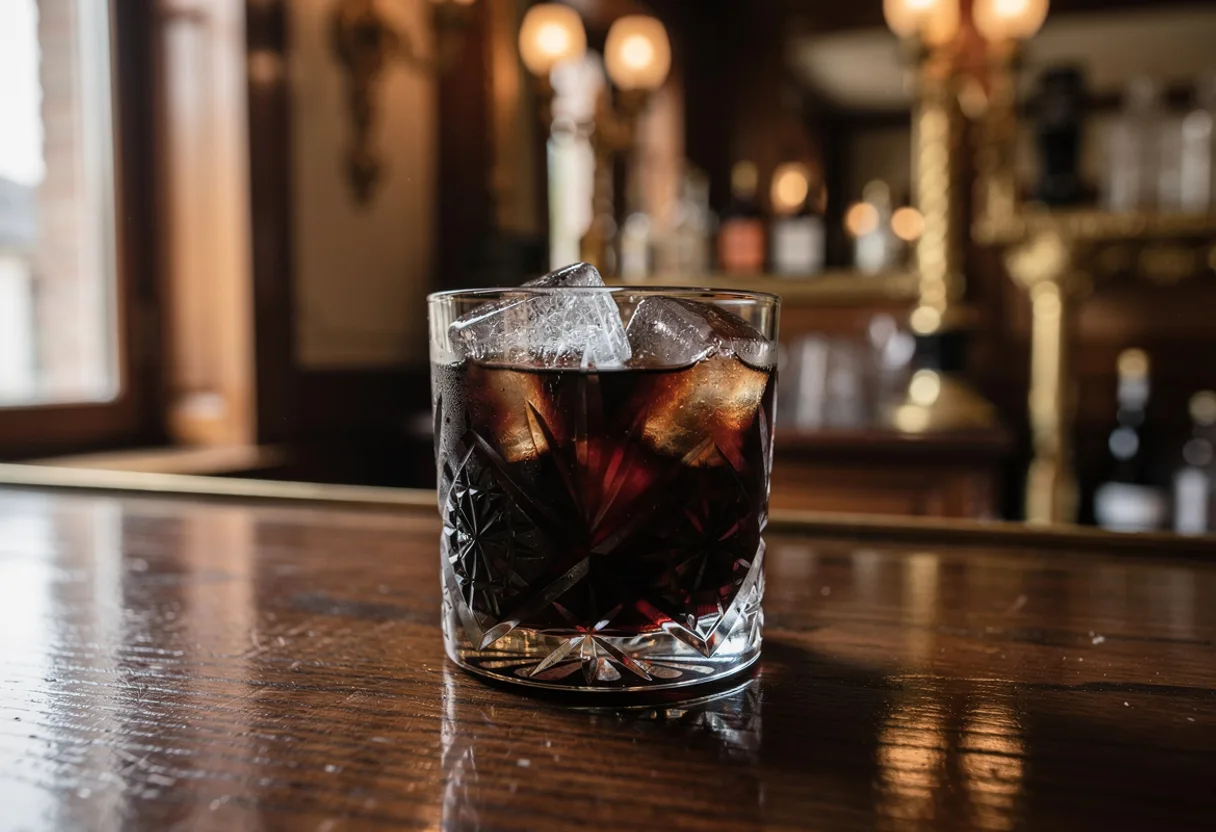
AI-generated illustration
The Black Russian is a Belgian invention. It is credited to Gustave Tops, the barman of the grand Hotel Metropole in Brussels, who created it in 1949 for Perle Mesta, the Washington hostess who was then the United States ambassador to Luxembourg and whose parties inspired the Broadway musical Call Me Madam.
The idea was as simple as the name: vodka, the Russian spirit, darkened with coffee liqueur, poured over ice and stirred. It arrived just as the Cold War began and the name made it sound faintly daring, and it spread quickly. Its best-known offspring, the White Russian, simply adds cream.
The International Bartenders Association recipe is five parts vodka to two parts coffee liqueur, which keeps it dry and strong with the coffee as a dark, sweet backdrop. Some drinkers go closer to equal parts for more coffee and sweetness.
Saved recipes and passport stamps are kept on this device. Sign in to keep them across your devices and leave reviews.
Make it yours
✓ Naturally vegetarian, vegan and gluten-, dairy-, egg-, nut- and pork-free. No swaps needed.
Toggle a diet and the ingredients rewrite themselves with regional substitutes.
🥕 Vegetarian
🌱 Vegan
🌾 Gluten-Free
🥛 Dairy-Free
🥜 Nut-Free
🥚 Egg-Free
🐖 Pork-Free
Dietary labels are a cooking guide, not allergen-safety advice. We track dairy, egg, gluten, tree nuts and peanuts (we count coconut as a tree nut, following FDA labeling), fish, and shellfish; we do not screen for sesame, soy, mustard, celery, or sulphites. If you have a food allergy, read the label on every product you use, and note that a kitchen can cross-contaminate in ways a recipe cannot control.
Ingredients
US
Metric
Serves 1
- 50 ml vodka
- 20 ml coffee liqueur
- a glassful ice cubes
Instructions
- 1Chill a short old-fashioned glass in the freezer, or fill it with ice while you measure the drinks.
- 2Fill the glass with fresh, hard ice cubes.
- 3Pour in the vodka and then the coffee liqueur.✎ Chef’s noteFive parts vodka to two of coffee liqueur is the classic balance. Go closer to equal parts if you like it sweeter.
- 4Stir gently for about 10 seconds to chill and mix, and serve straight away.✎ Chef’s noteFloat a little cream on top and it becomes a White Russian.
Hotel Metropole, Brussels, 1949, after Gustave Tops.
Ratings & reviews
Cooked it? Rate this dish:
No account needed. Sign in to leave a full review with a comment.
Cooked it?
Kept on this device, no account needed. Sign in to leave a review and keep your passport across your devices.
No reviews yet, be the first to cook it.
🌏 While it simmers, know your destination
📍
Flanders. Beer is treated as an ingredient with a job to do. Dark ale gives carbonnade its sweetness, and the sharp edge comes from a slice of bread spread thickly with mustard and laid on top of the pot, which collapses into the sauce and thickens it while the beef cooks down.
🗺️
Belgium. Beer culture in Belgium was inscribed by UNESCO in 2016, and the inscription counts almost 1,500 beers made by several different fermentation methods, notes the Trappist breweries that pass profits to charity, and records that beer goes into the cooking as well as the glass, including cheeses washed in it. Liege and Brussels waffles are two different products, not two names for one.
🌍
Europe. A surprising amount of European cooking is under five hundred years old. Tomatoes, potatoes, peppers, maize, beans and chocolate all crossed from the Americas after 1492, and none of them was trusted quickly: the potato took most of the eighteenth century to be accepted as food rather than animal fodder across much of the north.
The story behind this dish is up top, worth a read while the pot works.
More from Belgium
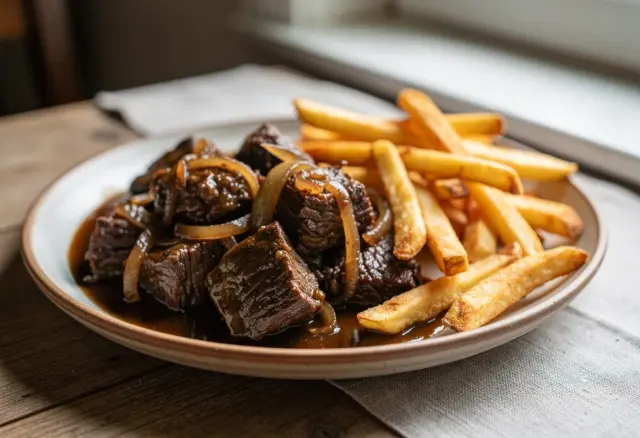
Carbonnade FlamandeBeef braised in dark Belgian beer with onions and a mustard-slathered slice of bread, sweet-sour, deep, and made for frites.
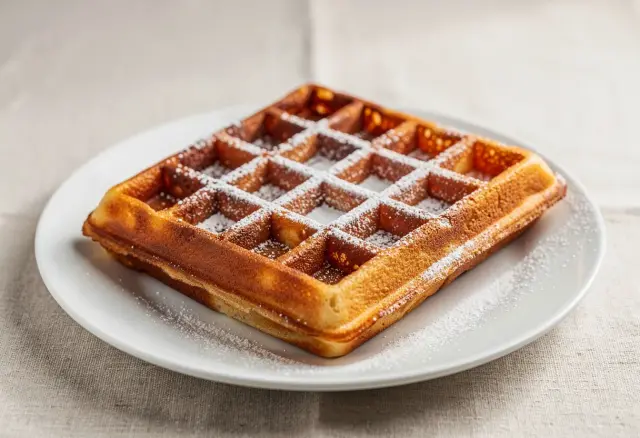
Belgian WafflesDeep-pocketed waffles, crisp outside and fluffy within, dusted with sugar or topped with fruit.
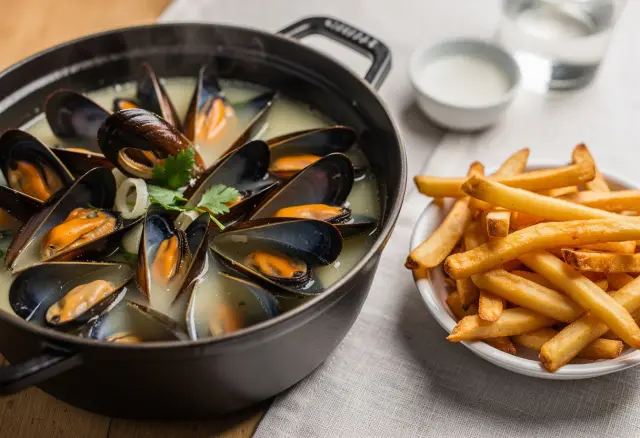
Moules-FritesA steaming pot of mussels cooked in white wine and shallots, served with a heap of crisp Belgian fries.
Browse all Belgium recipes →
Good to know
Storing it: Keep chilled and covered, and enjoy within 2 to 3 days.
Make it a Belgium meal
Carbonnade FlamandeDinner
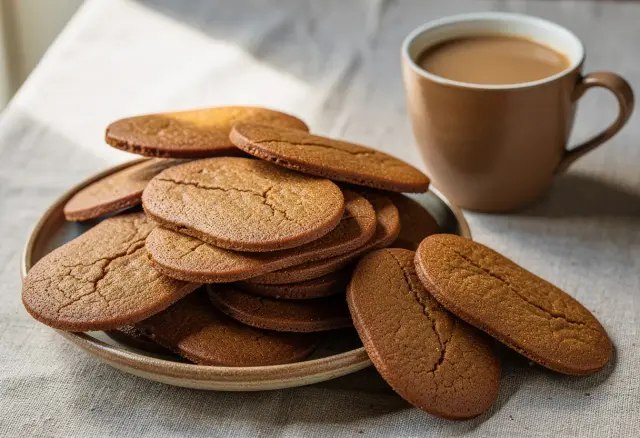
SpeculoosDessert
Similar dishes from around the world
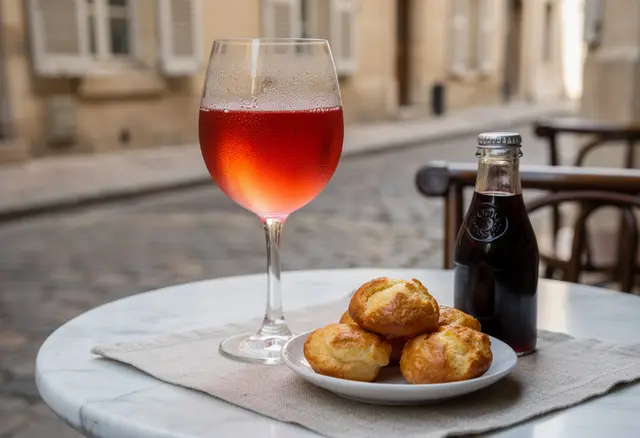
Kir (Blanc-Cassis)France

Irish CoffeeIreland

SazeracUnited States
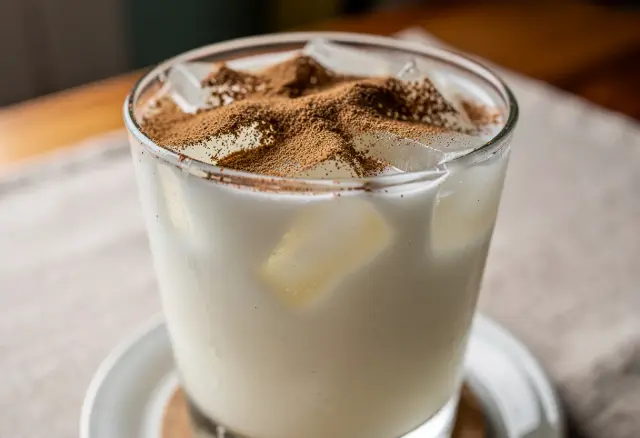
Sky JuiceBahamas

Bajan Rum PunchBarbados
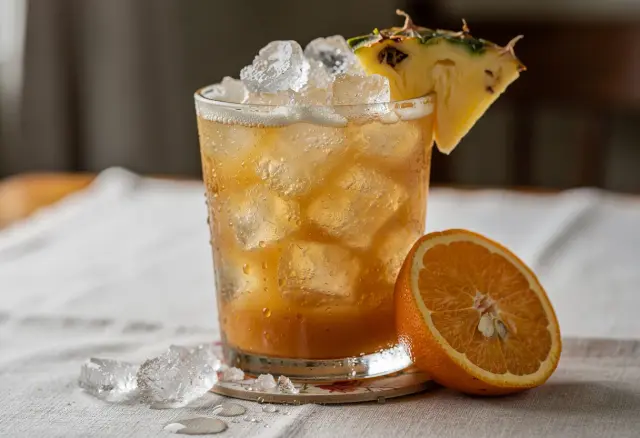
Rum SwizzleBermuda
Drinks
Frequently asked questions
What is Black Russian?
Vodka and dark coffee liqueur stirred over ice in a short glass: the cocktail a Brussels barman created in 1949 at the Hotel Metropole.
Where does Black Russian come from?
Black Russian is a Belgian dish from Flanders, Belgium.
Can Black Russian be made vegan, gluten-free, or dairy-free?
This Black Russian recipe includes substitution suggestions for vegetarian, vegan, gluten-free, dairy-free, nut-free, egg-free, and pork-free versions. Treat the substitutions as a starting guide rather than a guarantee, and see the allergen note below.
Is Black Russian safe for people with food allergies?
Our dietary labels and substitutions are a cooking guide, not medical or allergen-safety advice. We track dairy, egg, gluten, tree nuts and peanuts (we still count coconut as a tree nut to be cautious, although the FDA stopped listing it as one in 2025), fish, and shellfish, but we do not screen for sesame, soy, mustard, celery, or sulphites. If you have a food allergy, always read the label on every product you use, and remember a home or commercial kitchen can cross-contaminate ingredients in ways a recipe cannot control.
How long does Black Russian take to make?
About 3 minutes total (3 minutes prep, 0 minutes cooking), serving 1.
Get the Sunday Spin
One dish from somewhere in the world, in your inbox every Sunday. No spam, just dinner inspiration you can cook that day.