
🥔 SIDE
Blitva (Dalmatian Swiss Chard and Potatoes)
Potatoes and Swiss chard boiled together until soft, then turned in plenty of olive oil warmed with garlic and roughly crushed, the green side dish that goes with grilled fish all along the Dalmatian coast.
Croatian (Dalmatian) · easy · serves 6
prep 15 min · cook 25 min
~269 cal · 4g protein · 29g carbs · 15g fat · 4g fiber · 1g sugars · 2g sat fat (estimated, per serving)
↓ Jump to Recipe
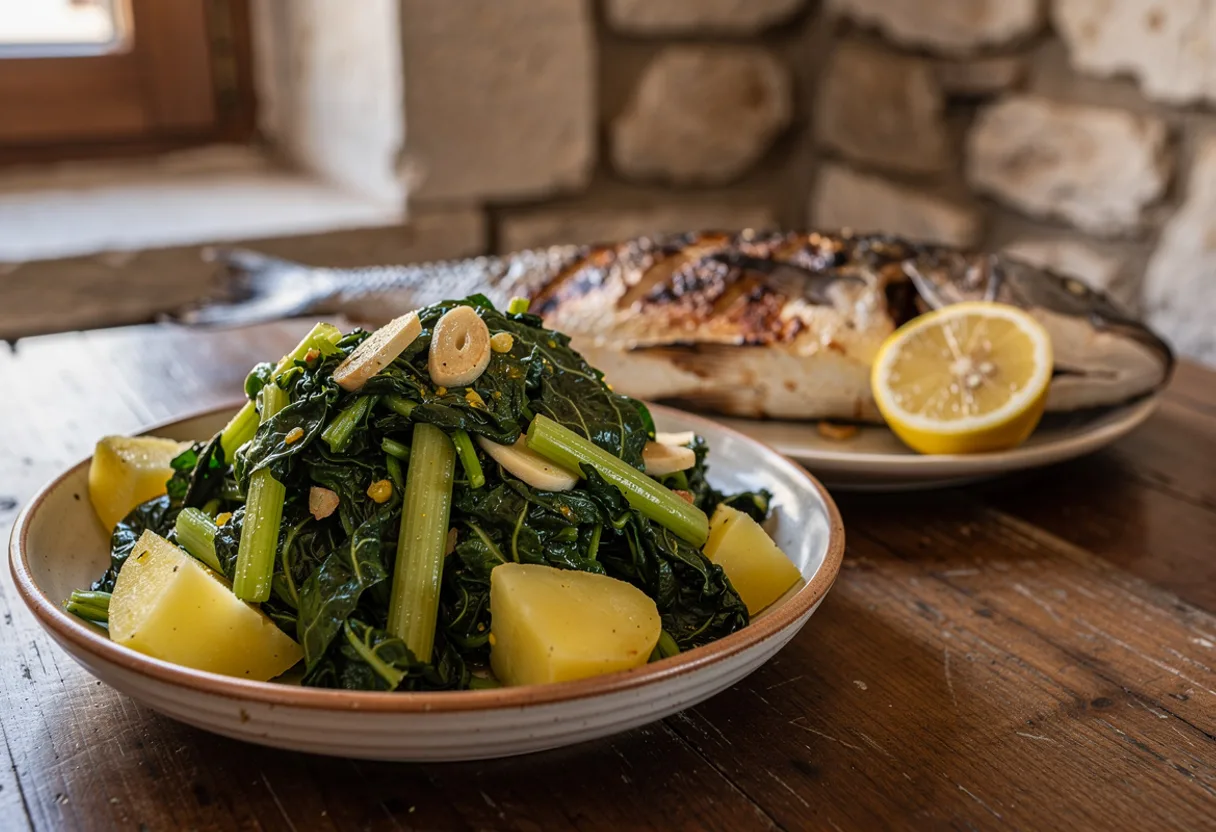
AI-generated illustration
Blitva simply means Swiss chard in Croatian, and in Dalmatia the word also means this dish: chard and potatoes boiled together and dressed with olive oil and garlic. It is a peasant dish found all over Dalmatia and the classic side for grilled fish, such as sea bass or bream, though it goes just as well with meat, or on its own.
The method is simple and a little rough. Cubed potatoes go into boiling salted water first, then the chopped chard stalks, which take longer, and last the leaves, which only need a few minutes. Everything is drained together and turned in a generous amount of olive oil warmed with garlic, and the potatoes are allowed to break up and crush into the greens. Some cooks add a knob of butter, but on the coast olive oil is the rule.
It is eaten warm or at room temperature, with salt, pepper and more olive oil at the table.
Saved recipes and passport stamps are kept on this device. Sign in to keep them across your devices and leave reviews.
Make it yours
✓ Naturally vegetarian, vegan and gluten-, dairy-, nut-, egg- and pork-free. No swaps needed.
Toggle a diet and the ingredients rewrite themselves with regional substitutes.
🥕 Vegetarian
🌱 Vegan
🌾 Gluten-Free
🥛 Dairy-Free
🥜 Nut-Free
🥚 Egg-Free
🐖 Pork-Free
Dietary labels are a cooking guide, not allergen-safety advice. We track dairy, egg, gluten, tree nuts and peanuts (we count coconut as a tree nut, following FDA labeling), fish, and shellfish; we do not screen for sesame, soy, mustard, celery, or sulphites. If you have a food allergy, read the label on every product you use, and note that a kitchen can cross-contaminate in ways a recipe cannot control.
Ingredients
US
Metric
Serves 6
- 1 kg potatoes, peeled and cut into chunks
- 1 kg Swiss chard, stalks and leaves separated, stalks cut in 1 cm pieces, leaves roughly chopped
- 1 tbsp salt, for the cooking water, plus more to taste
- 100 ml extra virgin olive oil
- 4 garlic cloves, thinly sliced
- to taste black pepper
Instructions
- 1Bring a large pot of well-salted water to the boil. Add the potatoes and cook for 10 minutes.
- 2Add the chard stalks and cook for 5 minutes more, then add the leaves and cook for 3 to 5 minutes, until the potatoes are soft and the leaves have wilted.
- 3Drain everything well in a colander.
- 4In the same pot, warm the olive oil over medium-low heat and cook the garlic for about 1 minute, until fragrant but not browned.✎ Chef’s noteBurnt garlic turns bitter; take the pot off the heat as soon as it smells sweet.
- 5Tip the potatoes and chard back into the pot and turn them in the garlic oil with a wooden spoon, letting the potatoes break up and crush roughly into the greens. Season with salt and pepper and serve warm or at room temperature with grilled fish.
Dalmatian home and konoba cooking.
Ratings & reviews
Cooked it? Rate this dish:
No account needed. Sign in to leave a full review with a comment.
Cooked it?
Kept on this device, no account needed. Sign in to leave a review and keep your passport across your devices.
No reviews yet, be the first to cook it.
🌏 While it simmers, know your destination
📍
Dalmatia. Peka is a way of cooking rather than a dish. Meat or octopus and vegetables go into a shallow pan under a heavy bell lid, embers are heaped over the top, and it sits for a couple of hours with the lid lifted once to turn things. It needs an open hearth, which is why it stays a home and tavern thing.
🗺️
Croatia. Croatia splits between a Mediterranean coast of seafood, olive oil, and pršut ham and a hearty continental interior of stews and roasts. Truffles, wine, and slow-cooked peka dishes reflect Italian and Central European ties.
🌍
Europe. Europe has written a great deal of its food into law. A regulation of 1992 created the protected designation of origin and the protected geographical indication, tying a name to a place and a method, and an EU evaluation published in 2021 counted more than three thousand registered names across those schemes, from cheeses and hams down to particular shapes of bread.
The story behind this dish is up top, worth a read while the pot works.
More from Croatia
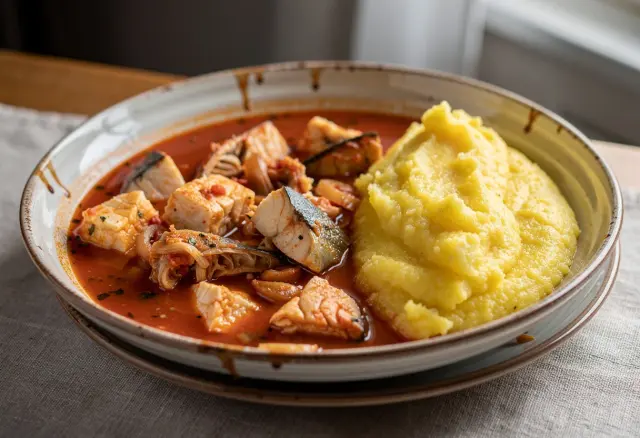
Brudet (Dalmatian Fish Stew)An Adriatic stew of mixed fish simmered in a tomato, onion, garlic and white-wine base, traditionally served over soft polenta.
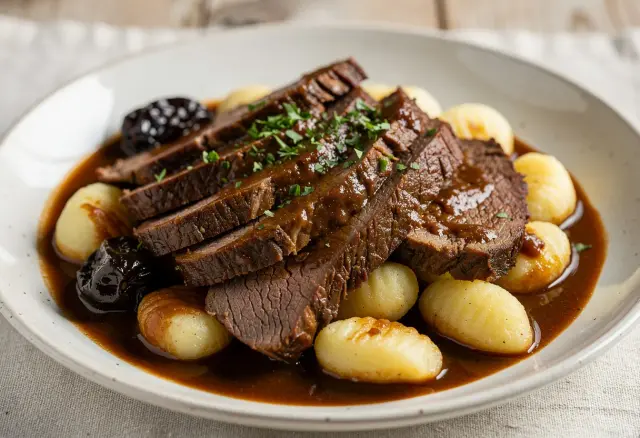
Dalmatinska PašticadaBeef larded and marinated in wine and vinegar, then braised a full day with prunes into a sweet-dark Adriatic feast.
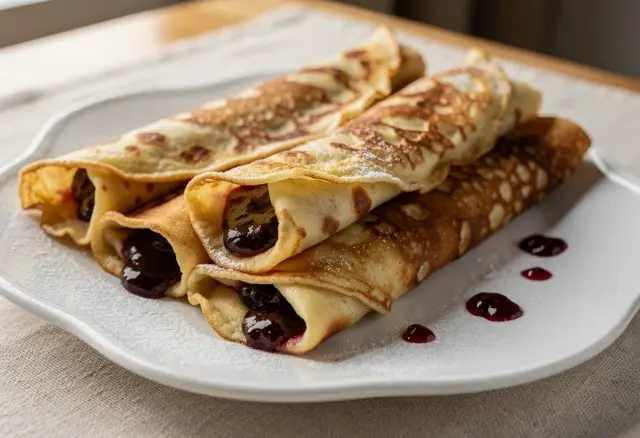
PalačinkeThin crepes rolled around jam, walnut, or chocolate, a Croatian breakfast and dessert.
Browse all Croatia recipes →
Good to know
You’ll need: Pot or saucepan.
Storing it: Best straight off the heat. Leftovers keep 2 to 3 days refrigerated and reheat well in a hot oven rather than the microwave.
Make it a Croatia meal
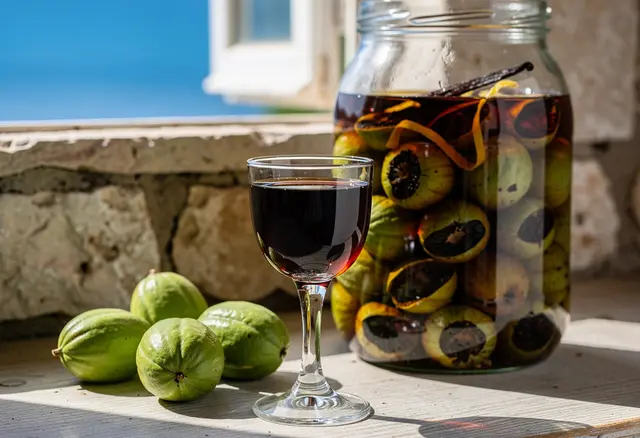
Orahovac (Croatian Green Walnut Liqueur)Drink
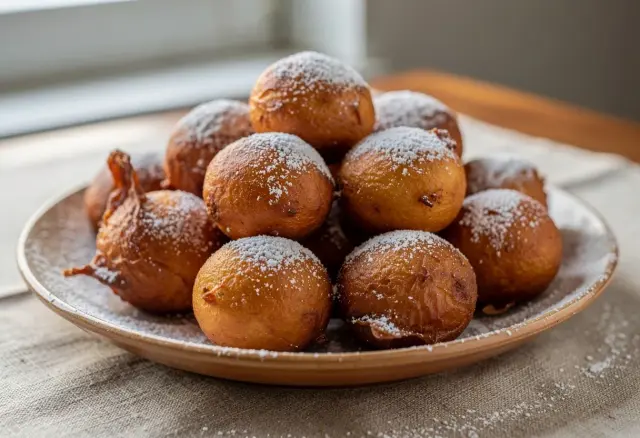
FrituleDessert
Similar dishes from around the world
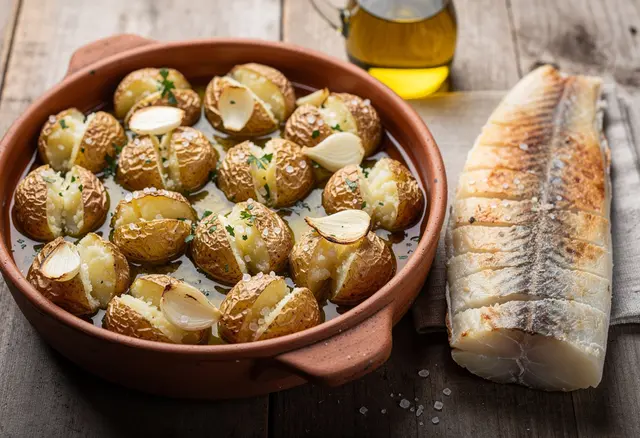
Batatas a Murro (Portuguese Punched Potatoes)Portugal

Marineeritud Kõrvits (Estonian Sweet Pickled Pumpkin)Estonia
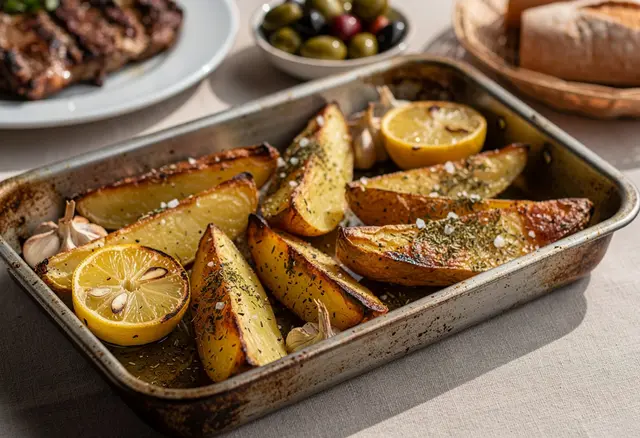
Patates Lemonates (Greek Lemon Roast Potatoes)Greece
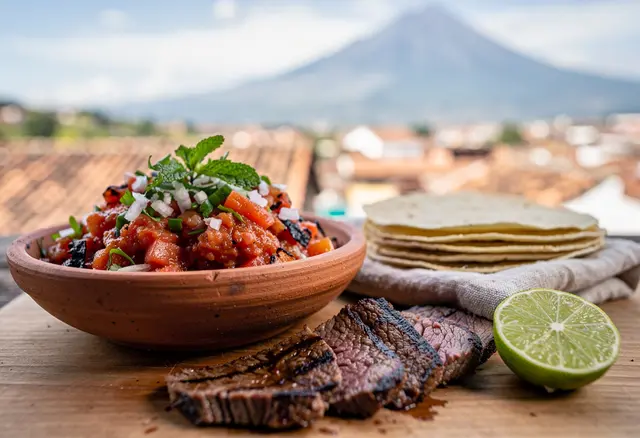
Chirmol (Guatemalan Charred Tomato and Mint Salsa)Guatemala

Guineítos en Escabeche (Puerto Rican Pickled Green Bananas)Puerto Rico
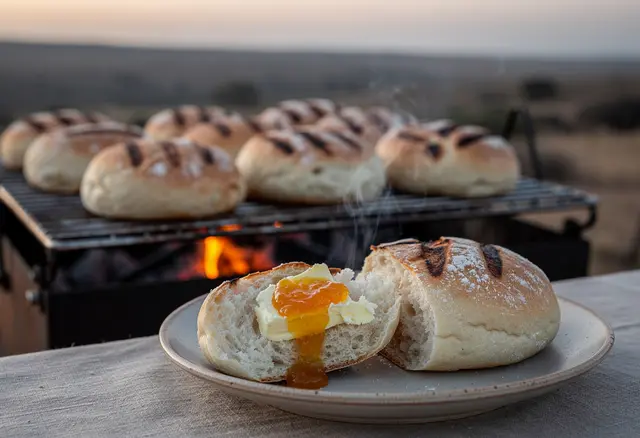
Roosterkoek (South African Braai Grill Bread)South Africa
Cuisine
Diet
Vegetarian Recipes from Around the World
Vegan Recipes from Around the World
Gluten-Free Recipes from Around the World
Dairy-Free Recipes from Around the World
Nut-Free Recipes from Around the World
Egg-Free Recipes from Around the World
Pork-Free Recipes from Around the World
Dairy-Free Croatian (Dalmatian) Recipes
Frequently asked questions
What is Blitva (Dalmatian Swiss Chard and Potatoes)?
Potatoes and Swiss chard boiled together until soft, then turned in plenty of olive oil warmed with garlic and roughly crushed, the green side dish that goes with grilled fish all along the Dalmatian coast.
Where does Blitva (Dalmatian Swiss Chard and Potatoes) come from?
Blitva (Dalmatian Swiss Chard and Potatoes) is a Croatian (Dalmatian) dish from Dalmatia, Croatia.
Can Blitva (Dalmatian Swiss Chard and Potatoes) be made vegan, gluten-free, or dairy-free?
This Blitva (Dalmatian Swiss Chard and Potatoes) recipe includes substitution suggestions for vegetarian, vegan, gluten-free, dairy-free, nut-free, egg-free, and pork-free versions. Treat the substitutions as a starting guide rather than a guarantee, and see the allergen note below.
Is Blitva (Dalmatian Swiss Chard and Potatoes) safe for people with food allergies?
Our dietary labels and substitutions are a cooking guide, not medical or allergen-safety advice. We track dairy, egg, gluten, tree nuts and peanuts (we still count coconut as a tree nut to be cautious, although the FDA stopped listing it as one in 2025), fish, and shellfish, but we do not screen for sesame, soy, mustard, celery, or sulphites. If you have a food allergy, always read the label on every product you use, and remember a home or commercial kitchen can cross-contaminate ingredients in ways a recipe cannot control.
How long does Blitva (Dalmatian Swiss Chard and Potatoes) take to make?
About 40 minutes total (15 minutes prep, 25 minutes cooking), serving 6.
Get the Sunday Spin
One dish from somewhere in the world, in your inbox every Sunday. No spam, just dinner inspiration you can cook that day.