North America → Costa Rica → San José

🍰 DESSERT
Cajeta de Coco
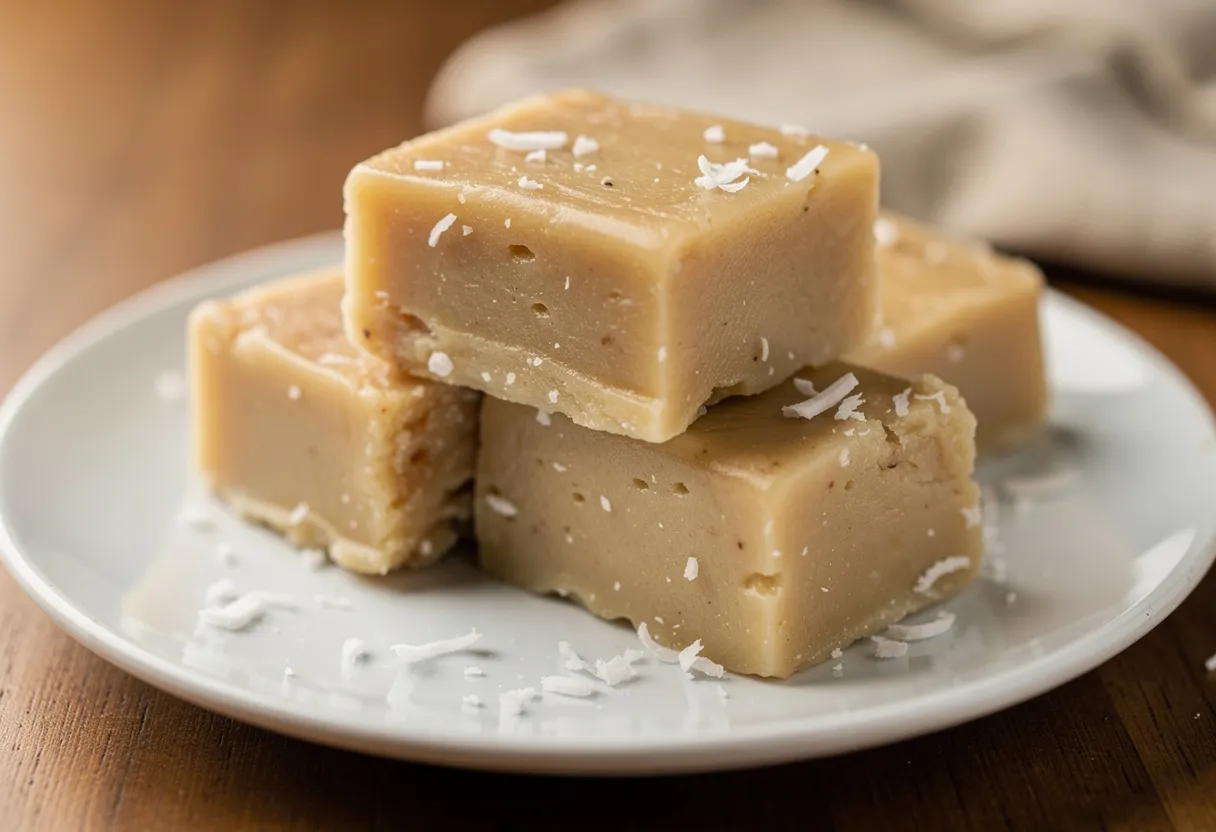
A dense coconut-and-milk fudge cooked down to chewy squares, a traditional Costa Rican homemade candy.
Costa Rican · medium · serves 12
prep 10 min · cook 45 min
~275 cal · 4g protein · 47g carbs · 8g fat · 1g fiber · 46g sugars · 7g sat fat (estimated, per serving)
↓ Jump to Recipe
AI-generated illustration
In Costa Rica, cajeta means a firm milk fudge rather than the runny goat-milk caramel the word denotes in Mexico. Cajeta de coco is the coconut version, a homemade candy that grandmothers make in big batches and that turns up at fairs, church sales, and roadside stands.
It is cooked the patient old way: milk, sugar, and grated coconut stirred over low heat for a long time until the mixture thickens, catches colour, and pulls away from the pan in a single mass. Fresh coconut gives it texture; a little vanilla or lime zest lifts it.
Poured out, cooled, and cut into squares, it sets to a dense, chewy, intensely sweet candy. A small piece with a cup of coffee is a classic Costa Rican treat, and the smell of a batch cooking is pure nostalgia.
Saved recipes and passport stamps are kept on this device. Sign in to keep them across your devices and leave reviews.
Make it yours
✓ Naturally vegetarian and gluten-, egg- and pork-free. No swaps needed.
Toggle a diet and the ingredients rewrite themselves with regional substitutes.
🥕 Vegetarian
🌱 Vegan
🌾 Gluten-Free
🥛 Dairy-Free
🥜 Nut-Free
🥚 Egg-Free
🐖 Pork-Free
Dietary labels are a cooking guide, not allergen-safety advice. We track dairy, egg, gluten, tree nuts and peanuts (we count coconut as a tree nut, following FDA labeling), fish, and shellfish; we do not screen for sesame, soy, mustard, celery, or sulphites. If you have a food allergy, read the label on every product you use, and note that a kitchen can cross-contaminate in ways a recipe cannot control.
Ingredients
US
Metric
Serves 12
- 4 cups whole milk
- 2 cups grated coconut
- 2 cups sugar
- 1 cinnamon stick
- 1/2 cup sweetened condensed milk
- 1 tsp vanilla extract
- 1/4 tsp baking soda
Instructions
- 1Combine the milk, sugar, grated coconut, cinnamon stick, and baking soda in a heavy pot and bring to a simmer.
- 2Cook over low heat, stirring often, until it thickens and begins to turn pale gold, about 35 minutes.✎ Chef’s noteThe baking soda helps it colour and keeps it from graining. Stir more and more as it thickens so the bottom never catches.
- 3Stir in the condensed milk and vanilla and keep cooking until the mixture pulls away from the pan in a mass; fish out the cinnamon stick.
- 4Spread into a greased dish, cool completely, and cut into squares.
Costa Rican homemade-candy tradition.
Ratings & reviews
Cooked it? Rate this dish:
No account needed. Sign in to leave a full review with a comment.
Cooked it?
Kept on this device, no account needed. Sign in to leave a review and keep your passport across your devices.
No reviews yet, be the first to cook it.
🌏 While it simmers, know your destination
📍
San José. San Jose's soda kitchens serve the casado, a plate of rice, black beans, plantain, salad, and a protein whose name means "married" - some say for the married man fed like this at home, others for the way the dish marries so many things on one plate. Gallo pinto starts the day, and Costa Rican cooking stays fresh, mild, and vegetable-forward.
🗺️
Costa Rica. Costa Rican food is fresh and wholesome, built on the casado plate of rice, beans, plantain, and salad, and gallo pinto for breakfast. Tropical fruit and a 'pura vida' ease define its unfussy, produce-driven table.
🌍
North America. The most consequential technique on this continent is nixtamalisation, cooking maize with lime or wood ash. It loosens the skins, makes the dough that becomes tortillas and tamales, and frees up niacin the body cannot otherwise absorb, which is why maize spread around the world without the technique and took pellagra with it.
The story behind this dish is up top, worth a read while the pot works.
More from Costa Rica
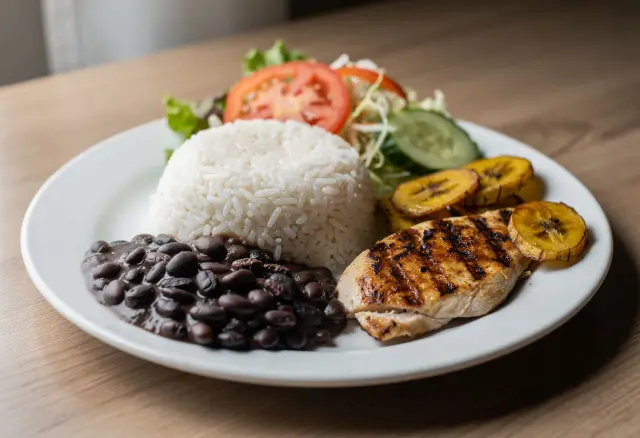
CasadoThe soda-counter plate that "marries" rice, black beans, sweet plantains, salad, and a griddled protein.
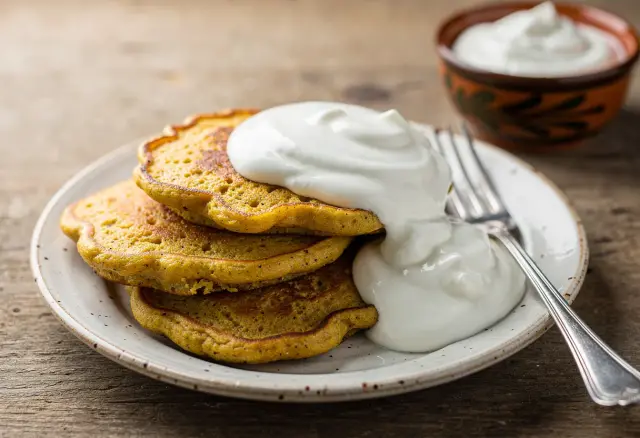
Chorreadas con NatillaSweet-savory fresh corn pancakes, crisp at the edges, served with a dollop of cool natilla (sour cream), a Costa Rican country breakfast.
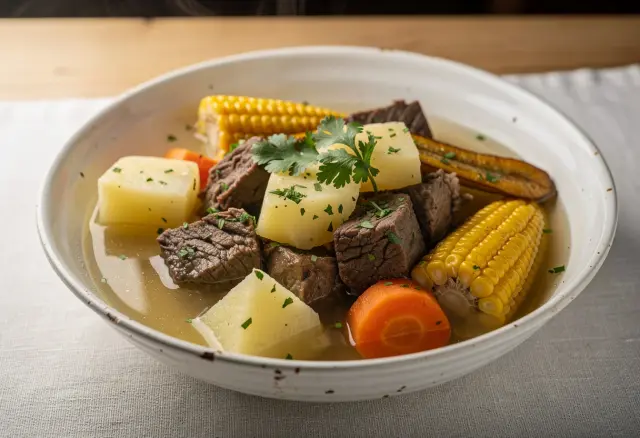
Olla de CarneCosta Rica's weekend pot of meat: beef simmered with a rainbow of root vegetables, corn, chayote, and plantain into a rich, nourishing broth, served with rice.
Browse all Costa Rica recipes →
Good to know
You’ll need: Pot or saucepan.
Storing it: Keep chilled and covered, and enjoy within 2 to 3 days.
Make it a Costa Rica meal
Olla de CarneDinner
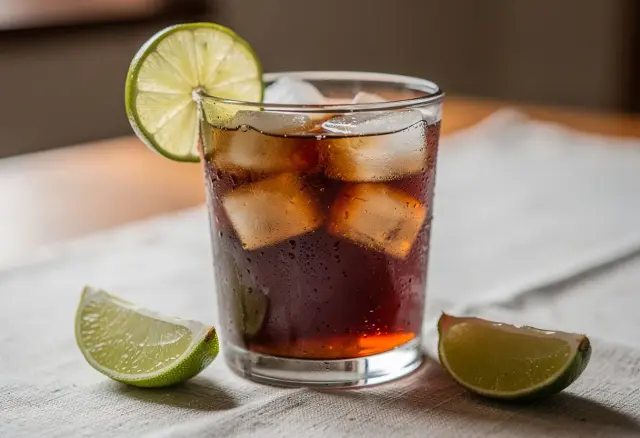
Agua de SapoDrink
Similar dishes from around the world
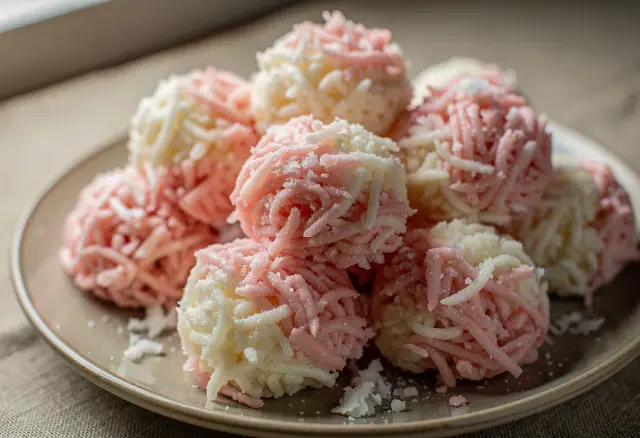
Coconut Sugar CakeSaint Kitts and Nevis
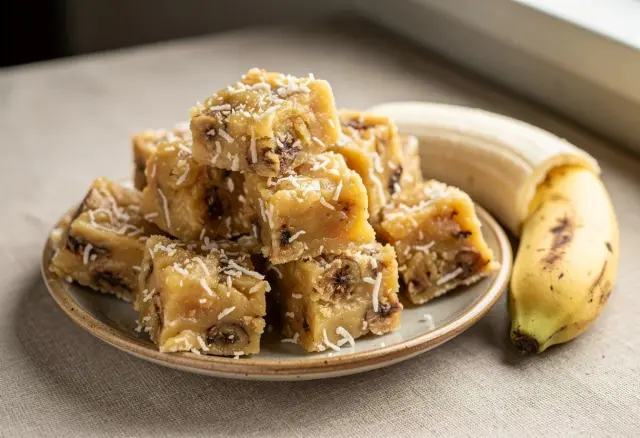
Nouga Koko ek Bannann (Coconut and Banana Nougat)Seychelles
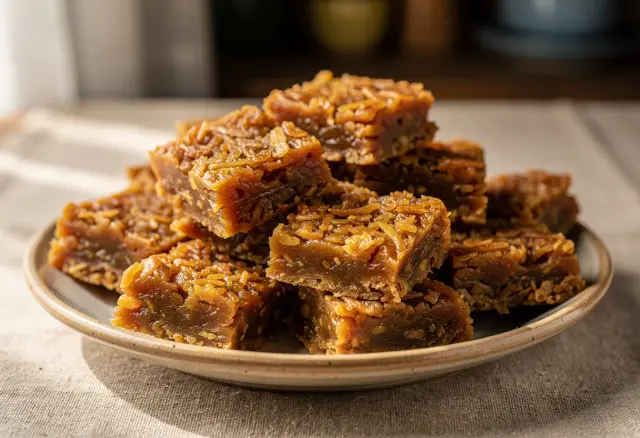
KashataTanzania
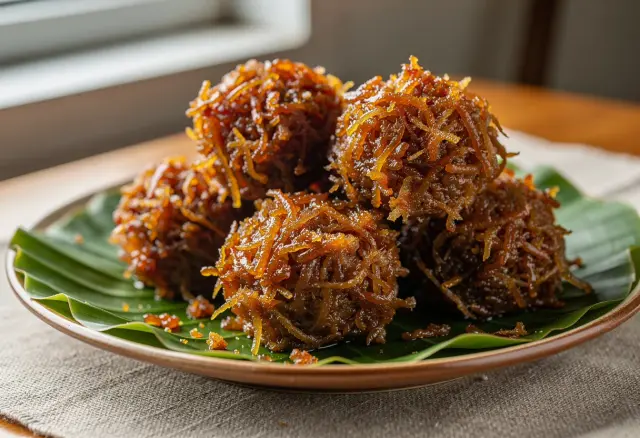
Puleleti (Coconut and Coconut Syrup Sweet)Tuvalu
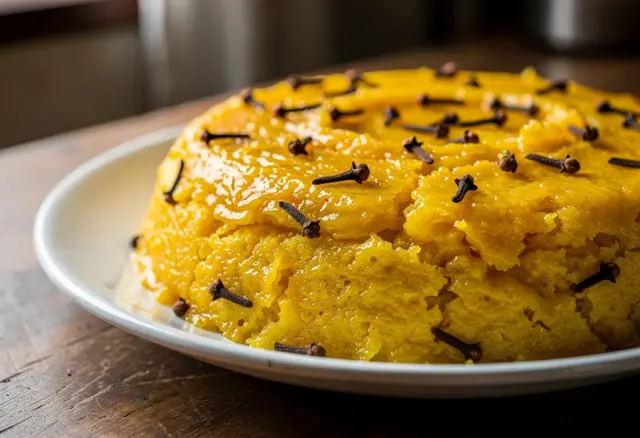
Cocada AmarelaAngola
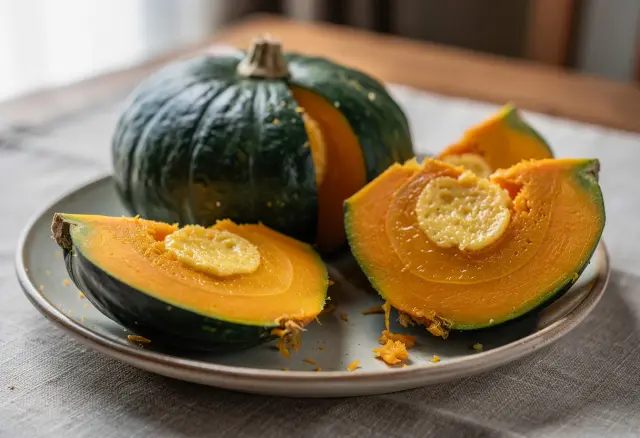
Sankhya LapovCambodia
Cuisine
Diet
Vegetarian Recipes from Around the World
Gluten-Free Recipes from Around the World
Egg-Free Recipes from Around the World
Pork-Free Recipes from Around the World
Gluten-Free Costa Rican Recipes
Vegetarian Desserts from Around the World
Gluten-Free Desserts from Around the World
Egg-Free Desserts from Around the World
Frequently asked questions
What is Cajeta de Coco?
A dense coconut-and-milk fudge cooked down to chewy squares, a traditional Costa Rican homemade candy.
Where does Cajeta de Coco come from?
Cajeta de Coco is a Costa Rican dish from San José, Costa Rica.
Can Cajeta de Coco be made vegan, gluten-free, or dairy-free?
This Cajeta de Coco recipe includes substitution suggestions for vegetarian, vegan, gluten-free, dairy-free, egg-free, and pork-free versions. It cannot be made nut-free without changing what the dish is, so the recipe does not offer that version. Treat the substitutions as a starting guide rather than a guarantee, and see the allergen note below.
Is Cajeta de Coco safe for people with food allergies?
Our dietary labels and substitutions are a cooking guide, not medical or allergen-safety advice. We track dairy, egg, gluten, tree nuts and peanuts (we still count coconut as a tree nut to be cautious, although the FDA stopped listing it as one in 2025), fish, and shellfish, but we do not screen for sesame, soy, mustard, celery, or sulphites. If you have a food allergy, always read the label on every product you use, and remember a home or commercial kitchen can cross-contaminate ingredients in ways a recipe cannot control.
How long does Cajeta de Coco take to make?
About 55 minutes total (10 minutes prep, 45 minutes cooking), serving 12.
Get the Sunday Spin
One dish from somewhere in the world, in your inbox every Sunday. No spam, just dinner inspiration you can cook that day.