
🥔 SIDE
Bogobe jwa Lerotse (Sorghum Porridge with Melon)
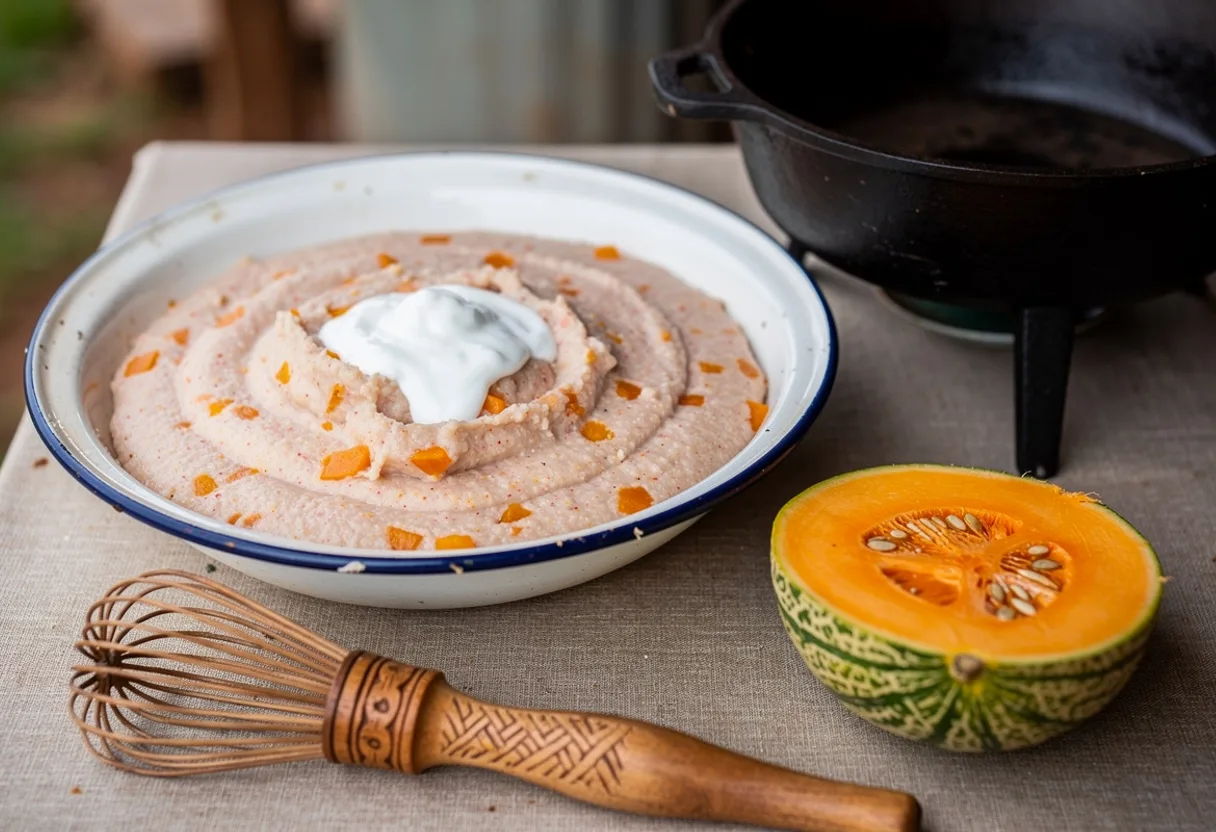
Chunks of cooking melon boiled soft and whisked to a pulp, then thickened with sorghum meal and finished with sour milk into a smooth, gently tangy porridge.
Botswana (Tswana) · easy · serves 6
prep 15 min · cook 55 min
~257 cal · 8g protein · 58g carbs · 2g fat · 4g fiber · 18g sugars · 0g sat fat (estimated, per serving)
↓ Jump to Recipe
AI-generated illustration
Bogobe is porridge, the staple of Botswana, made by stirring , maize or meal into boiling water. Bogobe jwa lerotse is its festive form and a national dish: porridge cooked with lerotse, a local melon, and finished with madila, the thick sour milk of the Tswana table. It is a dish for weddings and big gatherings, where it shares the table with seswaa, the pounded salted meat that is Botswana's other celebration dish.
Lerotse looks like a small watermelon but has orange flesh and is far less sweet, closer to cucumber when raw. Cooked down it gives the porridge a delicate, faintly fruity flavour. The melon is boiled in batches until it collapses and can be beaten smooth with a lehetho, a wooden whisk, then the meal is whisked in and cooked to a soft porridge, and the sour milk goes in at the end.
Outside Botswana lerotse is hard to find, so this recipe suggests a firm, barely ripe melon instead. The porridge will be a little sweeter, but the method is the same.
Saved recipes and passport stamps are kept on this device. Sign in to keep them across your devices and leave reviews.
Make it yours
✓ Naturally vegetarian and gluten-, nut-, egg- and pork-free. No swaps needed.
Toggle a diet and the ingredients rewrite themselves with regional substitutes.
🥕 Vegetarian
🌱 Vegan
🌾 Gluten-Free
🥛 Dairy-Free
🥜 Nut-Free
🥚 Egg-Free
🐖 Pork-Free
Dietary labels are a cooking guide, not allergen-safety advice. We track dairy, egg, gluten, tree nuts and peanuts (we count coconut as a tree nut, following FDA labeling), fish, and shellfish; we do not screen for sesame, soy, mustard, celery, or sulphites. If you have a food allergy, read the label on every product you use, and note that a kitchen can cross-contaminate in ways a recipe cannot control.
Ingredients
US
Metric
Serves 6
- 1/2 melon (about 1.5 kg) lerotse (cooking melon), peeled, seeded and cut into 3 cm chunksHard to find? about 1.5 kg firm, barely ripe cantaloupe or winter melon - cantaloupe is sweeter and winter melon blander than lerotse; neither tastes quite the same
- about 3 cups (720 ml) water, plus more as needed
- 2 cups (about 300 g) meal (mabele)
- 3/4 cup (180 ml) sour milk (madila) or plain buttermilk
- a pinch salt, optional
- 1 to 2 tsp sugar, optional
Instructions
- 1Bring the water to the boil in a heavy pot, about a quarter full. Add as much melon as fits, cover and cook; as it softens and shrinks, add the rest in batches.
- 2Cook gently, covered, for about 30 minutes, until the melon has completely collapsed and can be whisked into a smooth pulp with a wooden whisk or a balloon whisk.
- 3Sprinkle in the sorghum meal a little at a time, whisking constantly to break up any lumps, until it is all in and the mixture is a thick, creamy porridge. Add a splash of boiling water if it gets too stiff.✎ Chef’s noteAdd the meal slowly and whisk as you go. Lumps are much easier to prevent than to beat out later.
- 4Cover and simmer over low heat for about 15 minutes, stirring now and then with a wooden spoon, until the sorghum is cooked and no longer tastes raw.
- 5Gently fold in the sour milk, and the salt and sugar if using, then simmer for another 5 minutes. Serve warm.
Tswana tradition, Botswana.
Ratings & reviews
Cooked it? Rate this dish:
No account needed. Sign in to leave a full review with a comment.
Cooked it?
Kept on this device, no account needed. Sign in to leave a review and keep your passport across your devices.
No reviews yet, be the first to cook it.
🌏 While it simmers, know your destination
📍
Gaborone. The kitchen follows the cattle. This is dry grazing country, so beef is the meat that matters and the grains are sorghum and maize rather than anything thirstier, while the greens arrive as morogo, wild leaves gathered off the veld and cooked down, rather than out of a market garden.
🗺️
Botswana. The porridge underneath is bogobe, made from sorghum, and ting is its soured version, left to ferment before cooking. Morogo, the wild greens gathered rather than planted, goes alongside. Cattle are not a picture here but an export industry, which is what puts beef on ordinary plates in a country that is mostly Kalahari.
🌍
Africa. Much of what reads as timeless African cooking is younger than the Atlantic crossings. Maize, cassava, groundnut, chilli and tomato all arrived from the Americas after 1500 and pushed older crops aside; millet, sorghum, teff, yam and fonio are the ones that were already here, and the map still shows the join.
The story behind this dish is up top, worth a read while the pot works.
More from Botswana

Seswaa with PapBeef simmered for hours with little more than salt, then pounded into rich shreds, Botswana’s dish of weddings and state occasions.
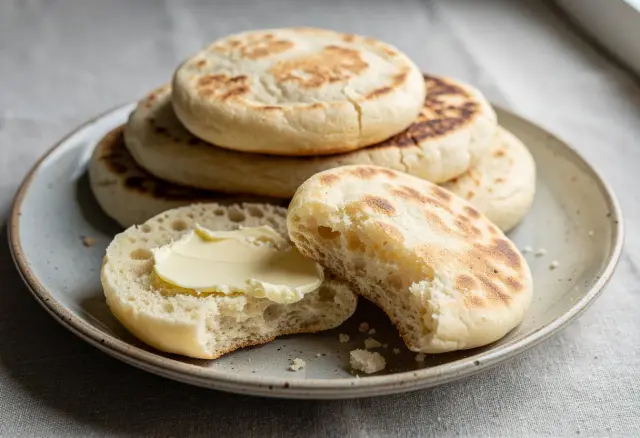
DiphaphathaSoft Botswana griddle breads: quick, dense little flatbread rounds cooked in a dry pan and split with butter or jam for breakfast.

DikgobeSamp and beans (or sorghum) slow-cooked soft together into a filling one-pot, a staple of the Botswana table.
Browse all Botswana recipes →
Good to know
You’ll need: Pot or saucepan, Whisk.
Storing it: Thickens as it sits. Reheat with extra water or milk to loosen, and keep 2 to 3 days refrigerated.
Make it a Botswana meal

Botswana Ginger BeerDrink

Kgojwa ya Moretlwa (Wild Berry and Milk Pudding)Dessert
Similar dishes from around the world
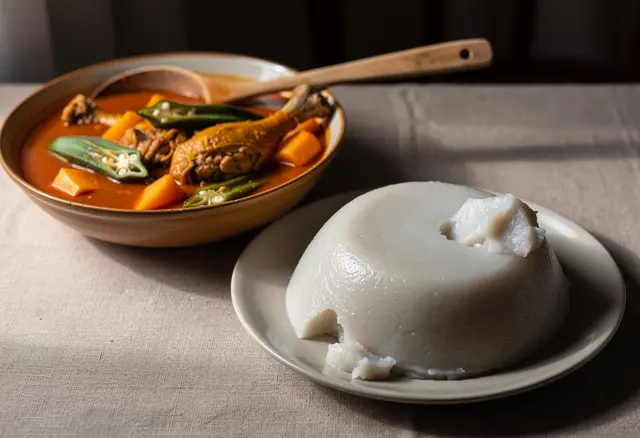
Funge (Angolan Cassava Flour Porridge)Angola
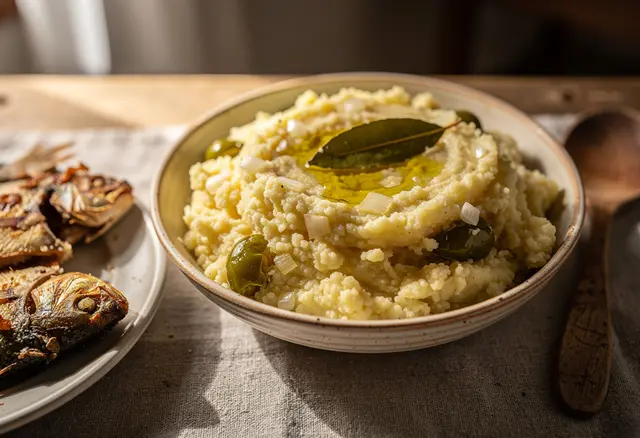
Xerém (Cape Verdean Coarse Cornmeal)Cape Verde
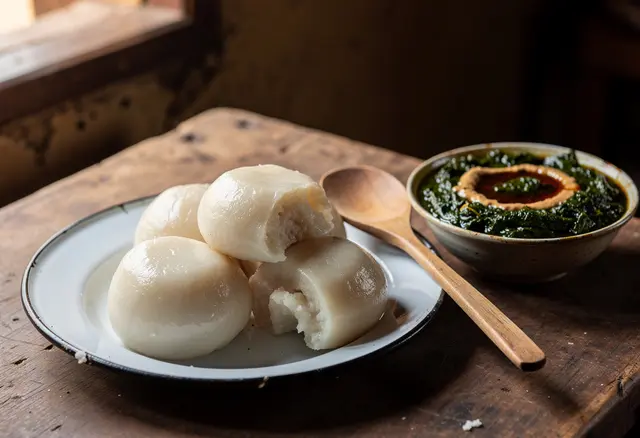
Gozo (Central African Cassava Flour Dough)Central African Republic

Lituma (Congolese Mashed Plantain)DR Congo
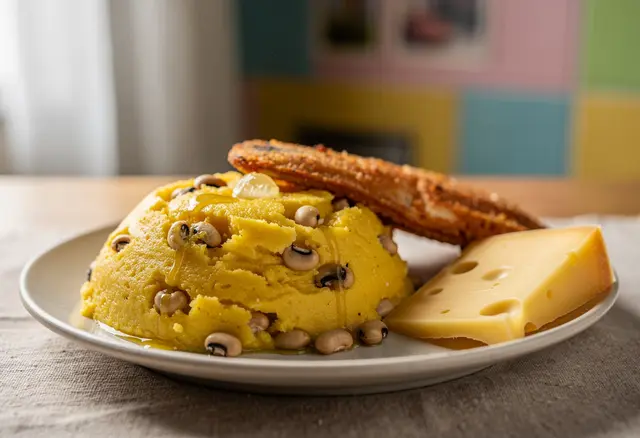
Tutu (Curaçao Cornmeal with Black-Eyed Peas)Curaçao

Foutou Banane (Ivorian Pounded Plantain and Cassava)Côte d’Ivoire
Cuisine
Diet
Frequently asked questions
What is Bogobe jwa Lerotse (Sorghum Porridge with Melon)?
Chunks of cooking melon boiled soft and whisked to a pulp, then thickened with sorghum meal and finished with sour milk into a smooth, gently tangy porridge.
Where does Bogobe jwa Lerotse (Sorghum Porridge with Melon) come from?
Bogobe jwa Lerotse (Sorghum Porridge with Melon) is a Botswana (Tswana) dish from Gaborone, Botswana.
Can Bogobe jwa Lerotse (Sorghum Porridge with Melon) be made vegan, gluten-free, or dairy-free?
This Bogobe jwa Lerotse (Sorghum Porridge with Melon) recipe includes substitution suggestions for vegetarian, vegan, gluten-free, dairy-free, nut-free, egg-free, and pork-free versions. Treat the substitutions as a starting guide rather than a guarantee, and see the allergen note below.
Is Bogobe jwa Lerotse (Sorghum Porridge with Melon) safe for people with food allergies?
Our dietary labels and substitutions are a cooking guide, not medical or allergen-safety advice. We track dairy, egg, gluten, tree nuts and peanuts (we still count coconut as a tree nut to be cautious, although the FDA stopped listing it as one in 2025), fish, and shellfish, but we do not screen for sesame, soy, mustard, celery, or sulphites. If you have a food allergy, always read the label on every product you use, and remember a home or commercial kitchen can cross-contaminate ingredients in ways a recipe cannot control.
How long does Bogobe jwa Lerotse (Sorghum Porridge with Melon) take to make?
About 70 minutes total (15 minutes prep, 55 minutes cooking), serving 6.
Get the Sunday Spin
One dish from somewhere in the world, in your inbox every Sunday. No spam, just dinner inspiration you can cook that day.