Oceania → Solomon Islands → Honiara

🥤 DRINK
Kulau
The Solomon Islands' green drinking coconut, cut fresh from the palm for its cool, mineral-rich water.
Solomon Islander · easy · serves 1
prep 5 min · cook 0 min
~14 cal · 0g protein · 5g carbs · 0g fat · 1g fiber · 1g sugars · 0g sat fat (estimated, per serving)
↓ Jump to Recipe
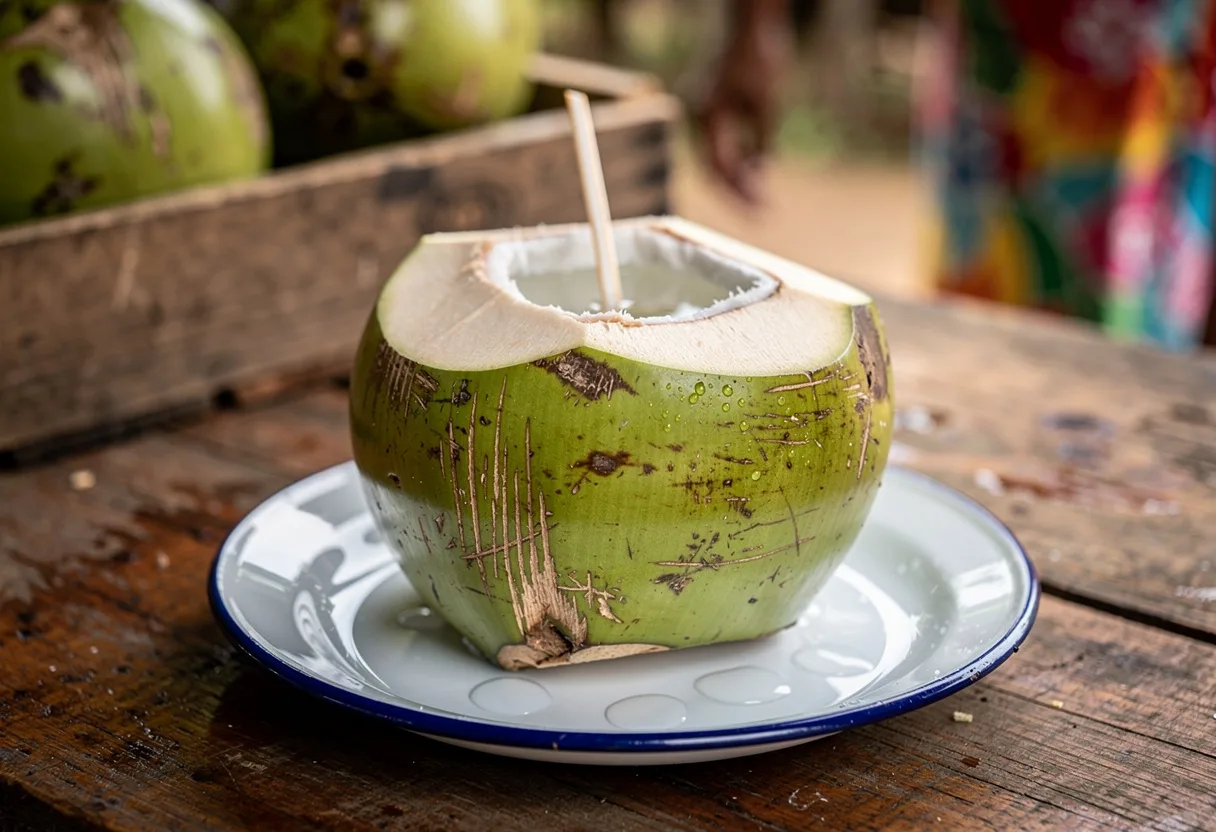
AI-generated illustration
In the Solomon Islands, the coconut palm is the true tree of life, and kulau, the green drinking coconut, is its most everyday gift. Ubiquitous at markets and by the roadside, a freshly cut kulau is the islands' natural answer to bottled soft drinks: cheap, cold, and endlessly available wherever the palms grow, which is nearly everywhere.
The water inside a young green nut is clear, faintly sweet, and lightly nutty, loaded with the potassium and electrolytes that make it such a good drink in the tropical heat. A machete takes the top off, and the water is drunk on the spot, after which the soft, spoonable flesh is scooped straight from the shell. It is the drink handed to a hot, thirsty visitor before anything else.
Where the mature brown coconut gives the cream that thickens the archipelago's fish stews and puddings, the young kulau is kept for drinking. Fresh, hydrating, and completely unprocessed, it is the taste of a Solomon Islands afternoon.
Saved recipes and passport stamps are kept on this device. Sign in to keep them across your devices and leave reviews.
Make it yours
✓ Naturally vegetarian, vegan and gluten-, dairy-, egg- and pork-free. No swaps needed.
Toggle a diet and the ingredients rewrite themselves with regional substitutes.
🥕 Vegetarian
🌱 Vegan
🌾 Gluten-Free
🥛 Dairy-Free
🥜 Nut-Free
🥚 Egg-Free
🐖 Pork-Free
Dietary labels are a cooking guide, not allergen-safety advice. We track dairy, egg, gluten, tree nuts and peanuts (we count coconut as a tree nut, following FDA labeling), fish, and shellfish; we do not screen for sesame, soy, mustard, celery, or sulphites. If you have a food allergy, read the label on every product you use, and note that a kitchen can cross-contaminate in ways a recipe cannot control.
Ingredients
US
Metric
Serves 1
- 1 fresh green drinking coconut (kulau), for its water
- a handful ice (optional)
- 1 lime wedge (optional)
Instructions
- 1Pick a heavy young green nut, which carries the most water and the softest flesh inside.✎ Chef’s noteKulau is the young green coconut kept for drinking; the mature brown nut is saved for grating into cream.
- 2Cut or hack open the top of the coconut with a sturdy knife to reveal the water.
- 3Drink the water fresh from the shell, or strain it over ice with a squeeze of lime.
- 4Split the empty nut and scoop out the tender jelly flesh to finish.
Honiara tradition.
Ratings & reviews
Cooked it? Rate this dish:
No account needed. Sign in to leave a full review with a comment.
Cooked it?
Kept on this device, no account needed. Sign in to leave a review and keep your passport across your devices.
No reviews yet, be the first to cook it.
🌏 While it simmers, know your destination
📍
Honiara. Slippery cabbage is aibika, and the slipperiness is its own mucilage, which thickens a coconut milk sauce without anything else being added to it. The motu, the stone-lined earth oven, also exists in miniature: hot stones dropped straight into a covered pot of cabbage and coconut milk.
🗺️
Solomon Islands. Slippery cabbage is aibika, Abelmoschus manihot, and the slipperiness is its mucilage, the same quality okra has; it is cooked down in coconut milk until it thickens the pot itself. The motu is the earth oven, and there is a small version where hot stones go straight into a covered pot rather than into a pit.
🌍
Oceania. Oceania spans Australia, New Zealand, and thousands of Pacific islands, where the ocean and the coconut palm define the pantry. Traditional Polynesian and Melanesian cooking centers on root crops, taro, yam, cassava, and sweet potato, slow-cooked in earth ovens (the umu or mumu) alongside fresh reef fish and rich coconut cream. Modern Australian and Māori kitchens blend these deep roots with waves of Asian and European influence.
The story behind this dish is up top, worth a read while the pot works.
More from Solomon Islands
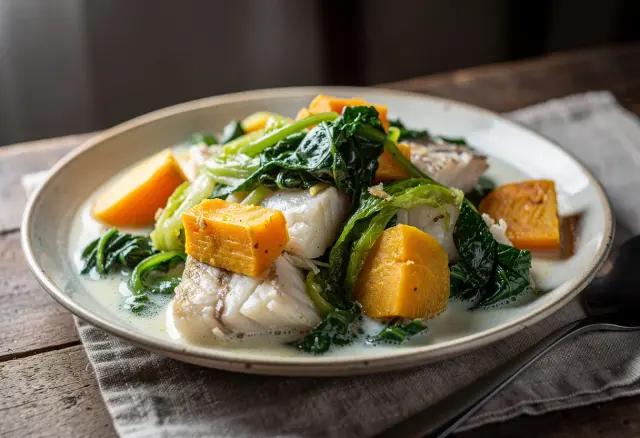
Fish with Slippery Cabbage & KumaraReef fish and kumara simmered in coconut cream with slippery cabbage (aibika) greens.
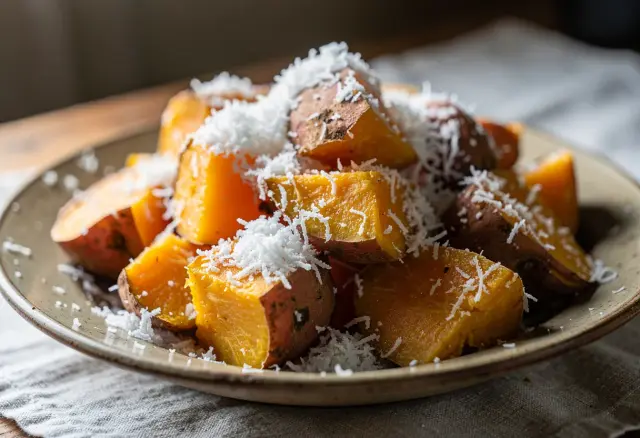
Boiled Kumara with Fresh CoconutTender boiled kumara (sweet potato) tossed with fresh grated coconut and a little salt, an honest, everyday Solomon Islands breakfast.
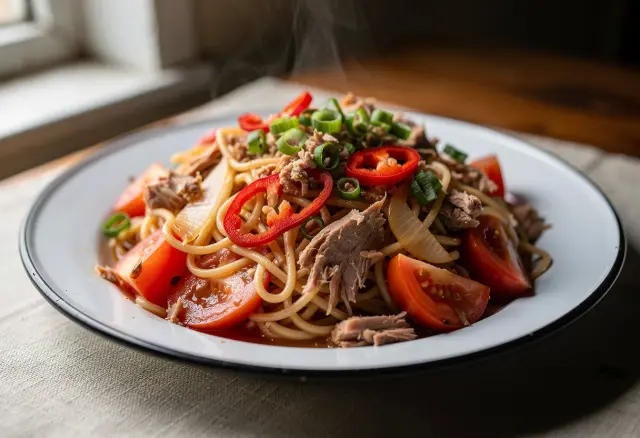
Chili Taiyo (Tinned Tuna Noodles)The Solomon Islands' favorite fast lunch: tinned Taiyo tuna tossed with noodles, fresh chili, tomato and onion into a quick, fiery plate.
Browse all Solomon Islands recipes →
Good to know
Storing it: Keep chilled and covered, and enjoy within 2 to 3 days.
Make it a Solomon Islands meal
Fish with Slippery Cabbage & KumaraDinner
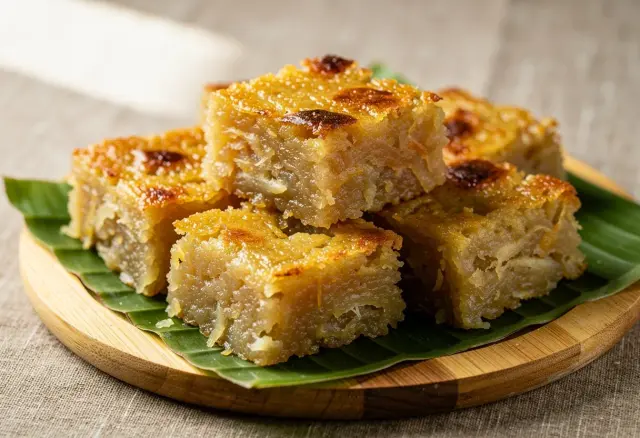
Solomon Islands Cassava PuddingDessert
Similar dishes from around the world
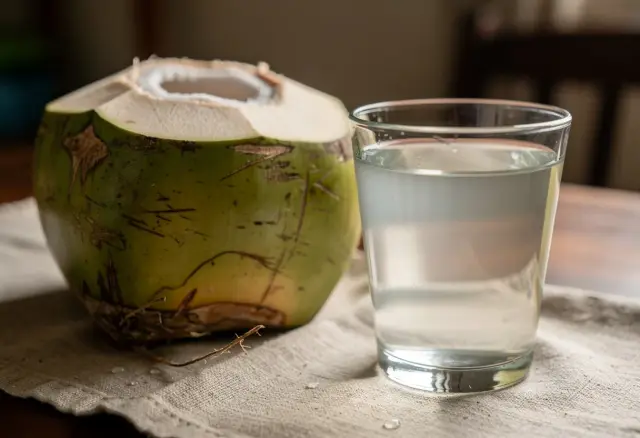
Coconut WaterNauru
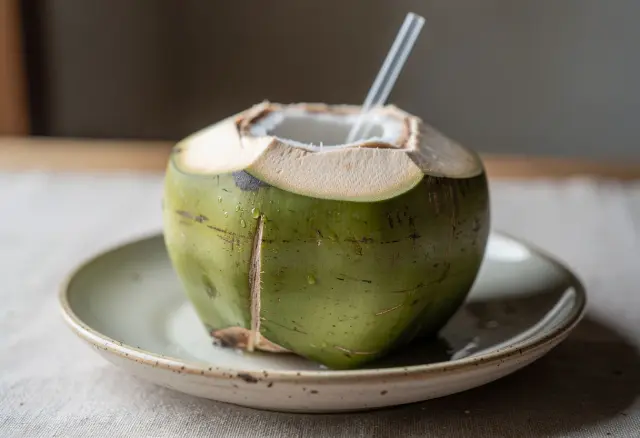
Young Coconut WaterPalau
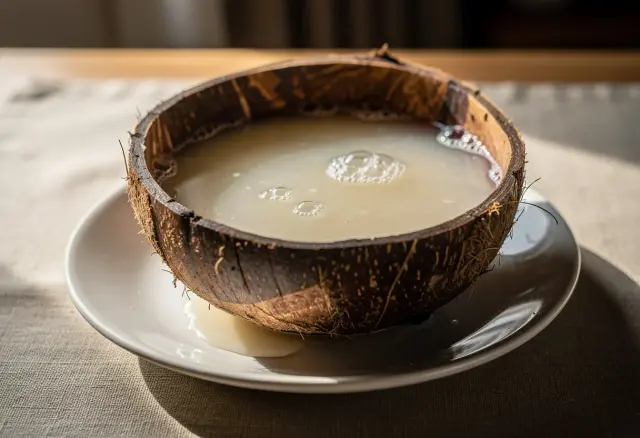
Te KareweKiribati
JekaroMarshall Islands
BissapSenegal

DawetSuriname
Drinks
Frequently asked questions
What is Kulau?
The Solomon Islands' green drinking coconut, cut fresh from the palm for its cool, mineral-rich water.
Where does Kulau come from?
Kulau is a Solomon Islander dish from Honiara, Solomon Islands.
Can Kulau be made vegan, gluten-free, or dairy-free?
This Kulau recipe includes substitution suggestions for vegetarian, vegan, gluten-free, dairy-free, egg-free, and pork-free versions. It cannot be made nut-free without changing what the dish is, so the recipe does not offer that version. Treat the substitutions as a starting guide rather than a guarantee, and see the allergen note below.
Is Kulau safe for people with food allergies?
Our dietary labels and substitutions are a cooking guide, not medical or allergen-safety advice. We track dairy, egg, gluten, tree nuts and peanuts (we still count coconut as a tree nut to be cautious, although the FDA stopped listing it as one in 2025), fish, and shellfish, but we do not screen for sesame, soy, mustard, celery, or sulphites. If you have a food allergy, always read the label on every product you use, and remember a home or commercial kitchen can cross-contaminate ingredients in ways a recipe cannot control.
How long does Kulau take to make?
About 5 minutes total (5 minutes prep, 0 minutes cooking), serving 1.
Get the Sunday Spin
One dish from somewhere in the world, in your inbox every Sunday. No spam, just dinner inspiration you can cook that day.