
🥔 SIDE
Sambal Kangkong (Singapore Spicy Water Spinach)
Water spinach stir-fried over high heat in a sambal of dried chilies, fresh chilies, shallots, garlic, dried shrimp and toasted belacan, until the leaves wilt and the hollow stems still crunch.
Singaporean · easy · serves 4
prep 20 min · cook 12 min
~228 cal · 14g protein · 14g carbs · 14g fat · 4g fiber · 5g sugars · 2g sat fat (estimated, per serving)
↓ Jump to Recipe
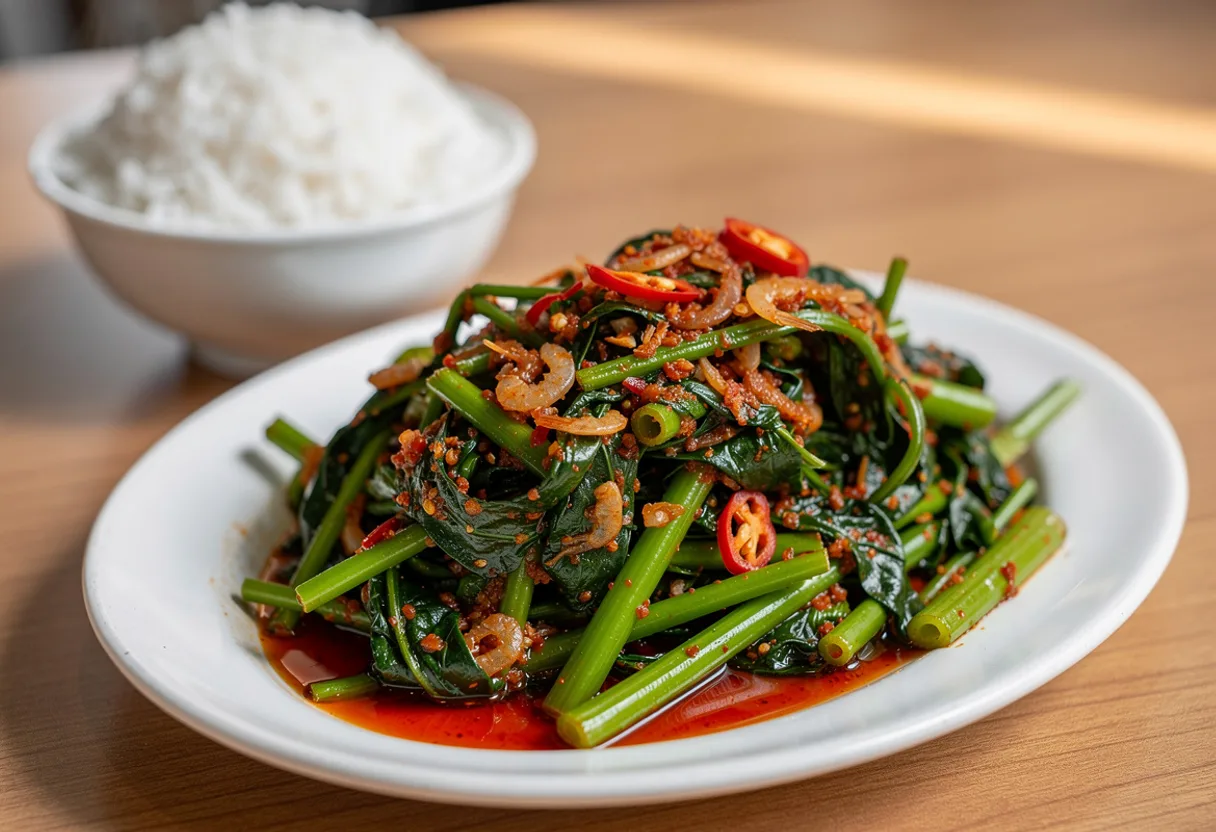
AI-generated illustration
Sambal kangkong is one of the most ordered vegetable dishes at Singapore's zi char stalls, the casual cook-to-order kitchens in coffee shops and hawker centres, and it is just as popular across the causeway in Malaysia. Its Mandarin name, ma lai feng guang, roughly "Malay scenery", nods to its Malay roots. At the table it is the green dish shared alongside rice and a meat or fish.
Kangkong, water spinach, has hollow stems and long, soft leaves. It is cooked in seconds: the stems go into the wok first, the leaves after, and the dish is done when the leaves have just wilted and the stems still have their crunch.
The flavour comes from the sambal. Dried and fresh chilies, shallots and garlic are pounded with dried shrimp and belacan, , which is first toasted in a dry pan until pungent. The paste is fried in oil until dark and fragrant before the greens go in. Many home cooks use a ready-made sambal belacan to save time.
Saved recipes and passport stamps are kept on this device. Sign in to keep them across your devices and leave reviews.
Make it yours
✓ Naturally gluten-, dairy-, nut-, egg- and pork-free. No swaps needed.
Toggle a diet and the ingredients rewrite themselves with regional substitutes.
🥕 Vegetarian
🌱 Vegan
🌾 Gluten-Free
🥛 Dairy-Free
🥜 Nut-Free
🥚 Egg-Free
🐖 Pork-Free
Dietary labels are a cooking guide, not allergen-safety advice. We track dairy, egg, gluten, tree nuts and peanuts (we count coconut as a tree nut, following FDA labeling), fish, and shellfish; we do not screen for sesame, soy, mustard, celery, or sulphites. If you have a food allergy, read the label on every product you use, and note that a kitchen can cross-contaminate in ways a recipe cannot control.
Ingredients
US
Metric
Serves 4
- 500 g kangkong (water spinach)
- 8 dried chilies, seeded
- 2 fresh large red chilies, seeded
- 1 to 2 bird's eye chilies (chili padi), optional, for more heat
- 6 shallots, peeled
- 3 cloves garlic
- 40 g dried shrimp, soaked in hot water for 10 minutes (keep the water)
- 10 g (about 2 tsp) belacan ( )
- 4 tbsp
- 1/2 tsp sugar
- 1/2 tsp salt, or to taste
- 100 ml shrimp soaking water or plain water
Instructions
- 1Soak the dried chilies in hot water for 10 minutes to soften. Wash the kangkong well, cut it into 6 cm lengths and keep the stems and leaves in separate piles.
- 2Toast the belacan in a small dry pan over low heat for 2 to 3 minutes, pressing and turning it, until it smells strongly and turns dry and crumbly.
- 3Drain the dried chilies and pound or blend them with the fresh chilies, shallots, garlic, dried shrimp and toasted belacan into a coarse paste, adding a spoonful of the shrimp soaking water if the blender needs it.
- 4Heat the oil in a wok over medium heat. Fry the paste for about 5 minutes, stirring all the time, until it darkens and the oil separates from it. Stir in the sugar and salt.✎ Chef’s noteCook the paste properly: raw sambal tastes harsh, while well-fried sambal is deep, sweet and fragrant.
- 5Turn the heat to high, add the kangkong stems and toss for about 1 minute. Add the leaves and the water and toss for 1 to 2 minutes more, just until the leaves wilt. Taste for salt and serve at once, with rice.✎ Chef’s noteDo not overcook it: the stems should still crunch.
Singapore zi char tradition.
Ratings & reviews
Cooked it? Rate this dish:
No account needed. Sign in to leave a full review with a comment.
Cooked it?
Kept on this device, no account needed. Sign in to leave a review and keep your passport across your devices.
No reviews yet, be the first to cook it.
🌏 While it simmers, know your destination
📍
Singapore. Chicken rice is claimed on both sides of the causeway. It descends from Hainan's Wenchang chicken, brought over by Hainanese migrants and reworked with Cantonese technique, so Singapore and Malaysia each have a case and neither has a clinching one. The rice cooked in the poaching stock is the part nobody argues about.
🗺️
Singapore. Several famous dishes here carry claims rather than settled histories. Hainanese chicken rice and laksa are contested with Malaysia and neither country gets to close the argument; chilli crab's invention is credited by Singaporean accounts to Cher Yam Tian in 1956, which is a claim by a named family rather than a documented first. Kaya toast, coconut-and-egg jam on charcoal-toasted bread with soft eggs, is less argued over.
🌍
Asia. Fermentation is the thread that runs the whole way across: soy sauce and miso, Korean doenjang and kimchi, Southeast Asian fish sauces, the soured batter behind an idli. Chilli is the newcomer among them, arriving only after 1500 with Portuguese and Spanish traders, which makes the heat in Sichuan, Thai and Korean cooking far younger than the fermenting underneath it.
The story behind this dish is up top, worth a read while the pot works.
More from Singapore
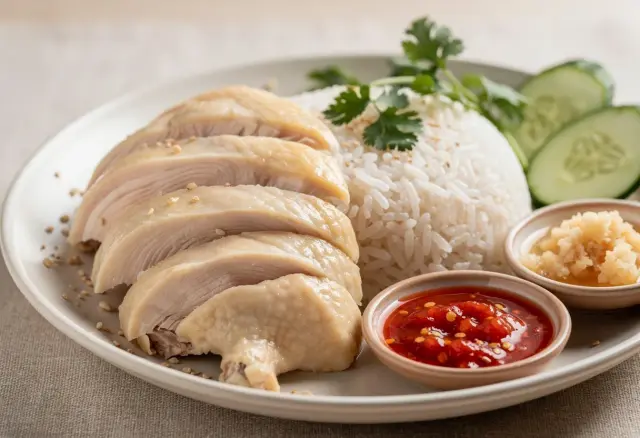
Hainanese Chicken RiceSilken poached chicken over rice cooked in its broth, with chili-ginger sauce, Singapore’s national obsession.
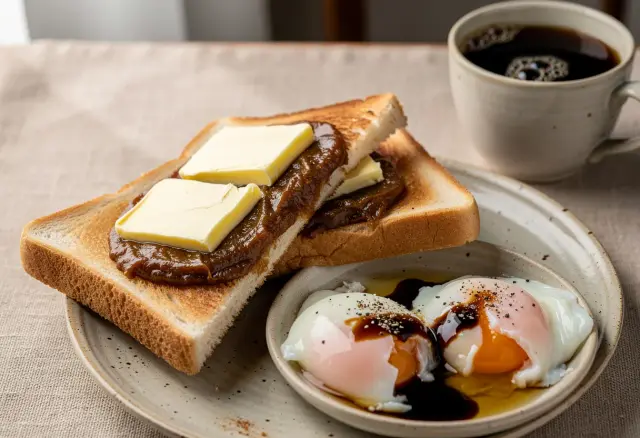
Kaya ToastToasted bread spread with coconut-egg kaya jam and butter, with soft-cooked eggs and kopi.
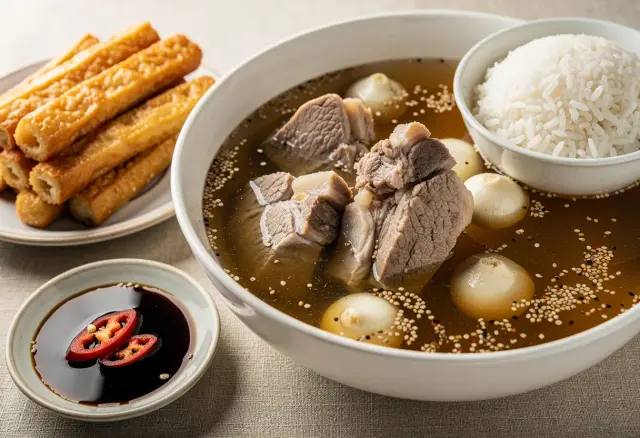
Bak Kut TehPork ribs simmered in a peppery, garlicky broth, Singapore's restorative bowl eaten with rice and dough fritters.
Browse all Singapore recipes →
Good to know
You’ll need: Wok, Blender.
Storing it: Stews and braises keep 3 to 4 days refrigerated and often taste better the next day. Reheat gently, adding a splash of water if it has thickened.
Make it a Singapore meal

BandungDrink
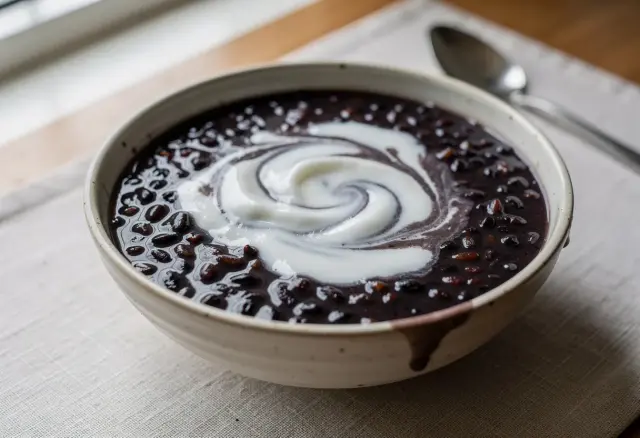
Pulut HitamDessert
Similar dishes from around the world
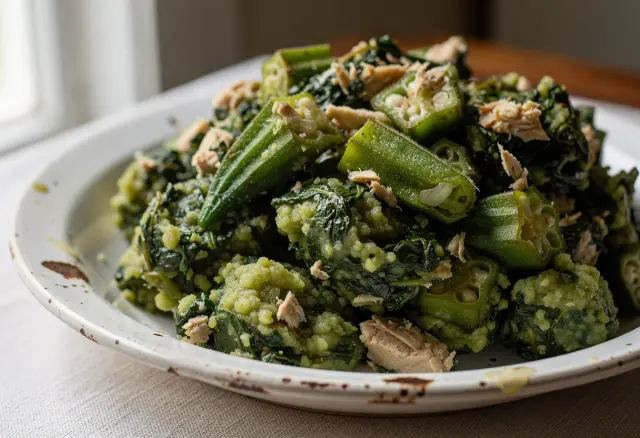
Antiguan Chop-UpAntigua and Barbuda
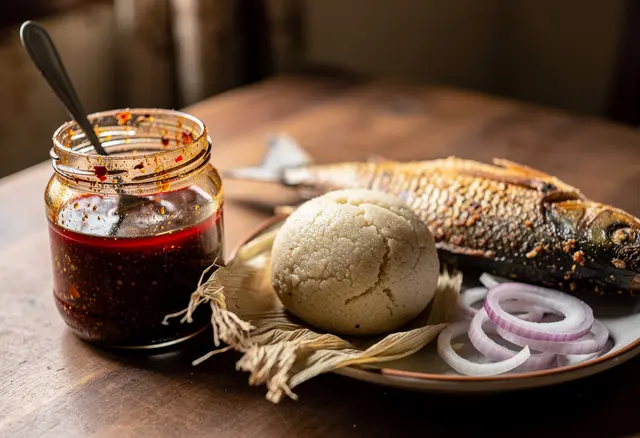
Shito (Ghanaian Black Pepper Sauce)Ghana
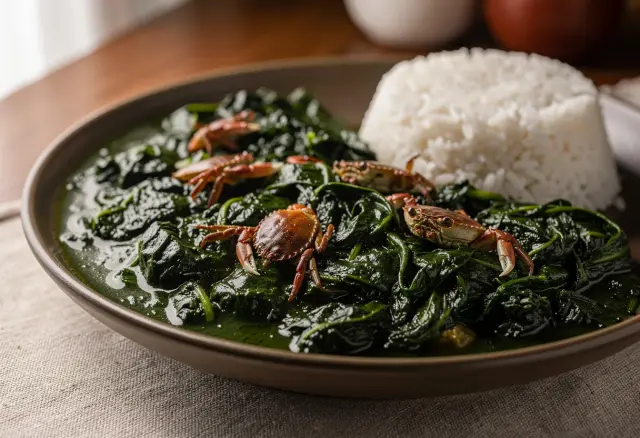
Trinidad CallalooTrinidad & Tobago

Renga RengaBurundi
Sundubu-jjigae (Soft Tofu Stew)South Korea

FumbwaRepublic of the Congo
Cuisine
Diet
Frequently asked questions
What is Sambal Kangkong (Singapore Spicy Water Spinach)?
Water spinach stir-fried over high heat in a sambal of dried chilies, fresh chilies, shallots, garlic, dried shrimp and toasted belacan, until the leaves wilt and the hollow stems still crunch.
Where does Sambal Kangkong (Singapore Spicy Water Spinach) come from?
Sambal Kangkong (Singapore Spicy Water Spinach) is a Singaporean dish from Singapore, Singapore.
Can Sambal Kangkong (Singapore Spicy Water Spinach) be made vegan, gluten-free, or dairy-free?
This Sambal Kangkong (Singapore Spicy Water Spinach) recipe includes substitution suggestions for vegetarian, vegan, gluten-free, dairy-free, nut-free, egg-free, and pork-free versions. Treat the substitutions as a starting guide rather than a guarantee, and see the allergen note below.
Is Sambal Kangkong (Singapore Spicy Water Spinach) safe for people with food allergies?
Our dietary labels and substitutions are a cooking guide, not medical or allergen-safety advice. We track dairy, egg, gluten, tree nuts and peanuts (we still count coconut as a tree nut to be cautious, although the FDA stopped listing it as one in 2025), fish, and shellfish, but we do not screen for sesame, soy, mustard, celery, or sulphites. If you have a food allergy, always read the label on every product you use, and remember a home or commercial kitchen can cross-contaminate ingredients in ways a recipe cannot control.
How long does Sambal Kangkong (Singapore Spicy Water Spinach) take to make?
About 32 minutes total (20 minutes prep, 12 minutes cooking), serving 4.
Get the Sunday Spin
One dish from somewhere in the world, in your inbox every Sunday. No spam, just dinner inspiration you can cook that day.