Oceania → Micronesia → Palikir

🥗 STARTER
Pohnpeian Tuna Sashimi
Thick slices of just-caught yellowfin tuna served raw and cold, with soy sauce, lime and fiery local hot pepper, and a little grated ginger or wasabi.
Micronesian (Pohnpeian) · easy · serves 4
prep 15 min · cook 0 min
~153 cal · 29g protein · 6g carbs · 1g fat · 2g fiber · 2g sugars · 0g sat fat (estimated, per serving)
↓ Jump to Recipe

AI-generated illustration
Sashimi is one of the everyday pleasures of Pohnpei. It came with the Japanese, who governed the Caroline Islands from 1914 to 1945 and settled in large numbers on Pohnpei, many of them fishermen, and it stayed after they left. Today plates of raw tuna are on the menus of restaurants and takeout counters across Kolonia, next to udon, katsu, teriyaki and fried fish.
What makes it so good is the fish. The waters around Pohnpei are full of tuna, and local sashimi is usually yellowfin, caught that morning and cut into thick, deep red slices. It is served very simply: a dish of soy sauce, a squeeze of lime, and heat, either wasabi or the small, fierce local hot peppers crushed into the soy.
To make it at home, the one rule is the fish. Buy tuna sold as sashimi grade from a fishmonger you trust, keep it very cold, and slice it just before serving.
Saved recipes and passport stamps are kept on this device. Sign in to keep them across your devices and leave reviews.
Make it yours
✓ Naturally dairy-, nut-, egg- and pork-free. No swaps needed.
Toggle a diet and the ingredients rewrite themselves with regional substitutes.
🥕 Vegetarian
🌱 Vegan
🌾 Gluten-Free
🥛 Dairy-Free
🥜 Nut-Free
🥚 Egg-Free
🐖 Pork-Free
Dietary labels are a cooking guide, not allergen-safety advice. We track dairy, egg, gluten, tree nuts and peanuts (we count coconut as a tree nut, following FDA labeling), fish, and shellfish; we do not screen for sesame, soy, mustard, celery, or sulphites. If you have a food allergy, read the label on every product you use, and note that a kitchen can cross-contaminate in ways a recipe cannot control.
Ingredients
US
Metric
Serves 4
- 400 g sashimi-grade yellowfin tuna loin, skinless, buy it labelled sashimi grade (usually frozen first to make raw eating safe) and keep it very cold
- 1/4 cup soy sauce
- 2 limes, cut into wedges
- 2 to 3 small hot chilies (such as bird's eye), finely chopped
- 1 tsp fresh ginger, finely grated, or wasabi
- 1 cup green cabbage or daikon, very finely shredded, optional, to serve
Instructions
- 1Keep the tuna in the fridge until the last moment. Pat it dry and, with your sharpest long knife, trim off any dark, sinewy parts.
- 2Cut the loin across the grain into slices about 1 cm thick, drawing the knife through each slice in one long, smooth stroke rather than sawing.✎ Chef’s noteWipe the blade between cuts. A clean, single stroke gives glossy slices with sharp edges.
- 3Lay the slices, slightly overlapping, on a chilled plate, on a bed of shredded cabbage or daikon if you like.
- 4Stir the chopped chilies into a small dish of soy sauce and put the ginger or wasabi on the side.
- 5Serve at once with the lime wedges, for everyone to squeeze lime over the fish and dip each slice in the peppery soy.
Pohnpeian tradition (from the Japanese era).
Ratings & reviews
Cooked it? Rate this dish:
No account needed. Sign in to leave a full review with a comment.
Cooked it?
Kept on this device, no account needed. Sign in to leave a review and keep your passport across your devices.
No reviews yet, be the first to cook it.
🌏 While it simmers, know your destination
📍
Palikir. Palikir is the Pohnpei capital of Micronesia, prized for coconut crab and for the giant yams grown for feasts and status. Breadfruit, taro, reef fish, and pounded sakau shape both the everyday meal and the ceremonial one.
🗺️
Micronesia. The Federated States of Micronesia cook close to the reef, fresh fish, taro, breadfruit, and coconut, often in an earth oven. Island root crops and the surrounding Pacific define the table.
🌍
Oceania. The twentieth century changed the Pacific plate faster than anything before it. White rice, tinned corned beef, mutton flaps, flour and sugar arrived by ship and are now entirely everyday, and the public health consequences are among the most closely studied anywhere. Alongside that, Australian and New Zealand kitchens have taken up Asian technique and Maori and Pasifika cooking in a way they had not before.
The story behind this dish is up top, worth a read while the pot works.
More from Micronesia
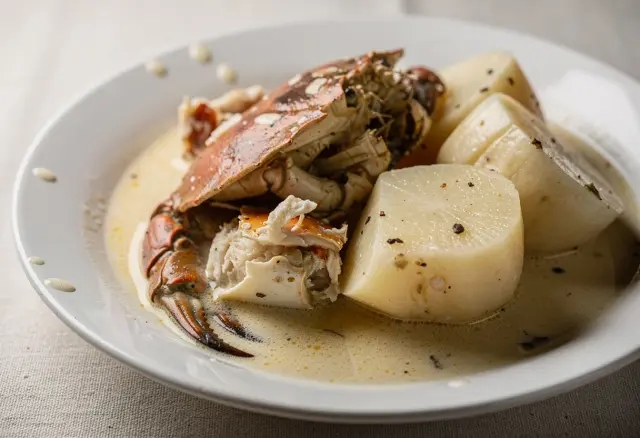
Coconut Crab with TaroPrized coconut crab simmered in its own fat with coconut cream, served with steamed taro.
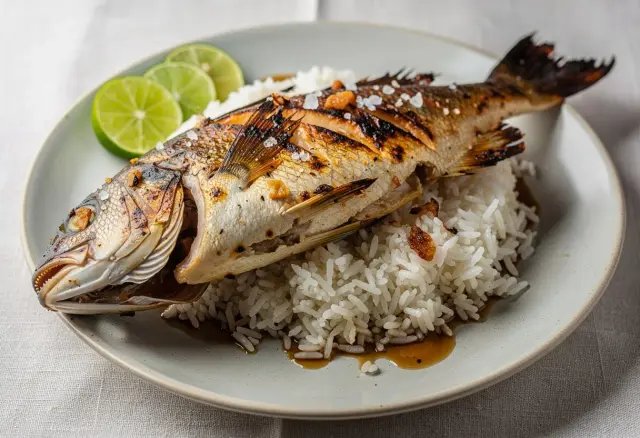
Grilled Reef Fish with RiceWhole reef fish grilled over coconut husks with lime and served over hot rice, a savory, protein-rich Micronesian morning plate.

Reef Fish with BreadfruitReef fish gently poached in coconut cream with ginger and lime, served over roasted breadfruit, the everyday midday plate of the Pohnpei coast.
Browse all Micronesia recipes →
Good to know
Storing it: Best assembled just before serving. Prep the components ahead and dress at the last moment so it stays crisp.
Make it a Micronesia meal

SakauDrink
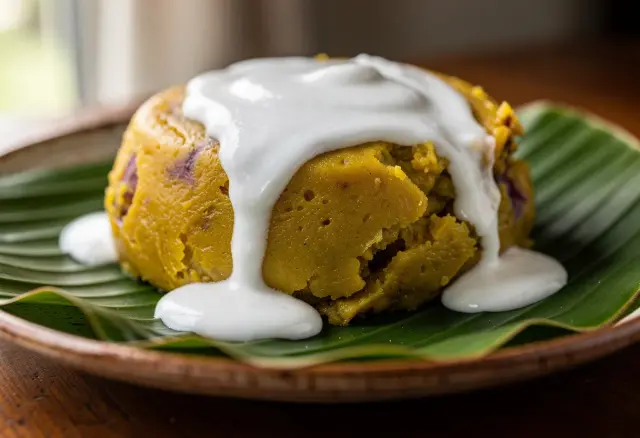
Uht Sukusuk (Pounded Banana with Coconut Cream)Dessert
Similar dishes from around the world
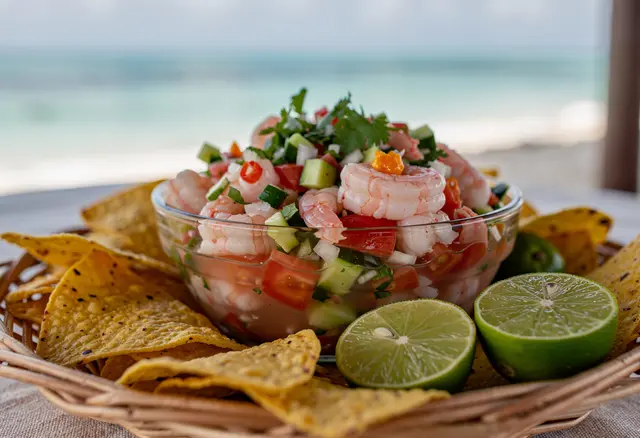
Belizean Shrimp CevicheBelize
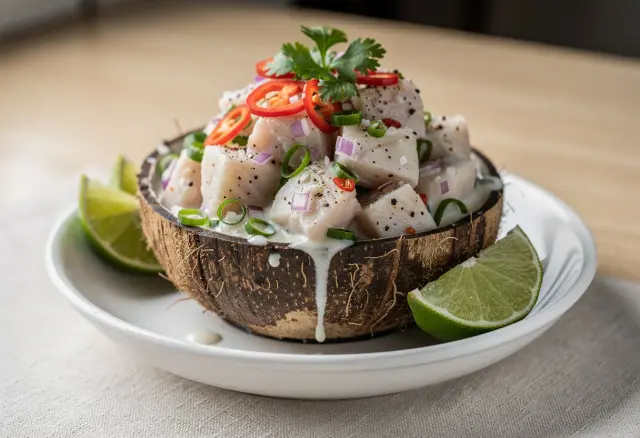
Kokoda (Fijian Coconut Ceviche)Fiji
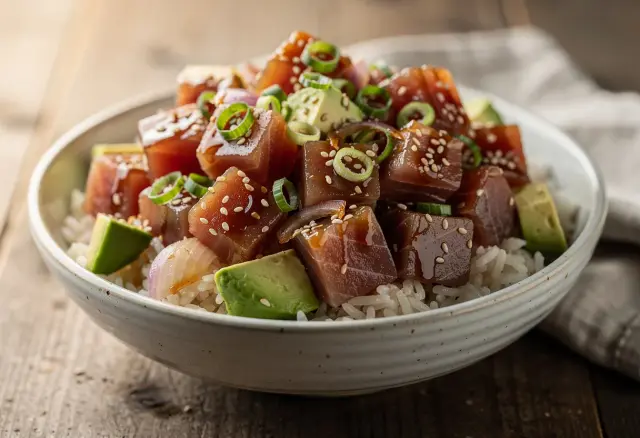
Ahi PokeUnited States
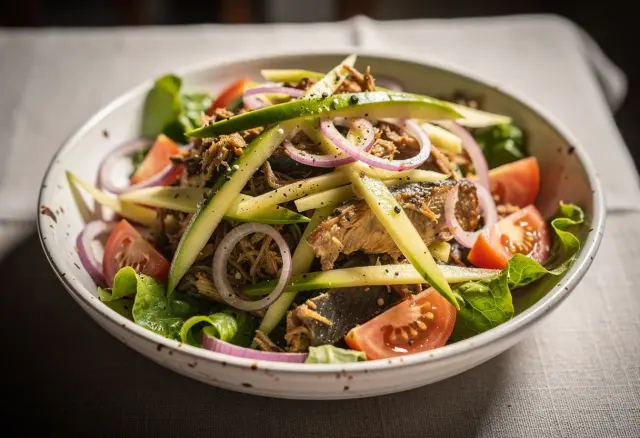
Salad Pwason Fime (Smoked Fish Salad)Seychelles
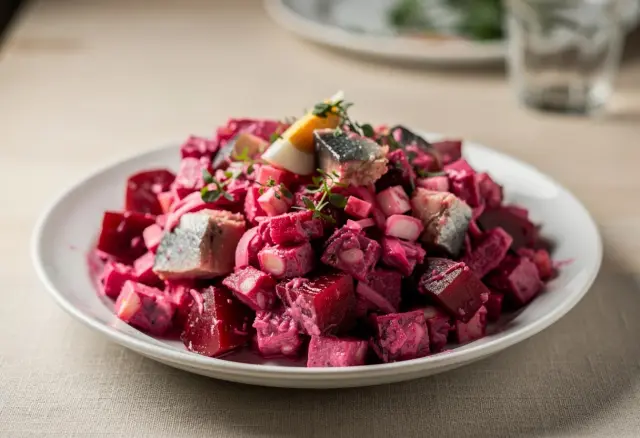
RosoljeEstonia
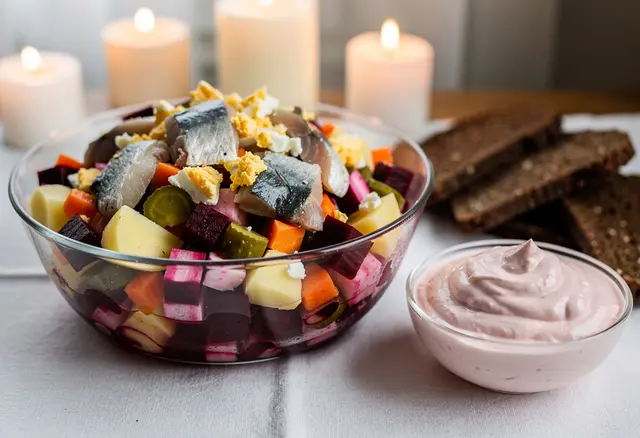
Rosolli (Finnish Beetroot and Herring Salad)Finland
Cuisine
Diet
Frequently asked questions
What is Pohnpeian Tuna Sashimi?
Thick slices of just-caught yellowfin tuna served raw and cold, with soy sauce, lime and fiery local hot pepper, and a little grated ginger or wasabi.
Where does Pohnpeian Tuna Sashimi come from?
Pohnpeian Tuna Sashimi is a Micronesian (Pohnpeian) dish from Palikir, Micronesia.
Can Pohnpeian Tuna Sashimi be made vegan, gluten-free, or dairy-free?
This Pohnpeian Tuna Sashimi recipe includes substitution suggestions for vegetarian, vegan, gluten-free, dairy-free, nut-free, egg-free, and pork-free versions. Treat the substitutions as a starting guide rather than a guarantee, and see the allergen note below.
Is Pohnpeian Tuna Sashimi safe for people with food allergies?
Our dietary labels and substitutions are a cooking guide, not medical or allergen-safety advice. We track dairy, egg, gluten, tree nuts and peanuts (we still count coconut as a tree nut to be cautious, although the FDA stopped listing it as one in 2025), fish, and shellfish, but we do not screen for sesame, soy, mustard, celery, or sulphites. If you have a food allergy, always read the label on every product you use, and remember a home or commercial kitchen can cross-contaminate ingredients in ways a recipe cannot control.
How long does Pohnpeian Tuna Sashimi take to make?
About 15 minutes total (15 minutes prep, 0 minutes cooking), serving 4.
Get the Sunday Spin
One dish from somewhere in the world, in your inbox every Sunday. No spam, just dinner inspiration you can cook that day.