
🍰 DESSERT
Kanyah (Peanut and Rice Sweet)
Ground roasted peanuts and toasted rice flour pressed with sugar into a dense, crumbly sweet, a Liberian classic.
Liberian · easy · serves 8
prep 20 min · cook 10 min
~314 cal · 10g protein · 32g carbs · 18g fat · 3g fiber · 14g sugars · 3g sat fat (estimated, per serving)
↓ Jump to Recipe
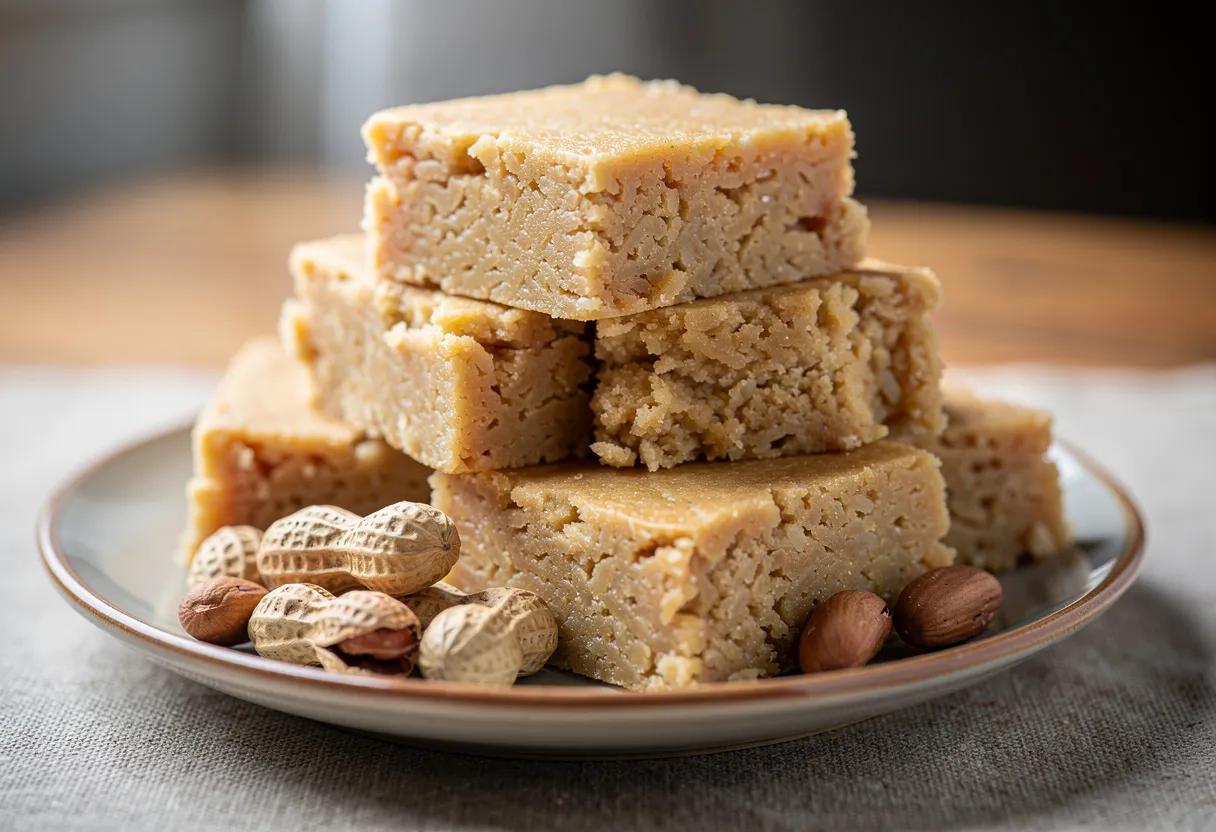
AI-generated illustration
Kanyah is Liberia's no-bake sweet, a dense, crumbly bar of ground roasted peanuts and toasted rice bound with nothing but sugar and the peanuts' own oils. Three humble ingredients, pressed firmly into a pan and cut into squares, make a treat that has been sold by market women and made in home kitchens across the country for generations.
Peanuts, known locally as ground nuts, are a cornerstone of Liberian cooking, and toasting the rice flour first gives the sweet a warm, almost fudge-like depth against a drier, crumbly bite. It belongs to a wider West African family of peanut confections that runs through Sierra Leone and beyond, but Liberians claim it firmly as their own.
Kept in a tin and pulled out with tea or coffee, kanyah is an everyday snack and a small piece of Liberian food heritage, the kind of recipe passed hand to hand rather than written down. Sweet, nutty and satisfying, it needs no oven and no fuss.
Saved recipes and passport stamps are kept on this device. Sign in to keep them across your devices and leave reviews.
Make it yours
✓ Naturally vegetarian, vegan and gluten-, dairy-, egg- and pork-free. No swaps needed.
Toggle a diet and the ingredients rewrite themselves with regional substitutes.
🥕 Vegetarian
🌱 Vegan
🌾 Gluten-Free
🥛 Dairy-Free
🥜 Nut-Free
🥚 Egg-Free
🐖 Pork-Free
Dietary labels are a cooking guide, not allergen-safety advice. We track dairy, egg, gluten, tree nuts and peanuts (we count coconut as a tree nut, following FDA labeling), fish, and shellfish; we do not screen for sesame, soy, mustard, celery, or sulphites. If you have a food allergy, read the label on every product you use, and note that a kitchen can cross-contaminate in ways a recipe cannot control.
Ingredients
US
Metric
Serves 8
- 2 cups roasted peanuts, skins removed
- 1 cup rice flour
- 1/2 cup sugar
- 1 pinch of salt
Instructions
- 1Toast the rice flour in a dry skillet over medium-low heat, stirring constantly, until it turns light golden and smells nutty, then set it aside to cool.✎ Chef’s noteToast the flour slowly and keep it moving. Its nutty, faintly fudgy flavour is what lifts kanyah above plain ground peanuts, but it scorches fast.
- 2Grind the roasted peanuts to a coarse, crumbly meal in a food processor, stopping before they turn to butter.
- 3Add the toasted rice flour, sugar and salt and pulse until the mixture presses together and holds its shape when squeezed.
- 4Press the mixture very firmly into a shallow pan, level the top, and let it set at room temperature before cutting into squares. It keeps in an airtight tin for days.
Liberian market and home tradition.
Ratings & reviews
Cooked it? Rate this dish:
No account needed. Sign in to leave a full review with a comment.
Cooked it?
Kept on this device, no account needed. Sign in to leave a review and keep your passport across your devices.
No reviews yet, be the first to cook it.
🌏 While it simmers, know your destination
📍
Monrovia. Liberia was founded by freed African Americans from the 1820s and the kitchen carries both sides of that: rice at nearly every meal in the West African way, alongside American Southern habits in collards, cornbread and doughnuts sold on the street. Palm butter and cassava leaf are the everyday sauces.
🗺️
Liberia. The American strand is specific rather than general. Liberia was settled from the 1820s by free and freed Black Americans, and Americo-Liberian households brought with them cornbread, doughnuts and Sunday-dinner habits that sit alongside, rather than blend into, the Indigenous West African cooking of rice, pepper soup and cassava leaf.
🌍
Africa. Much of what reads as timeless African cooking is younger than the Atlantic crossings. Maize, cassava, groundnut, chilli and tomato all arrived from the Americas after 1500 and pushed older crops aside; millet, sorghum, teff, yam and fonio are the ones that were already here, and the map still shows the join.
The story behind this dish is up top, worth a read while the pot works.
More from Liberia
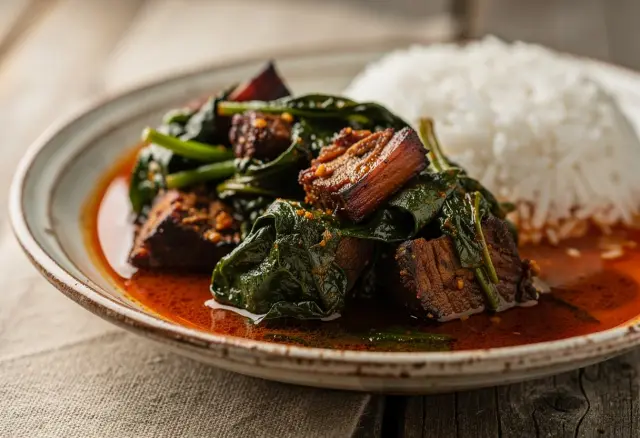
TorborgeeA pungent, spicy Liberian stew of red cowpeas and bitter eggplant with smoked meats and fish, slicked with red palm oil.

Liberian Rice BreadA moist, tender quick bread of rice flour and mashed ripe banana, spiced and baked into a golden loaf for breakfast or tea.

Palm Butter RiceChicken simmered in a rich palm-nut sauce with chili and greens, ladled over rice, one of Liberia's most cherished dishes.
Browse all Liberia recipes →
Good to know
You’ll need: Skillet or frying pan, Food processor, Mould or tin.
Storing it: Keep chilled and covered, and enjoy within 2 to 3 days.
Make it a Liberia meal
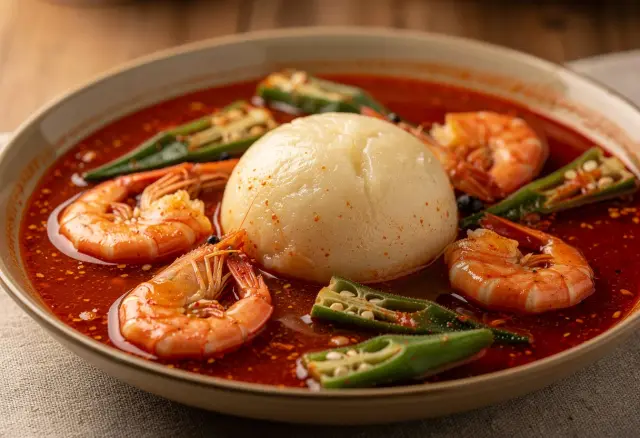
Dumboy and Pepper SoupDinner
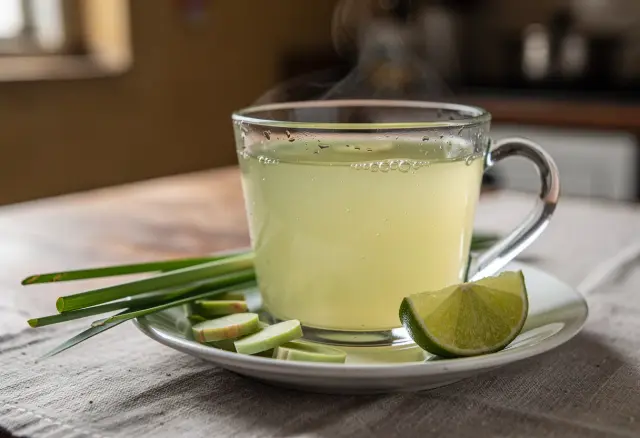
Liberian Lemongrass TeaDrink
Similar dishes from around the world
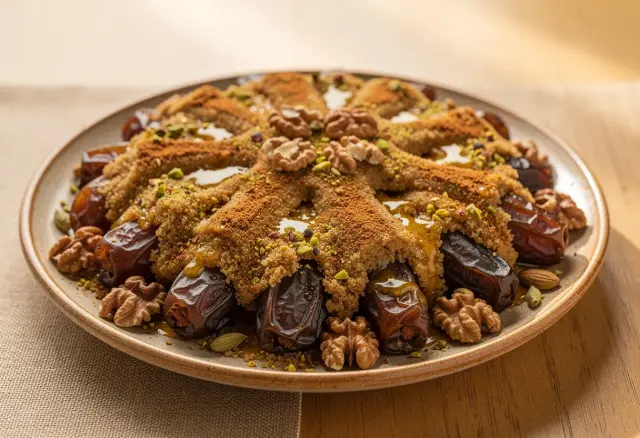
RanginakBahrain
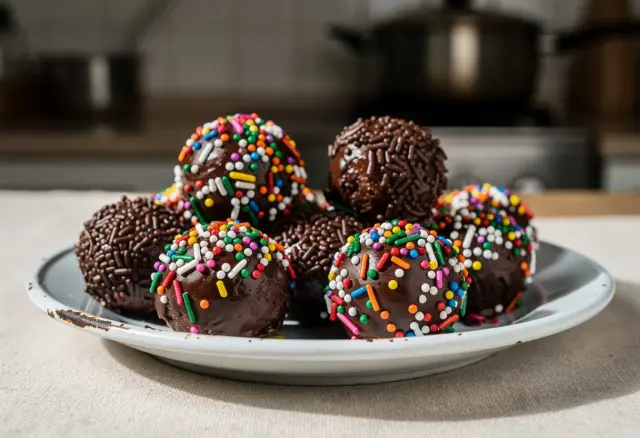
BrigadeiroBrazil
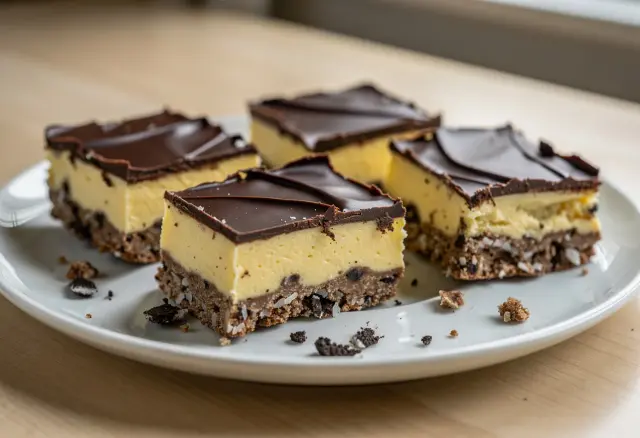
Nanaimo BarsCanada
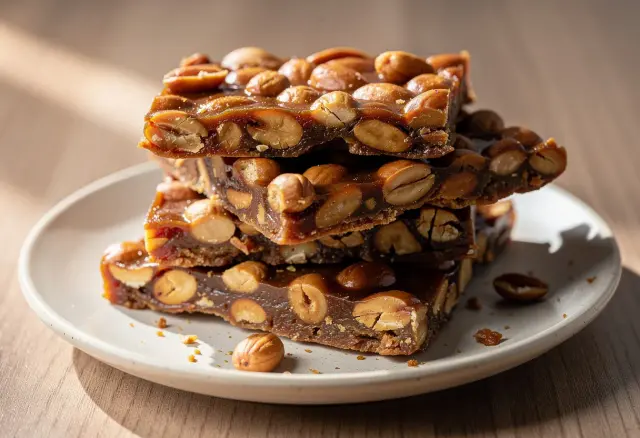
Nkate CakeGhana
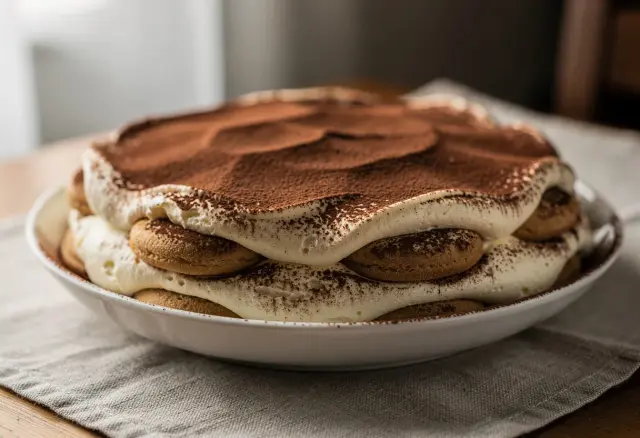
TiramisùItaly

ZhentKazakhstan
Cuisine
Diet
Vegetarian Recipes from Around the World
Vegan Recipes from Around the World
Gluten-Free Recipes from Around the World
Dairy-Free Recipes from Around the World
Egg-Free Recipes from Around the World
Pork-Free Recipes from Around the World
Vegan Desserts from Around the World
Vegetarian Desserts from Around the World
Gluten-Free Desserts from Around the World
Dairy-Free Desserts from Around the World
Egg-Free Desserts from Around the World
Frequently asked questions
What is Kanyah (Peanut and Rice Sweet)?
Ground roasted peanuts and toasted rice flour pressed with sugar into a dense, crumbly sweet, a Liberian classic.
Where does Kanyah (Peanut and Rice Sweet) come from?
Kanyah (Peanut and Rice Sweet) is a Liberian dish from Monrovia, Liberia.
Can Kanyah (Peanut and Rice Sweet) be made vegan, gluten-free, or dairy-free?
This Kanyah (Peanut and Rice Sweet) recipe includes substitution suggestions for vegetarian, vegan, gluten-free, dairy-free, nut-free, egg-free, and pork-free versions. Treat the substitutions as a starting guide rather than a guarantee, and see the allergen note below.
Is Kanyah (Peanut and Rice Sweet) safe for people with food allergies?
Our dietary labels and substitutions are a cooking guide, not medical or allergen-safety advice. We track dairy, egg, gluten, tree nuts and peanuts (we still count coconut as a tree nut to be cautious, although the FDA stopped listing it as one in 2025), fish, and shellfish, but we do not screen for sesame, soy, mustard, celery, or sulphites. If you have a food allergy, always read the label on every product you use, and remember a home or commercial kitchen can cross-contaminate ingredients in ways a recipe cannot control.
How long does Kanyah (Peanut and Rice Sweet) take to make?
About 30 minutes total (20 minutes prep, 10 minutes cooking), serving 8.
Get the Sunday Spin
One dish from somewhere in the world, in your inbox every Sunday. No spam, just dinner inspiration you can cook that day.